
Rustic Timber Stool
A rustic timber stool brings raw utility and honest craft into a room, offering simple seating shaped by rural life.
Rustic timber stool types
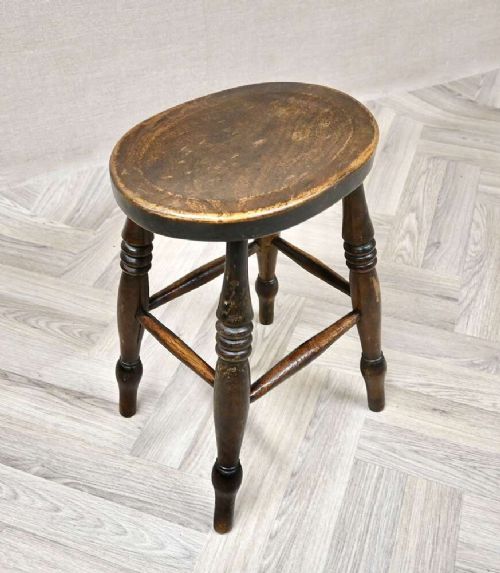
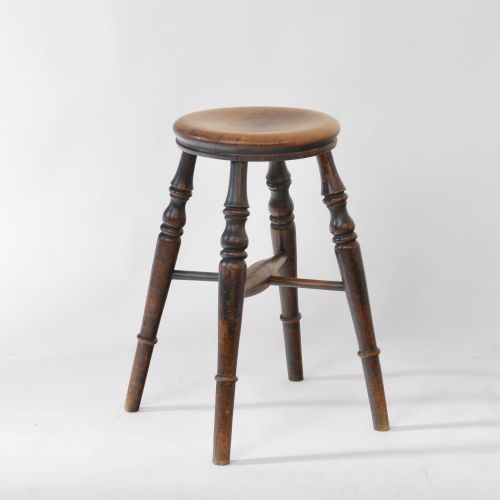
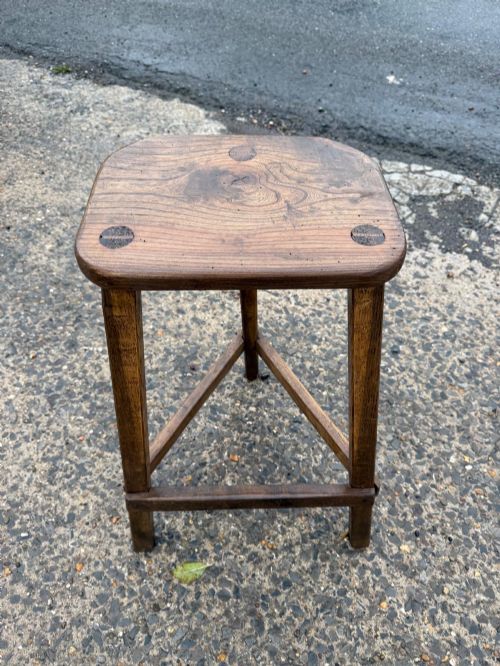
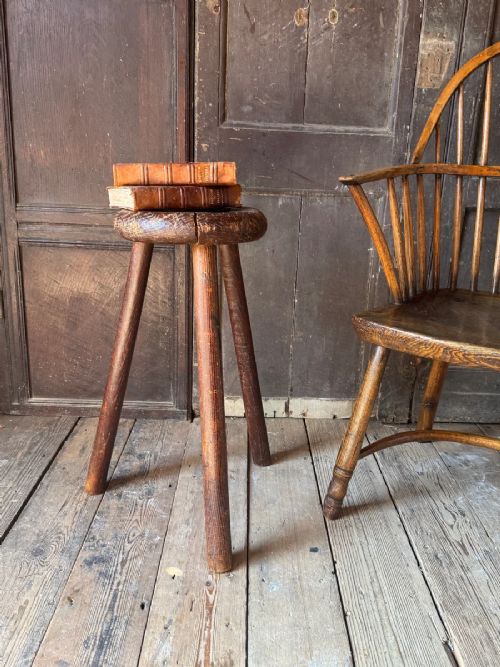
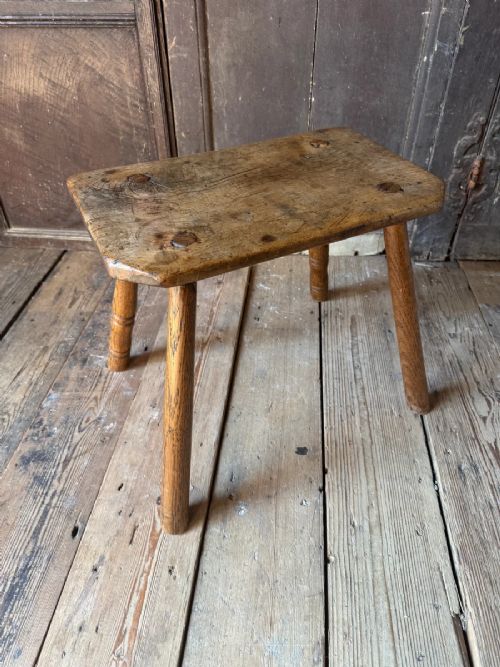
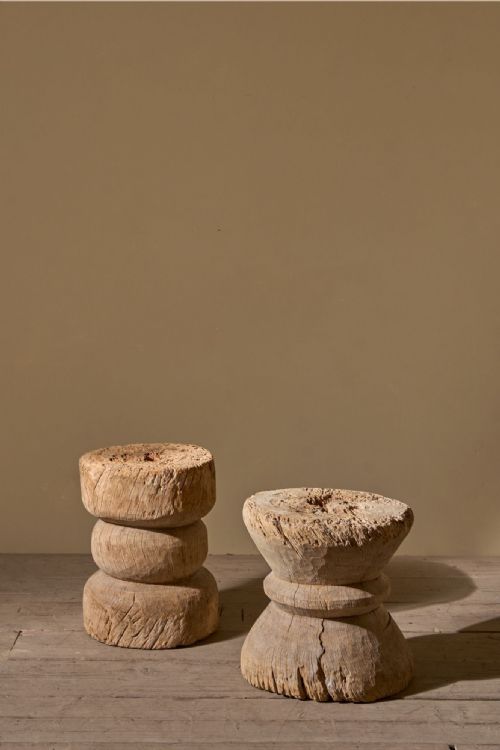
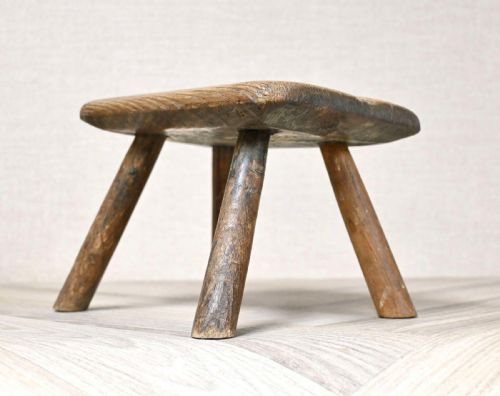
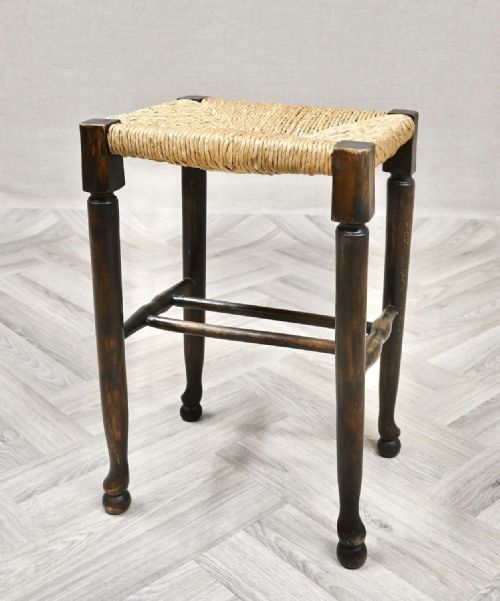
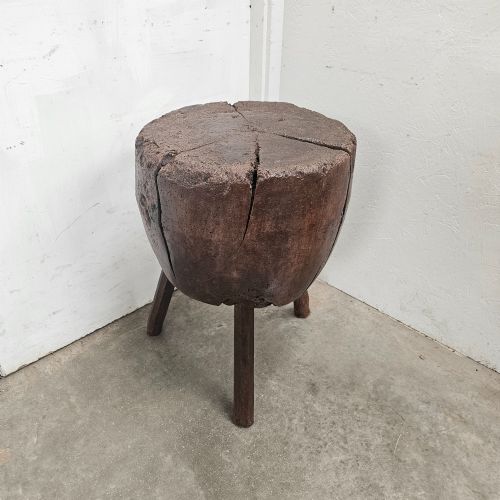
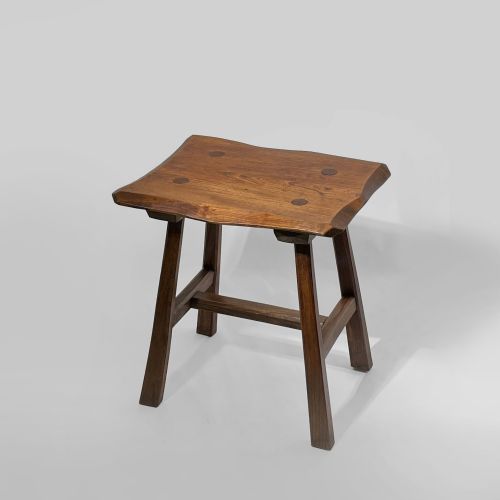
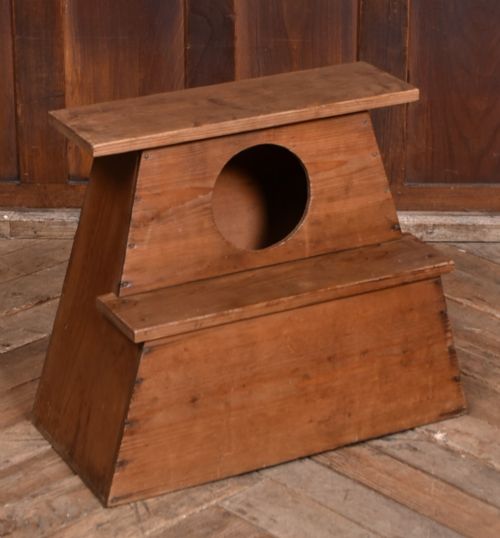
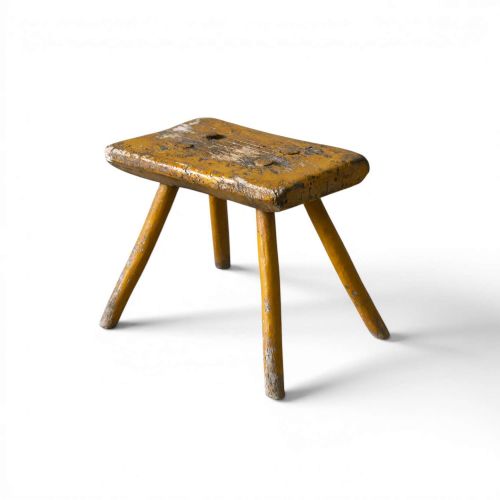
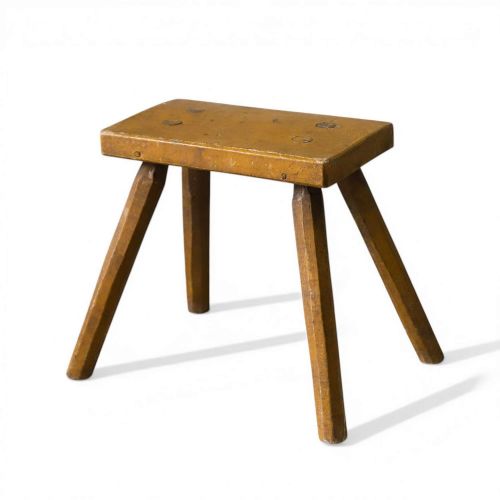
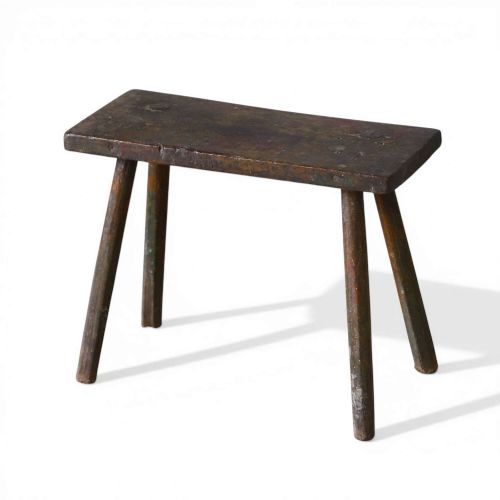
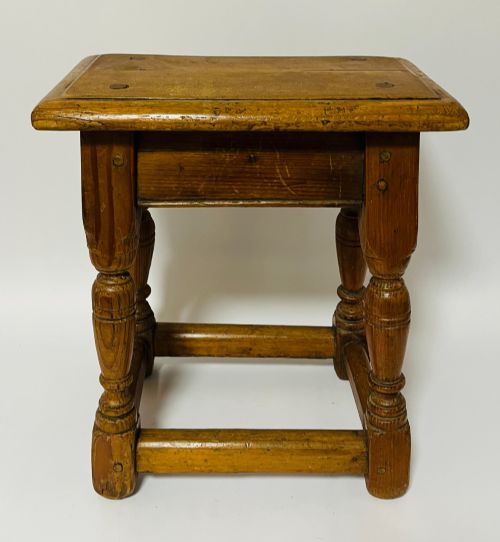
A rustic timber stool is a straightforward seat built for practical tasks around the house or farm, appearing here mainly in nineteenth-century forms. These pieces include Eastern European milking stools covered in original yellow paint, alongside English country windsor stools and diminutive vernacular seats with sculpted rounded tops.
Makers shaped these utilitarian objects from native woods using basic construction methods suited to everyday labour. Buyers encounter unusual single-leg milking designs as well as simple rustic farmhouse seats originating around eighteen hundred.
Materials and construction
Carpenters constructed each rustic timber stool using available solid woods such as oak, pine, elm, beech, and assorted hardwoods. These materials provided the structural strength needed for heavy daily use in farmyards and kitchens.
Makers sometimes finished surfaces with coloured paint, such as original yellow pigment, while others relied on the natural grain of the timber. Joinery methods remained simple and direct, prioritizing function over ornament.
Retail Price Guide 2026
Typical UK retail prices for rustic timber stool, calculated from the Sellingantiques database of over a million retail prices indexed since 2003. This retail price guide relies exclusively on Sellingantiques data; no external sources or auction records are used, so the figures do not describe the wider market.
Distinctions in quality
Quality in a rustic timber stool rests on the character of the timber and the degree of sculptural wear on the seat. Pieces featuring deeply dished tops and well-balanced legs display superior organic form compared to plain flat boards.
Survival of original surface treatments, such as early painted finishes, elevates certain examples above stripped or heavily restored pieces. The proportions and joinery integrity dictate how successfully a stool bridges its utilitarian past and modern interior use.
The Rustic Timber Stool Glossary
- Vernacular
- A style of object built by local craftsmen to meet everyday needs without academic design training. These pieces reflect regional traditions rather than high-fashion movements.
- Windsor
- A chair or stool construction method where legs and spindles are wedged directly into a solid thick seat. This technique creates a sturdy and resilient frame.
- Milking stool
- A low three-legged or single-legged seat designed for use by farm workers during milking chores. Their compact form allowed milkers to stay close to the animal.
- Hardwood
- Timber derived from broad-leaved deciduous trees such as oak, beech, and elm. These dense woods provided durable foundations for country furniture.
Frequently Asked Questions
How are rustic timber stools used today?
These stools serve as versatile side tables, plant stands, or minimalist seats in contemporary spaces. Their compact footprint allows them to fit easily beside chairs or in narrow hallways.
They also function effectively as display surfaces for ceramic vessels or lamps, bringing natural texture to an interior.
What woods were used for these stools?
Carpenters utilised local timbers including oak, pine, elm, beech, and various dense hardwoods. Selection depended on regional availability and the specific strength required for the seat or legs.
Paint was sometimes applied over the wood to protect the surface or brighten farmhouse interiors.
How do you date nineteenth century stools?
Dating relies on tool marks, construction methods, and the natural patina accumulated through decades of use. Nineteenth century pieces often show hand-adzed surfaces and traditional joinery.
Original paint remnants and timber oxidation further help determine the approximate age of country furniture.
What is a vernacular stool?
A vernacular stool is an unpretentious piece made by local artisans following regional building habits. These items prioritize utility over decorative ambition.
Their straightforward forms reveal the practical requirements of nineteenth century rural life.