


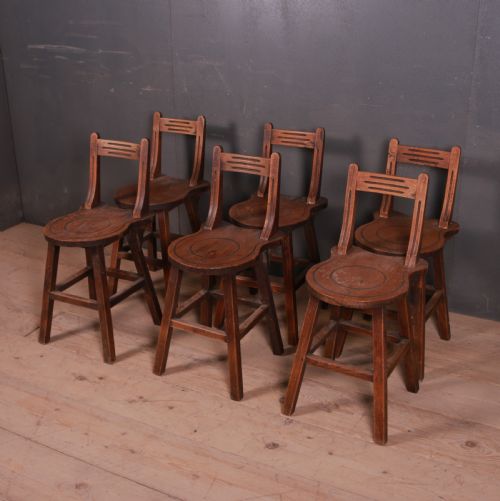
Splayed Leg Stool
A splayed leg stool is a sturdy seat built with outward-angled supports, prized for its rustic charm and exceptional stability.
Splayed Leg Stool
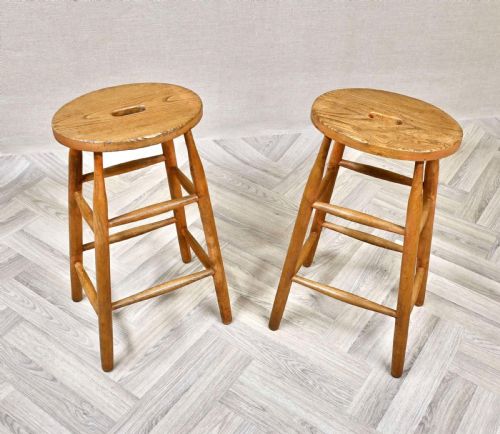
A splayed leg stool brings functional primitive seating into modern spaces, drawing on centuries of domestic and agricultural use. When you search for a splayed leg stool, you encounter pieces designed with outward-slanting supports for added balance on uneven floors. These forms range from kitchen stools and bar stools to low hearth benches and milking stools.
The pieces available span multiple periods, most notably the eighteenth and nineteenth centuries, alongside early twentieth-century examples. You find variations originating from domestic workshops and rural communities across Europe, encompassing French country, Swiss, and vernacular English styles.
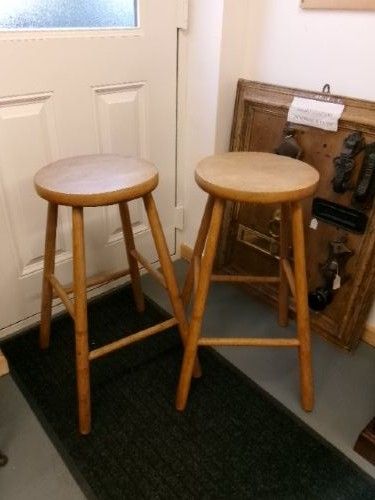
Object types stretch beyond simple round seats to include small pig benches, diminutive vernacular designs, and pairs of tall bar stools. The aesthetic remains resolutely utilitarian, showing the direct influence of regional rural traditions and simple workshop construction.
Materials and construction methods
These stools rely heavily on solid native timbers such as oak, elm, pine, and hardwood, often paired with iron for reinforcement. Carpenters selected durable woods capable of withstanding daily agricultural or domestic toil, frequently utilising whole logs for carved seats.
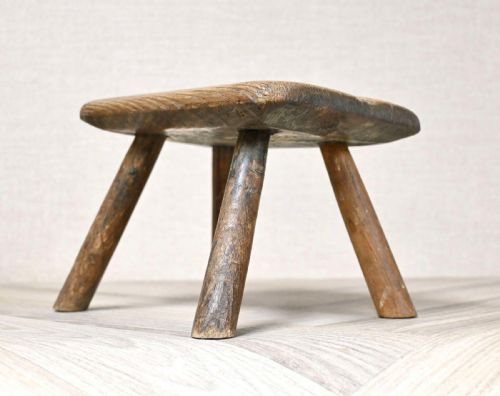
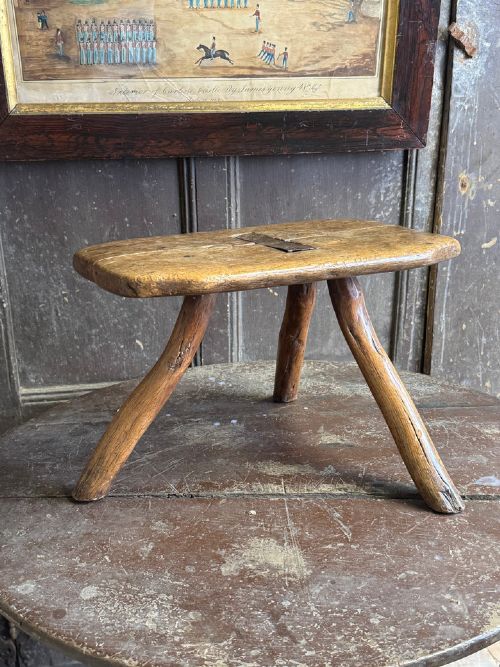
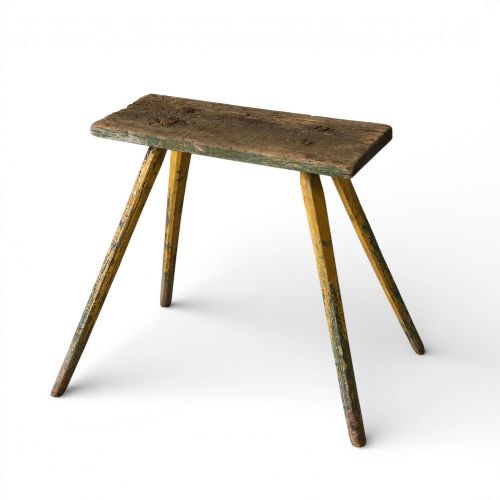
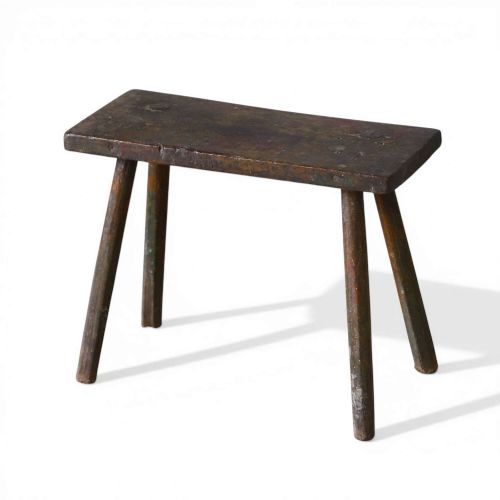
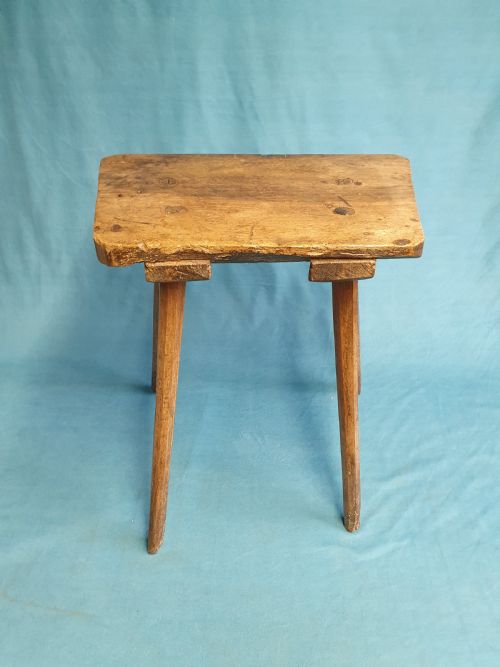
Legs are typically joined to the underside of the seat using through-tenons or simple wedged mortise joints, angled outward to create the characteristic splay. Surface treatments range from bare timber exposed to decades of wear to remnants of original paint finishes in green or dark tones.
Splayed Leg Stool Retail Price Guide 2026
Typical asking prices for splayed leg stool among the pieces listed under this phrase on Sellingantiques today, from the lower quarter to the upper quarter. They describe what is for sale here now, not the wider market.
Listings feature pieces spanning from the eighteenth century through to the 1940s, constructed in oak, elm, pine, and walnut.
Factors that distinguish quality
The integrity of the timber and the honesty of past repairs define the standing of a piece. Original blacksmith repairs and untouched surface patinas add historical depth, whereas unsympathetic modern replacements diminish the character.
Proportion and seat shaping dictate visual success, separating utilitarian seating from finer examples of folk art. Sculpted rounded tops and balanced splayed angles demonstrate greater care by the maker than purely functional workshop output.
The Splayed Leg Stool Glossary
- Splayed legs
- Support members angled outward from the centre of the seat to provide a wider, more stable footprint. This technique prevents tipping on uneven farmhouse floors.
- Vernacular
- Objects designed and built by local tradesmen using regional materials rather than following high-style academic architectural or furniture patterns. These pieces reflect local practical needs.
- Pig bench
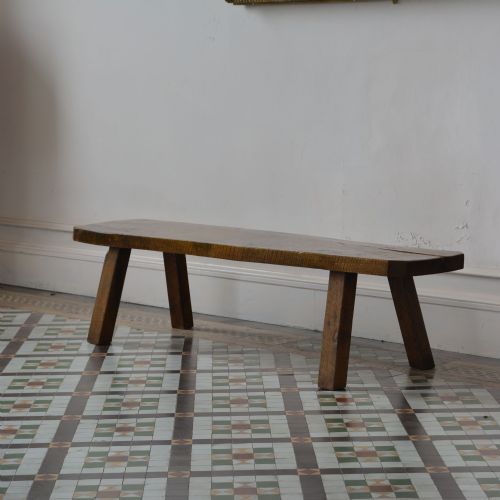
- A low, sturdy wooden bench historically used in agricultural settings for butchery or general farm tasks. Their low profile and robust construction suit modern utility seating.
- Milking stool
- A small, portable three-legged or four-legged seat traditionally used by agricultural workers tending livestock. They feature simple seats pegged directly into splayed undercarriages.
- Patina
- The surface sheen and colour acquired by wood and paint through decades of handling, exposure, and cleaning. It serves as a visual record of age and use.
Splayed Leg Stool: Frequently Asked Questions
What is a splayed leg stool used for?
These stools served practical roles in dairies, kitchens, and hearths where stability on irregular flagstone floors mattered most. Today, their compact footprint makes them useful as side tables, plant stands, or occasional seats.
Their robust construction allows them to handle daily domestic use just as they did in past centuries.
How do I date an old stool?
Dating relies on examining tool marks, timber shrinkage, joint construction, and any surviving surface finishes. Eighteenth-century examples often display hand-adzed seats and pegged joinery that differ from later industrial methods.
Comparing the wear patterns and wood species to documented examples helps narrow down the period of manufacture.
Are these stools comfortable to sit on?
Many feature sculpted or dished wooden seats carved to fit the body, offering surprising support for short periods. However, they were built for utility rather than lounging.
Their primary virtue lies in their sculptural presence and historical character rather than ergonomic cushioning.
How do I care for antique wood?
Keep wooden stools away from direct heat sources and drastic humidity changes to prevent the timber from splitting. Feed dry surfaces occasionally with a mild wax to preserve the patina.
Avoid harsh chemical cleaners that can strip away original paint or historic surface finishes.