


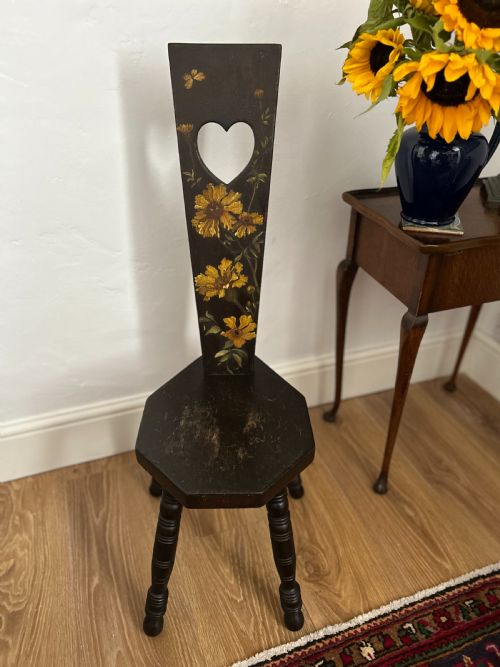


Hand Carved Stool
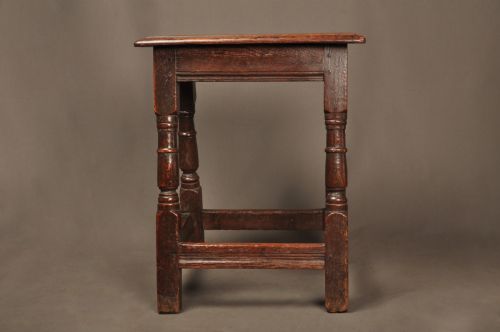
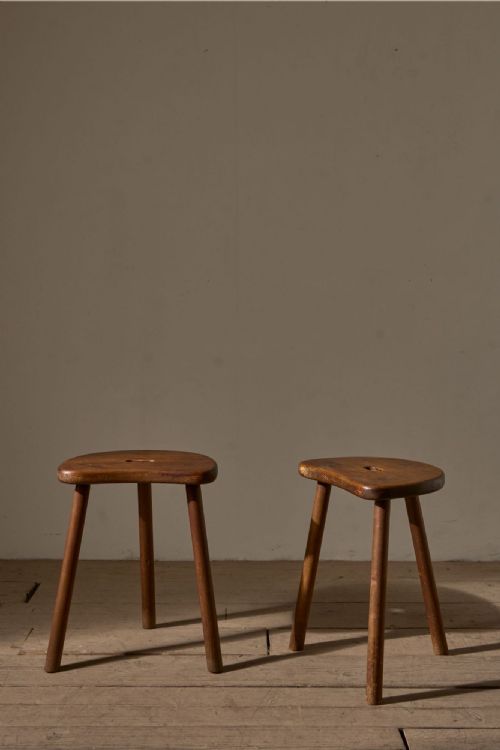
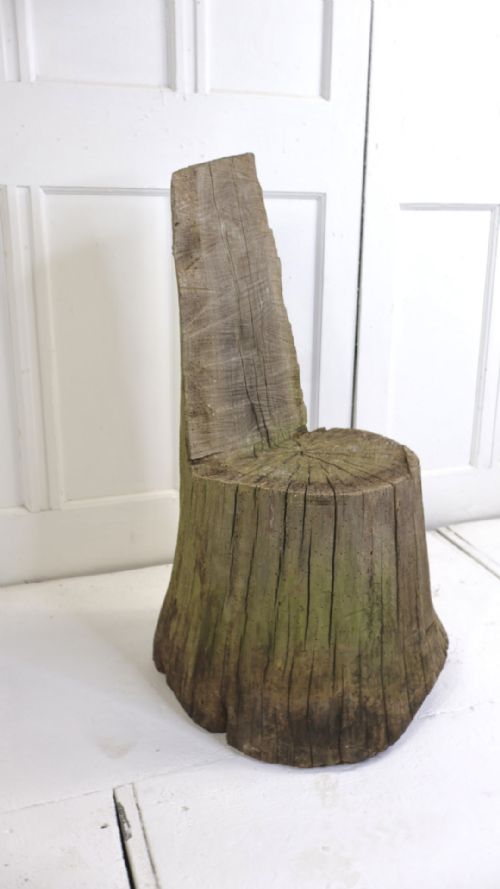
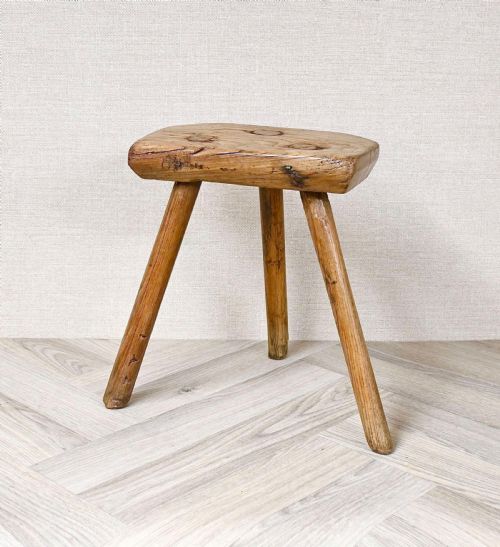
These hand carved stool examples bring tactile timber character into a room, shaped by hands across the nineteenth and early twentieth centuries.
What a hand carved stool is
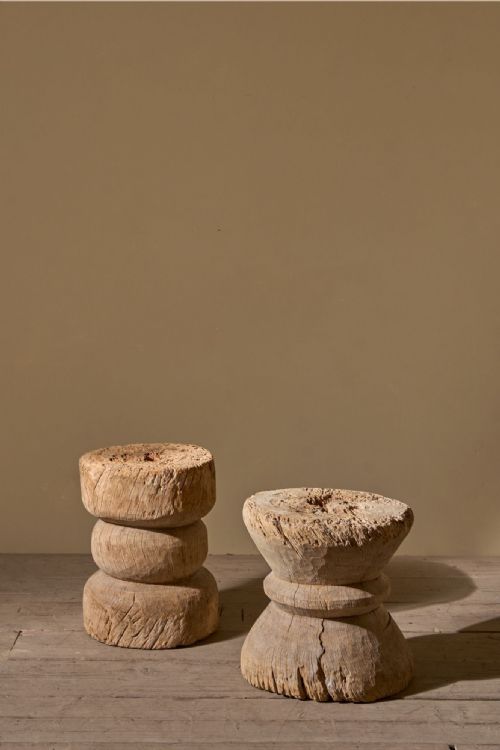
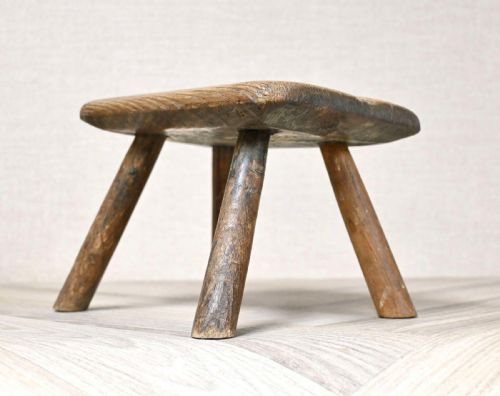
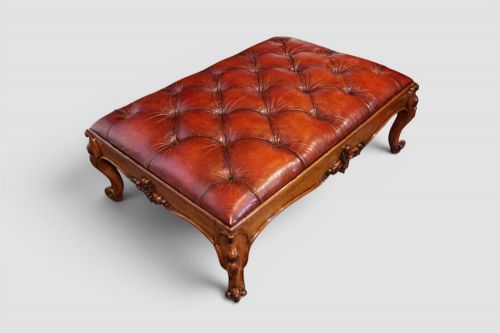
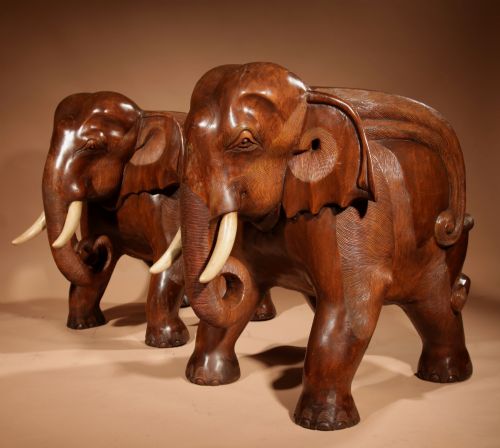
The selections on this page span the nineteenth and early twentieth centuries, drawing on vernacular, rustic, Arts and Crafts, and Anglo-Indian traditions. Examples range from simple three-legged milking seats to intricately carved teak and oak variations.
Makers shaped these objects from elm, oak, teak, rosewood, and solid timber, sometimes incorporating bark or fabric. Each piece reflects the functional requirements of its period, whether used in a workshop or a domestic interior.
How they were made
Carpenters and artisans shaped these items using solid timber such as elm, oak, teak, and rosewood, often retaining natural elements like bark. The construction relies on traditional joining and carving techniques executed by hand.
Makers utilised hand tools to carve deep details into the wood, creating surfaces with distinct chisel and gouge marks. Structural support came from sturdy three-leg configurations or four-leg frames built for daily utility.
Retail Price Guide 2026
Typical UK retail prices for hand carved stool, calculated from the Sellingantiques database of over a million retail prices indexed since 2003. This retail price guide relies exclusively on Sellingantiques data; no external sources or auction records are used, so the figures do not describe the wider market.
What varies in quality
Quality rests in the depth and precision of the hand carving, alongside the choice of timber and the integrity of the joinery. Denser woods like oak and teak support sharper detail work than softer materials.
The sophistication of the design dictates the tier of the piece, moving from straightforward utilitarian milking seats to elaborate Arts and Crafts or Anglo-Indian carved models. Retaining original surfaces and structural elements elevates the standing of an item.
The Hand Carved Stool Glossary
- Vernacular
- Everyday objects made by local craftsmen for practical use rather than high artistic movements. These items prioritise function and local material availability.
- Milking stool
- A low three-legged seat traditionally used by agricultural workers for milking livestock. The three legs provide stability on uneven ground.
- Solid timber
- Wood used in its natural state rather than manufactured boards or veneers. This ensures structural strength and allows for deep hand carving.
- Arts and Crafts
- A design movement valuing traditional craftsmanship and simple forms over industrial mass production. Pieces from this period often display visible handwork.
Frequently Asked Questions
How were these stools used?
These pieces served practical roles in workshops, dairies, and domestic rooms, functioning as seats for workers or household members.
Over time, many transitioned from utilitarian workshop items to decorative furniture displayed within living spaces.
What woods were used?
Makers constructed these items from solid timber including elm, oak, teak, and rosewood, depending on regional availability and the intended function.
Some examples also incorporate natural bark edges or fabric components to finish the seat.
How do I date a piece?
Dating relies on identifying the style, such as Arts and Crafts or primitive vernacular, alongside the tool marks left by the maker.
Material choice and construction methods also offer clear indicators of the era in which the timber was shaped.
How do I live with them?
These items fit easily into modern rooms as side tables, plant stands, or occasional seats that add textural warmth.
Keep them away from direct heat sources to protect the historic timber and preserve the hand-carved surfaces.