
Antique Carved Ottoman
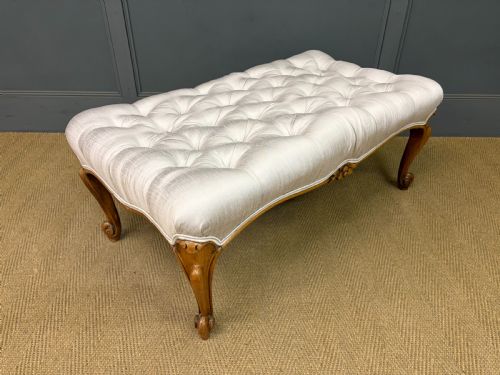
These antique carved ottoman pieces bring firm timber frames, low seats and soft upholstery together for everyday resting.
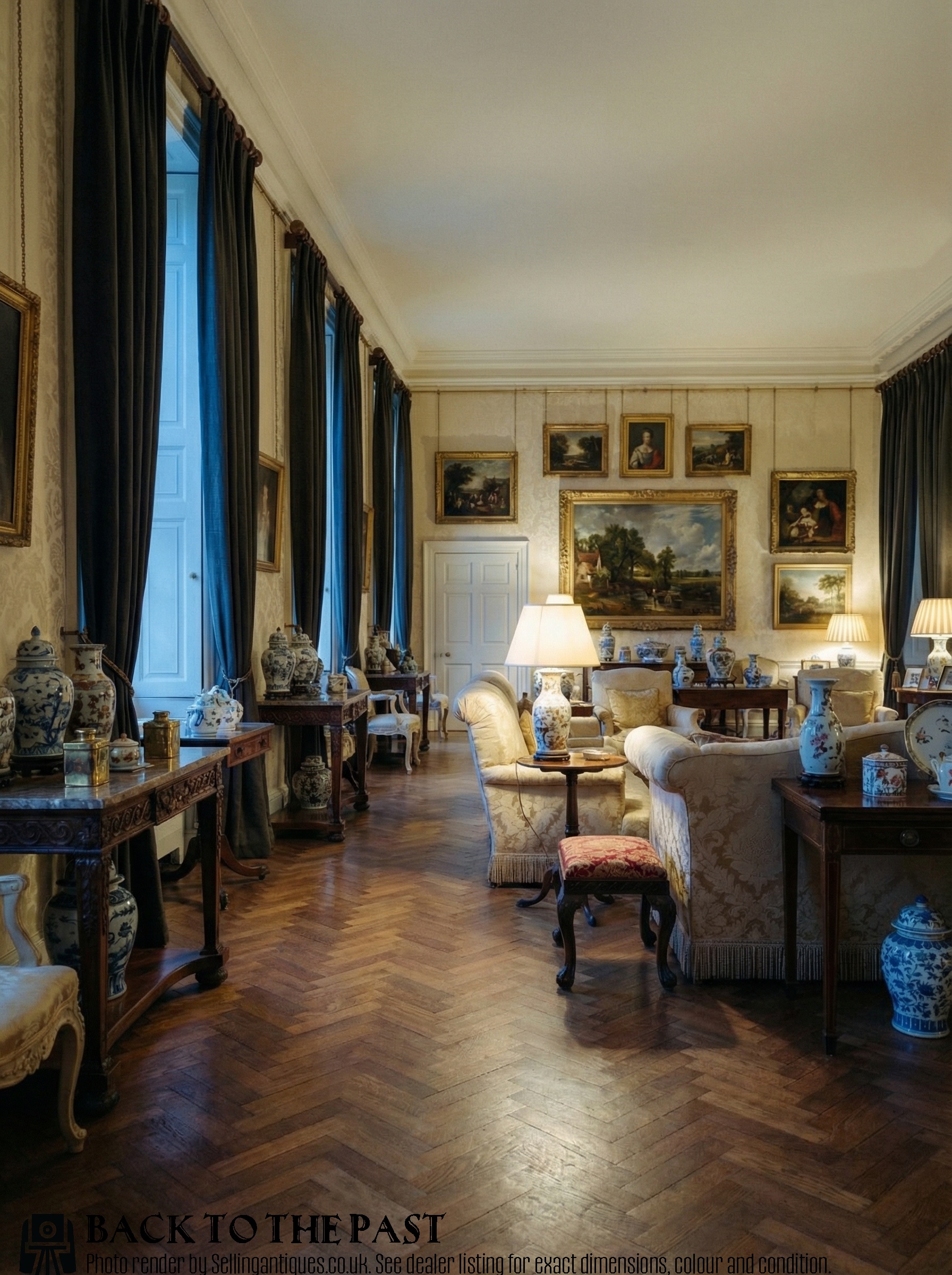
Antique Carved Ottoman
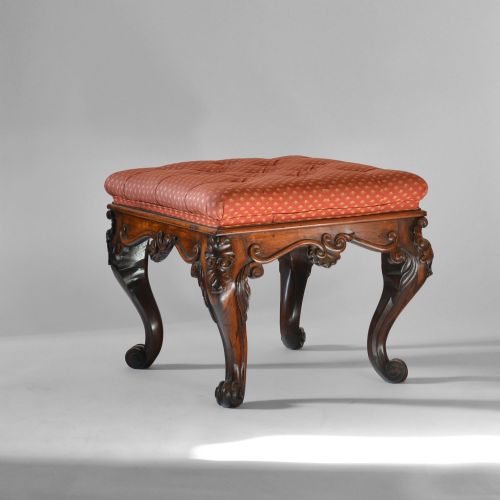
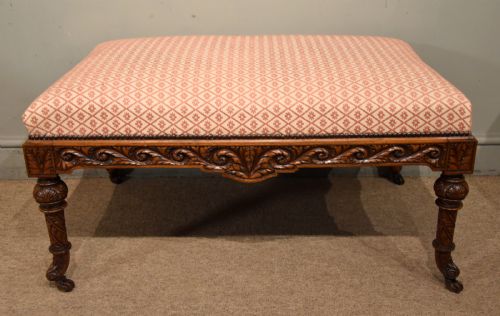
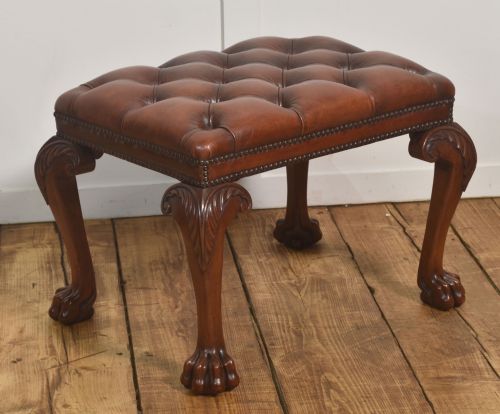
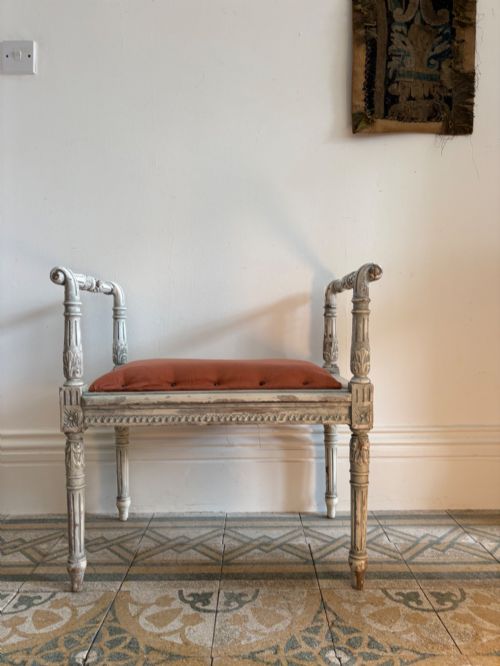
When you search for an antique carved ottoman, you are looking at low seating forms designed for the foot or the parlour, spanning the nineteenth century and the early twentieth century.
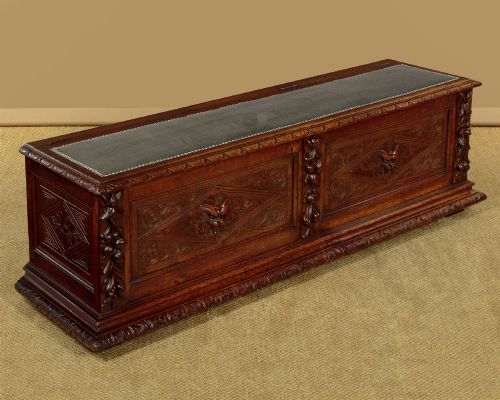
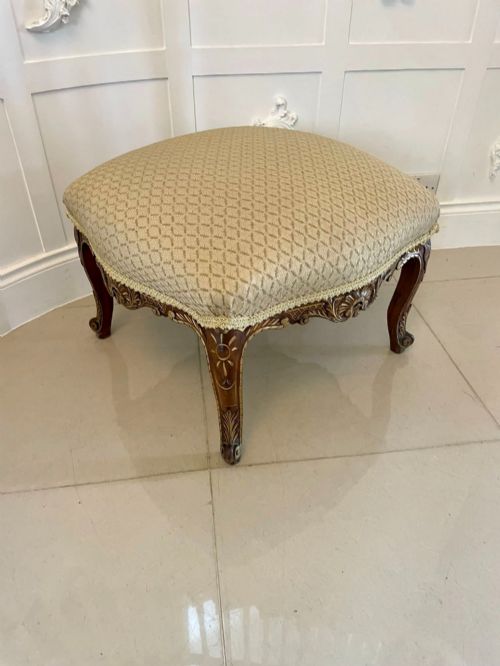
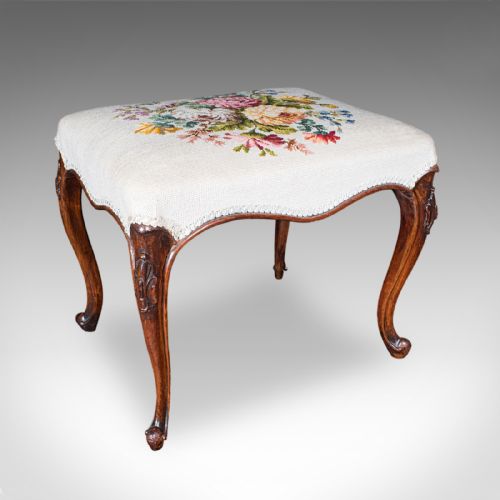
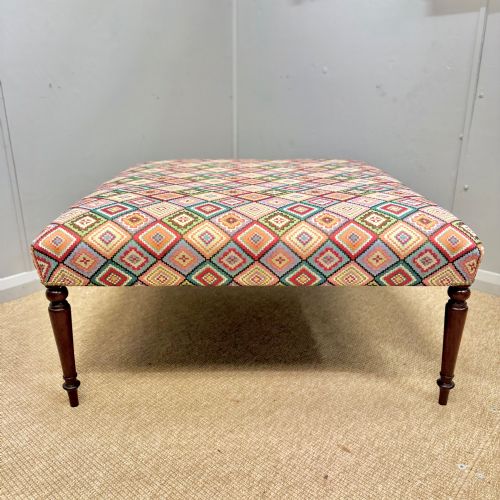
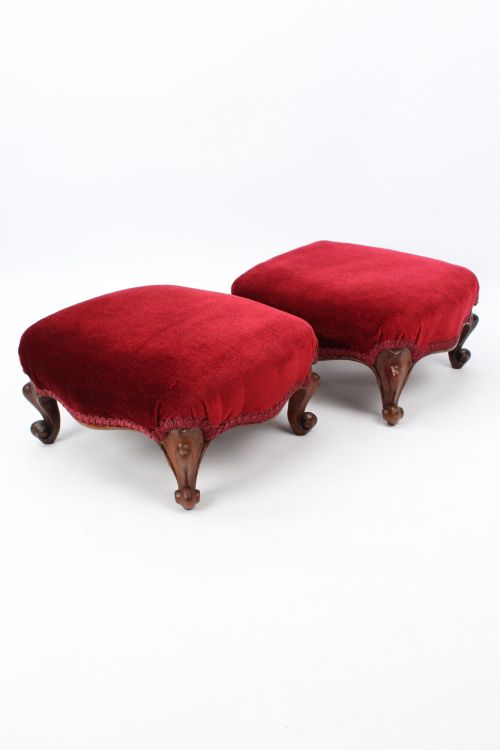
The pieces appearing on this page range from walnut and mahogany footstools to box seats, dressing stools and occasional tables.
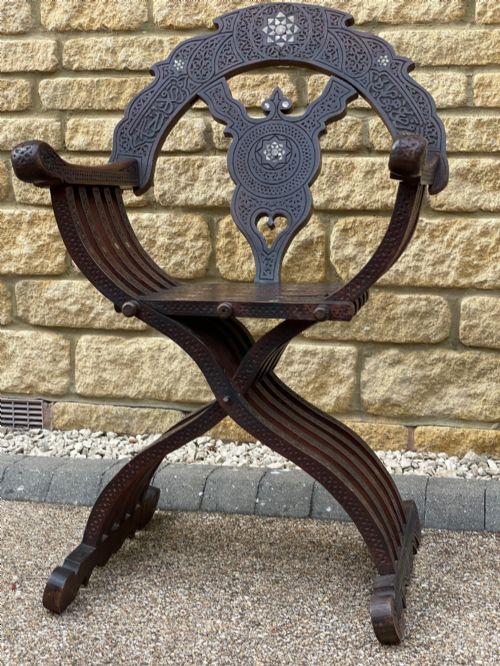
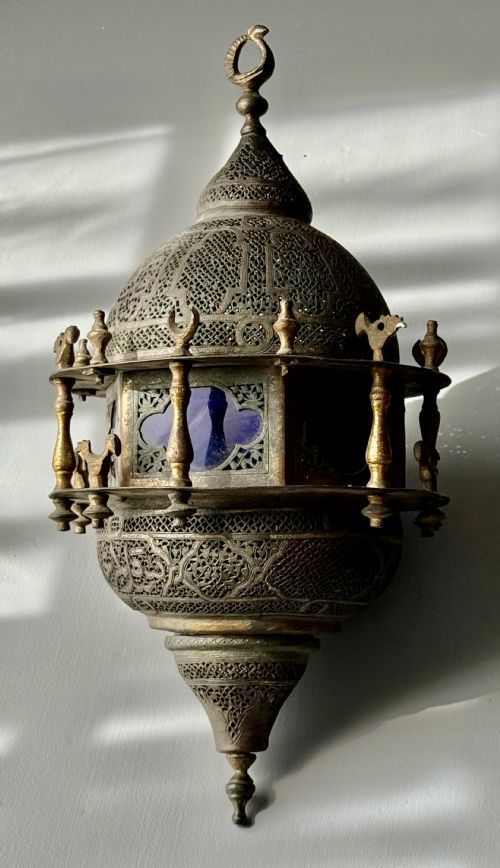
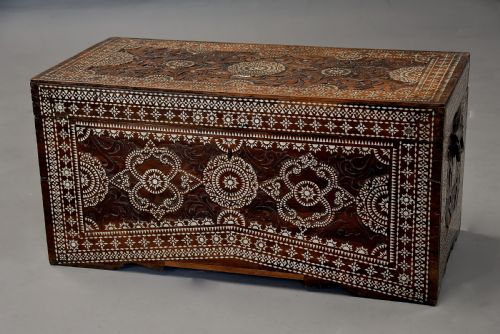
Victorian and Regency examples form the core of the selection, accompanied by occasional Middle Eastern and Syrian variants inlaid with mother of pearl.
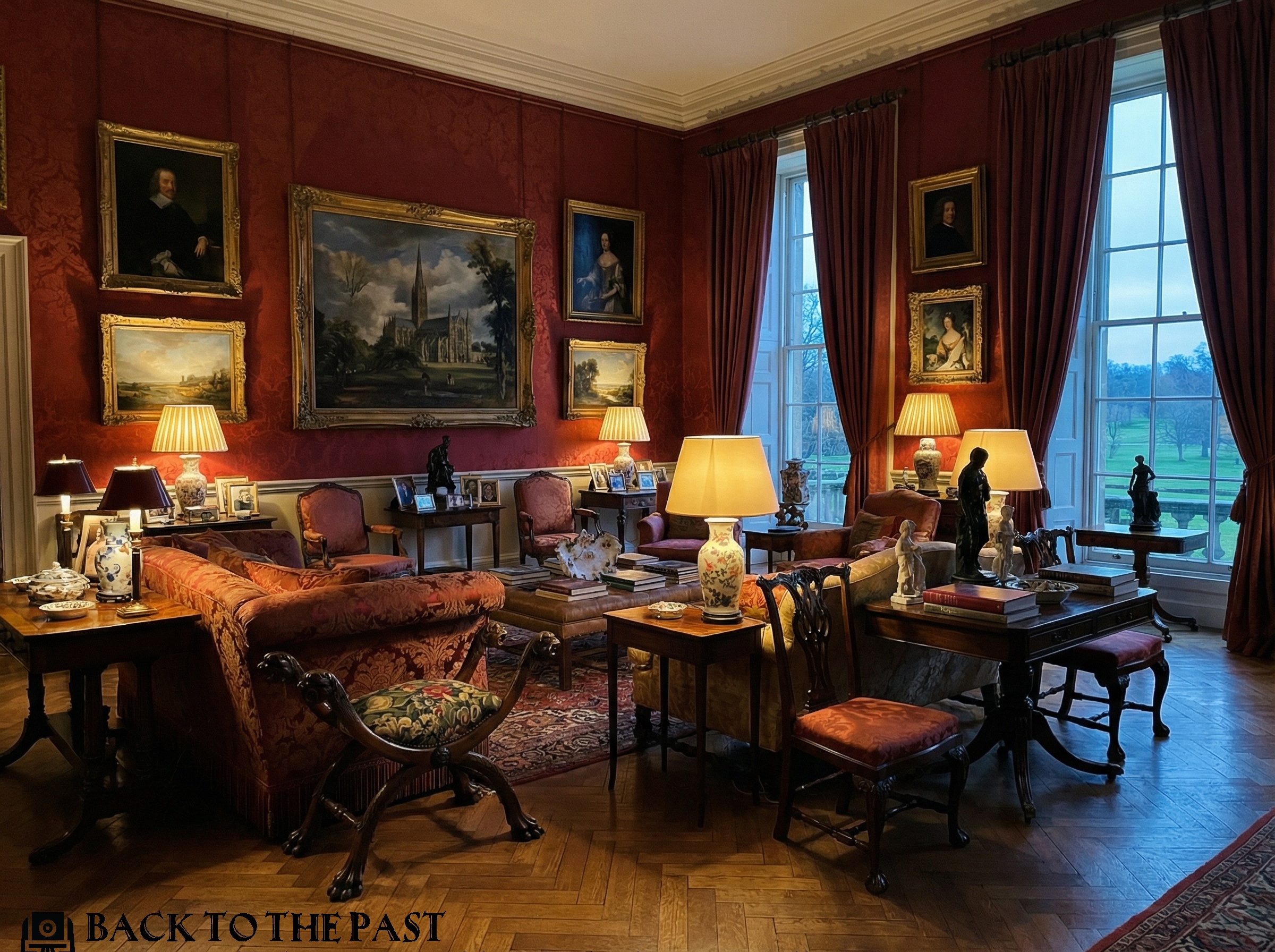
Materials and Construction
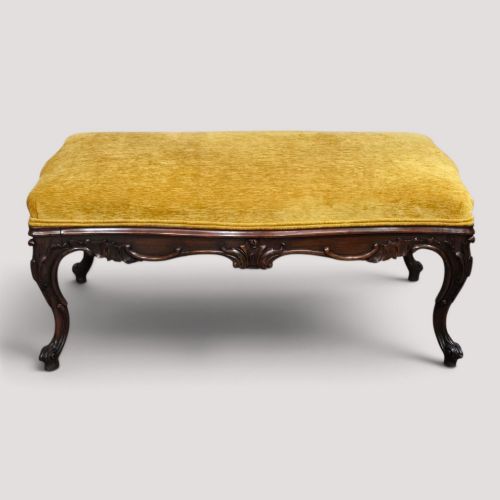
Makers shaped these pieces from solid hardwoods like walnut, rosewood and mahogany, often applying detailed hand carving to the wooden frames and legs.
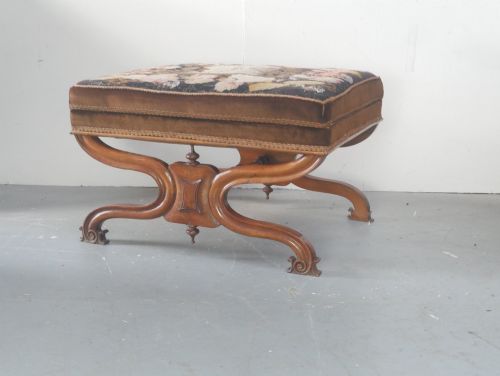
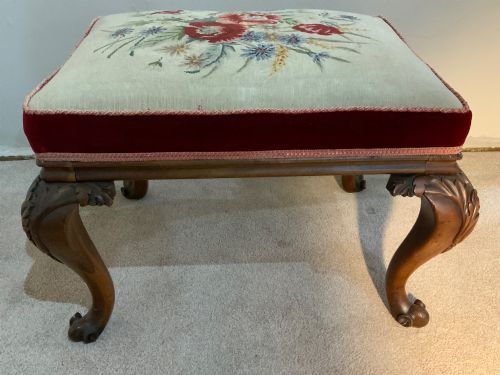
Upholstered sections rely on traditional textiles including velvet, silk, needlepoint and leather, frequently secured with brass detailing or buttoning.
Certain Middle Eastern and Syrian forms incorporate intricate geometric woodwork combined with inlaid mother of pearl panels.
Listings span multiple decades from the Regency era through to the early twentieth century, utilising walnut, mahogany, rosewood and brass.
Craft and Distinction
Quality rests in the crispness of the timber carving and the architectural proportion of the frame, separating standard production from finer cabinet work.
The integrity of the original wood grain and the harmony of the upholstery choice dictate the distinction between ordinary seating and exceptional examples.
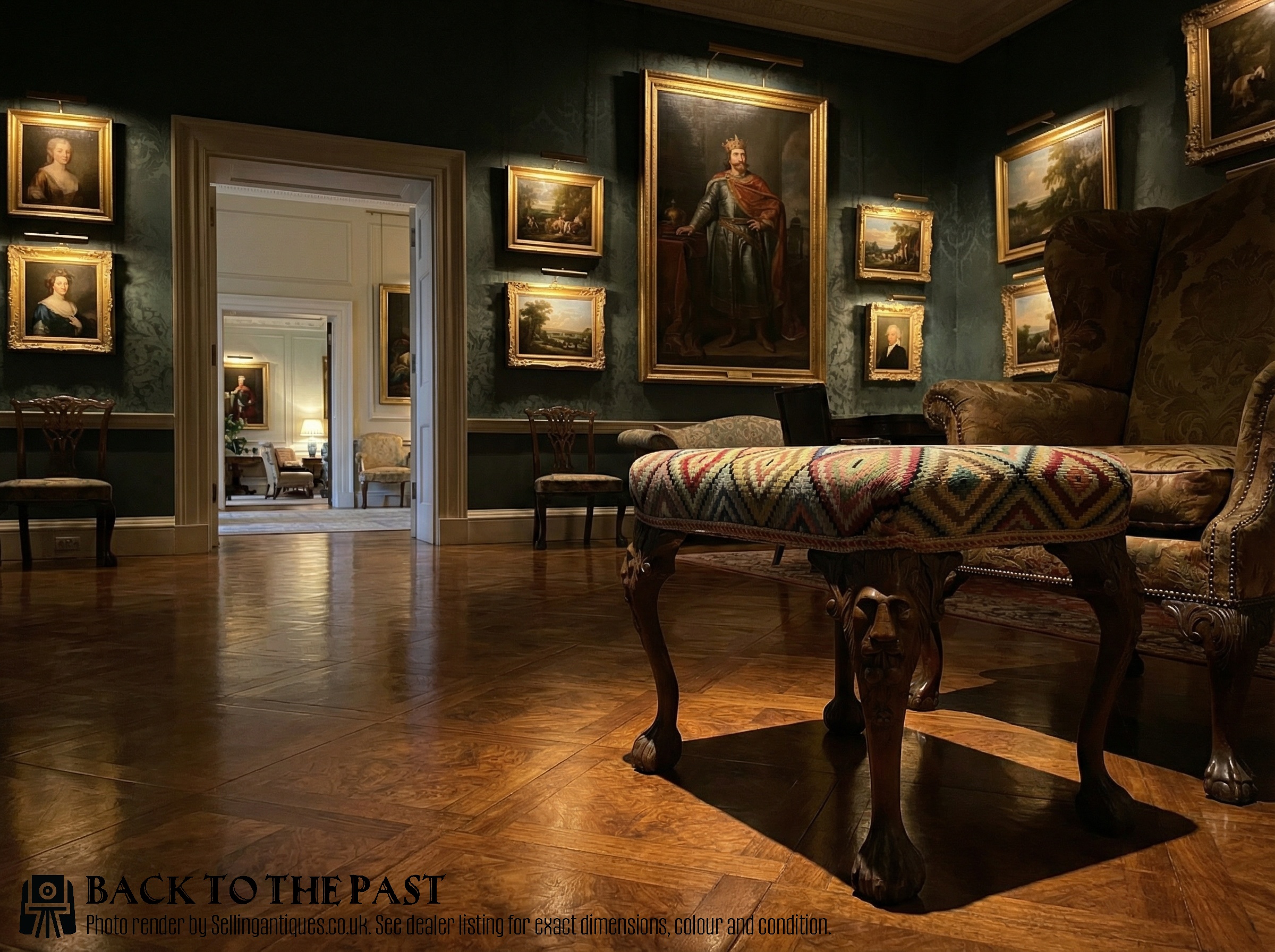
Miles & Edwards
The Antique Carved Ottoman Glossary
- Cabriole leg
- A furniture leg that curves outward at the knee and tapers inward to an ankle, common on walnut seating from the Victorian period.
- Needlepoint
- A type of canvas work embroidery used historically to cover the tops of fireside footstools and dressing seats.
- Regency
- A style period spanning the early nineteenth century defined by classical restraint and dark imported timbers such as rosewood.
- Sarcophagus
- A box-like furniture form with sloping sides resembling a stone coffin, sometimes seen in nineteenth-century ottoman designs.
- Cross stretcher
- Wooden or metal bracing members intersecting diagonally between the legs of a stool or table to add structural stability.
Antique Carved Ottoman: Frequently Asked Questions
What is an antique ottoman used for?
These low seats served as footstools before armchairs, dressing table seats or small decorative resting places in nineteenth-century rooms.
Today they function flexibly as low coffee tables, fireside seating or accent pieces in living spaces.
How do I identify a Victorian stool?
Victorian pieces frequently feature dark timbers such as walnut or rosewood paired with turned legs, cabriole supports or buttoned upholstery.
Many examples also incorporate needlepoint covers or elaborate wood carving reflecting mid-to-late nineteenth-century tastes.
Are these pieces made from solid wood?
The frames rely on solid hardwoods like mahogany, walnut and oak to support the weight of daily seating and upholstery.
Exotic pieces may incorporate secondary woods beneath decorative mother of pearl inlay work.
How should I care for an antique stool?
Keep wooden frames nourished with appropriate furniture wax and protect fabric upholstery from direct sunlight to prevent fading.
Avoid placing damp items directly onto antique leather or delicate silk seat surfaces.