




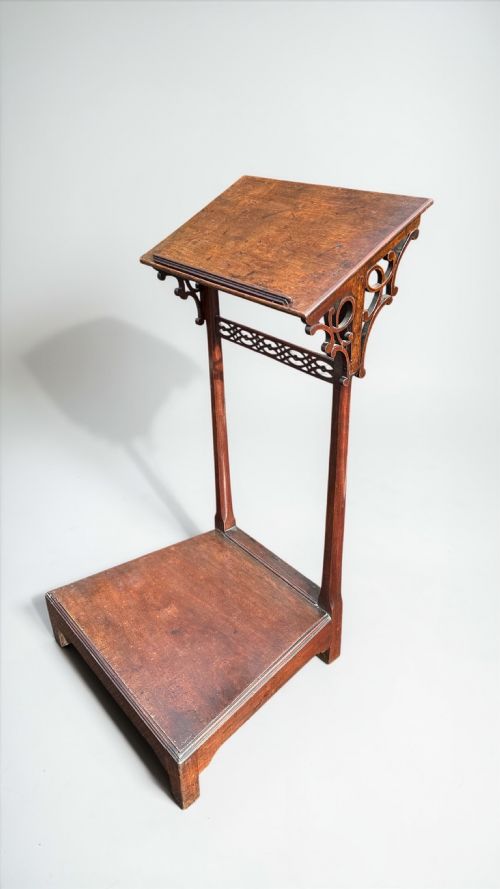


Gothic Revival Stool
These gothic revival stool examples bring serious architectural presence and nineteenth-century craftsmanship into a modern interior.
Gothic Revival Stool
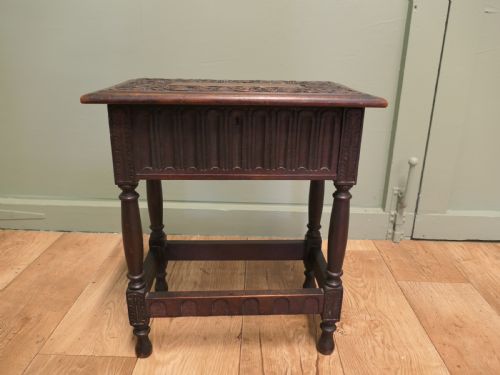
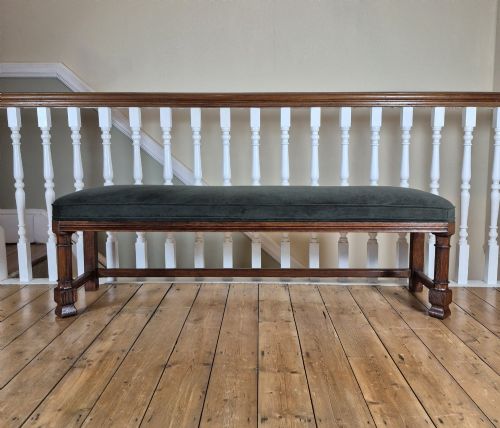
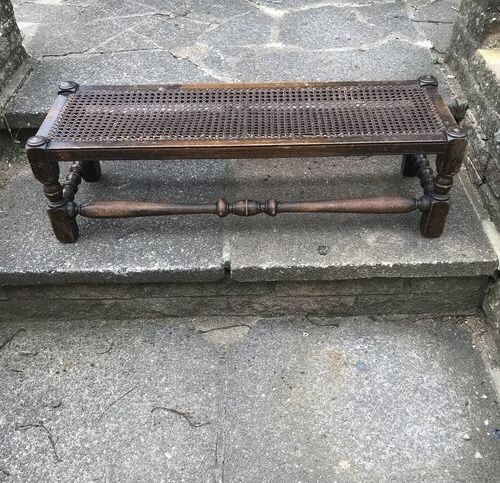
A gothic revival stool combines medieval architectural motifs with nineteenth-century seating forms, taking shape as low footstools, long window seats, and prayer benches. You will frequently encounter nineteenth-century oak examples featuring trefoil carvings and sturdy turned legs.
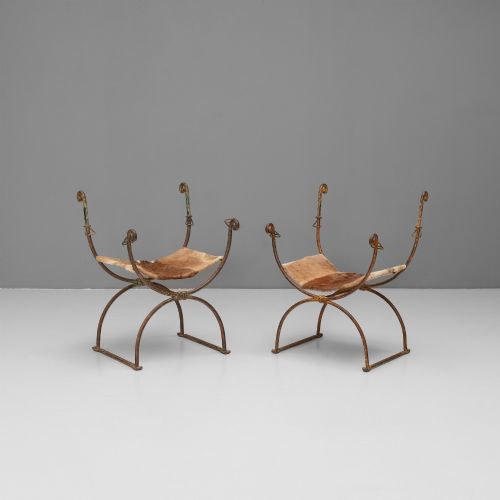
Makers drew heavily on church architecture, producing heavy boarded forms and X-framed seating that echo stone tracery and pointed arches. These pieces function as versatile accent seats or window benches in period and contemporary rooms alike.
How they were made
Carpenters relied primarily on solid oak and walnut, shaping timber with deep relief carving, pegged joints, and occasional ebonised finishes. Many examples incorporate textured upholstery such as velvet, leather, and woven fabric fastened with brass tacks.
Structural elements frequently include turned supports, framed stretchers, and X-frame configurations designed to distribute weight beneath heavy seating surfaces.
Gothic Revival Stool Retail Price Guide 2026
Typical asking prices for gothic revival stool among the pieces listed under this phrase on Sellingantiques today, from the lower quarter to the upper quarter. They describe what is for sale here now, not the wider market.
Listings feature nineteenth-century oak and walnut alongside occasional ebonised wood, velvet, and leather upholstery.
What varies in quality
Quality rests on the crispness of the architectural carving and the selection of timber, where burr elm or dense figured oak elevates a basic frame. Superior examples display careful joinery and well-proportioned tracery that mimics stone masonry rather than appearing heavy or crude.
The integrity of the original wood finish and the authenticity of period upholstery materials differentiate standard commercial seating from exceptional cabinet work.
The Gothic Revival Stool Glossary
- Gothic Revival
- An architectural and decorative style that revived medieval forms, pointed arches, and ecclesiastical motifs during the nineteenth century. This movement dominated much of the furniture design seen across church and domestic commissions.
- Prie Dieu
- A low devotional chair or prayer stool equipped with a narrow shelf for kneeling and resting elbows. These pieces frequently feature high carved backs and upholstered cushions.
- X-Framed
- A structural form utilising crossed stretchers or legs to support a central seat, often associated with curule or scissors chairs. This design provides both rigidity and visual lightness.
- Tracery
- Openwork stonework patterns translated into wood carving, commonly featuring trefoils, quatrefoils, and pointed arches. It serves as the primary ornamental vocabulary for medieval and revival furniture.
Gothic Revival Stool: Frequently Asked Questions
Where should I place a gothic revival stool?
These pieces sit comfortably as window seats, low footstools, or freestanding accent pieces in hallways and studies where solid timber adds immediate character.
Their architectural silhouettes work particularly well beneath tall windows or paired beside heavy side tables.
How do I care for antique oak furniture?
Keep wooden surfaces away from direct heat sources and sudden humidity shifts to prevent timber splitting or joint separation.
Apply traditional beeswax occasionally to nourish the grain without building up a heavy artificial gloss.
Are these stools suitable for daily seating?
Solid timber construction and sturdy pegged joinery make these pieces robust enough for regular use in most domestic settings.
Upholstered variants benefit from checking internal webbing and padding to ensure long-term comfort.
How do I identify the period of a gothic revival stool?
Examine the tooling marks, timber patination, and construction methods beneath the seat to distinguish nineteenth-century production from later revivals.
Original hardware, hand-cut screws, and traditional joinery point directly to the height of the Victorian revival movement.