

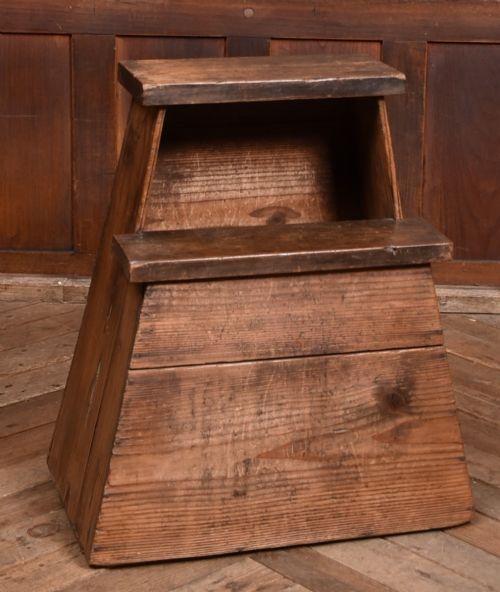


Antique Wooden Step Stool
These antique wooden step stool pieces offer sturdy utility and honest craftsmanship, combining practical elevation with period character for any interior.
What an antique wooden step stool is
When you search for an antique wooden step stool, you encounter practical items designed for reaching high shelves or domestic tasks. These pieces range from simple hearth seating to multi-tiered climbing aids.
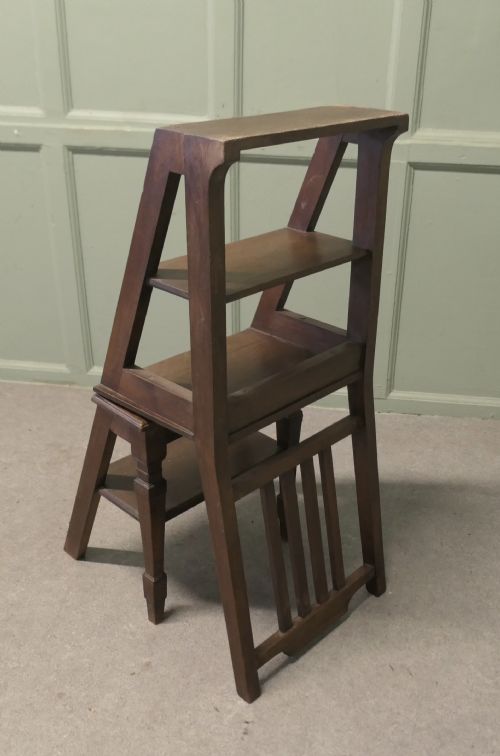
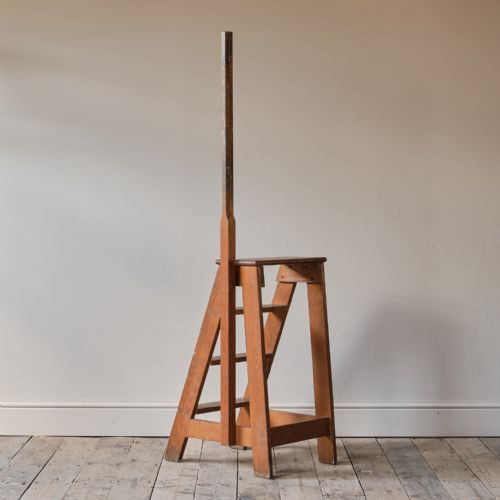
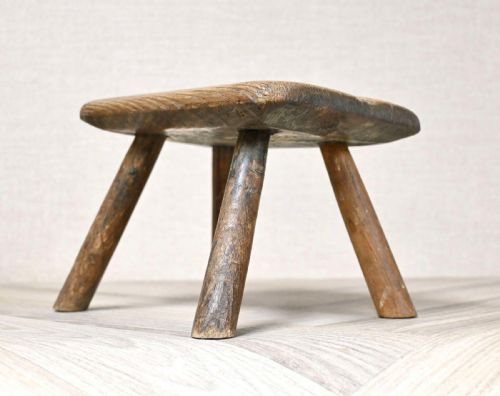
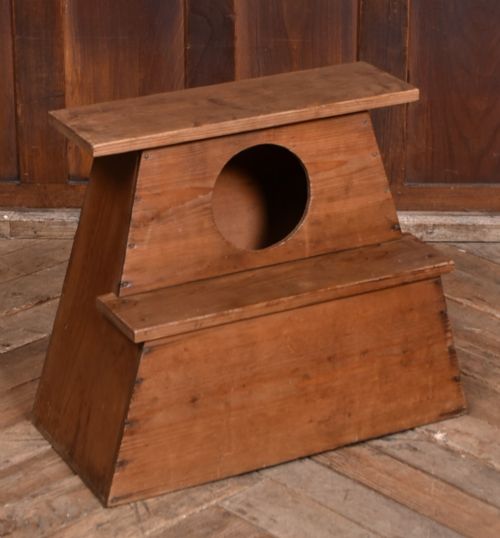
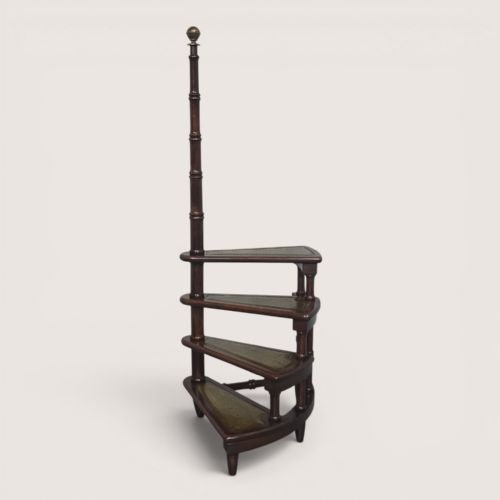
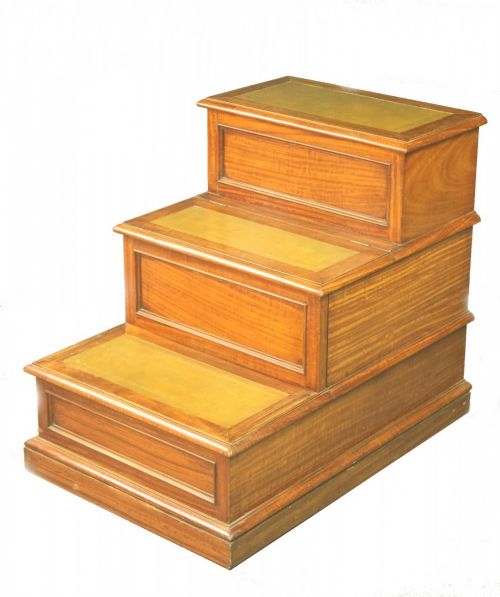
The selections on this page bridge domestic utility and seating, including library chairs with integrated steps and primitive country stools. Most examples date from the nineteenth century alongside eighteenth-century hearth items and later 1920s designs.
Origins span rustic country workshops and Gothic Revival aesthetics, showing how utilitarian objects received careful design attention. Buyers find items that serve as compact seats or functional household ladders.
Materials and construction
Maker workshops relied on solid hardwoods like oak, elm, and beech, ensuring the high weight-bearing strength required for step furniture. Selected timbers provided dense grain structures that resisted splitting under repeated climbing pressure.
Hardware elements incorporate iron for structural reinforcement, hinges, and pivoting steps, while occasional pieces feature leather upholstery for comfort. Joinery techniques prioritize stability and durability over decorative flourishes.
Retail Price Guide 2026
Typical UK retail prices for wooden step stool, calculated from the Sellingantiques database of over a million retail prices indexed since 2003. This retail price guide relies exclusively on Sellingantiques data; no external sources or auction records are used, so the figures do not describe the wider market.
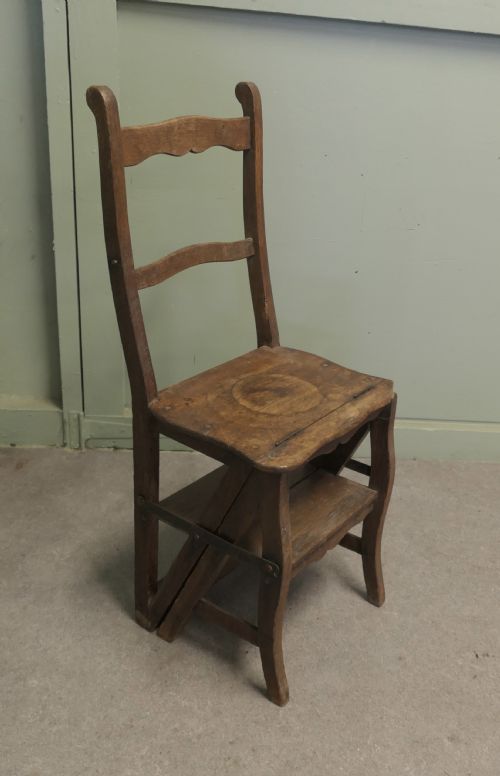
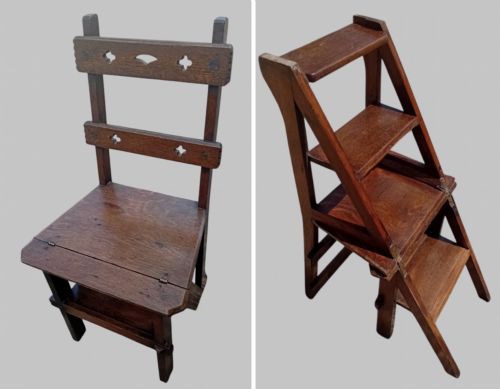
Some library chairs hide their climbing steps inside the seat frame like a wooden transformer.
Judging quality
Superior examples demonstrate thoughtful integration between the climbing mechanism and the primary seat or frame, particularly in complex library chair conversions. Lesser quality is apparent where moving joints feel loose or replacement fixings compromise the original timber integrity.
The choice of dense primary timbers like solid oak or elm elevates a piece above softer woods, reflecting better material selection by the maker. Surface patination achieved through decades of handling creates depth that newly applied finishes cannot replicate.
The Antique Wooden Step Stool Glossary
- Library steps
- A set of portable steps designed for reaching upper bookshelves in a private study or library. These often incorporate folding mechanisms or double as chairs.
- Hearth stool
- A low seat positioned near a fireplace for warmth, frequently repurposed for domestic elevation tasks. These items typically feature robust wooden construction.
- Gothic Revival
- An architectural and decorative style drawing inspiration from medieval design. This aesthetic appears in pointed arches and heavy timber detailing on nineteenth-century pieces.
- Primitive country
- A descriptor for utilitarian items made by regional joiners without academic styling. These pieces emphasise functional honesty over refined cabinetmaking techniques.
Frequently Asked Questions
How were these steps used originally?
These items provided domestic access to high shelves, tall cupboards, and library bookcases before fitted domestic ladders became common.
Many designs doubled as low seating near hearths or study desks when not extended for climbing.
Can I still use these for climbing?
Most antique wooden step stool examples retain their structural integrity and support weight safely if joints remain tight.
Buyers should inspect the timber condition and iron fixings carefully before standing on older steps.
How do I identify a 19th-century piece?
Nineteenth-century items often display Gothic Revival or rustic country styling combined with heavier oak or elm construction.
Tool marks and iron hardware types provide additional clues regarding the manufacturing era.
What is a library chair step?
A library chair step is a dual-purpose furniture form that transforms from an armchair into a set of steps.
These clever mechanical pieces were popular in large studies for reaching high volumes.