
Vintage Wooden Steps
Vintage wooden steps bring solid utility and handsome period character to a room, ranging from grand library ascents to humble folding stools.
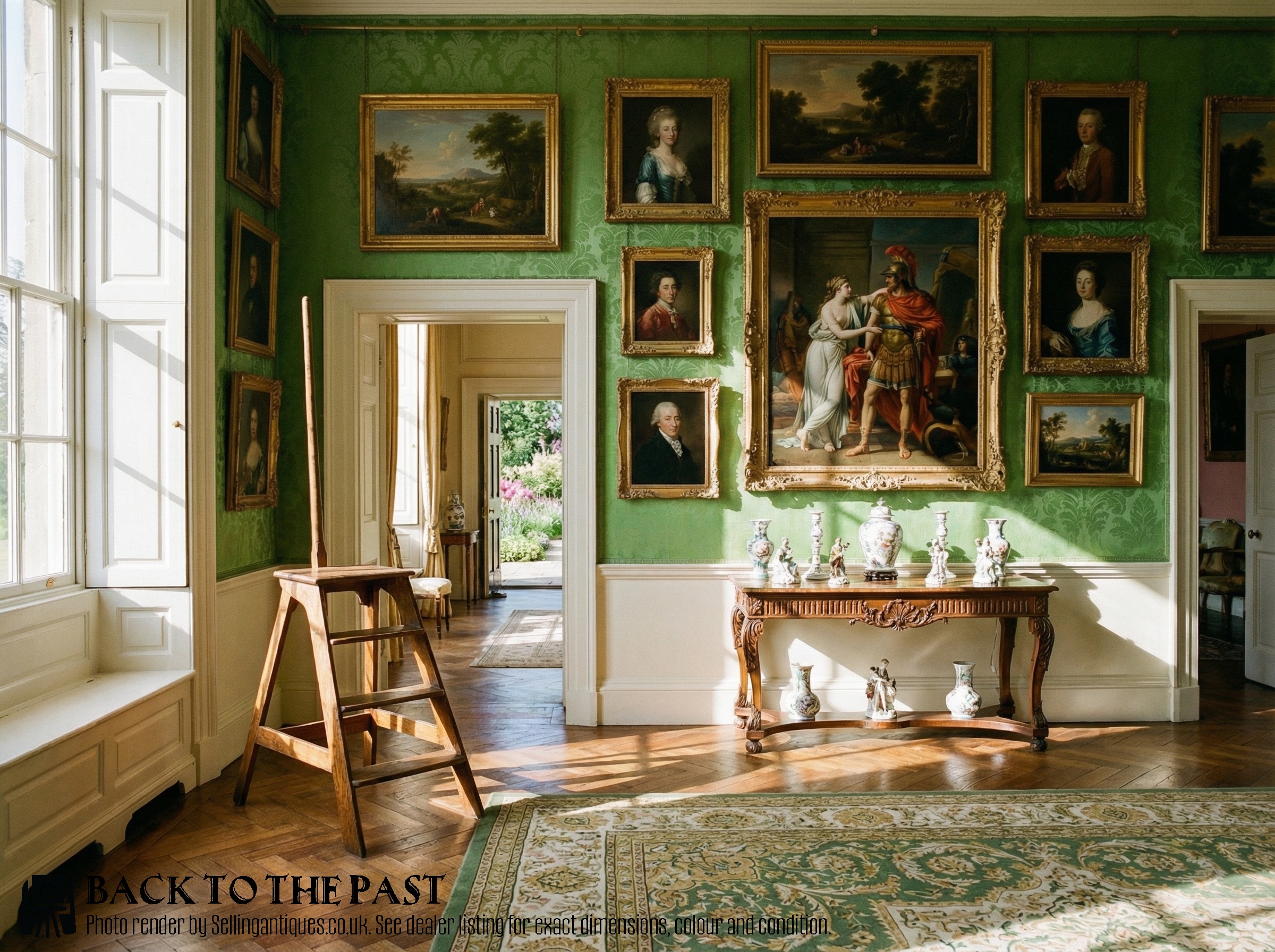
Vintage Wooden Steps
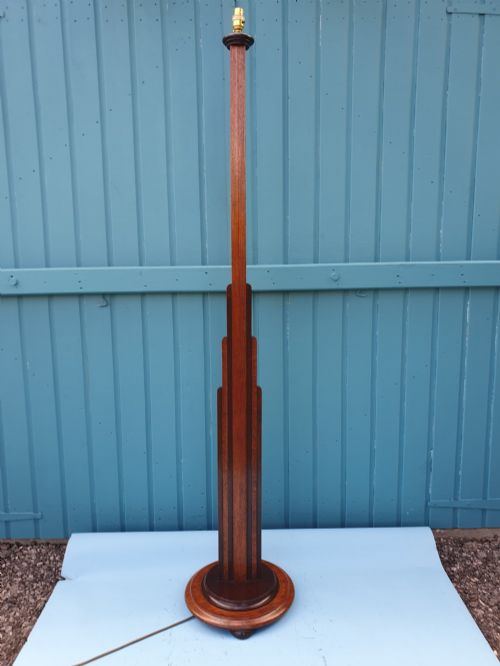
Vintage wooden steps encompass practical ascents designed for libraries, domestic spaces, and trade use across several centuries. When you search for vintage wooden steps, you encounter items spanning the Georgian, Victorian, Edwardian, and Art Deco eras, alongside nineteenth-century utility pieces.
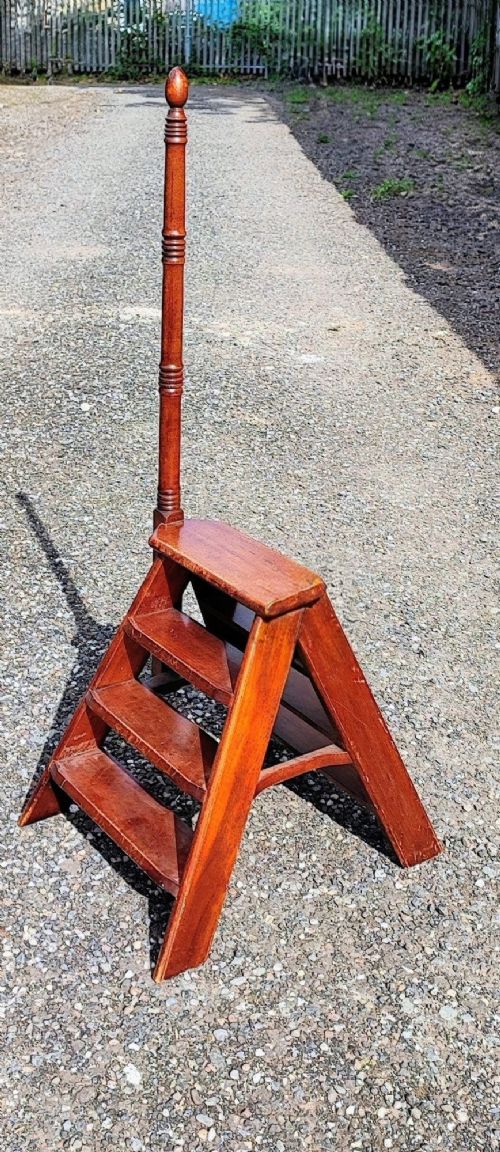
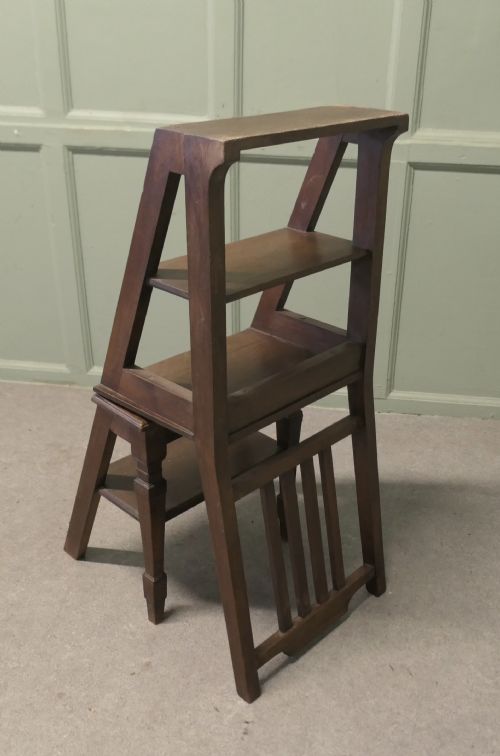
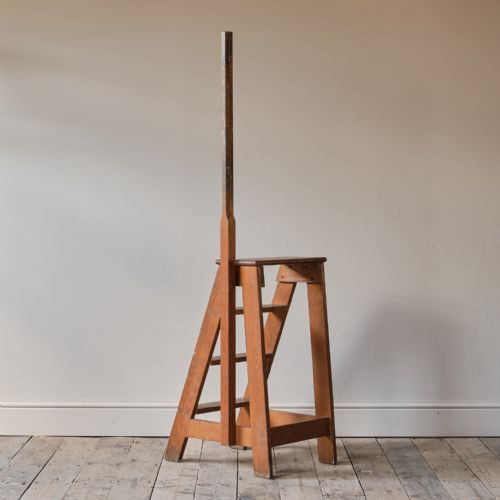
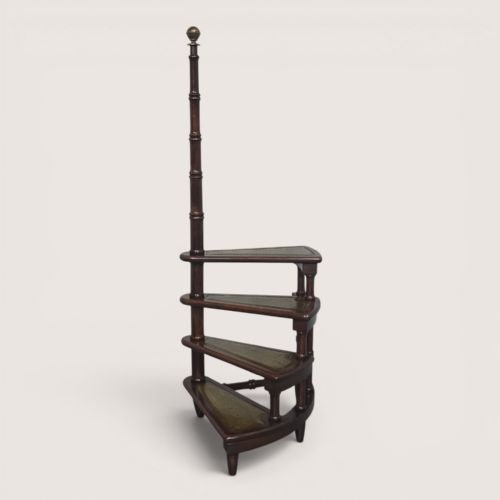
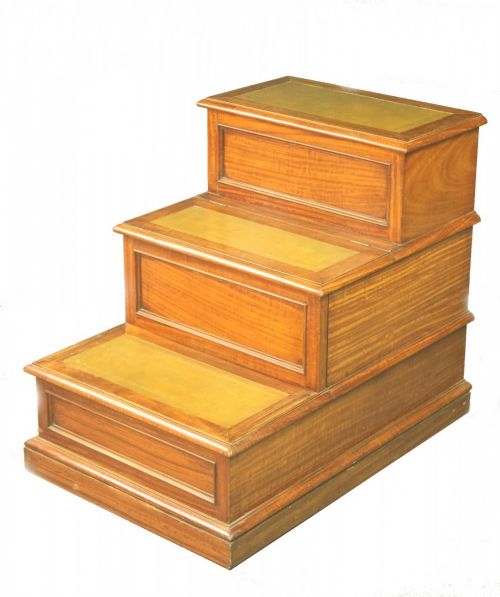
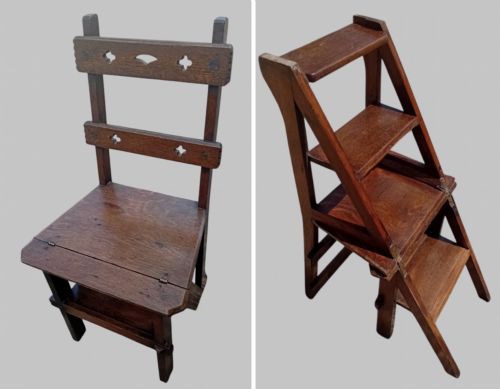
The library ladder or flight of library steps forms the most prominent group among these listings, often constructed in mahogany, oak, or satinwood. Many feature leather-topped treads, whilst metamorphic examples cleverly transform from steps into chairs.
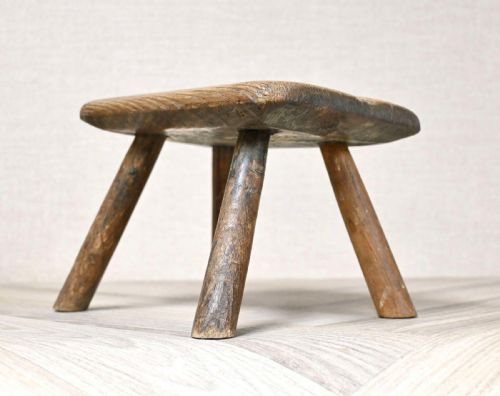
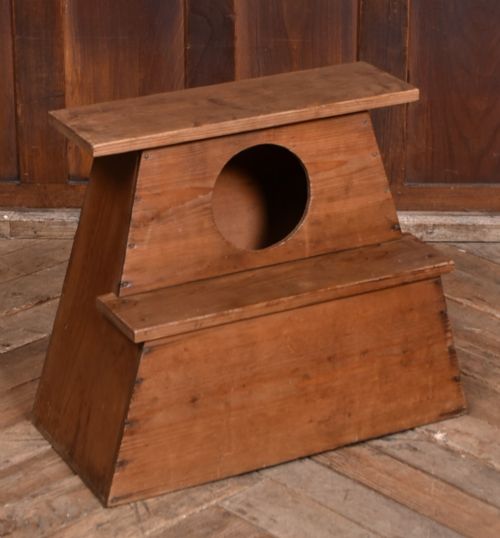
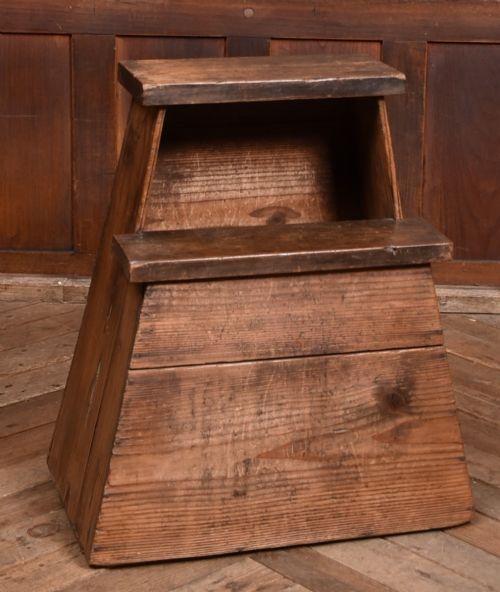
Beyond the library, the selection includes pine epicerie steps, folding frames from the mid-nineteenth century, and railway steps. Stools and step stools from Japanese folk art traditions also appear, offering low-level utility in wood.
How they were made
Cabinet makers utilised dense hardwoods such as mahogany, oak, walnut, and satinwood for finer library steps, ensuring structural integrity for heavy daily climbing. Softer timbers like pine appear on utilitarian trade and grocery steps intended for robust commercial service.
Metal fittings such as brass hinges, rods, and fixings support the folding and metamorphic actions found in nineteenth and early twentieth-century designs. Inset leather panels, frequently gold-tooled, provide durable traction on the upper treads of formal library pieces.
Vintage Wooden Steps Retail Price Guide 2026
Typical asking prices for vintage wooden steps among the pieces listed under this phrase on Sellingantiques today, from the lower quarter to the upper quarter. They describe what is for sale here now, not the wider market.
What varies in quality
The sophistication of the joinery and the selection of timber dictate the standing of a piece, from simple nailed pine frames to finely dovetailed mahogany library flights. Finer items display careful timber selection, such as figured walnut or rich mahogany grain, whilst utilitarian pieces rely on honest, straightforward construction.
Clever mechanical design elevates metamorphic examples, where hinges and pivots must operate smoothly to transform a chair into a secure ladder. The survival of original leather treads and brass hardware further distinguishes standard utilitarian stairs from bespoke library appointments.
The Vintage Wooden Steps Glossary
- Metamorphic
- Furniture designed to transform into another functional form, such as a chair that unfolds into a ladder. This dual purpose was especially popular in nineteenth-century libraries.
- Tread
- The horizontal surface of a step upon which the foot rests. In finer library examples, treads are frequently inset with coloured leather.
- Epicerie
- French term relating to grocery stores, describing utilitarian shop shelving or stepped display fixtures constructed from pine. These pieces served a purely commercial function.
- A-frame
- A structural configuration forming a triangular shape that provides stable freestanding support without needing wall attachment. Georgian library steps often utilised this sturdy format.
Vintage Wooden Steps: Frequently Asked Questions
How do I date vintage wooden steps?
Dating relies on timber choice, construction methods, and stylistic cues present in the piece. Georgian and Regency examples often feature hand-cut dovetails and dense mahogany, whilst Victorian and Edwardian items introduce machine-sawn elements and distinct hardware.
Catalogued pieces span the eighteenth century through to the Art Deco period of the 1930s. Comparing the joinery and any accompanying brass fixtures to known period furniture helps narrow the manufacturing era.
Can I use these steps safely today?
Most vintage steps retain their structural soundness, particularly hardwood library flights built to bear substantial weight. However, their load-bearing capacity depends entirely on the condition of the wooden joints and any folding brass mechanisms.
Checking the tightness of fixings and the stability of the treads ensures safe daily use. Many buyers utilise them for both functional climbing and decorative display.
What woods were used for library steps?
Cabinet makers predominantly selected dense, durable hardwoods for library steps to withstand regular weight-bearing use. Mahogany, oak, walnut, and satinwood appear frequently across the listed periods.
Softer woods like pine are typically reserved for utility items, shop displays, and trade chests. Leather inserts and brass accents were often added to the hardwood treads for grip and decoration.