




Antique Bed Steps
Antique bed steps are clever pieces designed to reach high sleeping quarters, combining practical function with fine cabinetmaking.
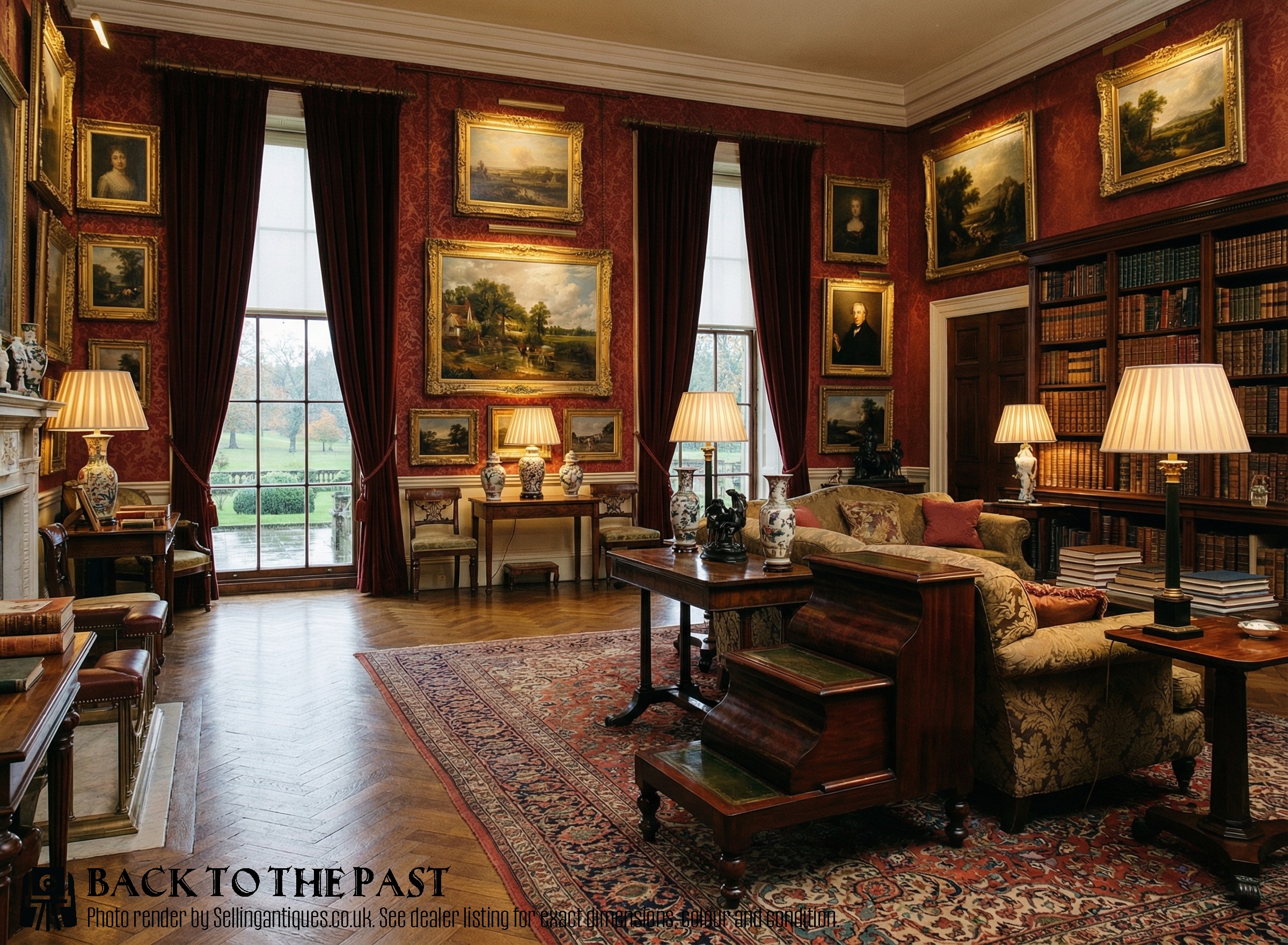
Antique Bed Steps
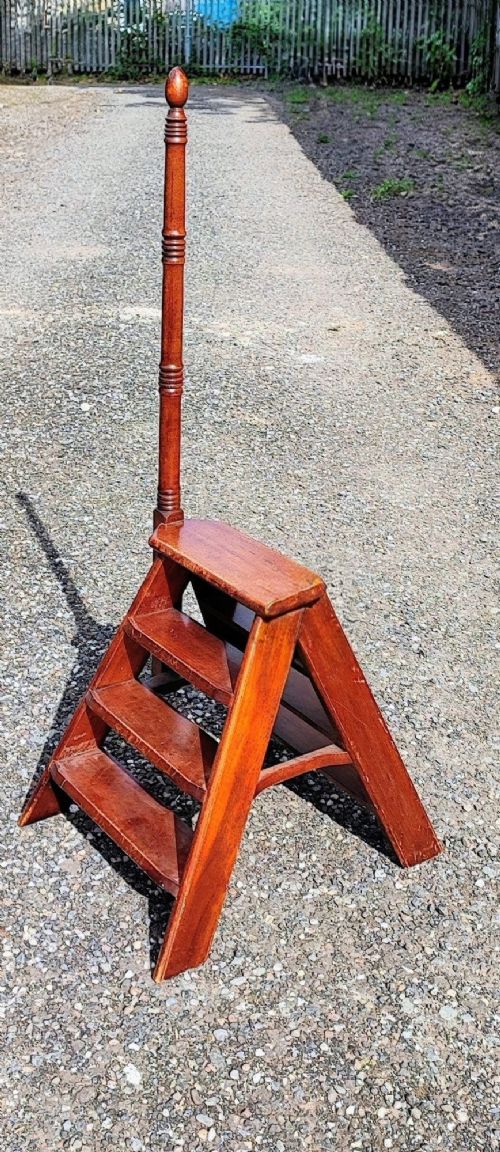
Antique bed steps are tiered flights built to help users climb into high period beds, often doubling as commodes or housing clever storage within their frames. You will encounter them in various forms, including dedicated small flights and larger library steps that serve the same domestic purpose.
The pieces appearing in this category span the Georgian, Regency, and Victorian eras, alongside later nineteenth and twentieth-century examples. Mahogany remains the most frequent wood you will see, shaped into compact flights designed for the bedroom.
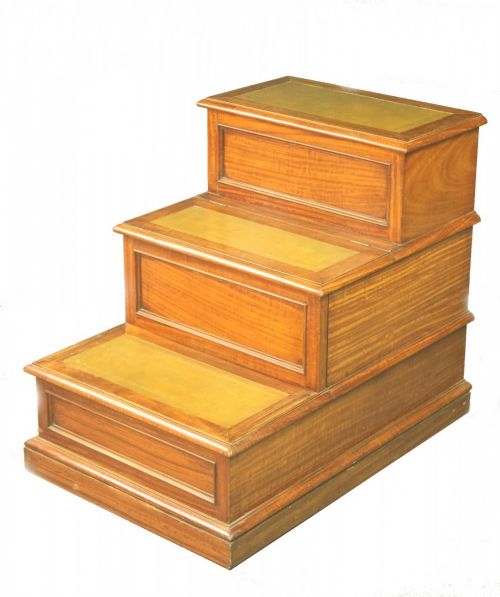
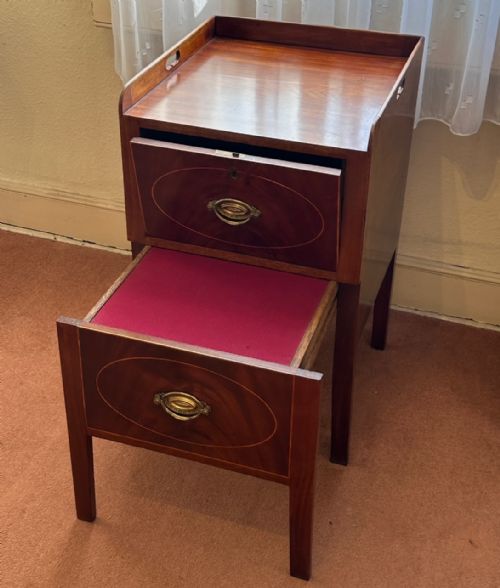
Many examples incorporate hinged treads that lift to reveal a commode space, reflecting the multi-functional nature of Georgian and Regency bedroom furniture. Others take the form of side cabinets with a pull-out step hidden inside the lower drawer.
What varies in quality
Quality rests heavily on the selection of timber grain, particularly where figured mahogany or burr walnut veneers are employed across the treads and risers. Superior pieces display thoughtful proportions and tight, precise joinery that conceals internal commode liners seamlessly.
The integrity of the original leather inserts and the smoothness of any pull-out mechanisms distinguish finer workshop output from simpler utilitarian items. Details such as turned mahogany columns or delicate brass handleware elevate the finished piece significantly.
Antique Bed Steps Retail Price Guide 2026
Typical asking prices for bed steps among the pieces listed under this phrase on Sellingantiques today, from the lower quarter to the upper quarter. They describe what is for sale here now, not the wider market.
Listings feature mahogany, walnut, satinwood, and leather materials spanning Georgian to Art Deco periods.
J. Jarvis
The Antique Bed Steps Glossary
- Tread
- The horizontal surface of a step upon which the foot rests. These are frequently lined with tooled leather.
- Commode
- A piece of furniture enclosing a chamber pot. In this context, the steps lift or open to reveal the hidden interior.
- Regency
- A British design period spanning the early nineteenth century, known for classical restraint and elegant proportions.
- George III
- The stylistic reign covering the latter half of the eighteenth century up to eighteen-twenty, characterised by refined mahogany construction.
Antique Bed Steps: Frequently Asked Questions
What are antique bed steps?
Antique bed steps are small sets of wooden stairs designed to help people climb into tall historical beds. They date mostly from the Georgian, Regency, and Victorian periods.
Many of these pieces were built with dual purposes, often hiding a commode or a pull-out shelf within their compact frames.
How were bed steps used?
They sat beside high wooden bed frames to provide safe access for sleeping quarters during eras when mattresses sat elevated off cold drafts. Users could also utilise them as convenient bedside surfaces.
Several examples include hinged tops that conceal chamber pots, serving as discreet bathroom furniture for the bedroom.
How do I date antique bed steps?
Dating relies on observing the wood species, cabinetmaking techniques, and prevailing architectural styles of the period. Georgian and Regency pieces typically show lighter mahogany framing and classical lines.
Later Victorian versions tend to be heavier in construction, while twentieth-century examples incorporate different veneer choices and simpler internal layouts.
Can I use them as normal furniture?
Yes, their sturdy timber construction makes them suitable for daily household use today. They function well as small display stands or plant holders in a traditional room.
When fitted with internal storage or commode liners, they also offer convenient concealed space for household items.