




19th Century Steps
These 19th century steps combine practical utility with period craftsmanship, offering a sturdy way to reach high bookshelves or display items.
What 19th century steps are
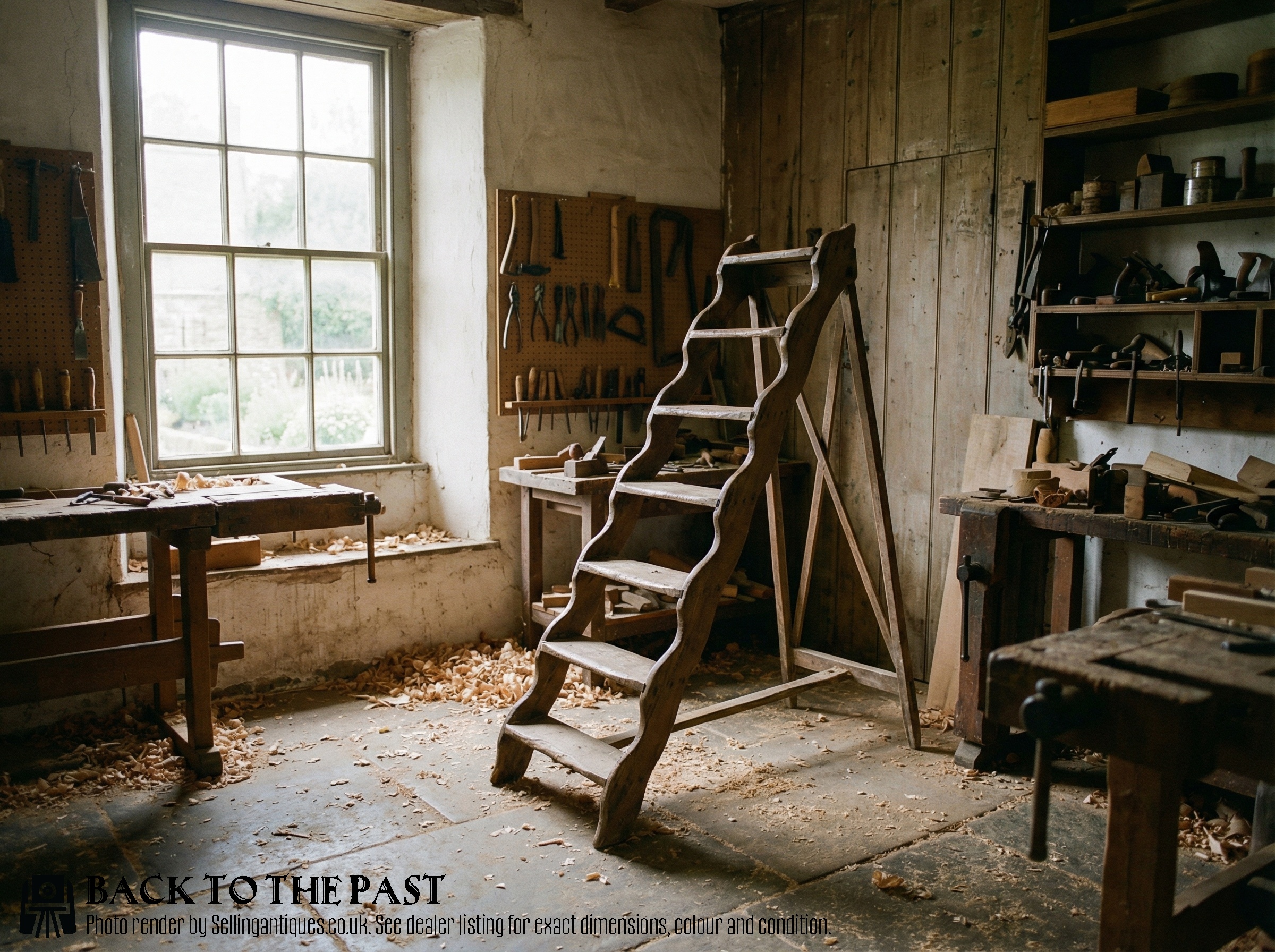
When you search for 19th century steps, you encounter functional library furniture designed to reach high shelves in grand rooms. These pieces appear most frequently as dedicated library steps or step ladders, alongside versatile metamorphic forms.
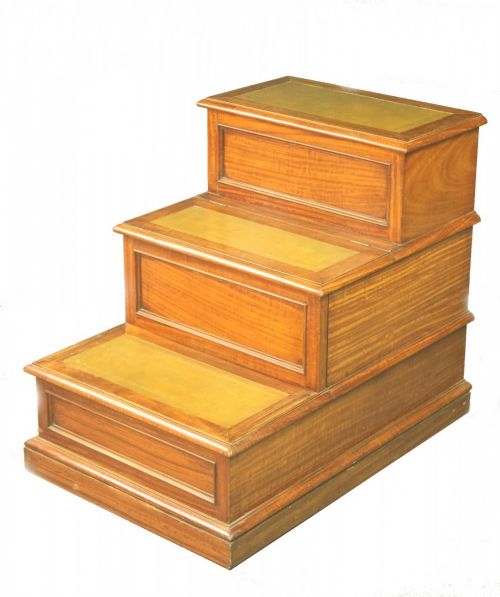
The selection ranges from simple pine step ladders to refined mahogany library steps and architectural Gothic Revival examples. You also find clever multi-functional designs that convert from chairs, tables or stools into steps.
Originating largely from the 19th century and the Regency period, these items reflect the domestic and scholarly requirements of their time. They bridge the gap between utilitarian hardware and polished cabinet-making.
How they were made
Cabinet-makers utilised a variety of solid timbers including mahogany, oak, pine, fruitwood, walnut and yew. Many examples incorporate secondary materials such as leather inserts on the treads, alongside iron and brass fixings.
Construction methods vary from rustic country joinery in painted or unpainted pine to high-status cabinet work in figured mahogany and golden oak. Metamorphic pieces rely on clever pivoting hinges and folding mechanisms to transform smoothly.
Retail Price Guide 2026
Typical UK retail prices for 19th century steps, calculated from the Sellingantiques database of over a million retail prices indexed since 2003. This retail price guide relies exclusively on Sellingantiques data; no external sources or auction records are used, so the figures do not describe the wider market.
Some Victorian library steps doubled as concealed indoor plumbing, hiding a commode beneath the leather treads for the dedicated scholar.
What varies in quality
The distinction between standard utility items and finer pieces lies in the choice of primary timber and the sophistication of the joinery. Mahogany and figured oak examples with turned supports sit at a higher level than straightforward pine ladders.
Ingenuity in design separates simple stair forms from complex metamorphic chairs and tables. The precision of the moving parts and the integration of leather treads define the success of the more ambitious designs.
A.W.N. Pugin
The 19th Century Steps Glossary
- Metamorphic
- Furniture designed to transform from one object into another, such as a chair or table converting into steps. This clever engineering allowed space-saving versatility in period libraries.
- Tread
- The horizontal flat board of a step upon which one places the foot. In library steps, these are sometimes inset with leather.
- Gothic Revival
- A 19th-century style drawing inspiration from medieval architecture, often featuring pointed arches and tracery. This aesthetic appears on specialised library steps.
- Commode
- A piece of furniture containing a chamber pot, which in some library step configurations was cleverly concealed beneath the treads. It combined sanitary and climbing functions in domestic spaces.
Frequently Asked Questions
How were library steps used originally?
These steps provided access to high bookshelves in private libraries and studies. Wealthy households required them to reach folio volumes stored near the ceiling.
Many designs served dual purposes, functioning as stools, chairs, or tables when not deployed for climbing.
What is a metamorphic step?
A metamorphic piece conceals a functional set of stairs inside another piece of furniture, such as a chair, table, or stool. Users manipulate hinges and folding sections to reveal the treads.
This ingenious mechanism saved floor space in compact Georgian and Victorian rooms.
Which woods are most common?
Mahogany appears frequently in formal library steps, often featuring polished surfaces and leather treads. Oak and walnut also feature prominently in heavier period designs.
Pine and fruitwood tend to appear in more utilitarian step ladders and rustic country pieces.
How do I distinguish Regency from Victorian steps?
Regency pieces often display classical restraint, cleaner lines, and lighter proportions typical of the early nineteenth century. Victorian examples frequently embrace heavier timbers and Gothic Revival ornamentation.
Construction details and secondary woods help confirm the precise period of manufacture.
Can I use antique steps safely?
Most sturdy mahogany, oak, and pine examples remain structurally sound for everyday domestic use. Checking the stability of the joints and treads ensures safe climbing.
Lighter metamorphic pieces require careful handling of their folding mechanisms to avoid strain.