

Antique Wooden Ladder
An antique wooden ladder brings honest utility and warmth to a room, offering practical access and structural charm.
What these pieces are
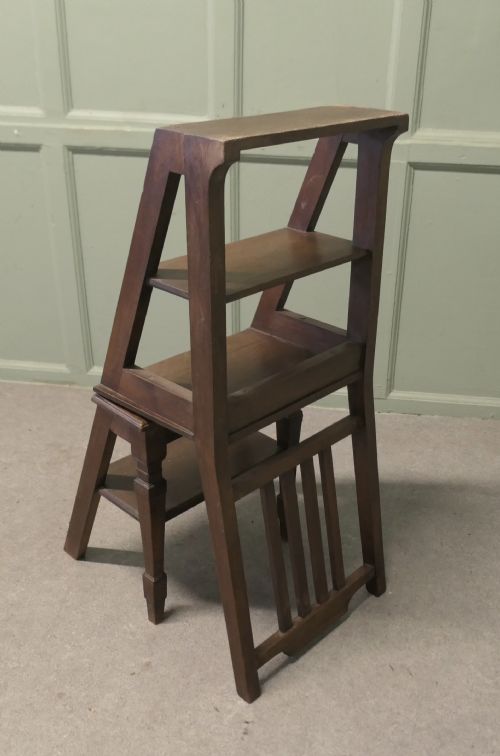
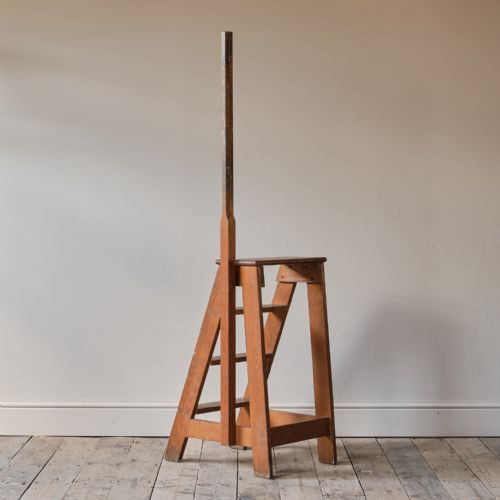
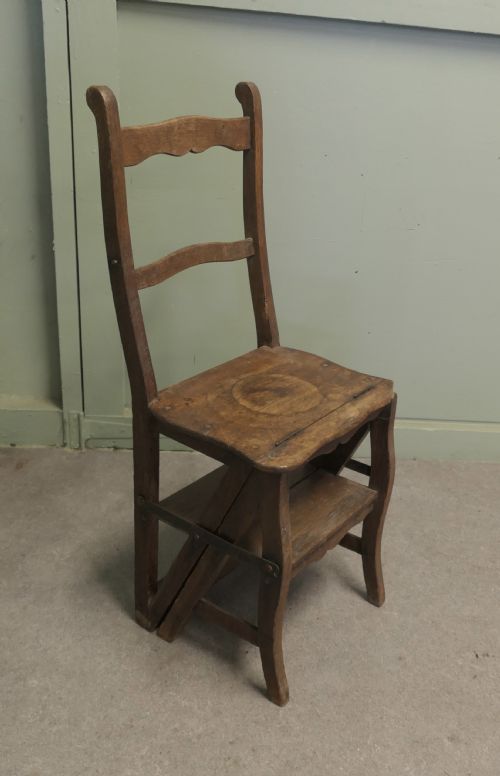
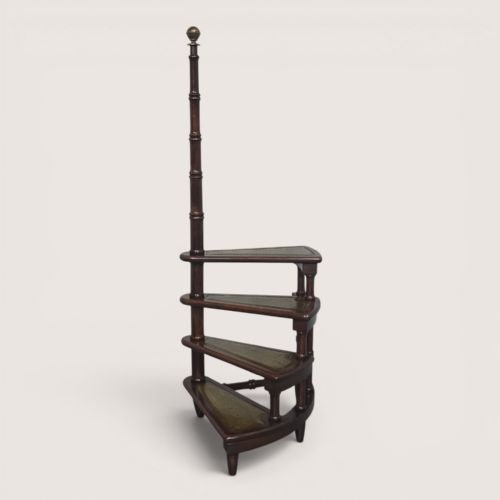
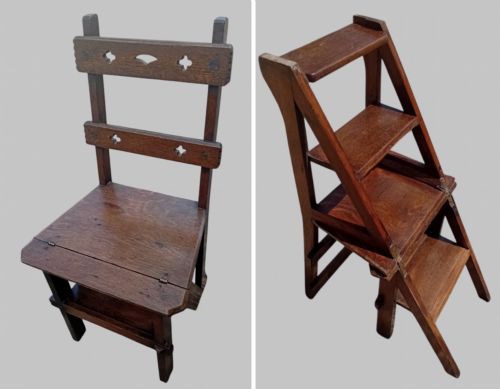
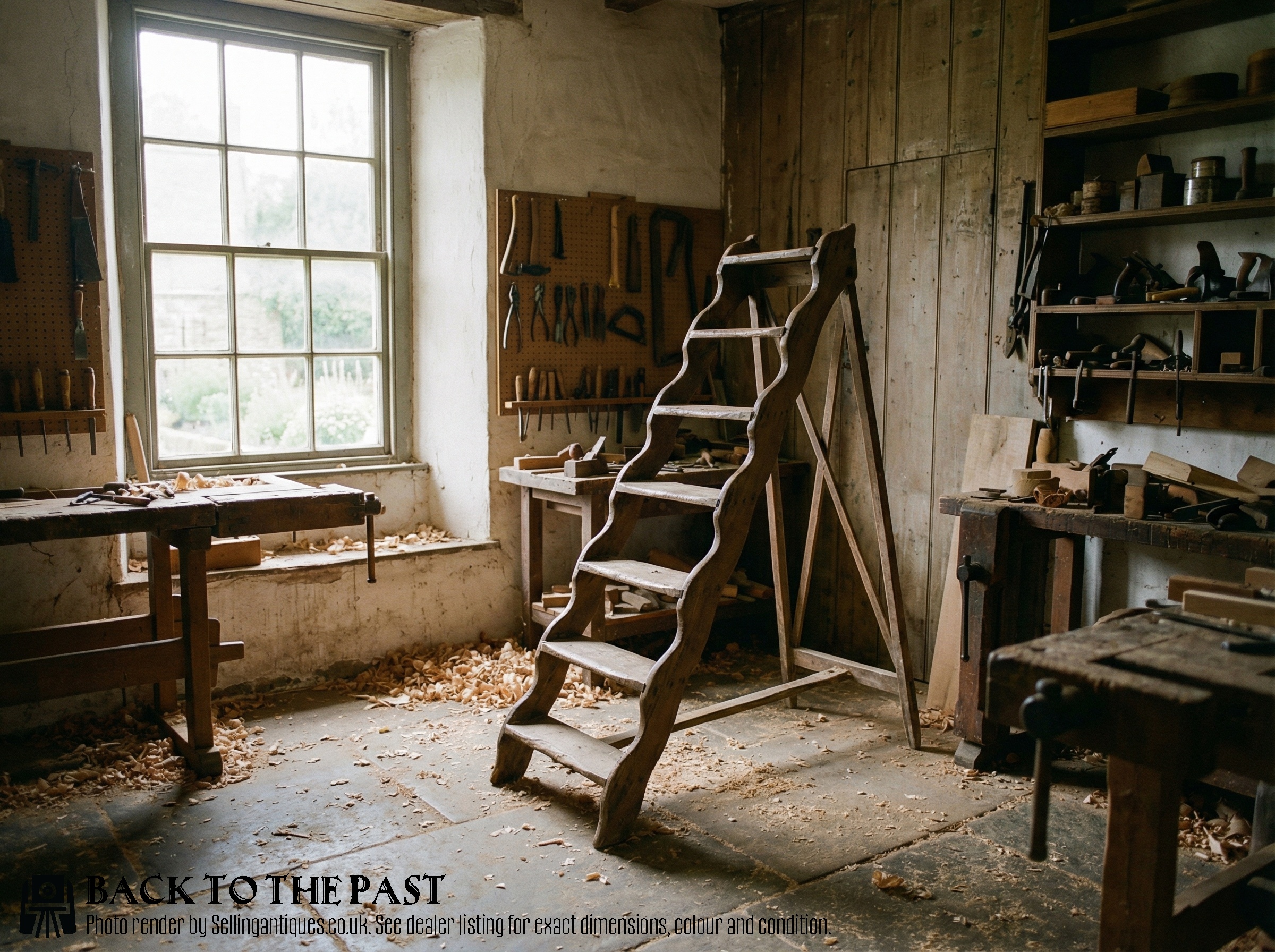
An antique wooden ladder provides access and displays structure, taking forms from library steps and step ladders to utility pieces.
The pieces listed on this page span the nineteenth century, nineteen twenty, and nineteen thirty, including oak, pine, fruitwood, and timber examples.
Buyers meet styles ranging from Victorian and Edwardian to industrial utility and rustic country, reflecting practical origins in homes, railways, and orchards.
How they were made
Maker construction relies on timber materials including pine, oak, and fruitwood, joined with functional iron hardware.
Makers shaped these utilitarian objects for demanding daily tasks, resulting in sturdy joints and tapered forms built to bear weight.
Retail Price Guide 2026
Typical UK retail prices for wooden ladder, calculated from the Sellingantiques database of over a million retail prices indexed since 2003. This retail price guide relies exclusively on Sellingantiques data; no external sources or auction records are used, so the figures do not describe the wider market.
Some tall garden ladders doubled as apple pickers, built narrow to slip between branches without bruising the fruit.
What varies in quality
Quality rests in the choice of timber and the integrity of the original construction, distinguishing robust pieces from lighter utilitarian items.
The character of the surface wear and the retention of original iron components dictate the visual authority of each piece.
The Antique Wooden Ladder Glossary
- Library Steps
- Self-supporting sets of steps designed for reaching high shelves in domestic or institutional libraries. They often feature handrails or sturdy oak and fruitwood construction.
- Step Ladder
- A folding or rigid ladder with flat treads, used historically for household tasks. Pine and timber examples appear frequently across nineteenth-century listings.
- Tapered Ladder
- A ladder that narrows toward the top, historically utilised for orchard work such as apple picking or narrow interior spaces. This design balances stability at the base with reduced weight aloft.
- Industrial Utility
- A style classification denoting items built strictly for workplace function rather than ornament. These pieces display honest wear and utilitarian iron fittings.
Frequently Asked Questions
How are antique wooden ladders used today?
These pieces serve as decorative shelving units, blanket rails, or architectural accents in contemporary spaces.
Their sturdy timber construction allows them to retain functional roles while adding rustic character to rooms.
What materials are common in these ladders?
Pine, oak, and fruitwood form the primary body of these items, often reinforced with iron hardware.
Different woods reflect the intended use, from heavy library steps to lighter garden and orchard ladders.
How do I date an old ladder?
Dating relies on timber characteristics, construction methods, and associated ironwork from periods like the nineteenth century.
Design styles such as Victorian or industrial utility provide further context for when the piece was made.
Are these ladders safe to climb?
While originally built for heavy daily use, antique ladders often show wear from their working lives.
Buyers should assess the structural integrity of the timber and joints before using them for climbing.