




Victorian Library Steps
Victorian library steps are practical climbing pieces designed for reaching high shelves, prized for combining clever folding mechanisms with rich cabinet timbers.
Victorian Library Steps
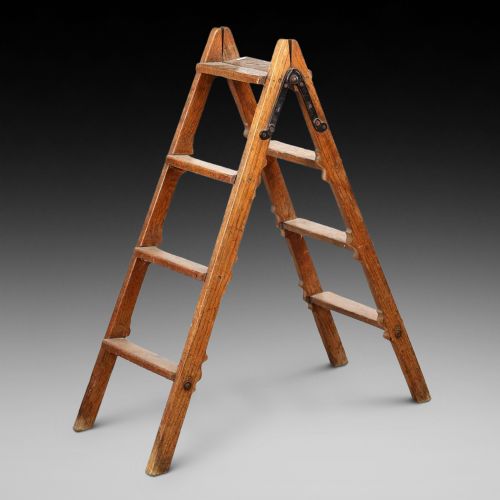
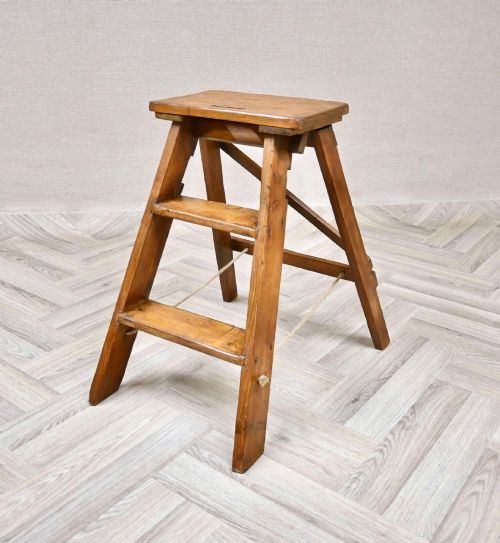
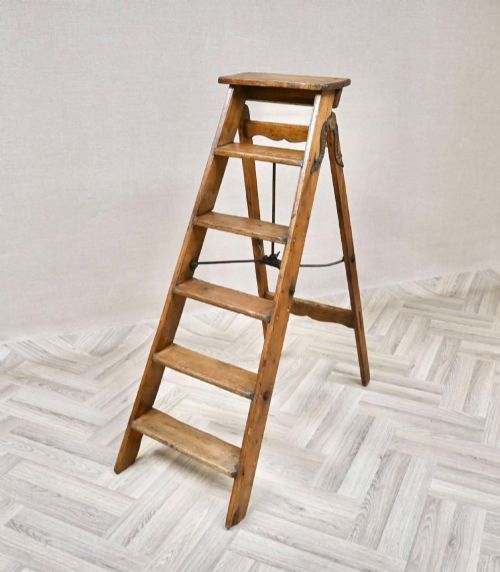
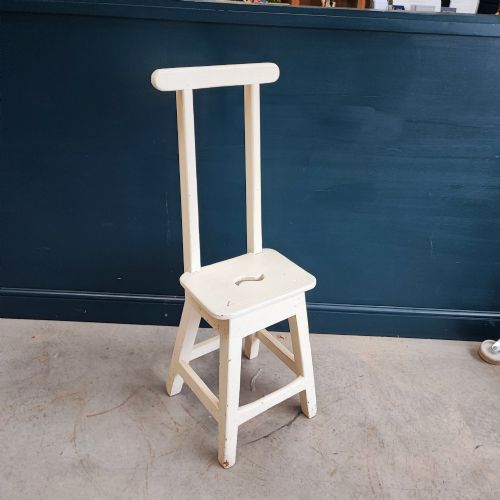
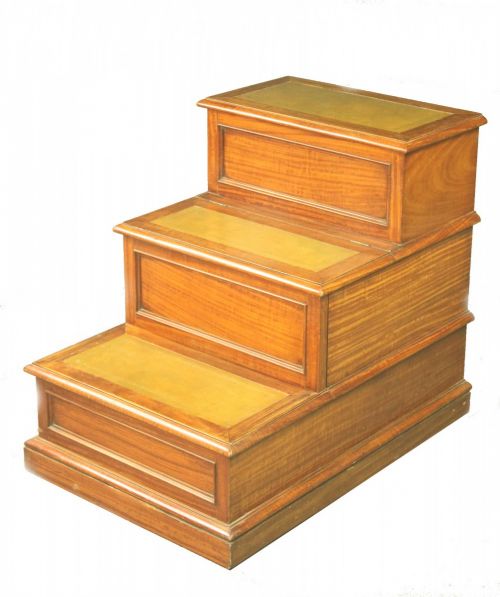
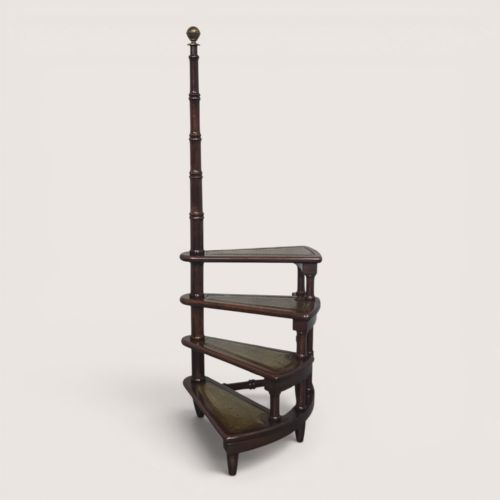
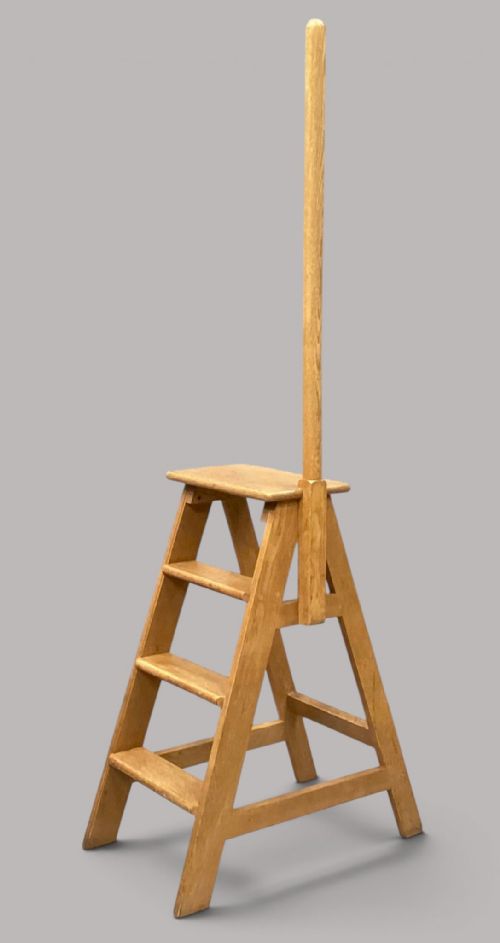
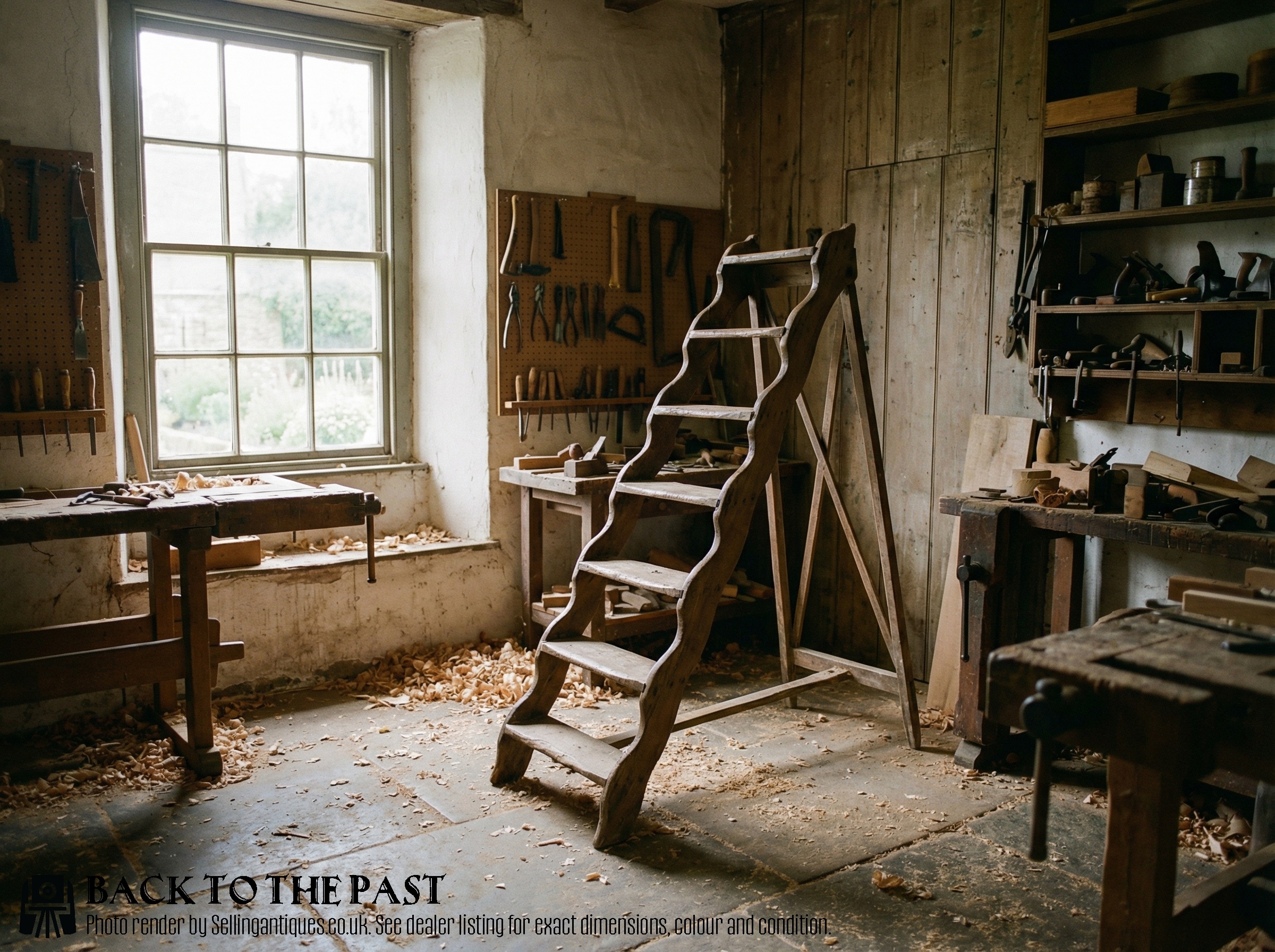
Victorian library steps are functional furnishings created to give access to tall bookcases in period rooms. These pieces range from simple three-tier flights to complex convertible chairs that shift between seating and ascending tiers.
Mahogany and oak form the backbone of these items, appearing alongside walnut, pine, and satinwood. Many examples incorporate inset leather treads to provide grip and reduce noise when climbing.
The selections available here reflect the domestic and institutional needs of the nineteenth century, including folding flights, stationary sets, and space-saving metamorphic designs.
Materials and construction methods
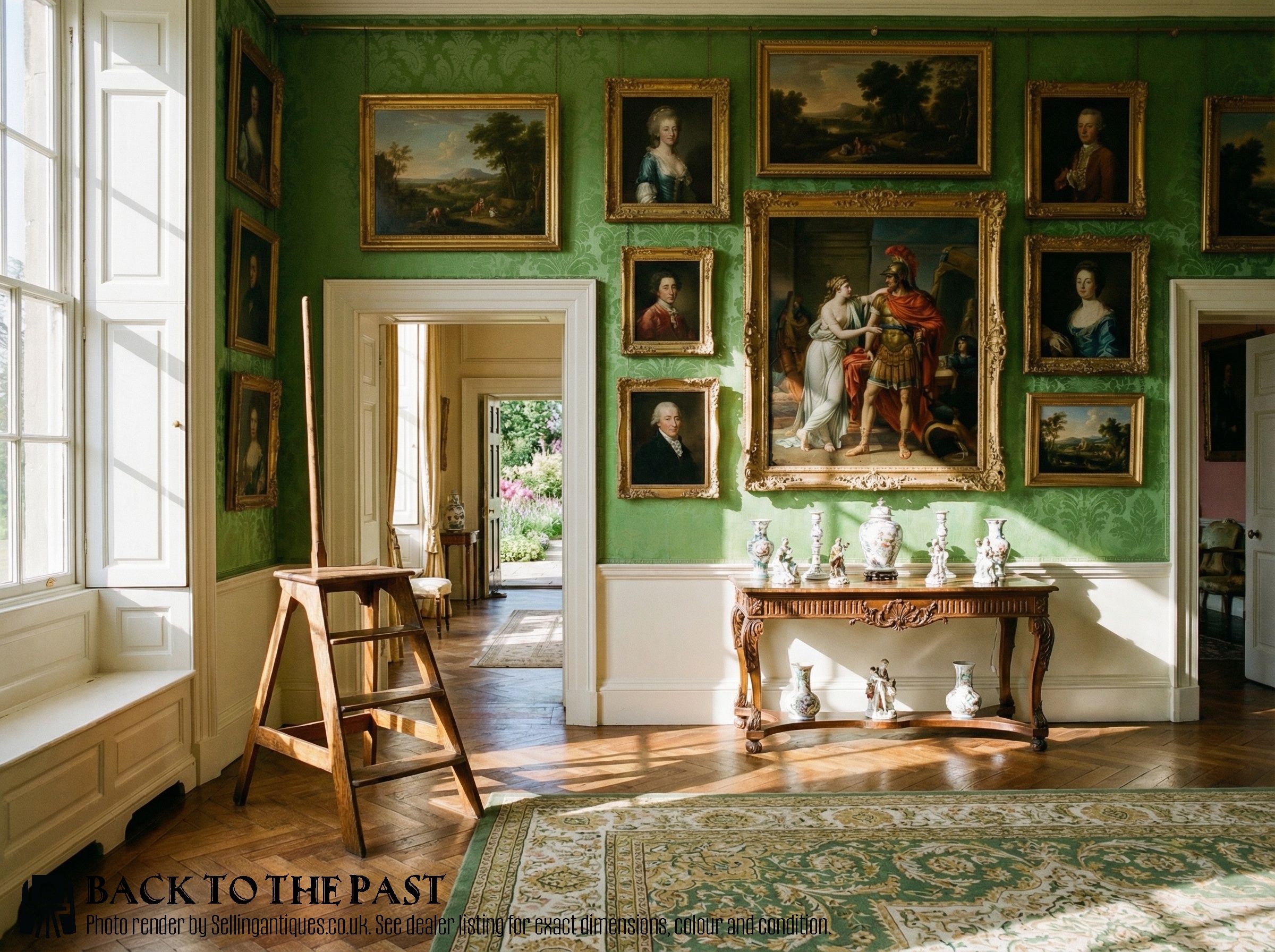
Cabinetmakers constructed these frames using dense hardwoods like mahogany and oak, often turning spindles and shaping handrails by hand. Brass hinges, brackets, and support rods allowed folding steps to collapse smoothly without sacrificing structural integrity.
Treads were frequently lined with tooled leather, secured with brass tacks to cushion the footfall. Secondary timbers such as pine appeared in concealed structural areas beneath the primary show wood.
Victorian Library Steps Retail Price Guide 2026
Typical asking prices for victorian library steps among the pieces listed under this phrase on Sellingantiques today, from the lower quarter to the upper quarter. They describe what is for sale here now, not the wider market.
Listings frequently combine mahogany, oak, and pine with brass hardware and leather treads across nineteenth-century periods.
Distinctions in standard and execution
Quality rests in the smoothness of the mechanical action and the rigidity of the joints when fully extended. Finer examples display careful timber selection, such as flame mahogany or golden oak matched across the treads.
Plain utilitarian steps made for institutional settings contrast with domestic pieces featuring turned supports, gothic tracery, or leather upholstery. The complexity of metamorphic chairs also dictates the level of craftsmanship involved in their creation.
Phillips Brothers·A W N Pugin
The Victorian Library Steps Glossary
- Metamorphic chair
- A dual-purpose furnishing that transforms from a chair into a set of library steps through pivoting joints. This clever mechanism saved space in private studies.
- Tread
- The horizontal platform or step upon which one places the foot during ascent. These surfaces often featured leather inserts.
- Fusee
- A conical pulley used in clockwork movements to maintain equal power as the mainspring unwinds. This mechanism appears in timepieces associated with library furnishings.
- Gothic Revival
- An architectural and decorative style drawing on medieval forms, featuring pointed arches and tracery. Cabinetmakers applied these motifs to oak library steps.
- Bed steps
- Small stair units originally placed beside high nineteenth-century beds to ease morning rising. They share construction methods with library steps.
Victorian Library Steps: Frequently Asked Questions
How do metamorphic library steps work?
Metamorphic pieces use concealed hinges and pivots that allow the seat back and frame to swing outward and downward. This action transforms a standard chair into a stable flight of steps.
Once returned to the upright position, the folding sections lock securely into place to function as seating without revealing their secondary purpose.
Were these steps only used in libraries?
While designed primarily for reaching high bookshelves in private studies and institutional libraries, similar folding steps served other domestic rooms. Smaller variations functioned as bed steps for climbing into high nineteenth-century sleeping quarters.
Sturdier pine and oak versions also saw service in pantries, offices, and railway establishments for general reaching tasks.
How do I care for leather-lined treads?
Leather treads benefit from occasional dusting with a dry cloth and sparing treatment with traditional leather balms to prevent drying and cracking. Avoid using excessive moisture or modern chemical cleaners near the brass tacks and surrounding wood.
Keeping the steps away from direct heat sources helps preserve both the hide and the underlying timber joints.
How can I tell a folding set from a stationary one?
Folding sets feature visible brass hinges, locking arms, or pivoting side panels designed to collapse the structure flat for storage. Stationary sets rely on rigid glue and dowel or screw construction with fixed, open treads.
Examine the sides and underside of the frame to locate moving joints and metal hardware before attempting to fold any antique steps.