



Pine Library Steps
Pine library steps bring sturdy utilitarian construction into domestic spaces, offering functional height alongside honest timber character.
Pine Library Steps
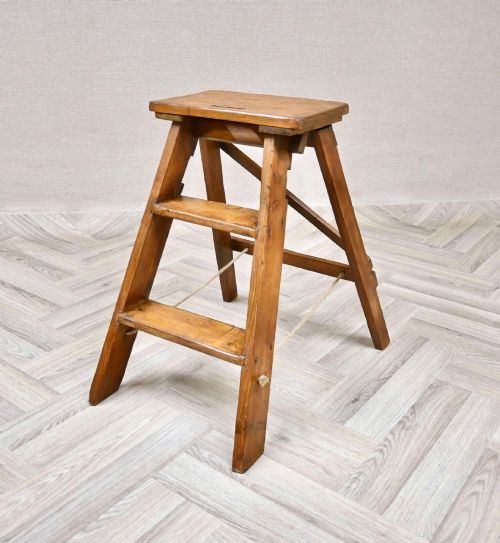
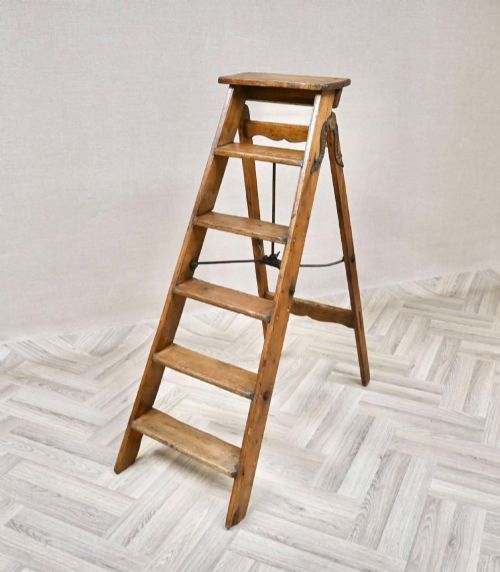
These pine library steps comprise functional elevation tools built for accessing high shelves in domestic, commercial and institutional spaces. Pieces range from compact step stools to tall ladders, occasionally featuring integrated handrails or folding mechanisms.
The material palette centres primarily on plain pine, sometimes joined by pitch pine, elm, oak or iron hardware. Surviving examples reflect Victorian and Edwardian manufacturing methods, spanning the nineteenth and early twentieth centuries alongside vernacular French country forms.
Buyers most frequently encounter nineteenth century items, including Victorian country variants and specialised trade pieces. Forms vary from simple domestic step stools to tall museum ladders designed for heavy daily use.
Construction and materials
Makers constructed these items predominantly from pine and pitch pine, occasionally incorporating elm, oak and iron elements. Timber selection prioritized structural resilience, utilising dense softwoods capable of withstanding repeated weight and movement.
Joinery techniques combined traditional carpentry methods with robust iron hinges and brackets on folding variants. Surfaces often show traces of historical paint finishes, stains, or plain waxed timber patination accumulated through decades of use.
Pine Library Steps Retail Price Guide 2026
Typical asking prices for pine library steps among the pieces listed under this phrase on Sellingantiques today, from the lower quarter to the upper quarter. They describe what is for sale here now, not the wider market.
Some tall museum ladder variants are built so stoutly they likely outlived the librarians who climbed them.
Assessing quality and proportion
Quality in these pieces is dictated by the integrity of the original construction and the balance of proportions. Superior examples demonstrate tight joinery and robust pivot mechanisms that operate smoothly without structural compromise.
The character of the timber grain and the depth of natural patination distinguish standard utilitarian items from finer regional interpretations. Presence of original ironwork or extended handrails enhances the visual and practical distinction of individual pieces.
Slingsby
The Pine Library Steps Glossary
- Pitch pine
- A dense resinous softwood variety valued for its durability and strong grain pattern. It was frequently utilised in heavy-duty library and museum furniture.
- Folding mechanism
- The iron or wooden hardware that allows the steps to collapse or adjust for storage. Smooth operation indicates careful historical maintenance.
- Handrail
- An extended vertical support attached to the upper section of specific step designs. It provides added stability for the user when climbing to elevated heights.
- Epicerie
- A term associated with French country store furniture and utilitarian fittings. These pieces share the practical, unpretentious construction methods of library equipment.
Pine Library Steps: Frequently Asked Questions
What were pine library steps used for?
These steps provided physical access to high bookshelves in domestic libraries, institutional archives, and commercial spaces. Their sturdy construction allowed workers and readers to reach elevated volumes safely.
Over time, many pieces transitioned from working environments into domestic interiors as decorative and functional furniture.
How do I date pine library steps?
Dating relies on examining construction methods, iron hardware, and timber patination. Nineteenth-century examples often display hand-cut joinery and aged surface finishes.
Twentieth-century pieces, such as those from the Edwardian era, frequently incorporate standardised industrial metal fittings and denser pitch pine timbers.
Are folding library steps stable?
Folding variants rely on original iron hinges, brackets, and locking stays to maintain structural rigidity during use. Well-maintained historical mechanisms secure the steps firmly in place.
Buyers should inspect the pivot points to ensure the hardware functions correctly and supports weight evenly.
How do I live with library steps?
These steps integrate easily into modern interiors as plant stands, bedside tables, or display shelving for books and objects. Their vertical profile makes them suitable for narrow corners and hallways.
Regular dusting and occasional application of wax help preserve the untreated or historically finished pine surfaces.