
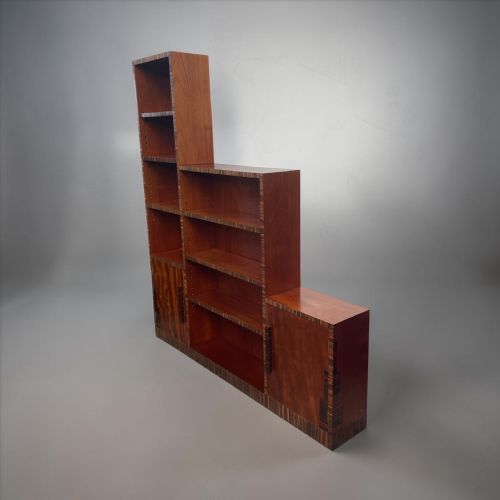
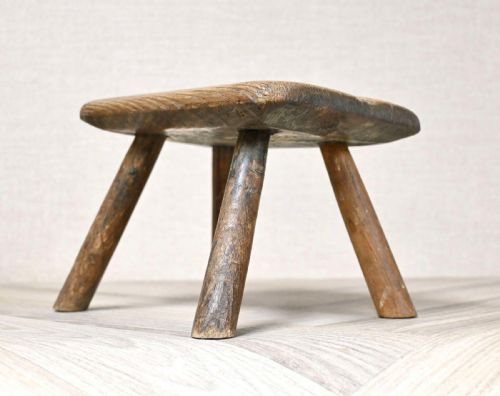
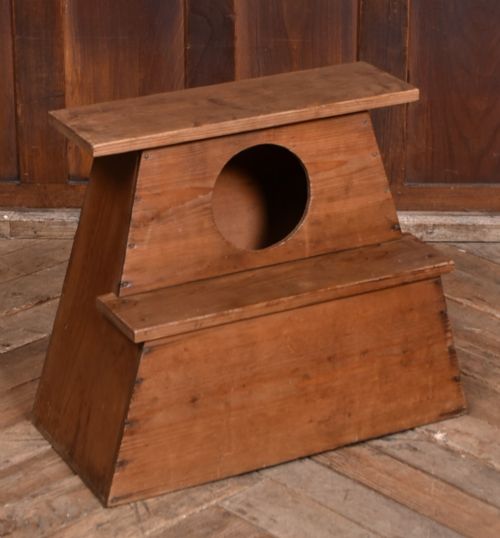

Antique Wooden Steps
Antique wooden steps bring height and function into a room, offering sturdy pine and oak forms built for libraries, gardens and country stores.
What antique wooden steps are
When you search for antique wooden steps, you encounter functional climbs fashioned from timber for domestic, commercial and institutional use. The selections here span library steps, step stools, step ladders and library ladders across several centuries.
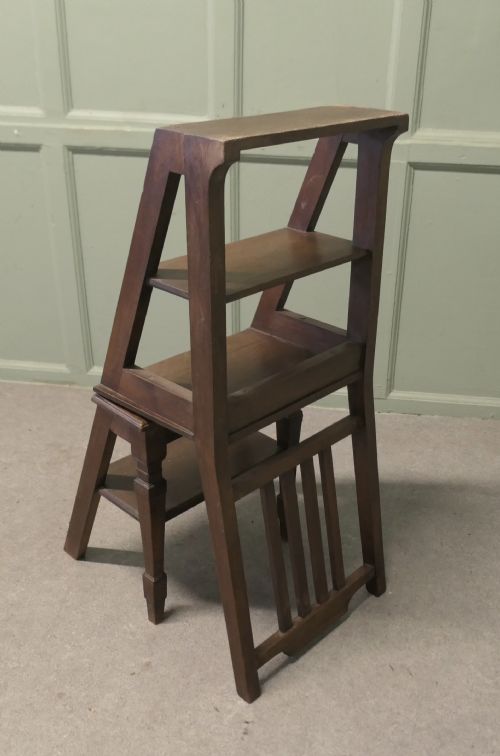
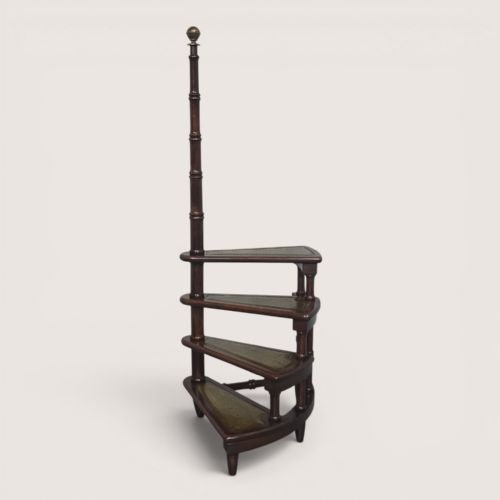
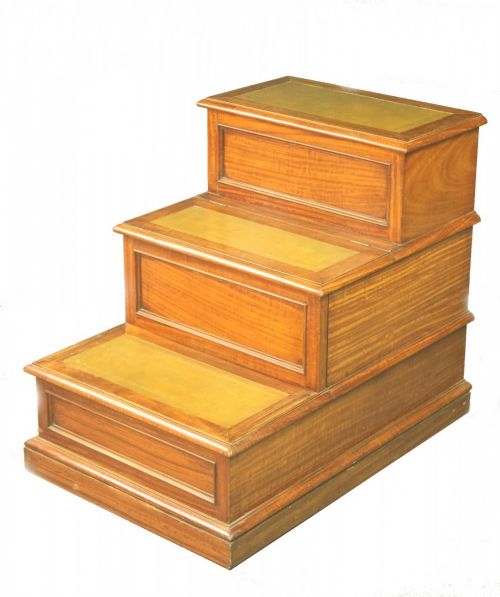
The most common versions met on this page are Victorian library steps, often rendered in oak or mahogany. These practical ascents range from compact step stools to taller flights designed for reaching high shelves.
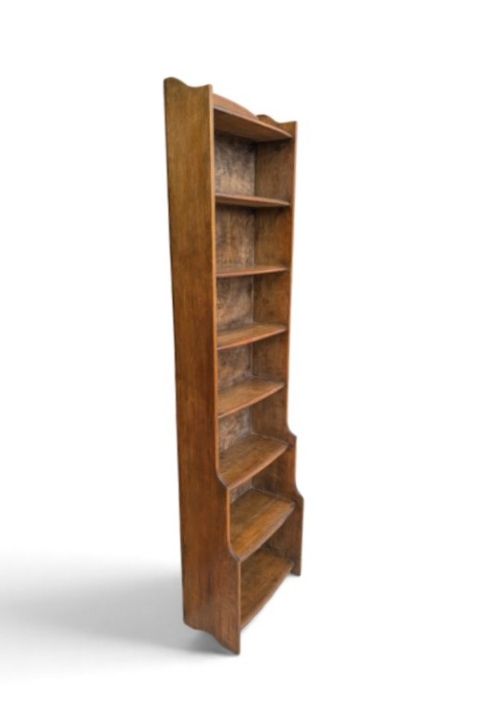
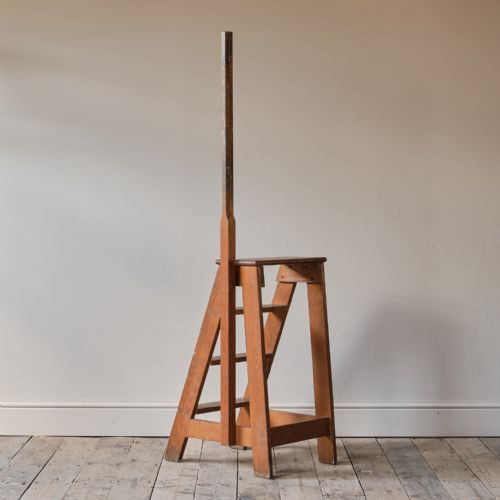
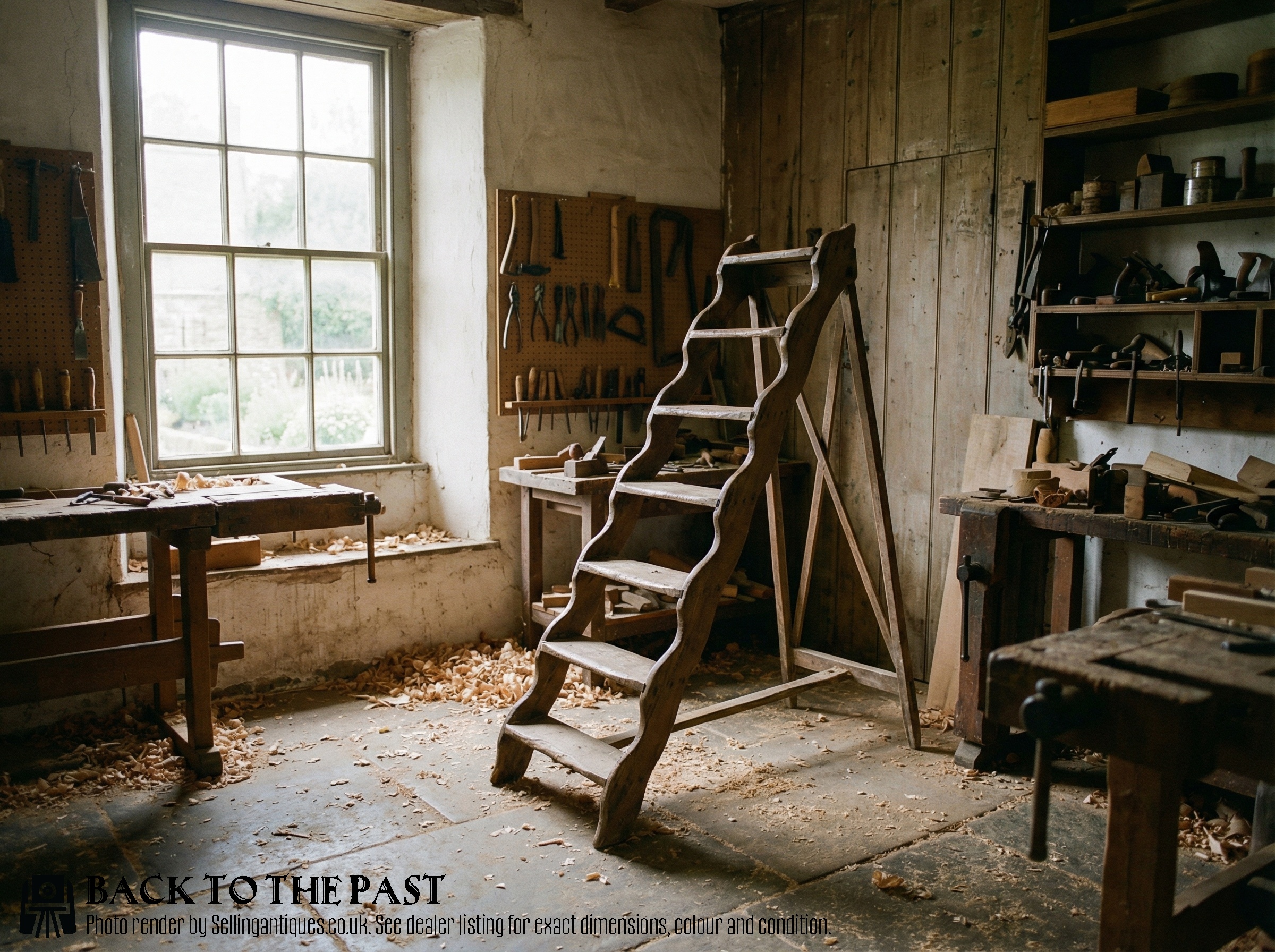
Other recurring forms include French pine epicerie steps and rustic country or industrial step ladders in painted pine. Each type reflects the specific utility demanded by its original setting, whether a scholar's study or a merchant shop.
How they were made
Joinery relies heavily on dense hardwoods like oak and mahogany, alongside softer pine timbers. Makers utilised robust construction methods to ensure stability under heavy daily use.
Metal components appear frequently to reinforce joints and treads, incorporating iron, brass and leather. Some examples display surface treatments including original paint and warm golden polish.
Retail Price Guide 2026
Typical UK retail prices for wooden steps, calculated from the Sellingantiques database of over a million retail prices indexed since 2003. This retail price guide relies exclusively on Sellingantiques data; no external sources or auction records are used, so the figures do not describe the wider market.
Listings feature items from the 19th Century, Victorian period, and 1920, utilising oak, pine, iron, mahogany, leather, brass, and paint.
What varies in quality
The distinction between ordinary utility items and finer pieces lies in the choice of timber and the ambition of the design. Dense golden oak and rich mahogany command attention through superior grain and tactile warmth.
Construction refinement also separates standard workaday ladders from sophisticated library steps. Subtle Gothic Revival carving, inset leather treads and secure brass fittings elevate a utilitarian object into a polished interior fixture.
The Antique Wooden Steps Glossary
- Epicerie steps
- Shop shelving units or display steps originating in France, traditionally used for organising provisions or goods. They bring a distinct commercial character to domestic spaces.
- Gothic Revival
- A nineteenth-century design movement drawing inspiration from medieval architecture. Pieces in this style often feature pointed arches, heavy tracery and solemn oak timbers.
- Library steps
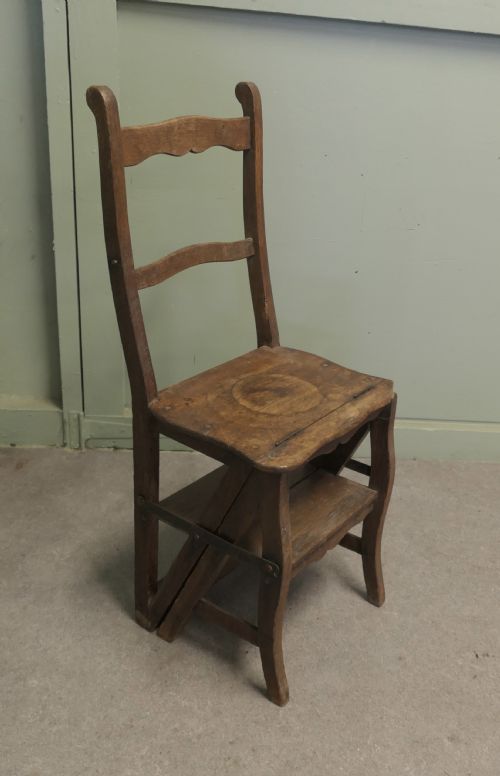
- A specialised set of stairs designed for accessing high bookshelves in private studies and institutional collections. They frequently incorporate folding mechanisms or storage compartments.
- Tread
- The horizontal surface of a step upon which the foot rests. On library steps, these surfaces are sometimes inset with tooled leather for grip and appearance.
- Pine
- A softwood utilised extensively for utilitarian furniture, country pieces and painted shop steps. It offers a pale, straight grain that takes paint readily.
Frequently Asked Questions
How were library steps used?
Library steps provided access to towering wall shelves in private studies and grand homes. Users climbed the timber treads to reach high volumes safely.
Many designs folded away or incorporated clever mechanisms to save space when not in use.
What woods were used for steps?
Carpenters employed durable timbers suited to weight-bearing tasks. Oak and mahogany appear in formal library furnishings.
Pine was favoured for utilitarian step ladders, shop steps and painted country pieces.
How do I date antique steps?
Dating relies on timber selection, construction techniques and stylistic clues. Pieces from the nineteenth century often show Victorian or Gothic Revival details.
Wear patterns, original paint and hardware fixings also help establish the era of manufacture.
Can I use old steps daily?
Most antique wooden steps remain robust enough for regular household tasks. Their solid joints and dense timbers were built for heavy labour.
Inspect the treads and fixings to ensure stability before climbing higher levels.