




Mahogany Bed Steps
Mahogany bed steps are clever pieces designed to reach lofty beds, combining practical domestic utility with fine cabinet-making.
What mahogany bed steps are
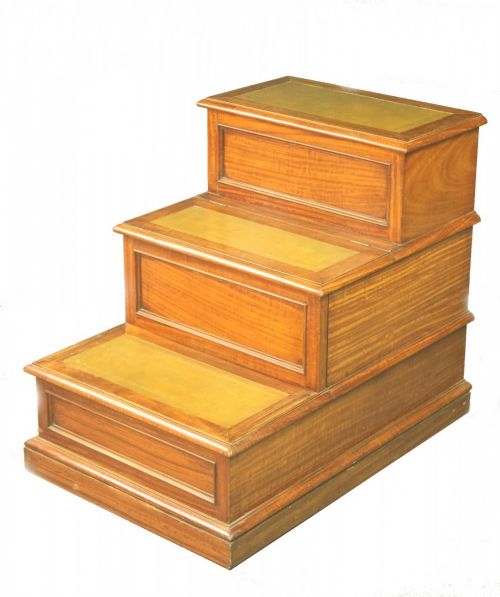
Mahogany bed steps serve as a functional means to climb into high-standing historical beds, appearing frequently in library and bedroom settings across the Regency and Victorian eras. These pieces bridge the gap between utilitarian furniture and refined interior decoration.
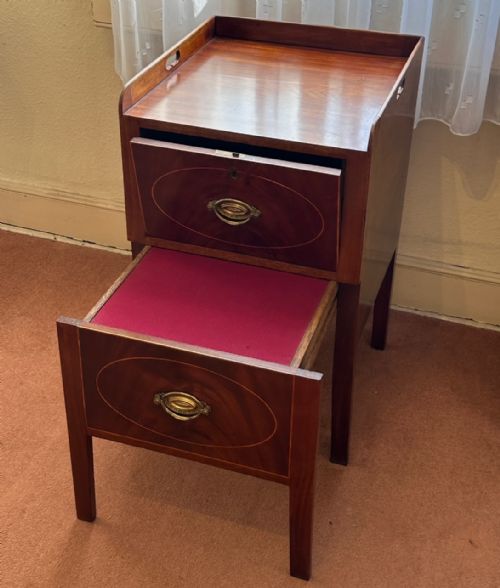
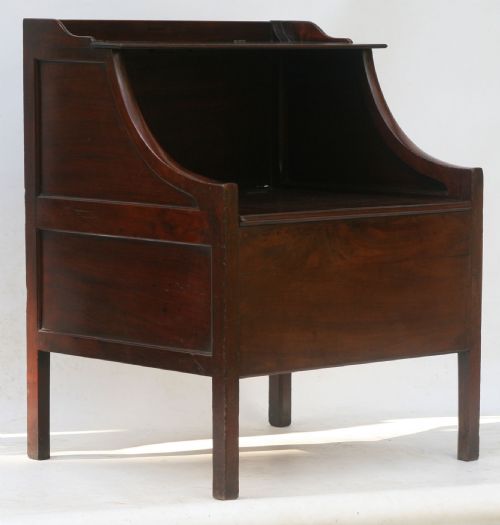
The versions most commonly met on this page span the nineteenth century, including distinct Regency examples and later Victorian interpretations. Many of these items double as commodes or library steps, demonstrating the versatile nature of historical furniture design.
How they were made
Cabinet-makers constructed these steps primarily using solid and veneered mahogany, often incorporating contrasting timbers such as satinwood for decorative detail. The structural integrity relied on traditional joinery techniques suited to bearing weight during daily domestic use.
Many examples integrate inset leather writing or footing surfaces, sometimes accented with brass fittings. Surviving pieces show construction methods characteristic of workshop production during the Regency and Victorian periods.
Retail Price Guide 2026
Typical UK retail prices for mahogany bed steps, calculated from the Sellingantiques database of over a million retail prices indexed since 2003. This retail price guide relies exclusively on Sellingantiques data; no external sources or auction records are used, so the figures do not describe the wider market.
Listings on this site span the nineteenth century, including Regency and Victorian periods, constructed from mahogany, satinwood, leather, and brass.
What varies in quality
The distinction between standard domestic items and superior pieces often lies in the choice of timber figure and the subtlety of the cabinet-making. Finer examples display carefully selected mahogany grain and harmonious proportions.
Additional functionality, such as a concealed commode compartment or stamped maker details, elevates a piece beyond a simple set of steps. The presence of original materials like leather and brass hardware also distinguishes more complete survivals.
J.Jarvis
The Mahogany Bed Steps Glossary
- Mahogany
- A dense tropical hardwood valued for its rich reddish-brown colour and stability in furniture construction. It served as the primary material for high-quality case furniture and steps throughout the Georgian and Victorian periods.
- Regency
- A stylistic period spanning the early nineteenth century, characterised by classical restraint and refined proportions. Pieces from this era often draw inspiration from ancient Roman and Greek designs.
- Victorian
- The period of manufacturing spanning the reign of Queen Victoria, marked by diverse stylistic revivals and robust domestic production. Furniture from this time frequently prioritises utility alongside decorative carving.
- Commode
- A piece of furniture containing a concealed chamber pot, often disguised as a set of steps or a small cabinet. These hybrid forms provided discreet convenience in period bedrooms.
Frequently Asked Questions
What are mahogany bed steps?
Mahogany bed steps are multi-tiered wooden pieces built to help people climb into high historical beds. They date primarily from the nineteenth century.
Cabinet-makers often gave these steps dual purposes, allowing them to function as library steps or commodes as well as climbing aids.
How were they used historically?
Households used these steps in bedrooms to reach tall beds that sat well off the floor. They provided a stable footing for daily use.
Some versions included enclosed interior spaces with commode fittings, offering discreet sanitation before modern plumbing became standard.
How do I spot a Regency piece?
Regency pieces typically display clean classical lines, restrained use of decorative brass, and elegant proportions. Makers during this era favoured warm mahogany tones.
Checking the construction methods and timber quality helps separate Regency production from later Victorian interpretations.
Can these steps be used today?
These steps remain sturdy enough for practical domestic use when the internal framing is sound. Many buyers continue to place them beside high modern beds.
Their compact footprint also allows them to serve as small display stands or decorative library accessories in contemporary rooms.