




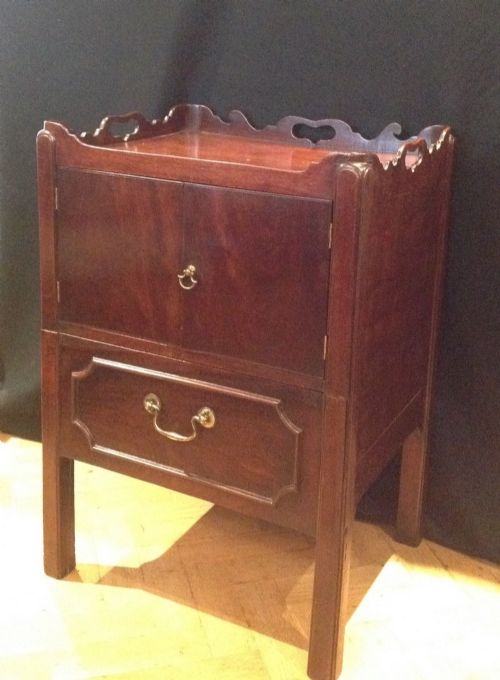
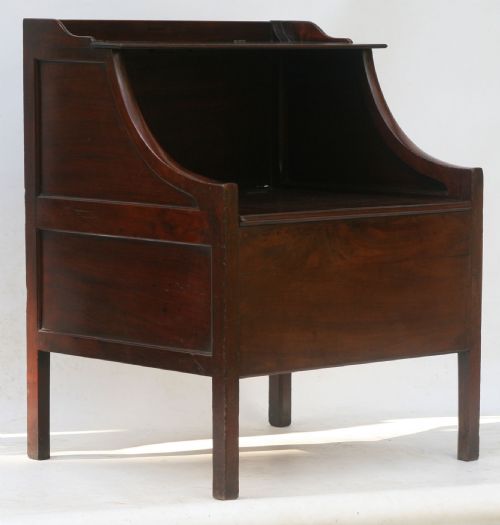
Antique Step Commode
An antique step commode combines a set of climbing steps with a hidden seat, offering clever utility in mahogany, satinwood, or burr walnut.
Antique Step Commode
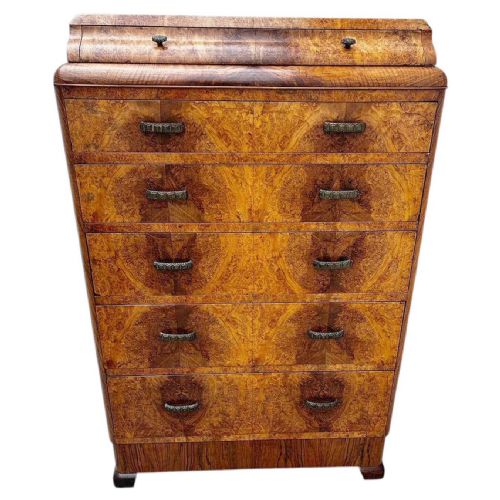
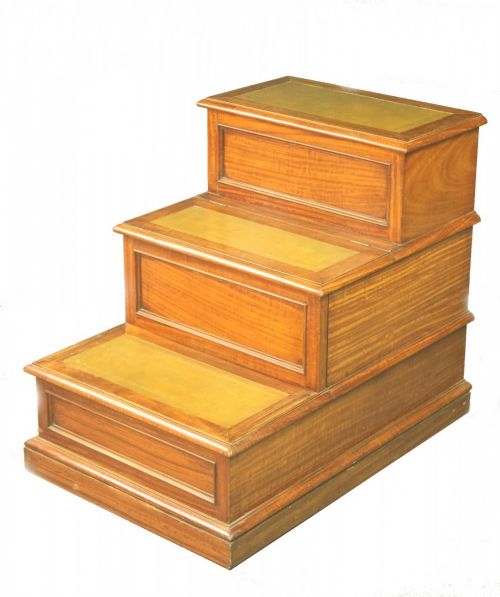
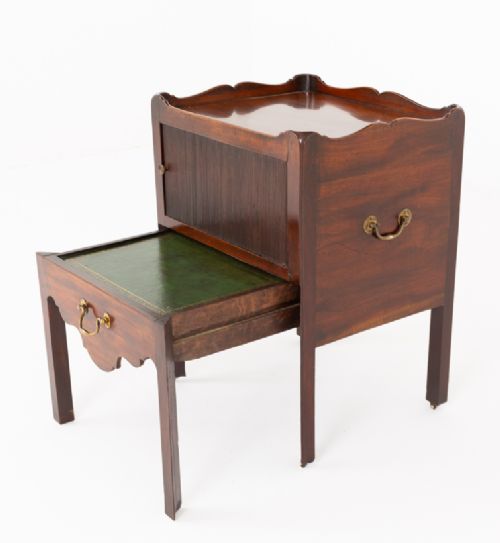
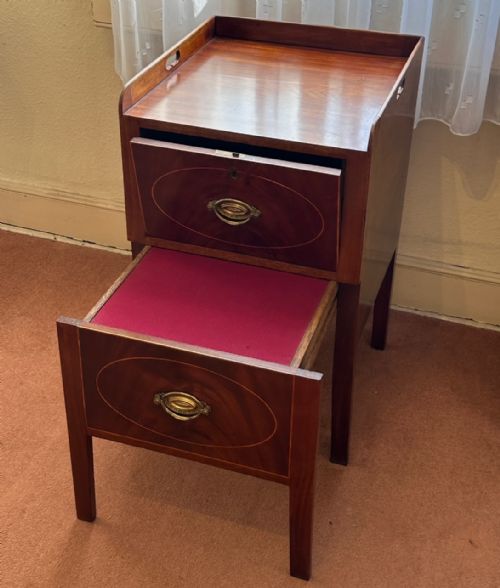
The evidence shows these pieces appearing as bed steps, bedside cabinets, and library steps fitted with internal compartments. Mahogany is the dominant timber, frequently paired with leather treads and brass details across various eras.
Materials and Construction
Cabinet makers relied heavily on solid timber and rich veneers, shaping mahogany, satinwood, and burr walnut into functional frames. Joinery prioritised stability to support the weight of someone climbing to reach high shelves or beds.
Insets of leather and fabric frequently cover the step treads, while brass fittings secure hinges and pull-out sections. The internal commode compartments required careful carpentry to contain usage discreetly within the cabinet design.
Antique Step Commode Retail Price Guide 2026
Typical asking prices for step commode among the pieces listed under this phrase on Sellingantiques today, from the lower quarter to the upper quarter. They describe what is for sale here now, not the wider market.
Some nineteenth-century makers hid the chamber pot so successfully that modern guests have attempted to climb inside the commode.
Assessing Quality
The distinction between standard examples and superior pieces rests on the choice of timber and the precision of the mechanics. Well-executed folding steps move smoothly without slack, reflecting expert cabinet making from the Georgian and Regency periods.
Secondary woods, the crispness of turned details, and the preservation of original leather or fabric inserts dictate the standing of a piece. Finer items integrate the step mechanism seamlessly into the cabinet form without wasting interior space.
J.Jarvis
The Antique Step Commode Glossary
- Step commode
- A hybrid furniture piece combining climbing steps with a concealed chamber pot enclosure. It gained popularity in late Georgian and Regency bedrooms.
- Bed steps
- Portable sets of stairs used to reach high-post beds in large houses. They often contained hidden drawers or commode sections.
- Regency
- A British design period spanning the early nineteenth century, noted for classical influences and refined mahogany construction. Pieces from this era often feature clean lines and brass mounts.
- Satinwood
- A lustrous, yellow-toned timber utilised for fine cabinet work and decorative inlays. It brings a bright contrast to darker woods like mahogany.
Antique Step Commode: Frequently Asked Questions
How were step commodes used historically?
In large country houses and town residences, these pieces sat beside high four-poster beds or within private chambers. They provided both physical assistance for rising and discrete sanitation facilities.
The clever cabinetry allowed owners to keep necessary bedroom equipment hidden away in plain sight as ordinary furniture.
How do I date an antique step commode?
Dating relies on observing the timber choice, construction methods, and stylistic cues of the period. Georgian and Regency examples often display rich mahogany and restrained classical lines, whereas Victorian pieces show heavier proportions.
Checking for secondary timbers and the style of brass hardware also helps place the piece within a specific nineteenth-century decade.
How do I live with a step commode?
These pieces fit well into modern bedrooms or studies as side tables, bedside cabinets, or low shelving units. The folding steps remain fully operational for practical daily use or display purposes.
Maintenance involves treating the timber and leather treads with standard wax care to preserve the finish against regular wear.