
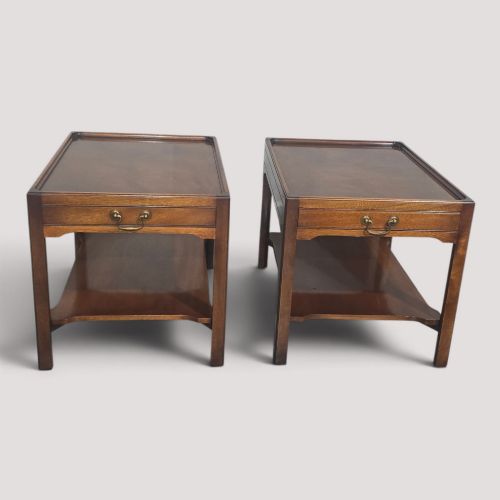
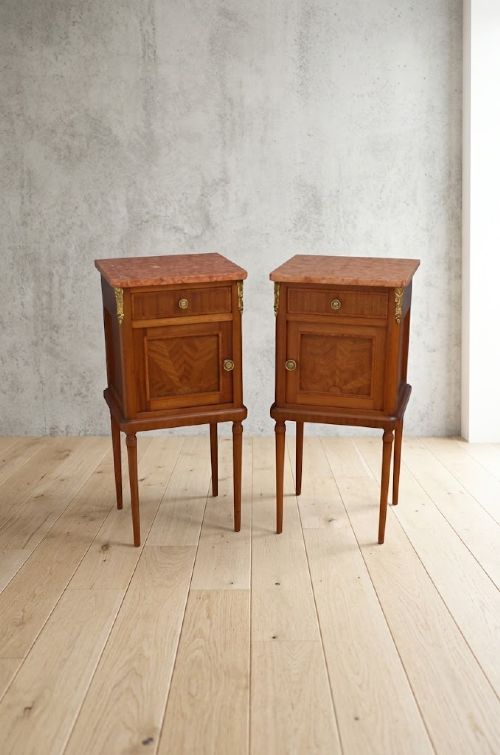

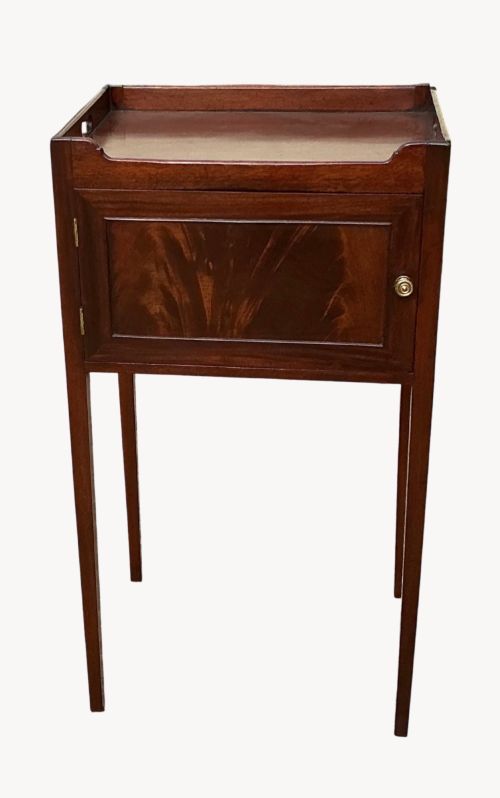
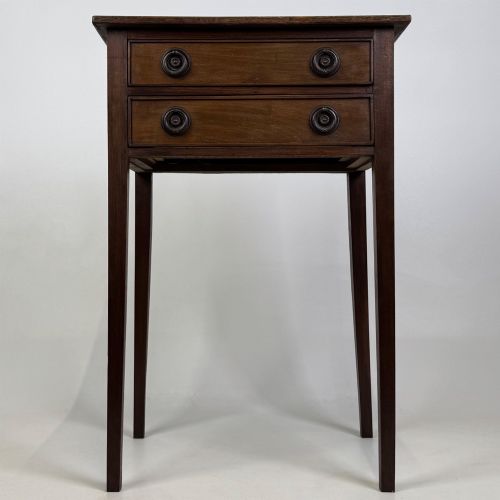
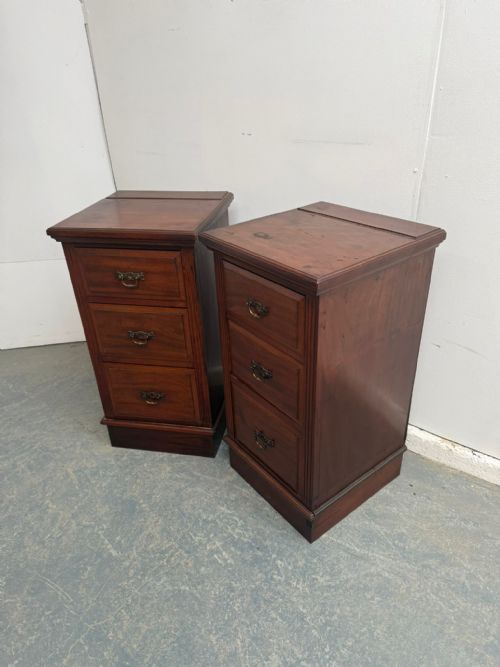
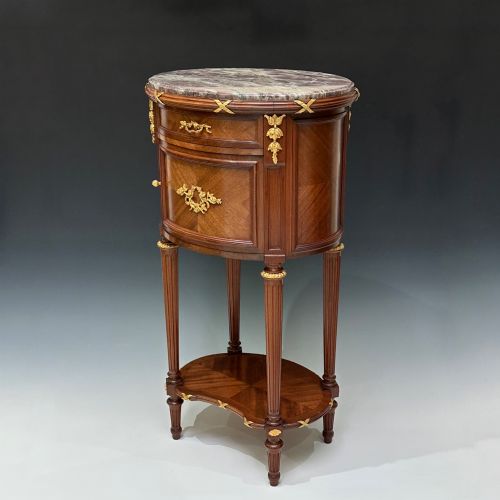
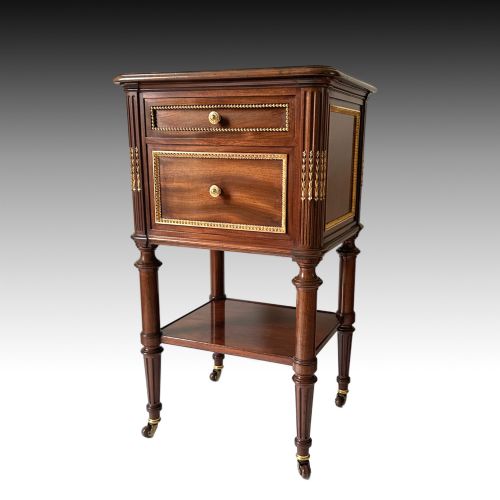
Mahogany Nightstand Table
These mahogany nightstand table pieces offer compact storage and timber depth, spanning Georgian through Edwardian periods across bedside chests, cupboards and small side tables.
Mahogany Nightstand Table
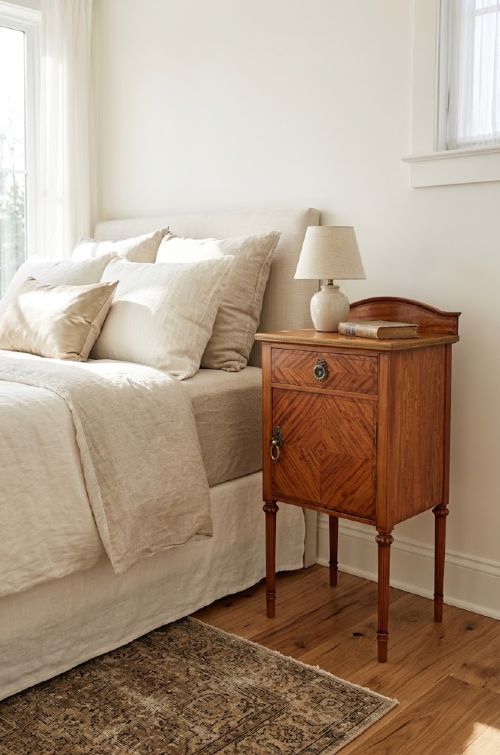
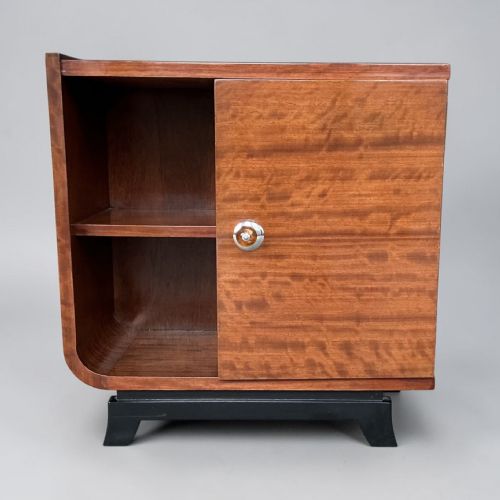
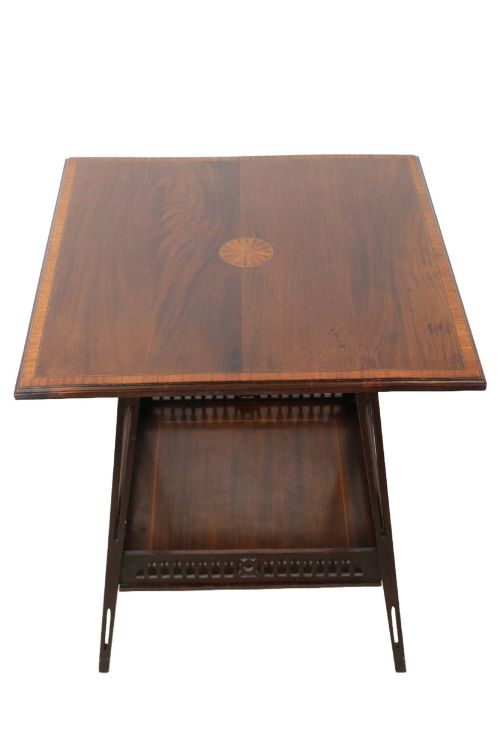
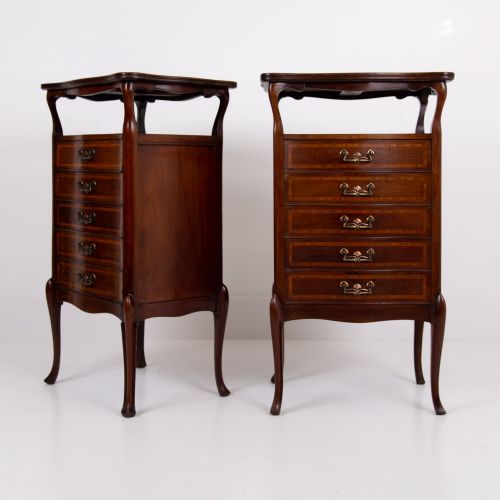
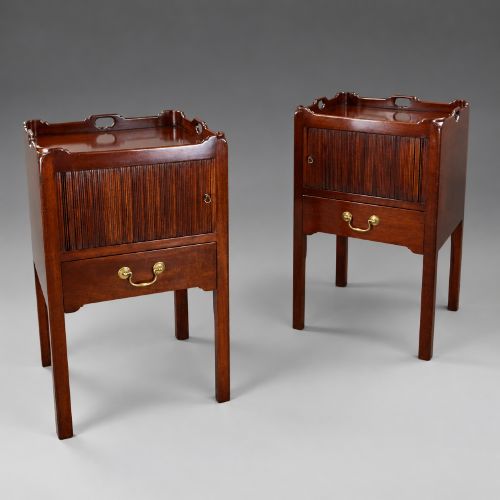
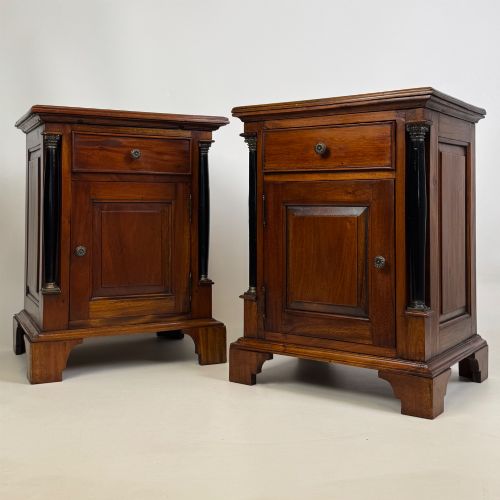
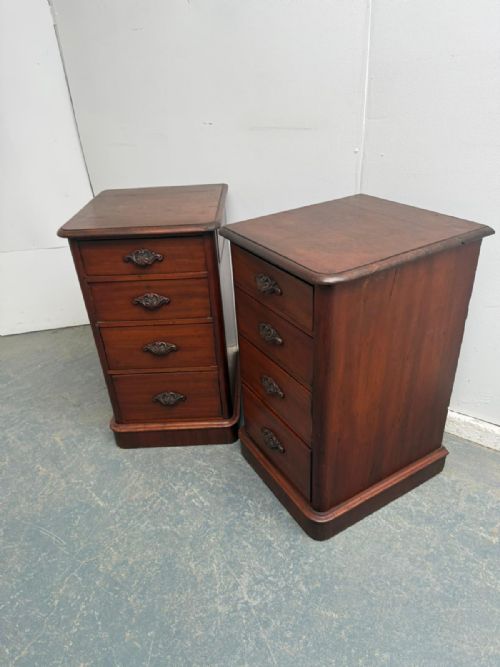
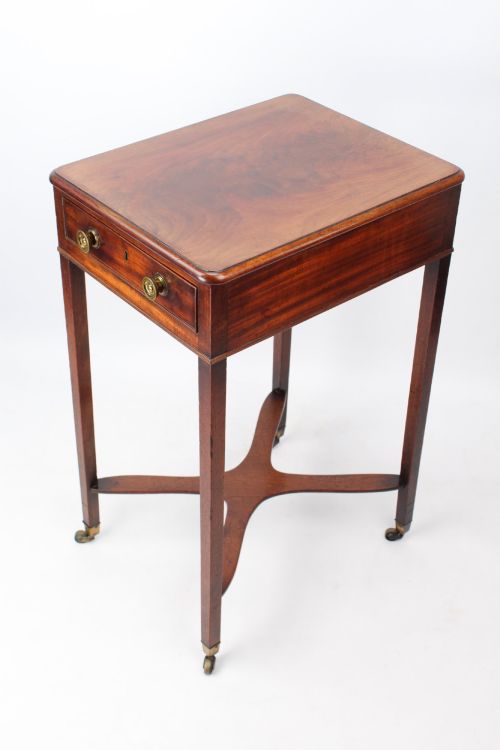
A mahogany nightstand table serves as a functional bedside companion, appearing across this selection in forms ranging from enclosed pot cupboards to multi-drawer chests and open side tables. Buyers encounter pieces stretching from the 18th century through the Victorian and Edwardian eras, reflecting changing domestic habits in bedroom storage.
The most common variants on this page include Victorian bedside chests, Georgian style cupboards, and Edwardian side tables. Makers of these periods utilised mahogany solids and veneers to construct compact units suited to holding chamber lighting and personal items.
How They Were Made
Cabinet makers relied primarily on mahogany timber, frequently enhanced with flame mahogany veneer to create figured grain patterns across drawer fronts and cupboard doors. Secondary woods and structural supports were built to withstand daily use in domestic bedchambers.
Surface embellishments involved subtle inlay work using boxwood and satinwood, alongside brass hardware such as drop handles and knob pulls. French polishing or wax finishes sealed the timber, protecting the surface while highlighting the natural reddish-brown hue of the mahogany.
Mahogany Nightstand Table Retail Price Guide 2026
Typical asking prices for mahogany nightstand table among the pieces listed under this phrase on Sellingantiques today, from the lower quarter to the upper quarter. They describe what is for sale here now, not the wider market.
Several bedside cupboards include discreet lower compartments originally engineered to keep midnight necessities safely out of sight.
What Varies in Quality
The distinction between standard utility items and superior examples lies in the selection of timber and the precision of the joinery. Pieces featuring matched flame mahogany veneers and thoughtful boxwood stringing demonstrate greater workshop skill than plain, utilitarian counterparts.
Structural integrity also separates grades, with tight dovetail joints in the drawers and solid mahogany framing indicating higher standards of period construction. Original brass mounts and well-preserved wax finishes preserve the physical character expected in better antique examples.
Trevor Page & Co·François Linke·Warings Liverpool
The Mahogany Nightstand Table Glossary
- Flame Mahogany
- A wood veneer cut from the fork of a mahogany tree where the branch meets the trunk, creating a distinct flickering flame pattern. This decorative figuring was prized by cabinet makers for prominent surfaces like drawer fronts.
- Pot Cupboard
- A small bedside cabinet originally designed to enclose a chamber pot. These pieces typically feature a single door above a cupboard space, often disguised as a set of small drawers.
- Satinwood
- A pale, lustrous timber native to India and Ceylon used for contrasting stringing and inlay. Craftsmen set thin strips of satinwood into darker mahogany backgrounds to define borders and panels.
- Tray Top
- A raised gallery edge fashioned around the top surface of a small table or nightstand. This rim prevented items from sliding off the compact surface during use.
- Dovetail
- A traditional wood joint formed by interlocking wedge-shaped fingers. Hand-cut dovetails indicate older furniture construction methods before industrial manufacturing took over.
Mahogany Nightstand Table: Frequently Asked Questions
What is a mahogany nightstand table?
A mahogany nightstand table is a small bedroom furniture piece designed to hold bedside items, typically constructed from mahogany wood.
These items appear as enclosed cupboards, small drawer chests, or open side tables dating from the Georgian period through to the Edwardian era.
How were these tables used originally?
In historical bedchambers, these pieces served practical daily functions such as holding chamber lighting, books, and personal belongings.
Enclosed versions frequently acted as night storage or concealed chamber pots before modern plumbing became standard in bedrooms.
How do I identify a Georgian piece?
Georgian pieces generally display restrained classical proportions, solid timber construction, and traditional joinery like hand-cut dovetails.
They often feature simple bracket feet, brass drop handles, and minimal decoration compared to later Victorian or Edwardian revivals.
How do I care for antique mahogany?
Antique mahogany benefits from consistent indoor humidity and protection from direct sunlight, which can fade the reddish timber.
Regular applications of traditional beeswax help maintain the sheen of the polished wood without damaging the historic surface.