

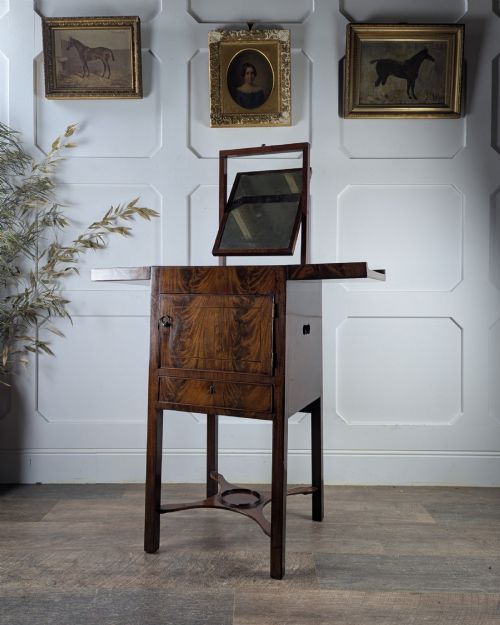
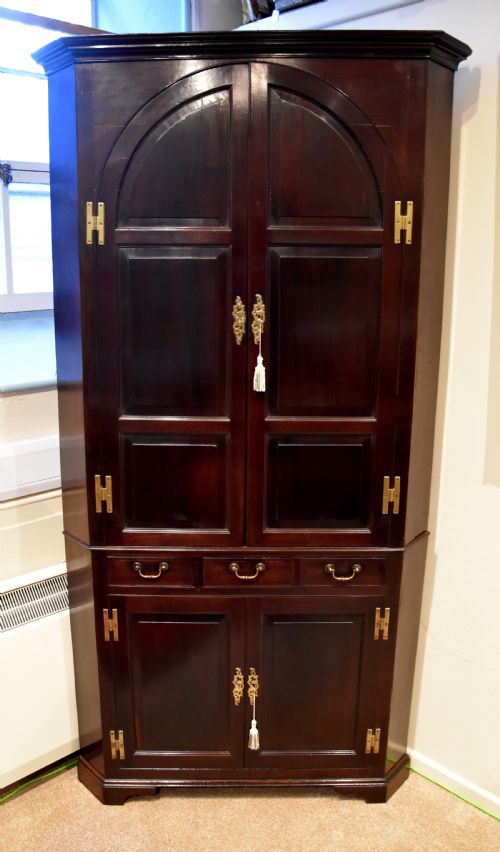


Cuban Mahogany Furniture
Cuban mahogany furniture brings dense weight and rich grain into a room, offering durability and deep colour that lasts centuries.

Cuban Mahogany Furniture
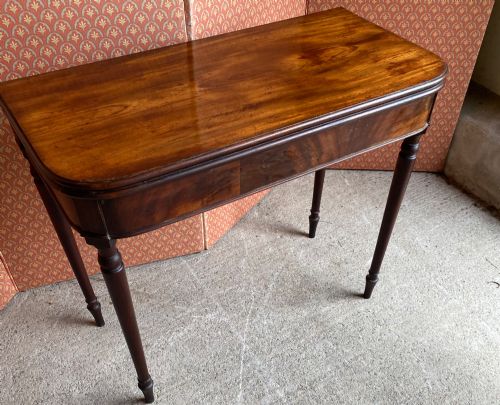
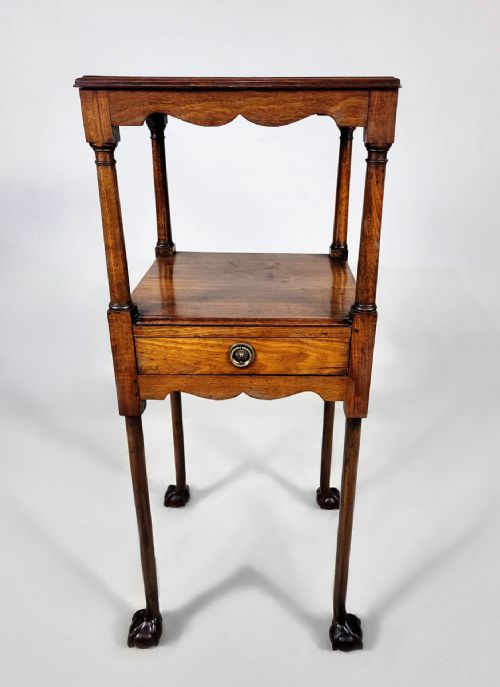
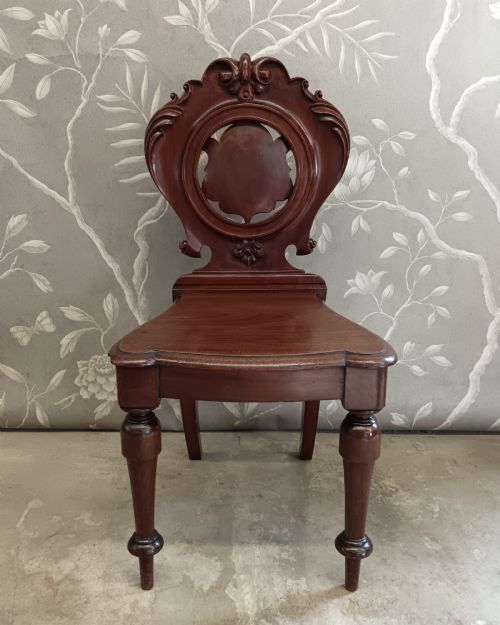
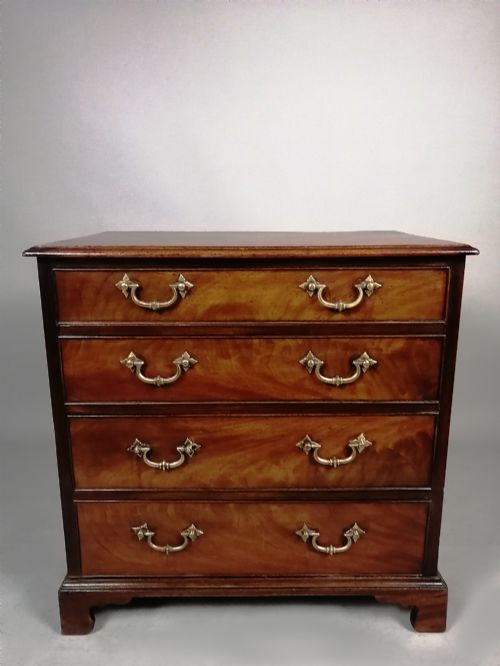
When you search for cuban mahogany furniture, you encounter dense timber objects dating from the eighteenth and nineteenth centuries. These pieces span Georgian and Regency eras, encompassing practical items for domestic use.
Originating from Caribbean forests before restrictions took hold, these pieces carry a characteristic heavy weight and dark red-brown hue. Buyers meet various forms, from corner cupboards to large dining tables.
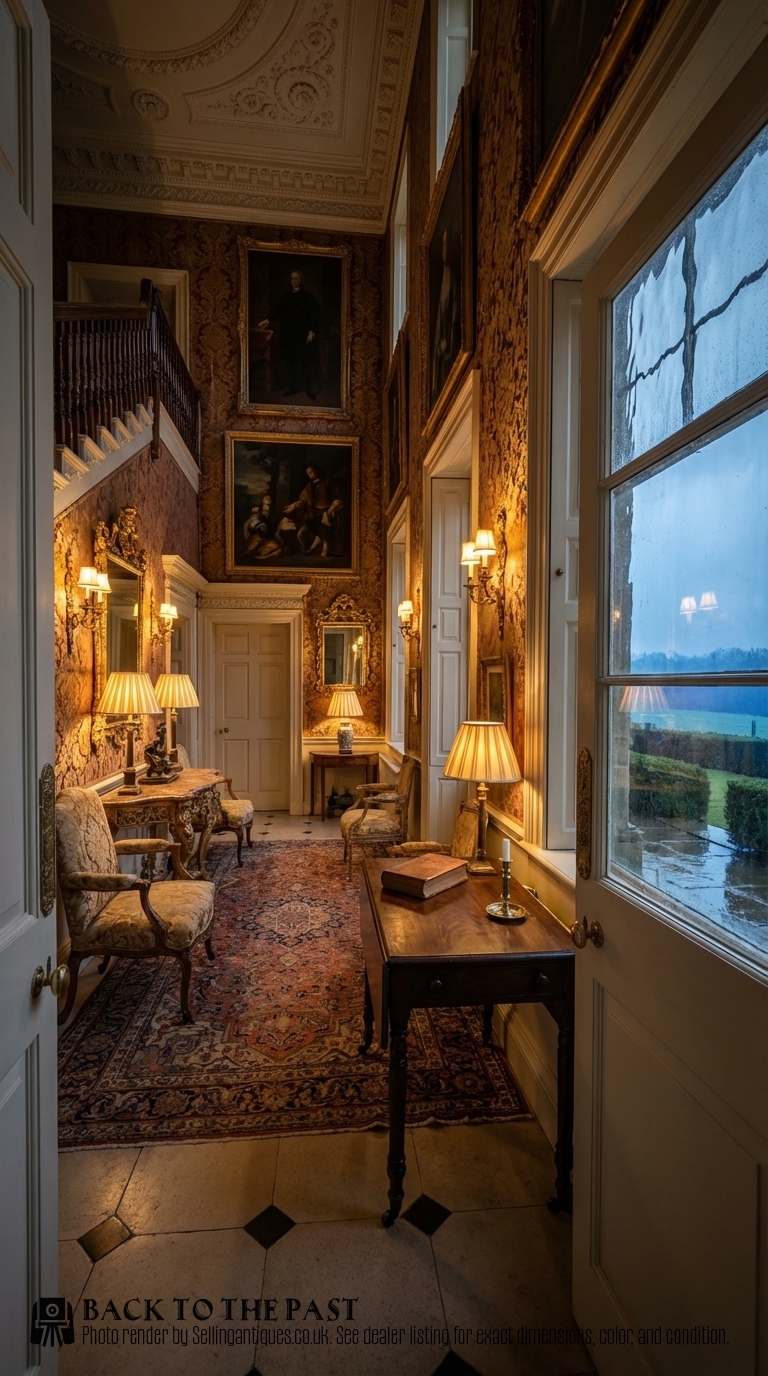
Materials and construction
Makers utilised dense Cuban mahogany timber, prized for its strength and rich grain patterns. Secondary timbers such as oak occasionally appear in internal drawer linings and structural framing.
Brass hardware, including castors, handles, and escutcheons, complements the dark wood. Joinery techniques involve precise dovetailing on drawers and solid timber construction for tables and desks.
Cuban Mahogany Furniture Retail Price Guide 2026
Typical asking prices for cuban mahogany furniture among the pieces listed under this phrase on Sellingantiques today, from the lower quarter to the upper quarter. They describe what is for sale here now, not the wider market.
Brass fittings and glass elements frequently accompany the timber framing across Georgian and Regency writing desks and side tables.
Evaluating quality and craftsmanship
Timber selection dictates the distinction between standard and superior pieces, with heavily figured grain patterns commanding greater attention. The depth of the natural polish and the crispness of carved details reveal the maker's skill.
Original brass fittings and untouched structural integrity elevate a piece. Finer examples retain their original surface patination, reflecting careful maintenance over generations.
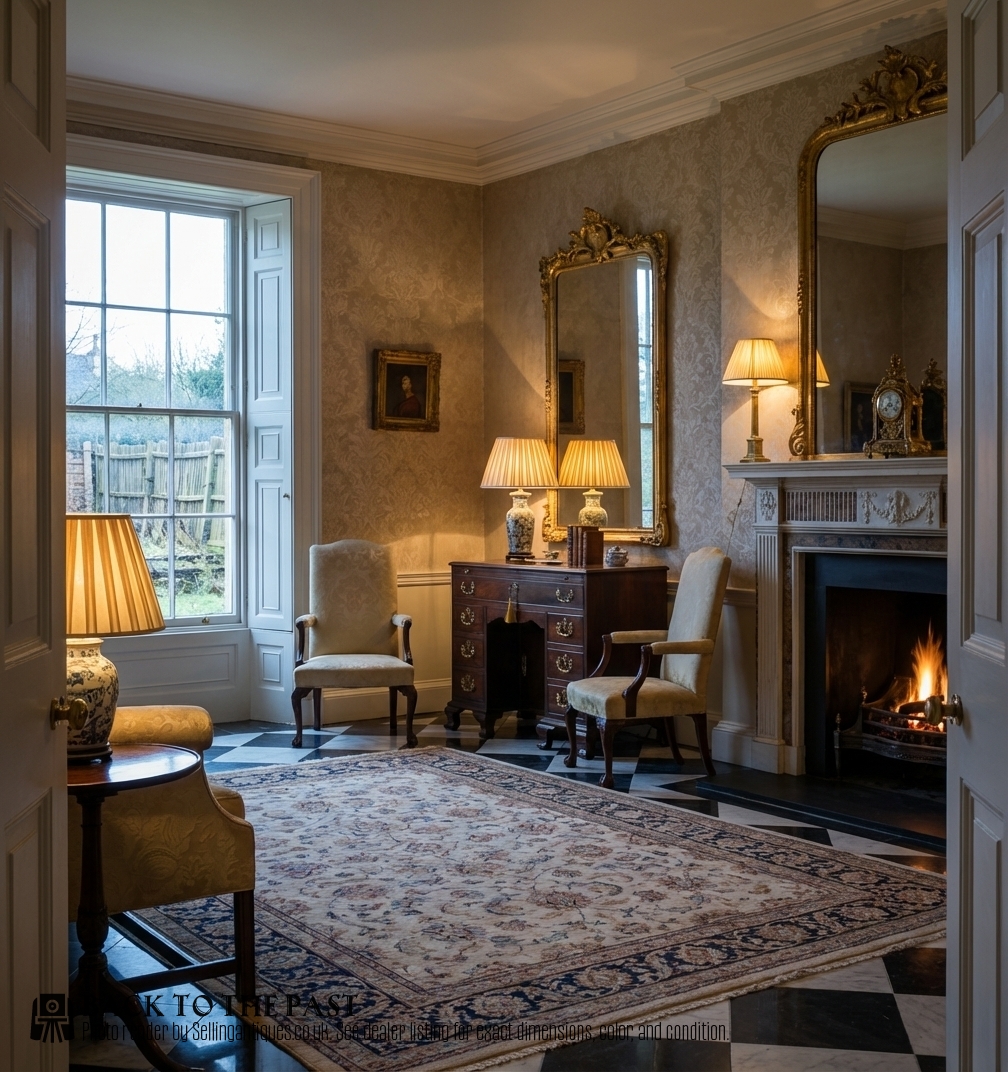
James Mein·James Shoolbred·Jewell's of Holborn
The Cuban Mahogany Furniture Glossary
- Cuban Mahogany
- Swietenia mahagoni, a dense and heavy hardwood harvested in the Caribbean. Its deep colour and rich figuring distinguish it from other mahogany species.
- Pembroke Table
- A small rectangular table with hinged drop leaves on either side. It typically includes a single drawer and slender legs.
- Kneehole Desk
- A compact writing desk featuring a central recessed space for the legs, flanked by pedestals of small drawers. This form became popular during the Georgian period.
- Dumb Waiter
- A tiered revolving stand used in dining rooms to hold dishes and glasses without requiring servant assistance. Examples often feature graduated circular trays on a central pillar.
- Patina
- The surface sheen and softening of edges developed by wood through age, handling, and waxing. It indicates genuine antique status.
Cuban Mahogany Furniture: Frequently Asked Questions
How do I identify Cuban mahogany?
Cuban mahogany is notably heavier and denser than other mahogany varieties, often displaying a deep, rich reddish-brown colour with complex grain patterns. It sinks in water due to its density.
Examining the weight and grain under natural light helps confirm the timber type used in older furniture.
What periods are these pieces from?
The pieces span the eighteenth and nineteenth centuries, largely covering the Georgian, Regency, and William IV eras. Construction methods and decorative motifs align with these specific decades.
Stylistic cues such as bracket feet, turned legs, and brass hardware assist in dating individual items accurately.
How should I care for this wood?
Maintain the timber by keeping it away from direct heat sources and strong sunlight, which can dry out and fade the polish. Regular dusting with a soft, dry cloth preserves the finish.
Applying a traditional beeswax polish occasionally helps nourish the surface and maintain the natural lustre without building up heavy residue.
Were these items used daily?
Most items served practical functions in domestic households, from dining tables and writing desks to chests of drawers and washstands. Their robust construction ensured they withstood daily use.
Over generations, this active service contributed to the development of natural surface wear and patination.