



Vintage Drop Leaf Console
These vintage drop leaf console pieces offer flexible surface area and clever folding flaps, bridging compact daily living with traditional dining utility.
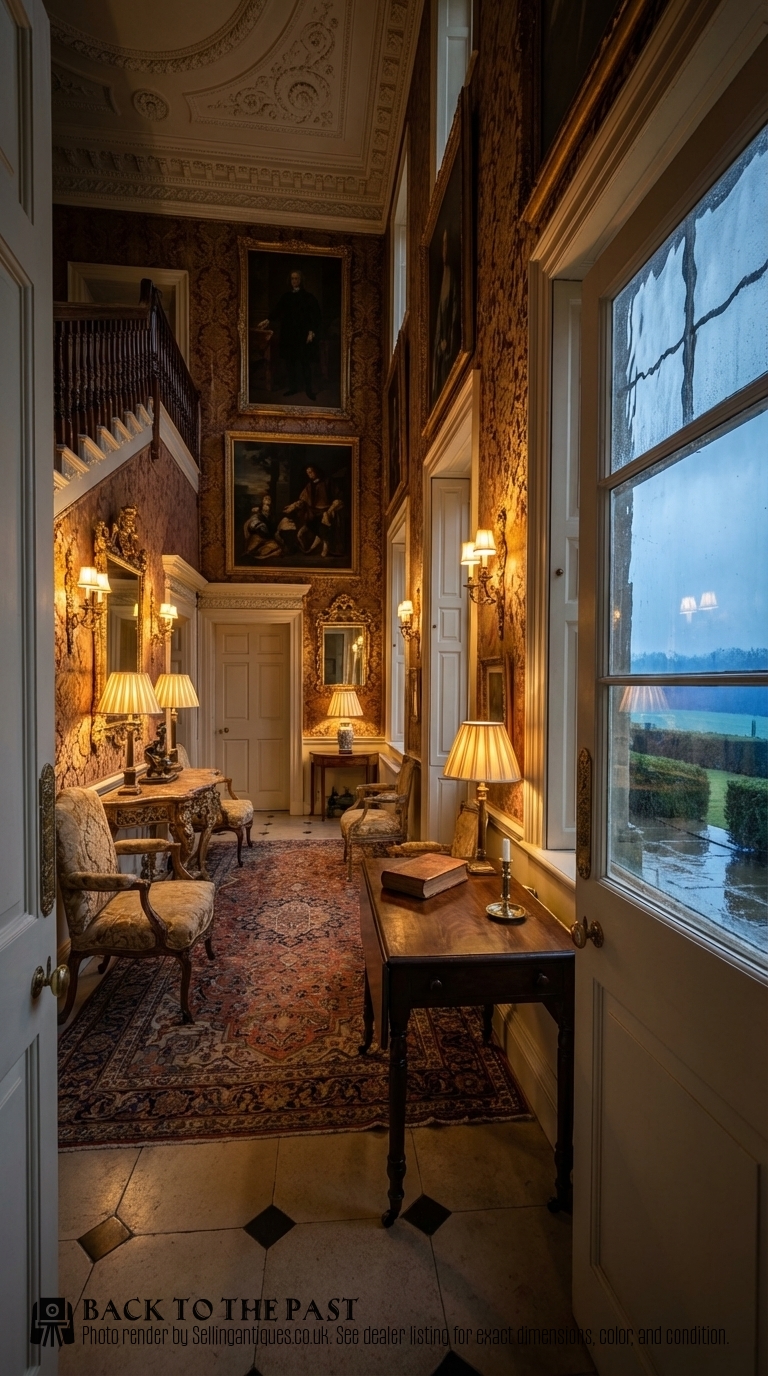
Understanding vintage drop leaf console selections
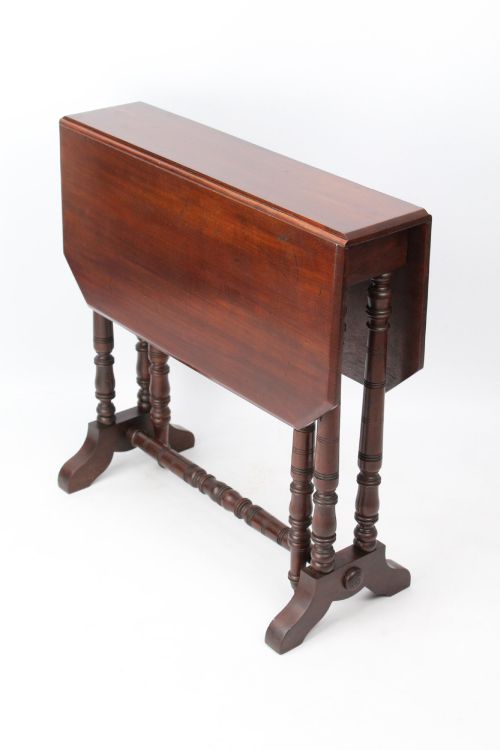
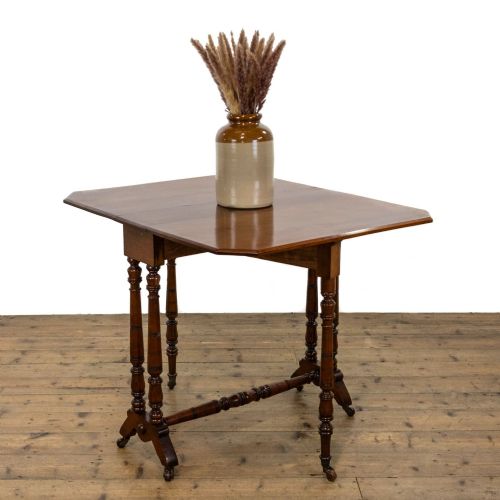
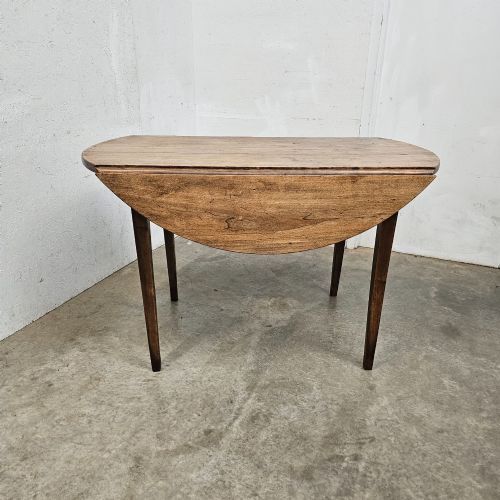
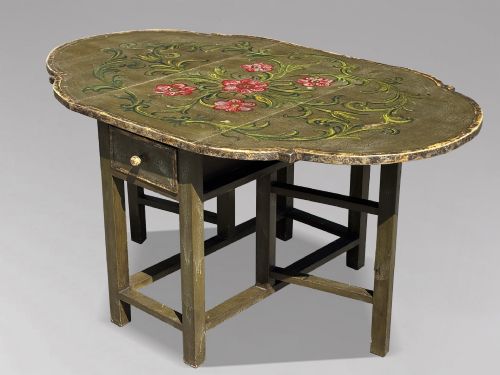
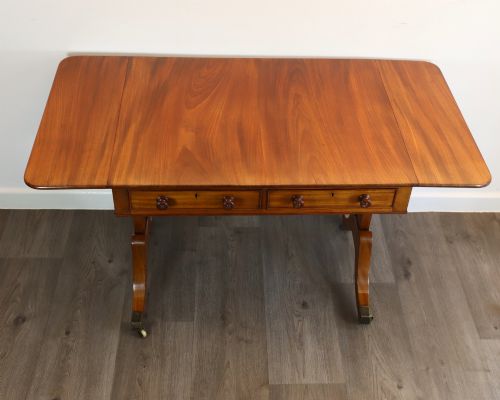
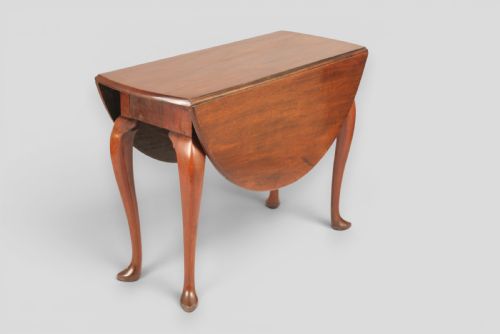
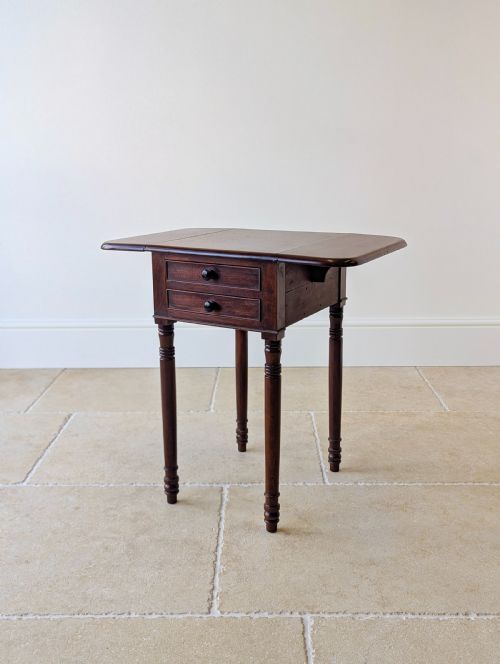
When searching for a vintage drop leaf console, buyers encounter a variety of forms including Sutherland tables, pembroke tables, sofa tables, and occasional tables. These pieces span periods from the nineteenth century through the Edwardian era, featuring classic folding mechanisms designed to save space.
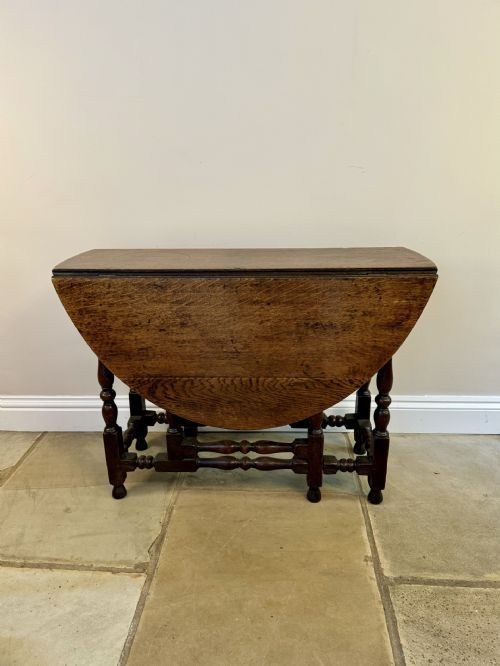
The versions most commonly met on this page range from Victorian walnut and oak designs to Regency mahogany sofa tables and Edwardian satinwood banded pieces. Each object type brings distinct proportions, with drop leaves supported by swing legs or gate legs when extended.
Origins represented across these items point to traditional English cabinet making, encompassing styles from the Victorian Aesthetic Movement to English Country and Regency designs. The variety reflects how these tables adapted to drawing rooms, parlours, and sitting rooms over successive generations.
Materials and construction methods
Cabinet makers utilised a range of timbers including mahogany, burr walnut, oak, satinwood, and Cuban mahogany, often selecting figured veneers for table tops. Brass fittings, such as castors and hinges, supplemented the wooden structures to support the folding leaves and mobility.
Techniques relied on traditional joinery to accommodate the movement of drop leaves and gate leg supports. Surface finishes were applied to enhance the natural grain of the woods, while specialised items incorporated ceramic elements or faux bamboo detailing.
Retail Price Guide 2026
Typical UK retail prices for vintage drop leaf console, calculated from the Sellingantiques database of over a million retail prices indexed since 2003. This retail price guide relies exclusively on Sellingantiques data; no external sources or auction records are used, so the figures do not describe the wider market.
Makers even turned plain wood into exotic bamboo for Victorian whimsy.
Distinguishing quality across the range
Quality in these pieces rests upon the choice of timber and the precision of the veneer work, particularly on figured mahogany and burr walnut surfaces. Superior examples demonstrate seamless integration of the drop leaf hinges and stable gate leg action that functions smoothly without sagging.
Refinement in secondary details, such as satinwood banding, brass castors, and structural turning, separates standard utilitarian pieces from more ambitious cabinet work. The integrity of the original construction and the preservation of the timber grain dictate the standing of each individual table.
The Vintage Drop Leaf Console Glossary
- Drop leaf table
- A table with a fixed central section and hinged flaps that fold down to save space. These flaps are supported by swing legs or brackets when raised.
- Sutherland table
- A narrow style of drop leaf table originating in the Victorian period where both leaves drop almost vertically. They are characterised by particularly slender proportions and complex gate leg frames.
- Pembroke table
- A small occasional table featuring two hinged leaves on opposite sides and usually one or more small drawers. The design became popular during the eighteenth and nineteenth centuries for versatile parlour use.
- Sofa table
- A rectangular occasional table traditionally placed in front of a sofa, featuring drop leaves on either side. These tables often incorporate stretcher bases and twin pedestals or end supports.
- Veneer
- A thin layer of finely figured wood applied to a base timber to provide decorative surface patterns. Burr walnut and figured mahogany are frequently utilised in this manner.
- Gate leg
- A hinged leg that swings outward from the frame to support a raised leaf on a table. This structural element provides stability when the leaves are extended.
Frequently Asked Questions
How were these tables used originally?
These tables served flexible domestic functions, easily pulled out for tea, writing, or needlework and folded down against a wall when floor space was needed. Their movable leaves allowed them to adapt rapidly to the demands of Victorian and Regency entertaining.
In sitting rooms and drawing rooms, smaller pembroke and Sutherland variations acted as convenient surfaces for books and lamps. They sat readily beside upholstery without dominating the room.
How do I identify a Regency piece?
Regency items typically display classical proportions, dark figured mahogany timbers, and restrained brass mounts influenced by ancient Greek and Roman designs. Construction from this era prioritises architectural lines and architectural pedestal supports.
By contrast, later Victorian and Edwardian examples often introduce lighter woods like satinwood or decorative finishes such as faux bamboo. Examining the timber choice and leg turning helps reveal the period of manufacture.
Can these tables be used in small modern rooms?
Their folding leaves make vintage drop leaf console options well suited to compact contemporary living spaces. With the flaps down, they occupy minimal depth against a wall or behind a sofa.
When extra surface area is required for dining or working, the leaves lift easily into place. This duality provides practical utility without sacrificing floor area.