

Compact Dining Table
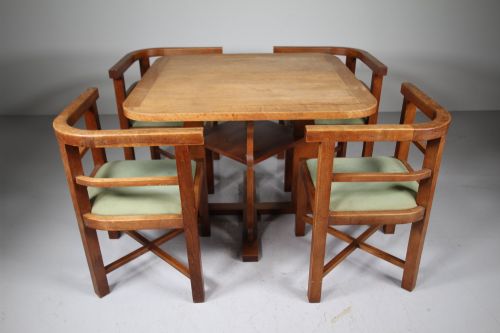
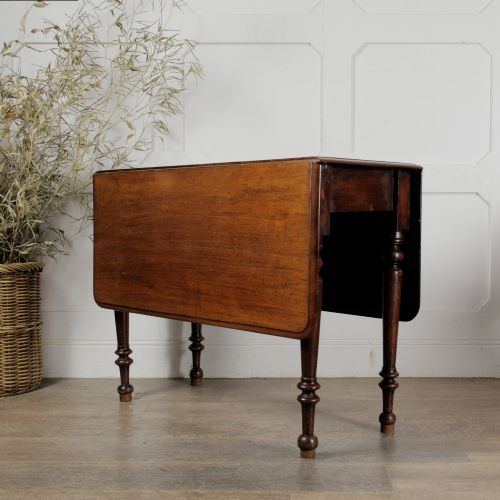
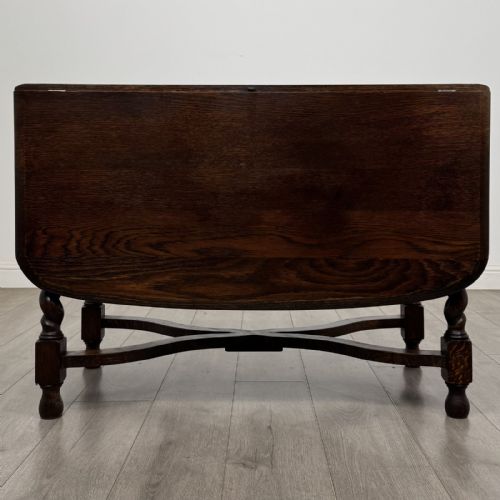
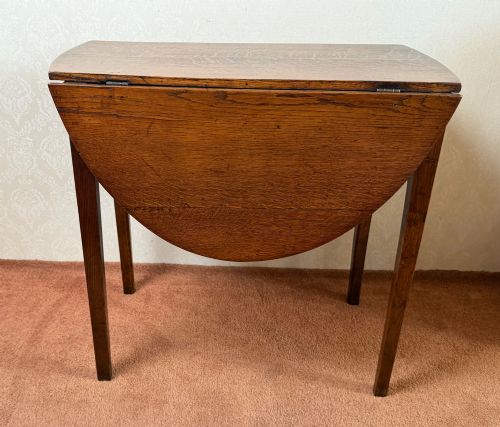
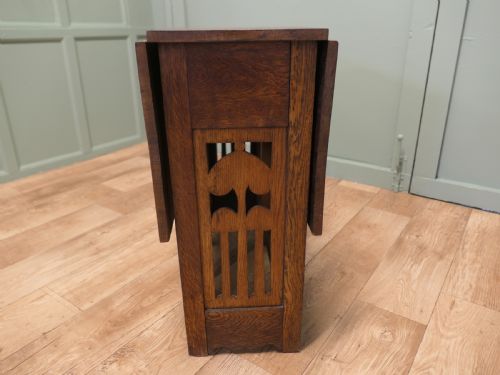
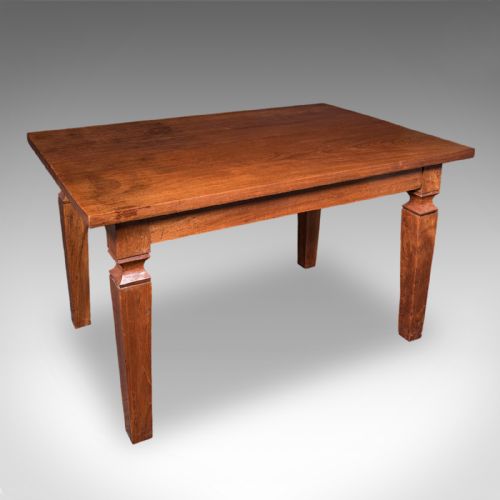
A compact dining table is a space-saving surface designed for smaller rooms, most commonly appearing here in oak or mahogany gateleg and drop-leaf formats.
Compact Dining Table
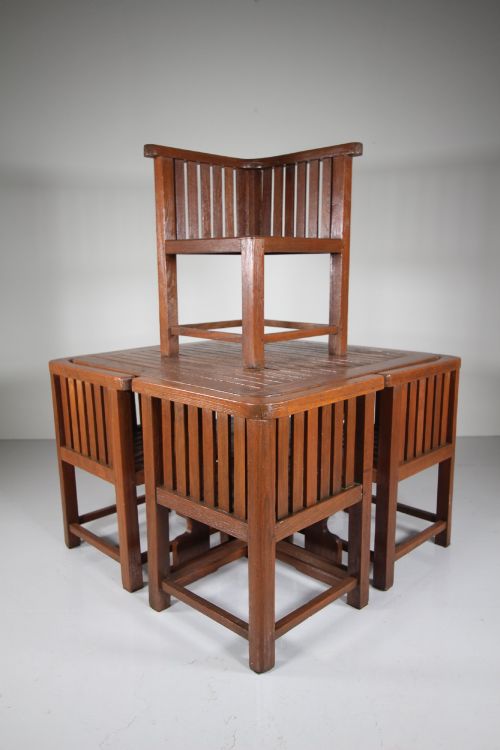
A compact dining table offers a practical surface for eating and gathering without dominating a room, typically designed to fold, drop or extend when needed. When searching for a compact dining table, you will encounter diverse historical iterations spanning from the seventeenth century through to the Edwardian period and the early twentieth century.
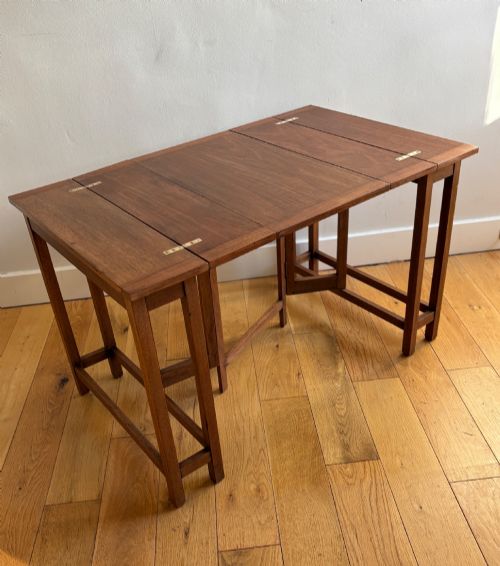
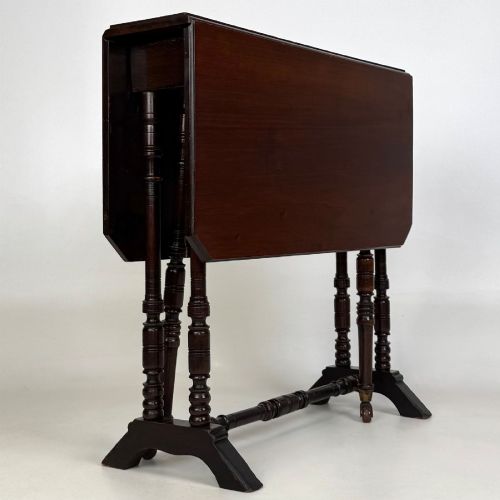
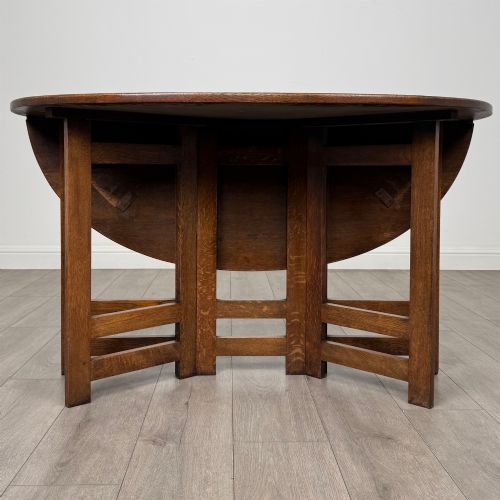
The selections available here rely heavily on clever engineering such as gatelegs, drop leaves and Sutherland designs. These configurations allow timber surfaces to expand for meals and contract neatly against a wall afterward.
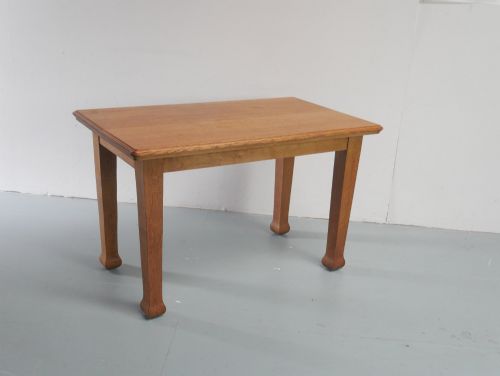
Oak and mahogany dominate the offerings, appearing in forms ranging from rustic seventeenth-century farmhouse styles to refined Victorian walnut and Edwardian mahogany pieces. Buyers frequently find smaller proportions well-suited to modern living spaces while retaining genuine period character.
How they were made
Cabinet makers constructed these pieces primarily using solid timbers like oak, mahogany, walnut and pine, often finished with turned legs such as barley twists or delicate spider supports. Joinery relied on traditional techniques including pegged mortise and tenon joints, ensuring stability despite the moving parts required by drop leaves.
Surface treatments involved natural oils, waxes and French polishes that enhanced the grain of burr walnut, yew wood and golden oak. Hinges and pivot mechanisms forged from brass or iron permitted leaves to drop smoothly while supporting the extended weight during use.
Compact Dining Table Retail Price Guide 2026
Typical asking prices for compact dining table among the pieces listed under this phrase on Sellingantiques today, from the lower quarter to the upper quarter. They describe what is for sale here now, not the wider market.
Listings feature periods spanning from the seventeenth century through to the 1930s, constructed predominantly in oak, mahogany and walnut.
What varies in quality
Quality separates pieces by the selection of timber figures, such as highly figured burr walnut or dense, richly patinated seventeenth-century oak. Superior examples exhibit refined turning on the legs and tight, precise joints that withstand regular folding and unfolding.
Proportion and untouched original patination elevate certain items above standard utility furniture. Tables retaining their authentic surface finish and balanced proportions command greater appreciation among collectors and interior designers.
The Compact Dining Table Glossary
- Gateleg table
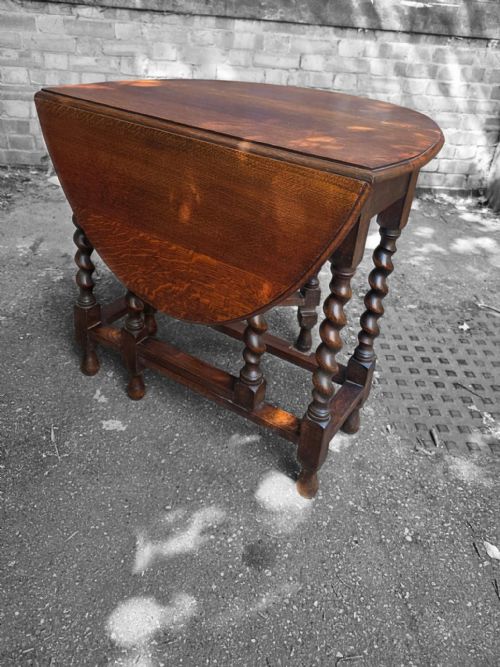
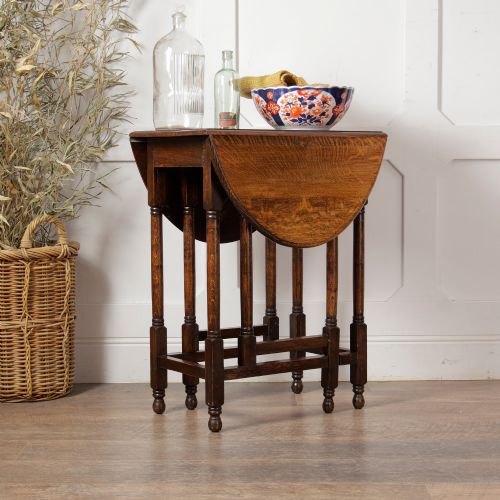
- A table with hinged leaves supported by legs that swing out like a gate to hold the leaves up. This clever design allows the surface area to double when opened for dining.
- Sutherland table
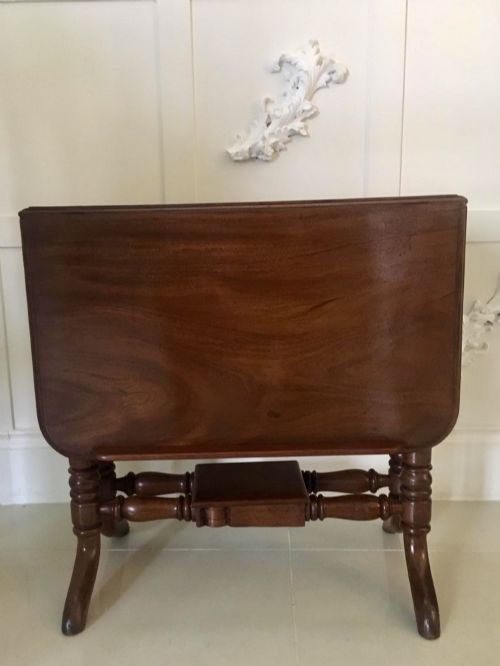
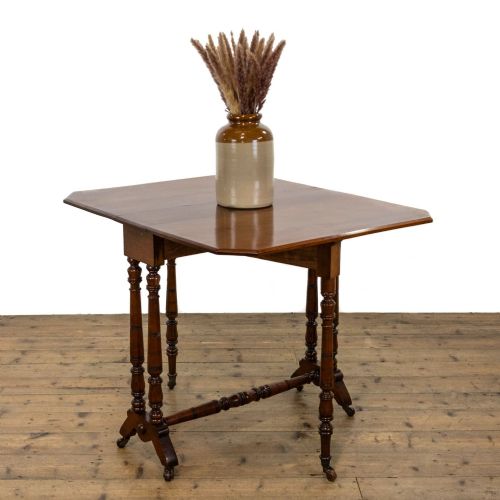
- A particularly narrow style of drop-leaf table featuring very small leaves and slender legs, popular during the Victorian era. When folded down, it occupies minimal floor space.
- Barley twist
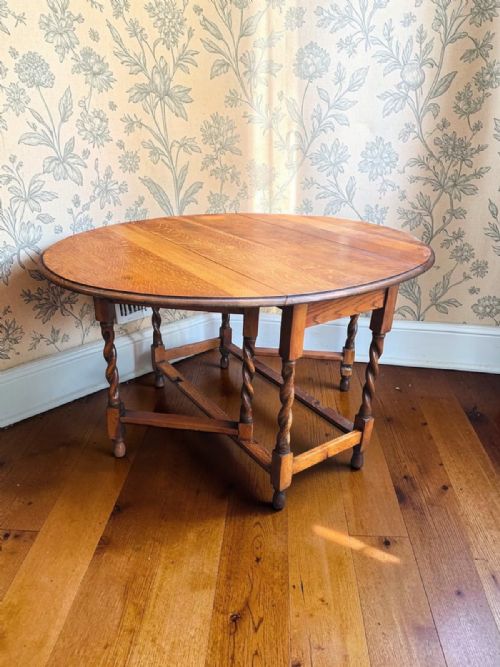
- A decorative turning technique shaped like a spiral or helix, commonly found on the legs of seventeenth-century and early twentieth-century oak tables. It adds architectural texture to the support structure.
- Drop-leaf table
- A table with a fixed centre section and hinged leaves that fold down at the sides. It provides adjustable surface space for various domestic tasks.
- Patina
- The lustrous surface sheen and mellow colour developed on antique wood over centuries of handling, exposure and waxing. It serves as a visible marker of age and honest use.
Compact Dining Table: Frequently Asked Questions
How do I choose a compact dining table?
Consider the daily footprint you need in your room versus the maximum seating capacity required when hosting guests. Drop-leaf and gateleg configurations offer the most flexibility for adjusting surface area on demand.
Match the timber and period style to your existing interior, keeping in mind that oak suits rustic schemes while mahogany and walnut lean toward formal aesthetics.
Can I use a gateleg table daily?
These tables were built for everyday domestic life, utilising sturdy gate mechanisms to support folding leaves during meals. Their historical longevity proves their structural resilience under normal household use.
Ensure you operate the swing legs carefully and avoid placing excessive weight on the unsupported outer edges of extended leaves.
What is a Sutherland table used for?
A Sutherland table functions as a versatile occasional or tea table that expands when guests arrive. Its exceptionally narrow profile when folded makes it ideal for placement against a hallway or living room wall.
Victorian households utilised them extensively in smaller parlours where permanent large furniture would restrict movement.
How do I date an oak table?
Dating relies on examining construction methods, timber selection, turning styles and hardware types. Seventeenth-century pieces typically display hand-pegged joinery and dense, dark oak, while Edwardian revivals often incorporate lighter oak and machine-tooled elements.
Comparing the patina and overall proportions against documented historical periods helps narrow down the decade of manufacture.