


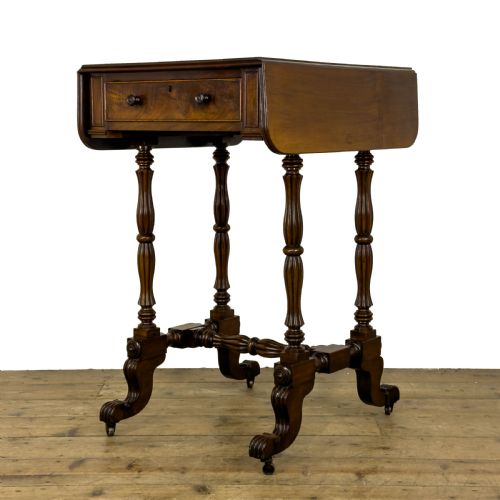
Vintage Sewing Table
These vintage sewing table pieces are compact companions for needlework and small tasks, combining practical storage with fine cabinetmaking.
What vintage sewing tables are
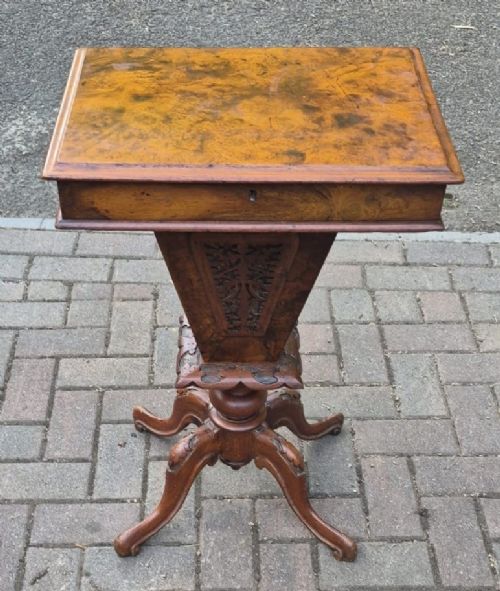
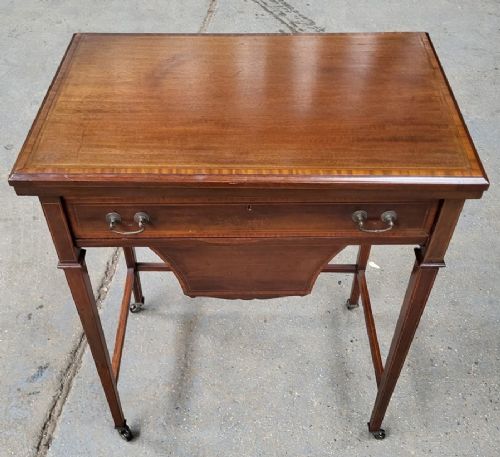
When you search for a vintage sewing table, you find specialised furniture designed to hold threads, needles, and textiles close at hand during handwork. These pieces date across various eras, including the Georgian, Victorian, Edwardian, and Art Deco periods.
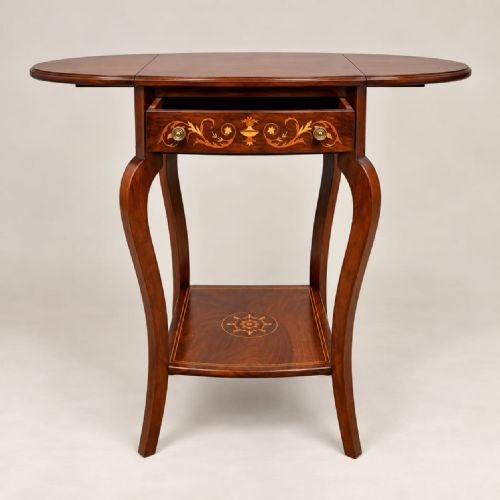
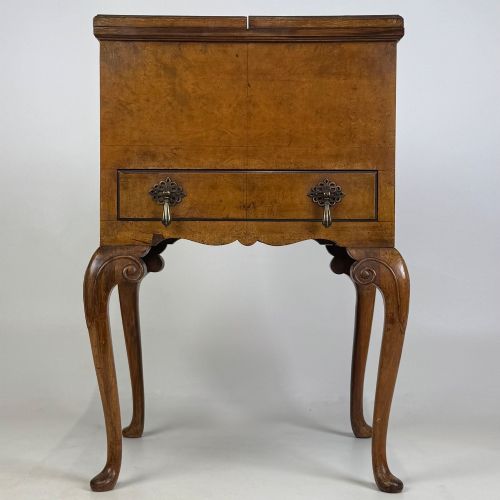
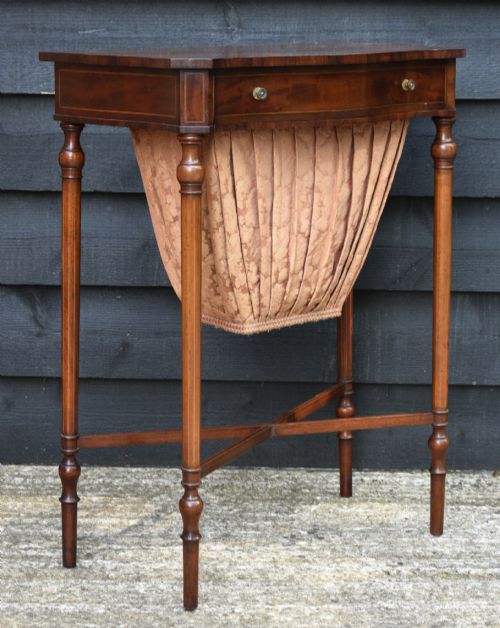
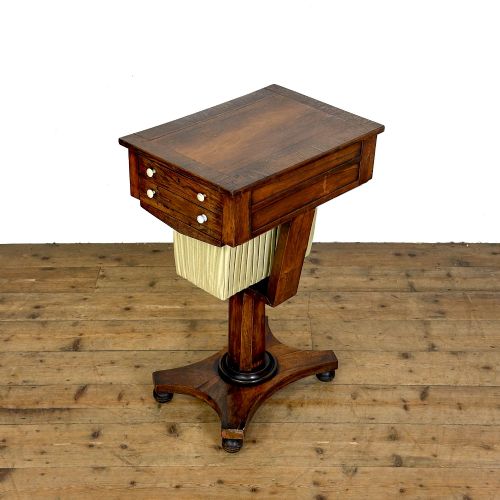
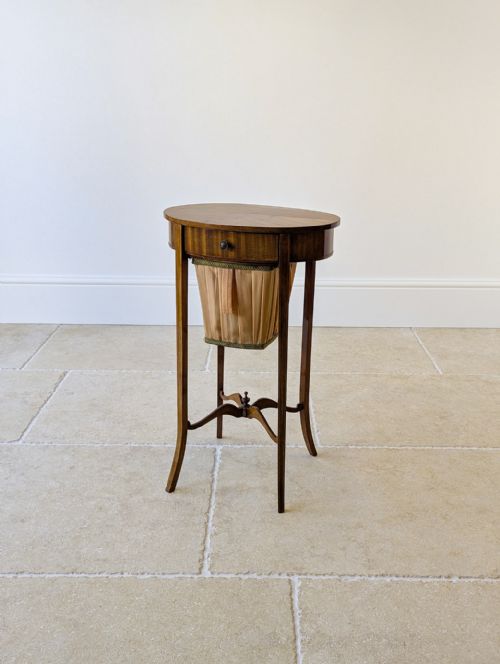
The versions most common on this page appear as work tables, occasional tables, side tables, and work box tables. Some examples include integrated silk baskets or compartments beneath the top to keep materials organised.
Makers fashioned these items in forms ranging from octagonal side tables to classical pedestal designs. They function equally well today as lamp tables, bedside stands, or decorative accents in a living space.
How they were made
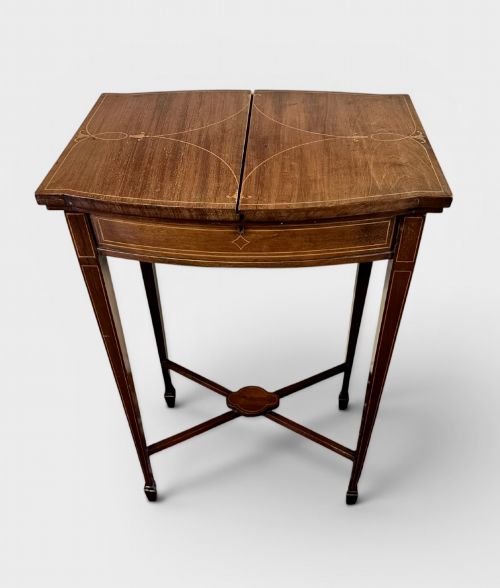
Cabinetmakers utilised dense timbers such as mahogany, rosewood, walnut, and satinwood to build the frames and carcasses. Artisans often added contrasting stringing and boxwood details to elevate the visual appeal of the surfaces.
Makers incorporated delicate fabric and silk components to line the internal baskets and hanging bags that store sewing implements. Brass fittings, including castors and key escutcheons, complete the construction of these refined small tables.
Retail Price Guide 2026
Typical UK retail prices for vintage sewing table, calculated from the Sellingantiques database of over a million retail prices indexed since 2003. This retail price guide relies exclusively on Sellingantiques data; no external sources or auction records are used, so the figures do not describe the wider market.
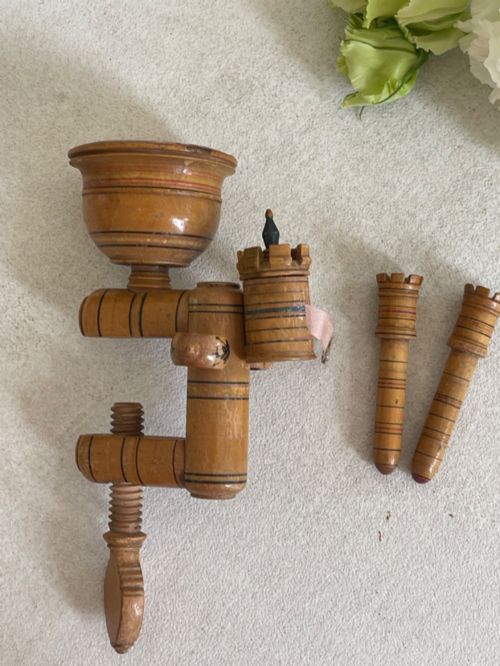
Some sewing tables hide tiny compartments designed specifically for winding delicate silk threads.
What varies in quality
The distinction between standard examples and the finest pieces lies in the choice of timber figure and the precision of the cabinetwork. Subtle mahogany grains and intricate satinwood veneers indicate a higher grade of manufacture.
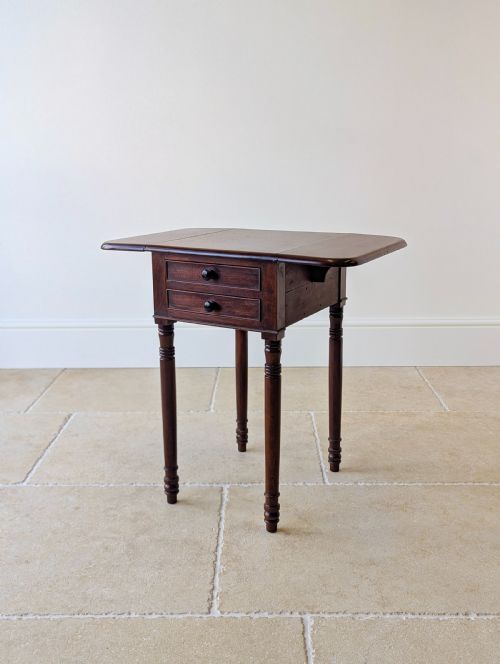
Superior execution shows in the crispness of inlaid boxwood lines, the smooth movement of internal compartments, and the intact survival of original silk baskets. Secondary woods and simpler turned supports typically mark more utilitarian work.
The Vintage Sewing Table Glossary
- Work table
- A small movable piece of furniture containing drawers or a fabric bag for holding needlework and sewing tools. These items became essential domestic fixtures during the Georgian and Victorian eras.
- Satinwood
- A durable, light yellowish-brown timber prized for its reflective sheen and smooth texture. Cabinetmakers used it extensively for veneers and decorative stringing on fine tables.
- Inlay
- A technique where pieces of contrasting wood, such as boxwood, are set into recesses flush with the surface to create geometric or floral patterns. This method enhances the decorative detail of period furniture.
- Escutcheon
- A small protective plate surrounding a keyhole, usually cast in brass. It prevents the wood from becoming worn around the lock during daily use.
Frequently Asked Questions
What is a vintage sewing table?
A vintage sewing table is a compact piece of furniture designed specifically to hold needlework accessories, threads, and small tools. These items typically feature hidden compartments, drawers, or hanging fabric bags beneath the main surface.
Historically used by ladies in the parlour or drawing room, they offer versatile surface space today. Many collectors utilise them as lamp tables or bedside stands in smaller rooms.
How do I date a sewing table?
Dating a sewing table requires examining the primary timbers, construction methods, and prevailing style of the piece. Georgian and Regency examples often feature mahogany with classical proportions, while Edwardian pieces frequently showcase inlaid mahogany and octagonal tops.
Later items from the Art Deco period introduce satinwood and walnut with cleaner, more geometric lines. Comparing the secondary woods and hardware helps confirm the manufacturing era.
Can I use a sewing table as a bedside table?
These tables adapt well to modern domestic spaces as bedside stands or hallway surfaces. Their compact footprints and enclosed storage make them ideal for keeping small personal items out of sight.
Care should be taken to protect delicate timber surfaces and fabric components from moisture or heavy objects. Placing a small lamp or coaster on top preserves the polished wood finish.
What is a work box table?
A work box table combines a small tabletop surface with an integrated storage box or compartment directly beneath. This design keeps ongoing textile projects tidy and accessible without cluttering the room.
Many incorporate sliding trays or suspended silk baskets to sort different types of thread and needles. They represent a specialised subset of domestic furniture from the nineteenth and early twentieth centuries.