




Antique Workbox Table
An antique workbox table brings practical elegance to a room, combining a fitted interior for needlework with a steady surface for daily use.

Antique Workbox Table
An antique workbox table serves as a multi-purpose piece designed for domestic sewing and writing tasks, featuring compartments for thread, needles, and fabric. These furnishings frequently double as occasional or side tables in sitting rooms.
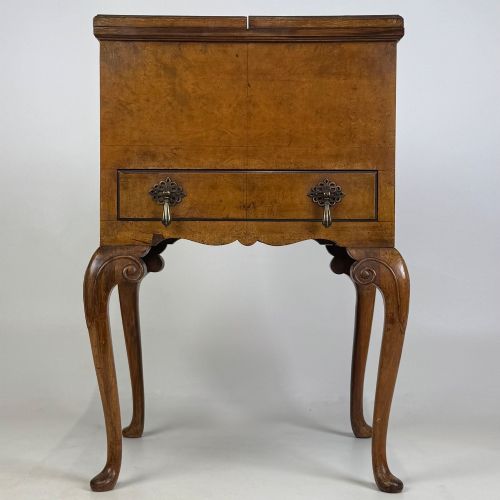
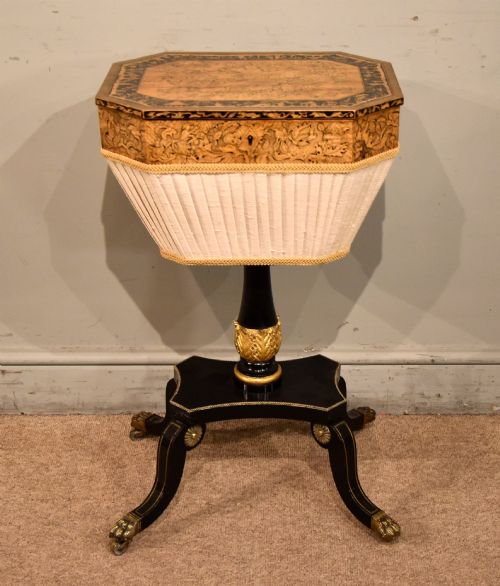
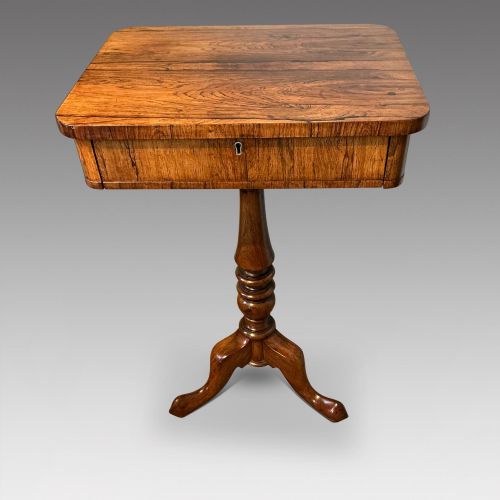
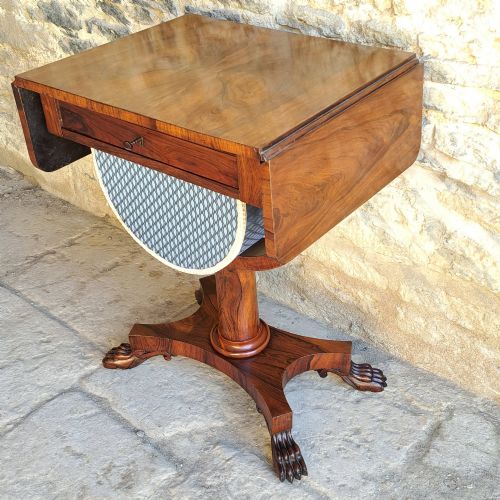
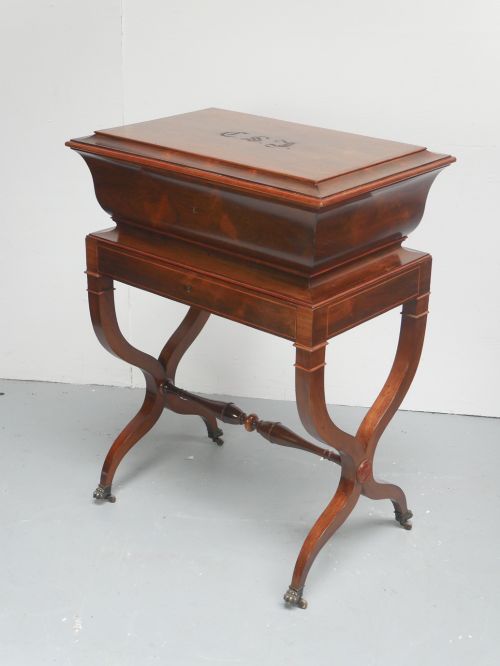
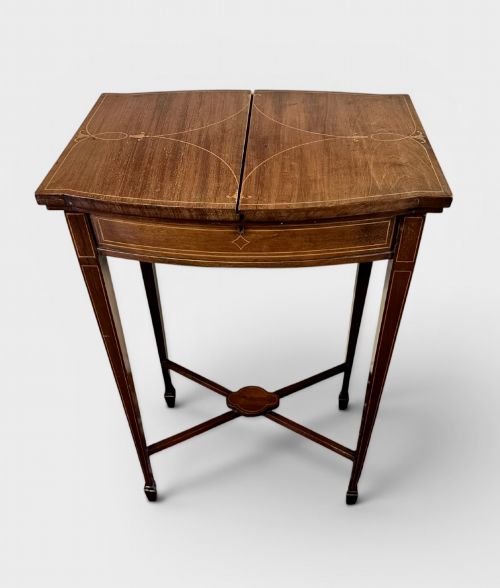
The variations seen most often on this page span the Regency, Victorian, and Edwardian periods. Pieces range from trumpet-shaped walnut stands to mahogany and rosewood tables with lift tops or drawers.
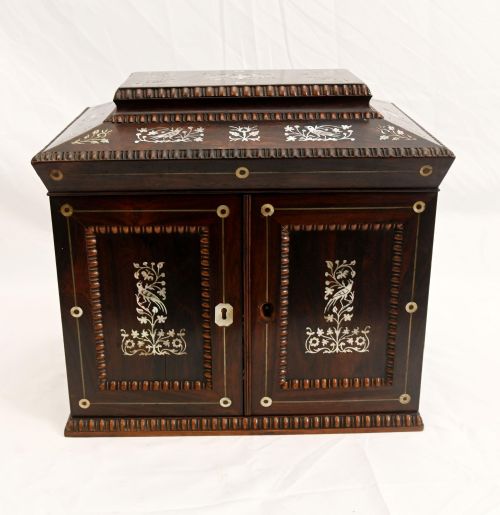
Makers utilised various regional timbers and exotic veneers, resulting in forms that function equally as games tables, jewellery chests, or compact lamp tables alongside standard sewing work.
How they were made
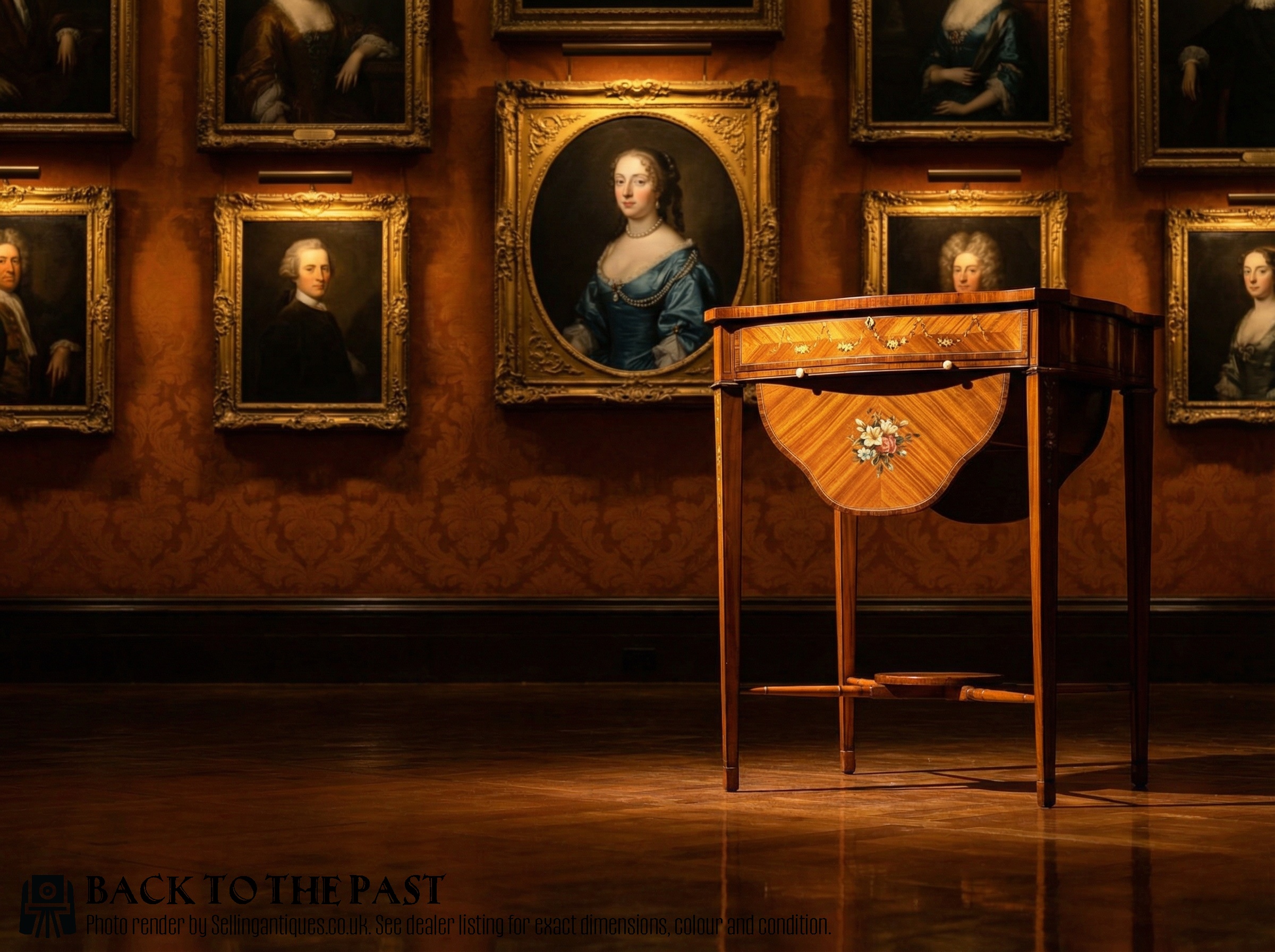
Cabinet makers built these tables using solid hardwoods such as mahogany, rosewood, and walnut, frequently applying burr veneers to visible surfaces for decorative depth. Inlaid shell motifs, penwork, and brass details often accent the primary timber framework.
Interiors reveal fitted compartments, trays, and silk catch-bags designed to house sewing implements, supported by pedestal bases, carved legs, or bamboo frames depending on the period.
Antique Workbox Table Retail Price Guide 2026
Typical asking prices for workbox table among the pieces listed under this phrase on Sellingantiques today, from the lower quarter to the upper quarter. They describe what is for sale here now, not the wider market.
What varies in quality
The standard of timber selection and the precision of the veneer matching dictate the initial distinction between ordinary examples and finer workshop pieces. Superior items display meticulous figuring in the burr walnut or flame mahogany.
Interior complexity and the retention of original fitted trays, compartments, and delicate fabric workbags determine the desirability of the piece. Craftsmanship in the joinery of small drawers and the crispness of any inlay further separate standard production from high-grade commissions.
Lesage
The Antique Workbox Table Glossary
- Workbox table
- A small household table incorporating a storage compartment or box for sewing equipment and small valuables. These items often feature a hinged lid or a suspended fabric bag beneath.
- Trumpet table
- A pedestal table characterised by an octagonal or flared body widening towards the base, commonly seen in Victorian walnut sewing pieces.
- Penwork
- A decorative technique using ink to draw intricate patterns on wood surfaces, frequently seen on Regency pieces.
- Fitted interior
- An organised arrangement of small compartments, lids, and covered wells inside the workbox for needles and threads.
Antique Workbox Table: Frequently Asked Questions
What is an antique workbox table?
An antique workbox table is a dual-purpose piece of furniture designed to provide a steady surface while concealing internal compartments for sewing and needlework.
These tables date primarily from the Regency, Victorian, and Edwardian eras, appearing in forms ranging from pedestal stands to compact cabinet designs.
How were workbox tables used?
Households utilised these tables for domestic textile tasks, storing threads, patterns, and needles within the fitted interior compartments beneath the lid.
They also functioned as general side tables, lamp stands, or occasional games tables for chess and draughts.
How do I identify a Victorian work table?
Victorian examples frequently showcase burr walnut or mahogany timbers, often featuring trumpet-shaped bodies or intricate marquetry inlay.
Many of these pieces include hinged tops that open to reveal fitted compartments and silk workbags.
What woods were used for work tables?
Cabinet makers employed a variety of hardwoods, with mahogany and rosewood dominating earlier Regency designs and burr walnut prevailing in the Victorian period.
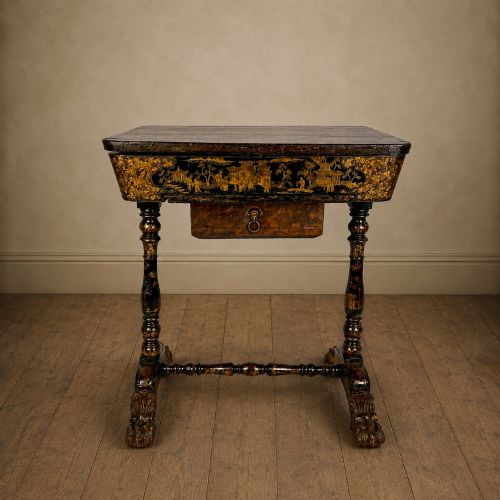
Finer models incorporated satinwood veneers, pollard oak, or exotic lacquered finishes to enhance their decorative appeal.