

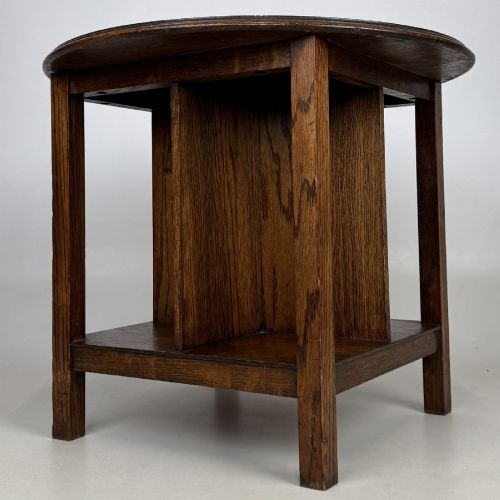
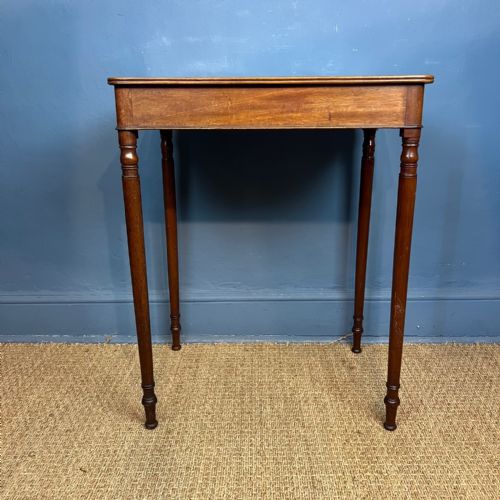
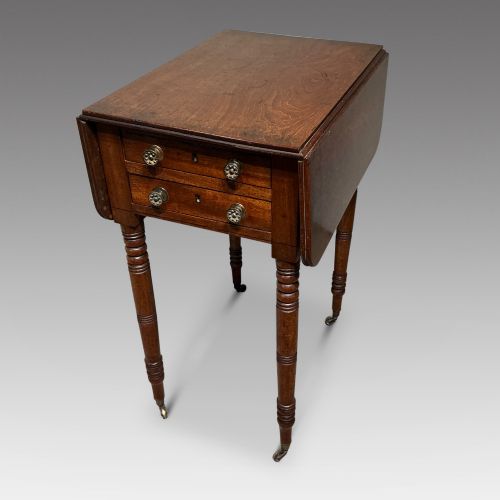
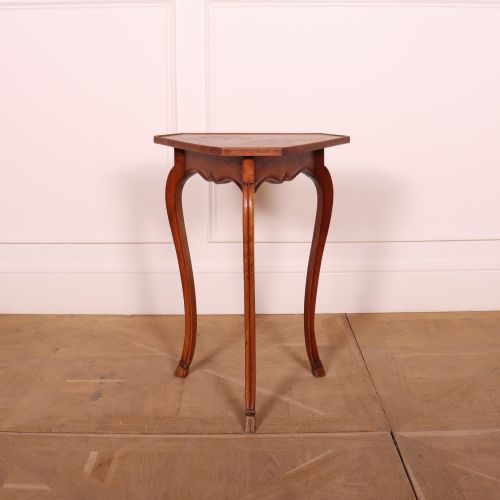
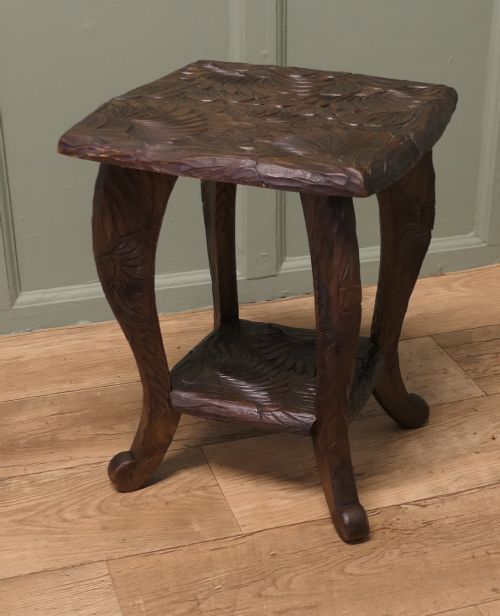
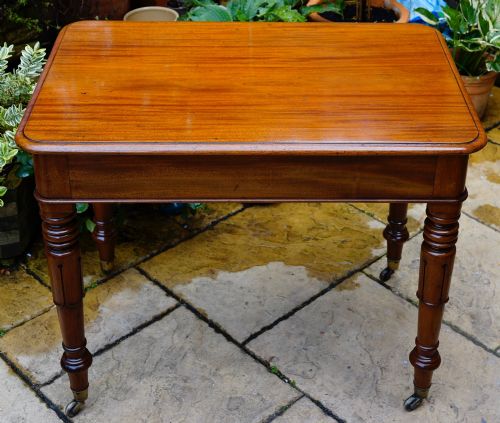
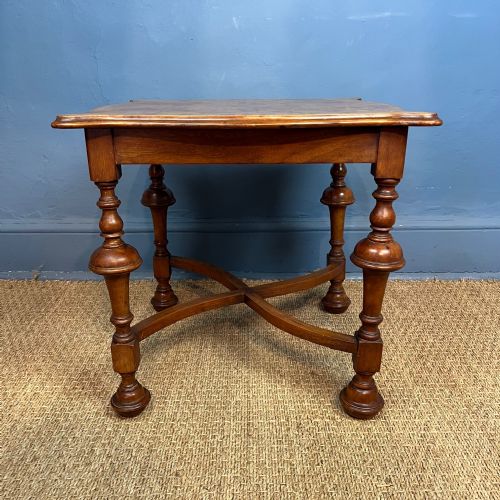
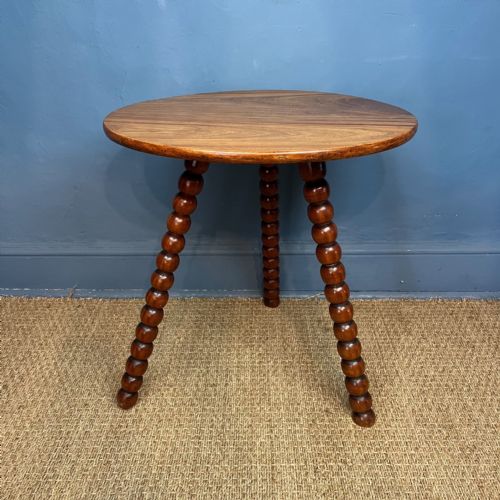
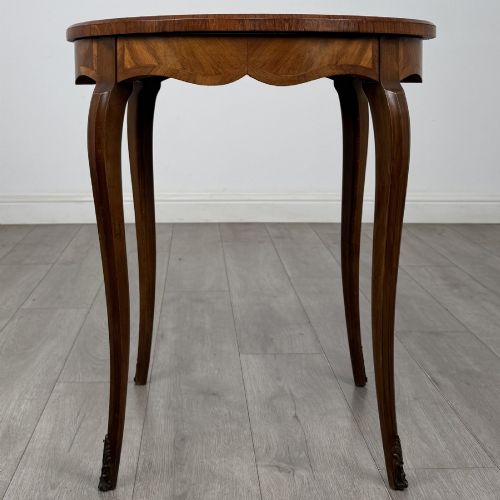
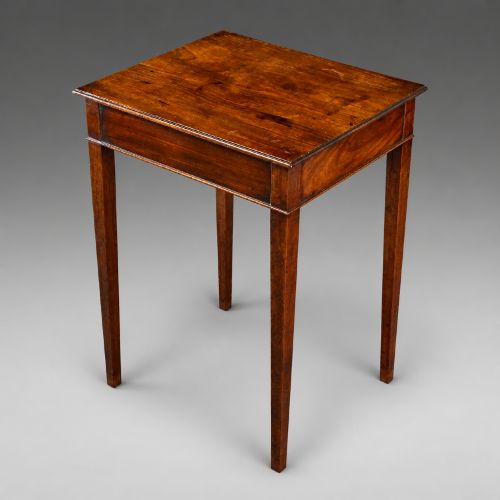
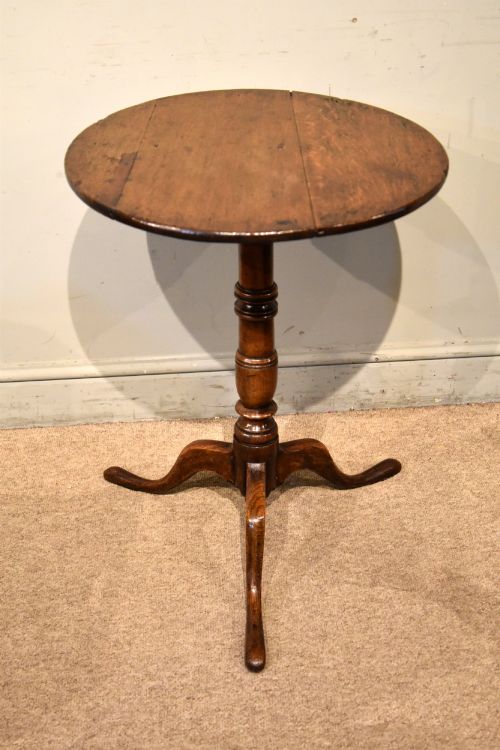
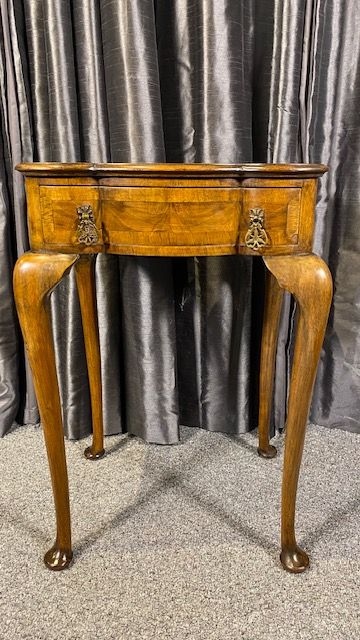
Brown Wooden Occasional Table
These brown wooden occasional table pieces offer practical surfaces and period character for daily rooms.
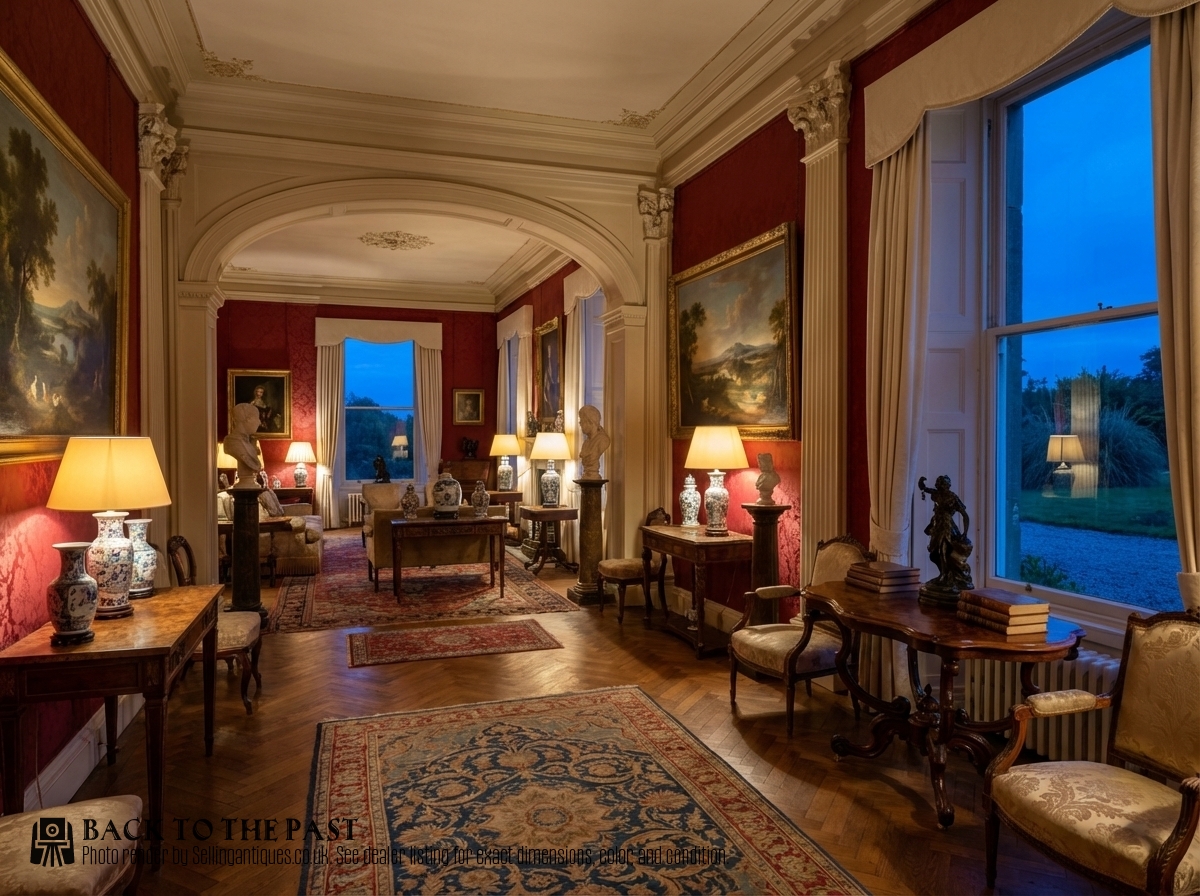
Brown Wooden Occasional Table
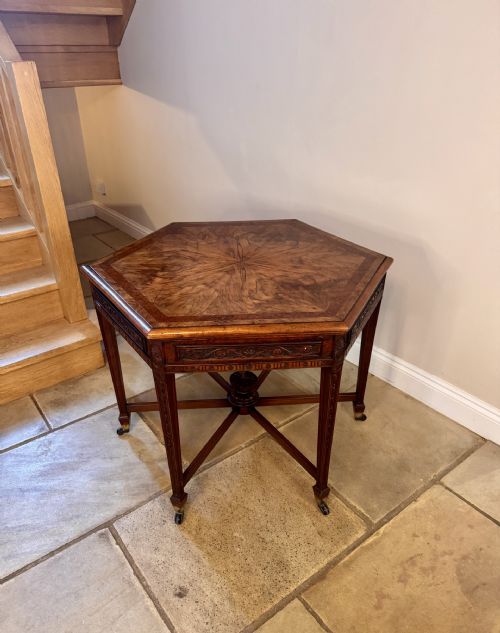
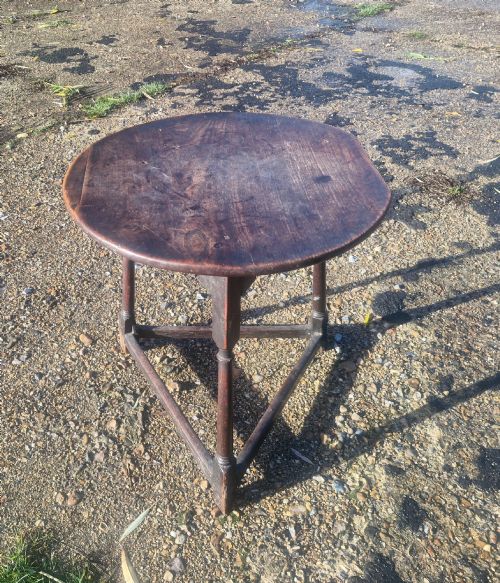
A brown wooden occasional table provides a movable surface for lamps, books and daily use across domestic spaces. These pieces emerge from periods spanning the eighteenth century through the Edwardian era and the nineteen thirties, encompassing Georgian, Victorian, Arts and Crafts and campaign styles.
Buyers encounter numerous forms on this page, most commonly side tables, lamp tables, centre tables, and nests of tables. Variations also include pembroke tables, sewing tables, sofa tables, tilt-top pedestals, and butler trays on stands.
Origins stretch across English, Scottish, and oriental workshops, utilising woods like mahogany, oak, walnut, satinwood, and yew. The selection ranges from folding campaign items to inlaid Edwardian occasional pieces and Georgian spider leg designs.
Materials and construction
Construction relies primarily on timbers such as mahogany, oak, walnut, and satinwood, frequently paired with brass hardware and delicate wood inlay. Cabinet makers employed techniques like tilt-top pedestals, drop leaves, and spider legs to create adaptable furniture.
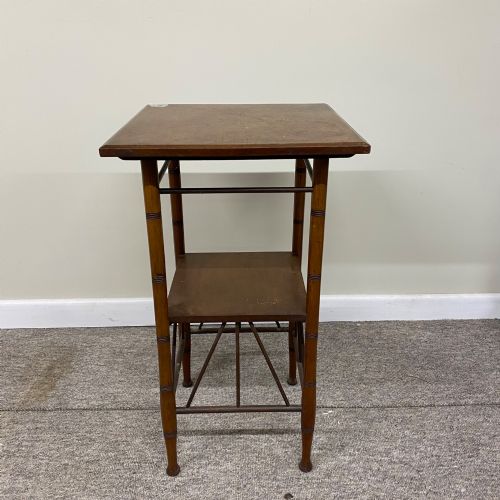
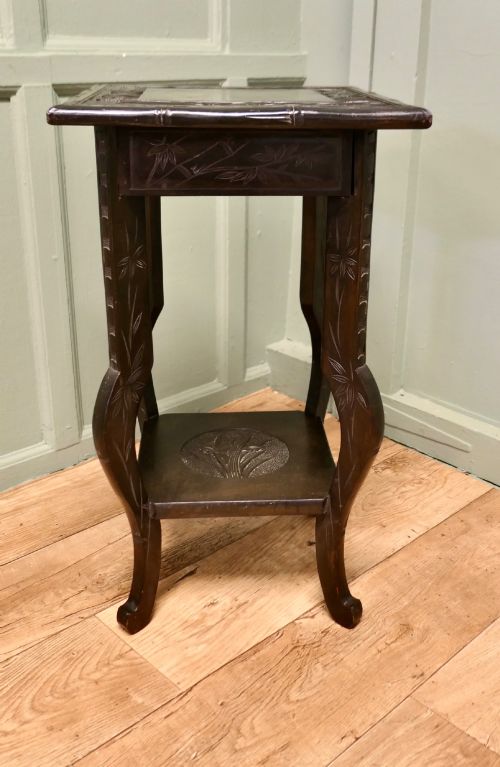
Surface decoration incorporates burr walnut figuring, carved details, faux bamboo, and chequered inlay. Solid hardwoods and veneers were shaped into octagonal centres, tray tops, and nest configurations by period artisans.
Brown Wooden Occasional Table Retail Price Guide 2026
Typical asking prices for brown wooden occasional table among the pieces listed under this phrase on Sellingantiques today, from the lower quarter to the upper quarter. They describe what is for sale here now, not the wider market.
Some tables double as magazine racks or sewing boxes, proving that nineteenth-century clutter required very tidy hiding spots.
Assessing quality and craftsmanship
Quality rests upon the selection of timber figures, such as burr walnut and figured mahogany, matched with precise joinery and inlay work. Superior examples demonstrate thoughtful proportion, refined carving, and well-integrated structural mechanisms like tilt-top pivots or folding actions.
Subtleties in brass fittings, the crispness of wood carving, and the integrity of secondary timbers distinguish standard domestic items from finer workshop pieces attributed to makers like Liberty and Co. or Trevor Page and Co.
Trevor Page & Co·Liberty & Co·William Birch
The Brown Wooden Occasional Table Glossary
- Pembroke table
- A small table with hinged drop leaves on two opposite sides, introduced in the eighteenth century.
- Tilt top pedestal
- A table featuring a mechanism that allows the circular top to tilt vertically when not in use.
- Sutherland table
- A narrow table with exceptionally wide drop leaves supported by swing legs.
- Spider leg
- A table design characterised by slender, turned wooden legs connected by delicate stretchers.
- Butler tray
- A portable wooden tray with hinged sides, designed to rest upon a folding wooden stand.
- Lamp table
- A low occasional table specifically proportioned to hold a lighting fixture beside seating.
Brown Wooden Occasional Table: Frequently Asked Questions
What is an occasional table used for?
These tables provide supplementary surfaces in living spaces for holding lamps, cups, or decorative objects without dominating the room.
Their movable nature allows owners to shift them beside seating or against walls as daily requirements change.
How do I identify a Victorian table?
Victorian pieces often utilise dense mahogany, walnut, or rosewood, frequently displaying rich carving or burr walnut veneers.
Construction from this era typically shows heavier proportions and darker finishes compared to earlier Georgian designs.
What is a nest of tables?
A nest consists of several graduating tables designed to slide neatly beneath one another to save floor space.
They appear frequently in Edwardian and later periods, offering flexible surface areas for entertaining.
Where should I place a drop leaf table?
Drop leaf and pembroke versions suit smaller rooms because their flaps fold down flat against walls when space is required.
Raising the leaves provides an immediate expansion of the surface area for serving or writing.