
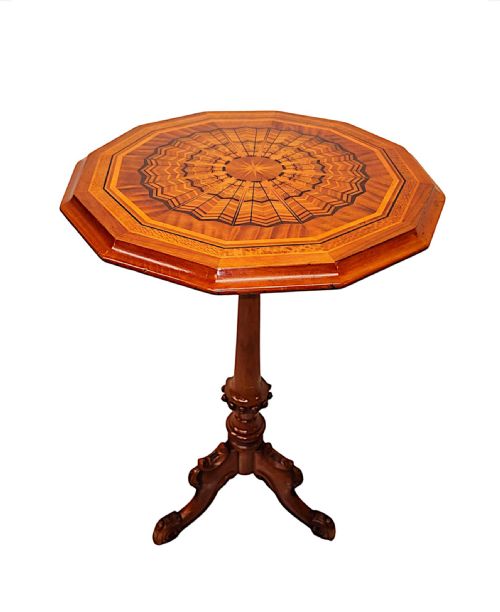
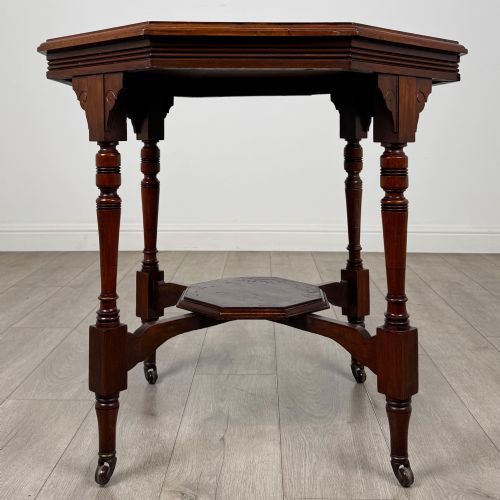
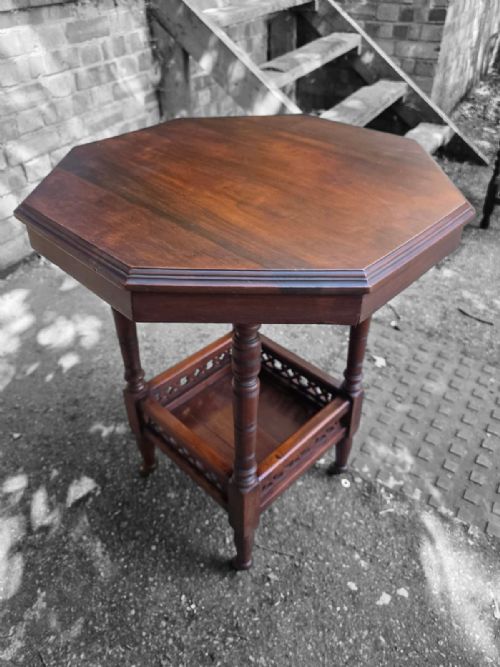
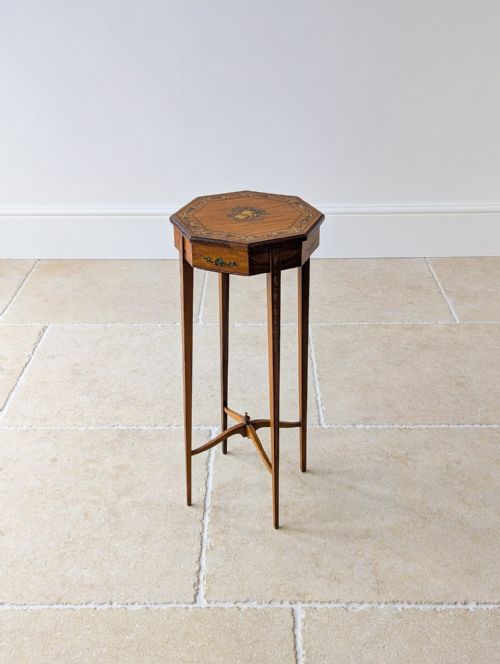
Octagonal Wooden Table
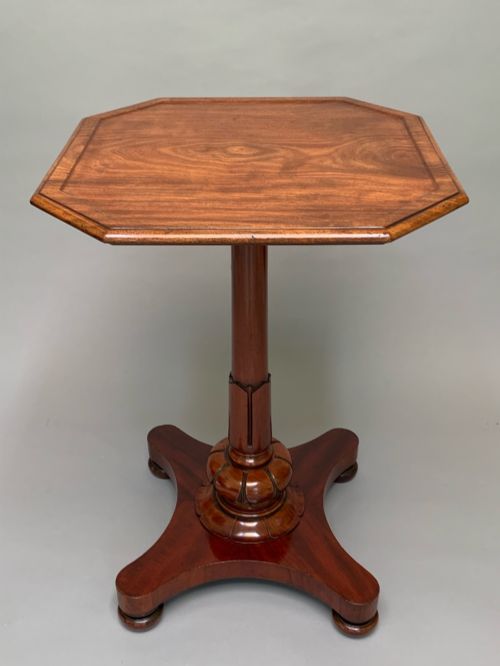
An octagonal wooden table brings geometric balance and rich timber warmth to a room, offering a distinct alternative to standard square or round furniture.
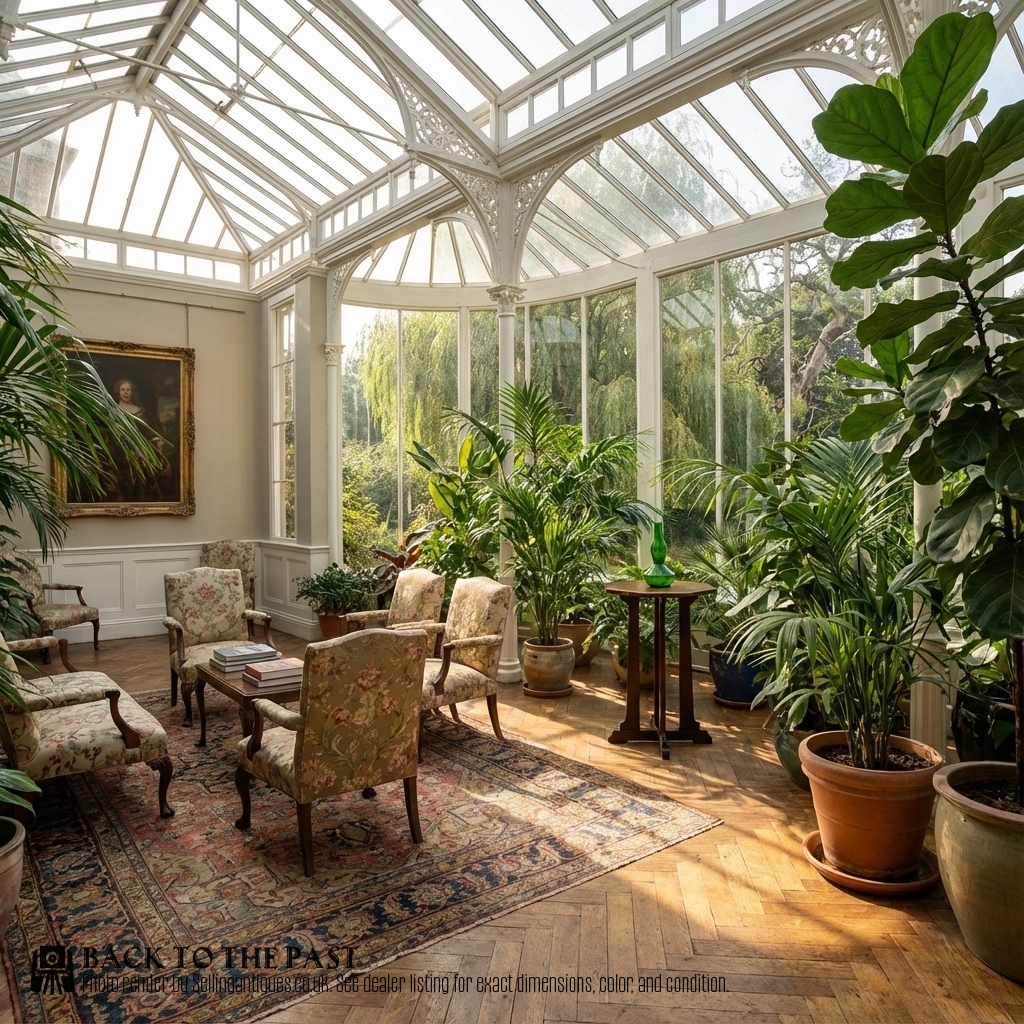
What an octagonal wooden table is
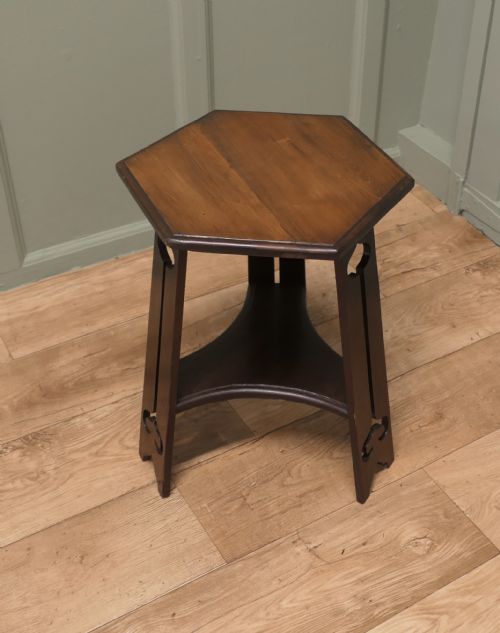
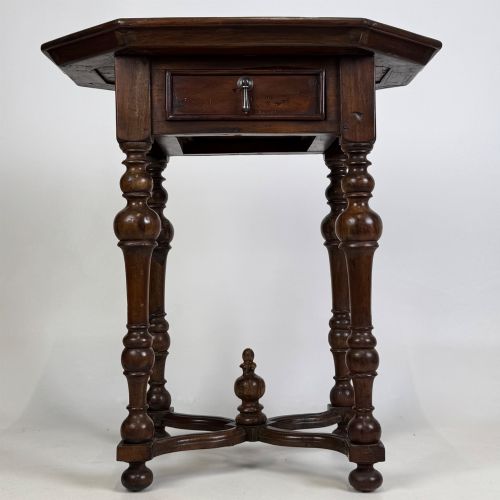
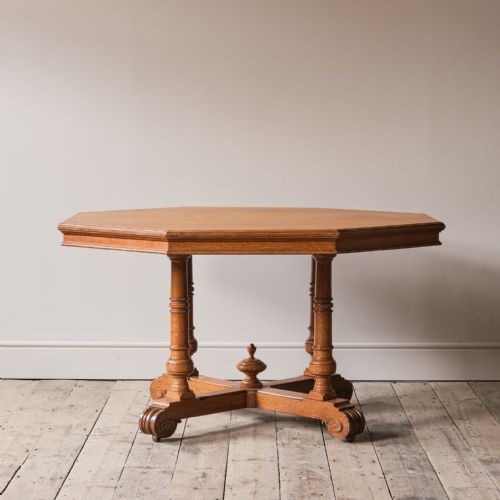
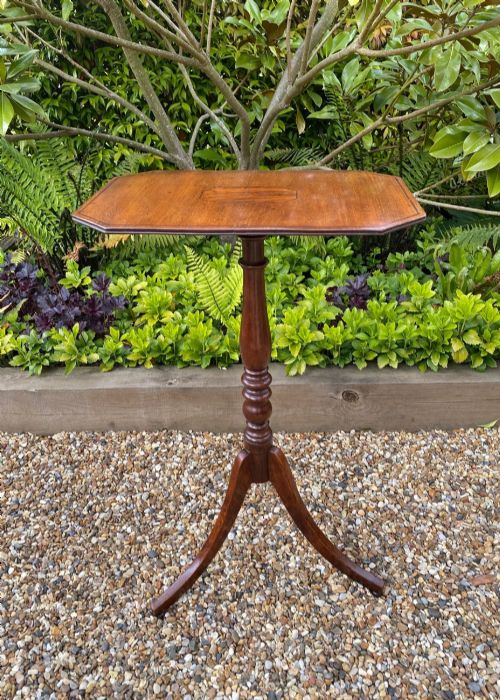
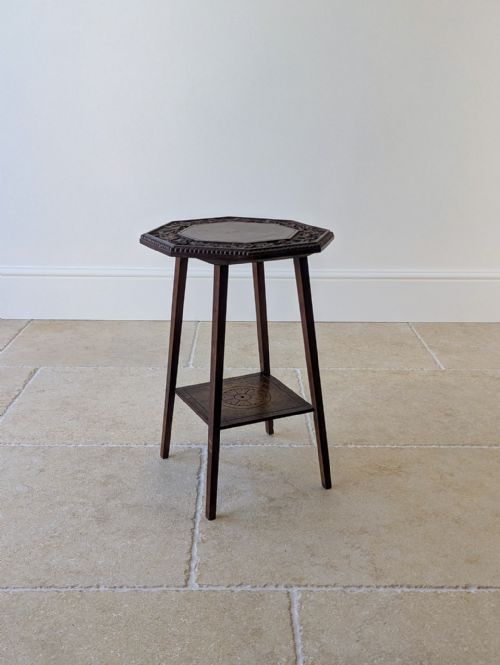
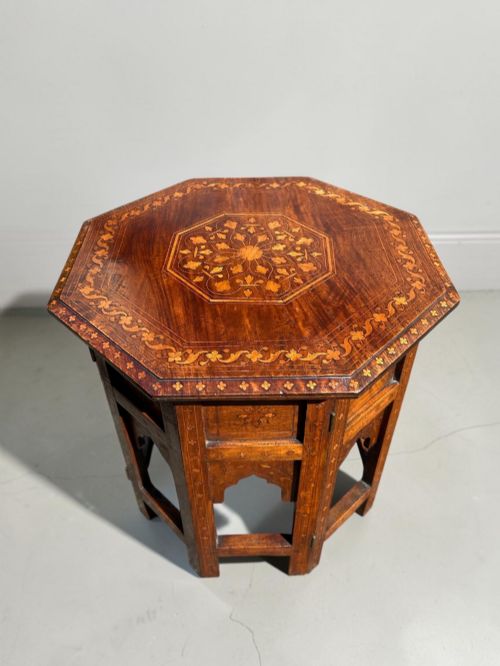
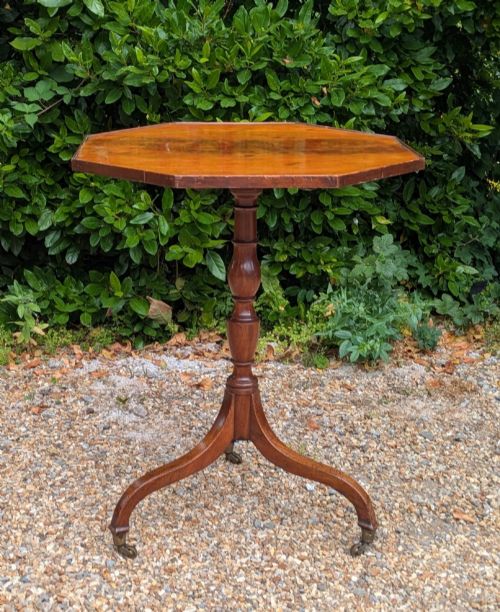
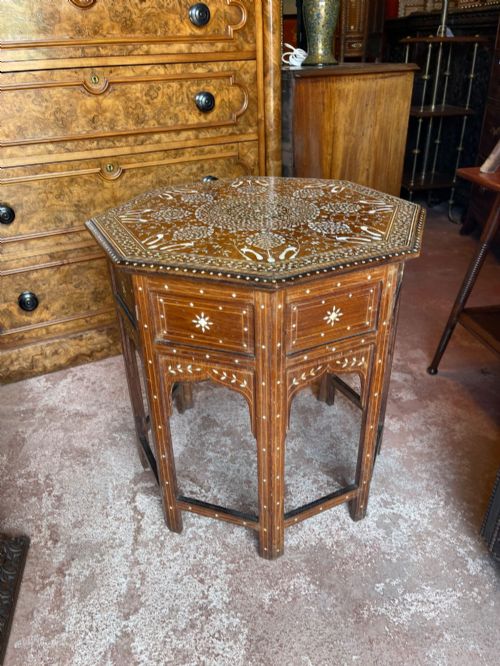
An octagonal wooden table presents a characteristic eight-sided surface supported by various frame types, appearing across the late nineteenth and early twentieth centuries. These pieces serve primarily as occasional, side, or centre tables within domestic interiors, designed to fit into corners or anchor smaller spaces.
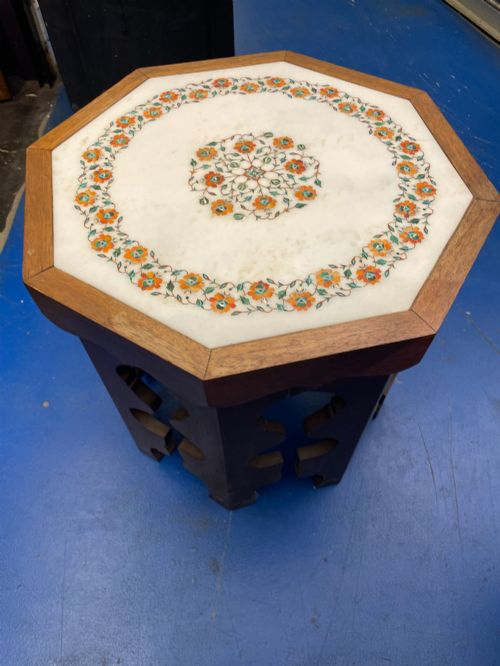
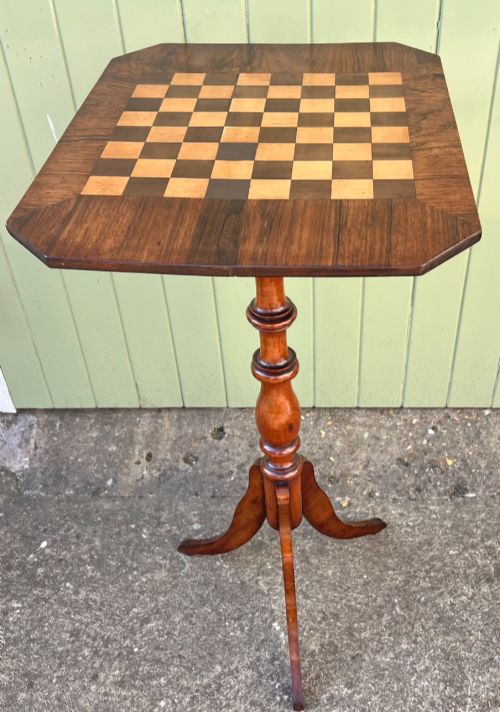
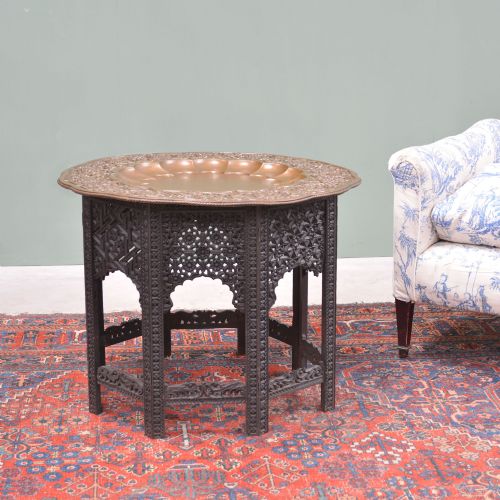
The selections encountered here span several distinct stylistic movements, including the Aesthetic Movement, Victorian, Arts and Crafts, and Edwardian periods. Pieces range from the carved sandalwood examples originating from Anglo-Indian traditions to British interpretations in oak, walnut, mahogany, and rosewood.
How they were made
Cabinet makers utilised a diverse selection of timbers, incorporating native hardwoods alongside exotic varieties such as rosewood, sandalwood, and ebonised wood. Construction techniques combined solid timber framing with fine surface details like intricate hand-carving, contrasting inlay work, and distinctive turning.
Structural elements frequently integrated complementary metals such as brass fittings or accents, enhancing the visual weight of the wood. Turning methods included specialised forms like bobbin turning, while surface treatments preserved the natural grain and colour of the chosen material.
Retail Price Guide 2026
Typical UK retail prices for octagonal wooden table, calculated from the Sellingantiques database of over a million retail prices indexed since 2003. This retail price guide relies exclusively on Sellingantiques data; no external sources or auction records are used, so the figures do not describe the wider market.
Current listings demonstrate materials ranging from oak and walnut to sandalwood, brass, and ebonised wood across several historical periods.
What varies in quality
The distinction between standard and superior pieces rests upon the ambition of the design and the precision of the execution. Finer examples display meticulous joinery, balanced proportions across all eight sides, and thoughtful integration of decorative elements like marquetry inlay or deep relief carving.
Material selection further defines the hierarchy, with dense exotic woods and intricate regional craftsmanship commanding greater artistic interest. The character of the turning, the sharpness of the carved details, and the harmony of mixed media components elevate a table beyond basic utilitarian production.
The Octagonal Wooden Table Glossary
- Octagonal
- Having eight sides and eight angles. This geometric plan creates a compact footprint that softens room layouts compared to square alternatives.
- Occasional table
- A light, movable small table intended for specific, temporary uses in a room. These pieces function easily as lamp stands or display surfaces.
- Bobbin turned
- Formed by turning wood on a lathe into a series of spherical or cylindrical shapes resembling bobbins on a thread. This technique provides rhythmic texture to legs and stretchers.
- Aesthetic Movement
- A late nineteenth-century design current that prioritized visual beauty over narrative or moral function. It often drew inspiration from Japanese and Anglo-Indian decorative traditions.
Frequently Asked Questions
Where should I place an octagonal wooden table?
These tables fit naturally into corners or serve as central display points in hallways and drawing rooms. Their unique shape breaks up linear room layouts.
They work particularly well beside armchairs or sofas where standard square tables might feel too blocky. Smaller versions function effectively as lamp or plant stands.
How do I identify an Aesthetic Movement table?
Aesthetic Movement tables often feature ebonised wood surfaces, clean structural lines, and decorative elements influenced by Japanese design. They date from the late nineteenth century.
Look for contrasting details, understated carving, and a focus on pure decorative harmony rather than heavy historic revival styles.
How do I care for rosewood and mahogany surfaces?
Protect these timbers from direct sunlight and extreme temperature fluctuations to prevent drying and fading. Regular dusting with a soft cloth maintains the finish.
Avoid silicone-based polishes and excessive moisture. Occasional application of appropriate wax preserves the depth of the grain.