


Antique Bobbin Table
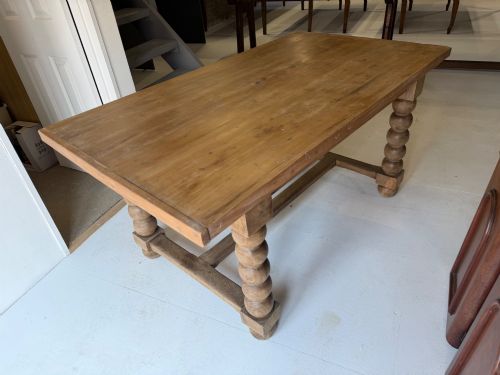
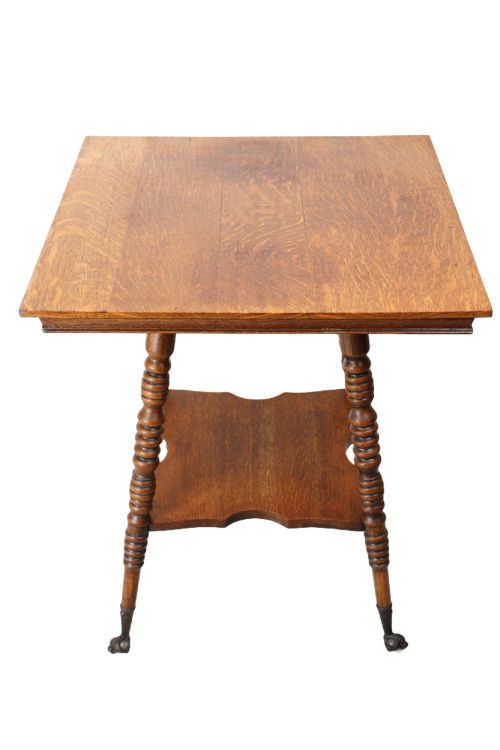
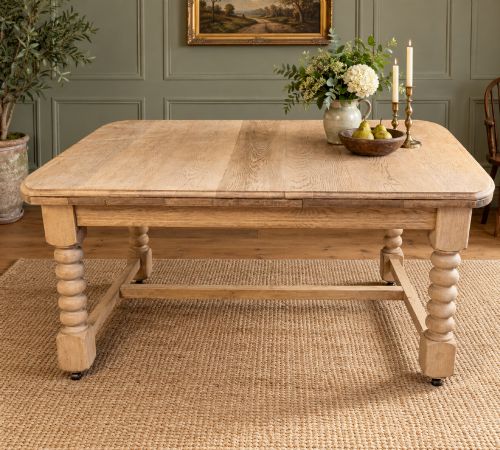
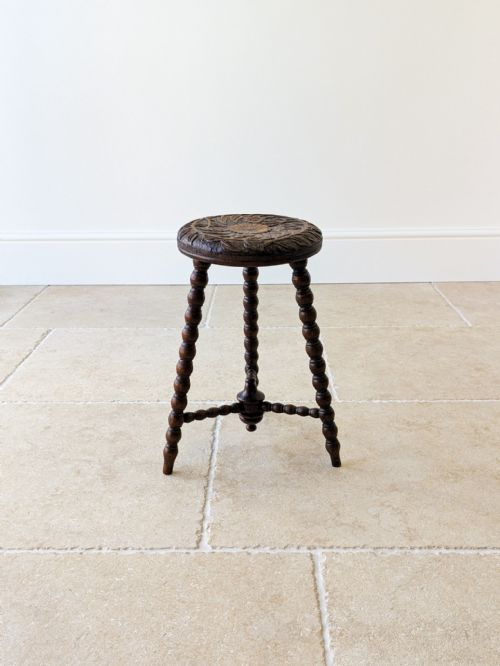
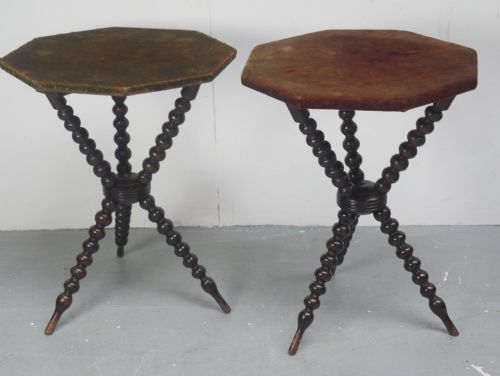
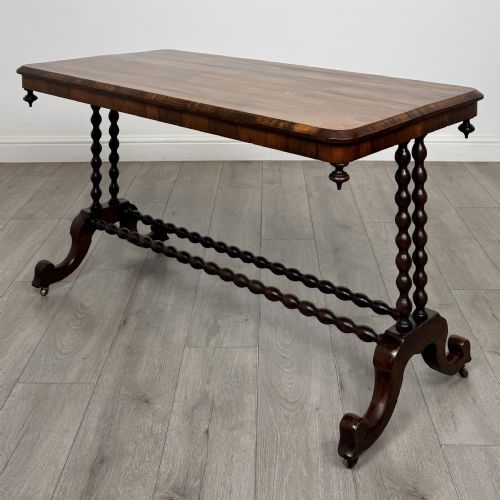
When you search for an antique bobbin table, you are looking at centuries of turned-wood design built around repetitive, spool-shaped ornamentation.
Antique Bobbin Table
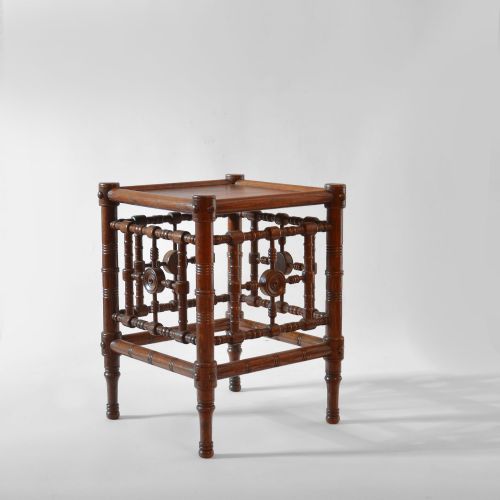
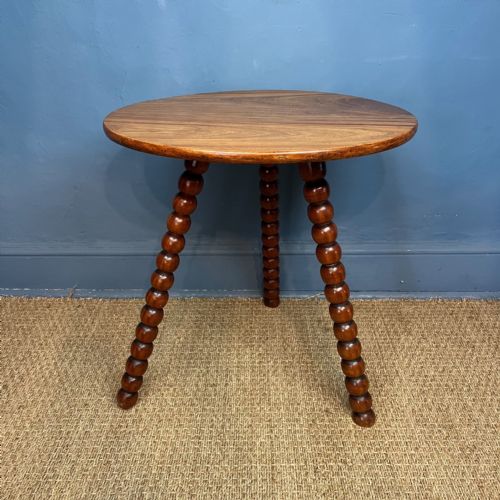
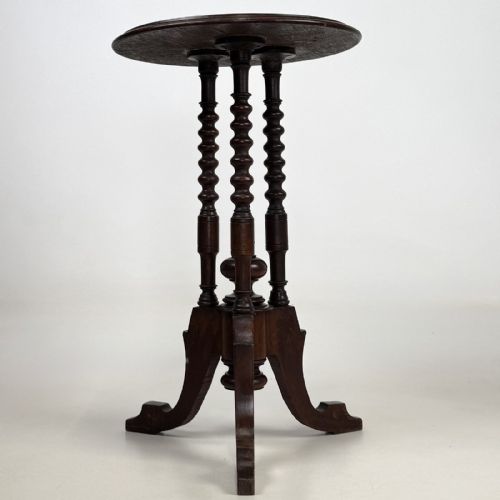
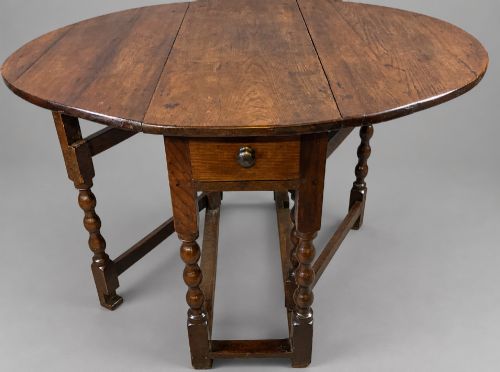
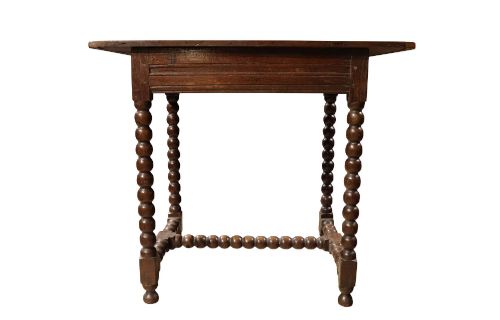
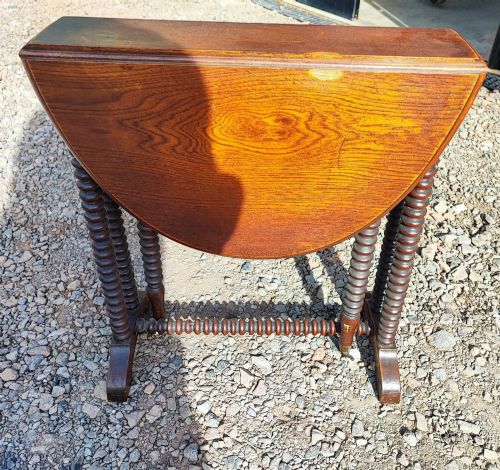
The most common examples encountered on this page date from the seventeenth century, the Victorian era, and the late nineteenth century. These include oak side tables and walnut lamp tables constructed with distinct bobbin-turned legs and stretchers.
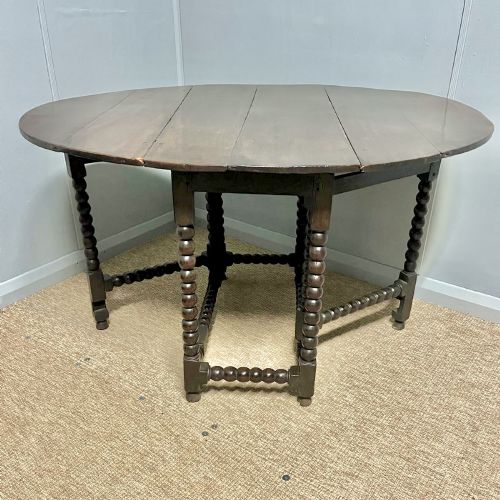
Makers utilised various forms ranging from small occasional tables to larger dining and gateleg formats. Oak and walnut serve as the predominant timbers, providing the structural integrity required for these heavily turned supports.
How they were made
Cabinet makers produced bobbin turnings on a lathe using gouges and chisels to shape solid timber into symmetrical spool patterns. Carpenters then joined these turned legs and stretchers to tabletops using traditional mortise and tenon joints.
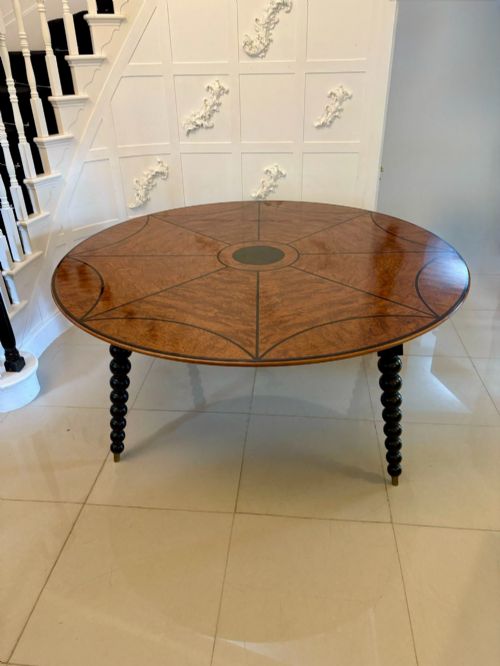
Timbers such as oak, walnut, mahogany, and ebonised wood were shaped and assembled by hand. Workshops frequently incorporated drop-leaf mechanisms, drawers with dovetail joints, and occasional marquetry inlay depending on the period.
Antique Bobbin Table Retail Price Guide 2026
Typical asking prices for bobbin table among the pieces listed under this phrase on Sellingantiques today, from the lower quarter to the upper quarter. They describe what is for sale here now, not the wider market.
Listings feature timbers including oak, walnut, mahogany, yew wood, and ebonised wood across side tables, gateleg tables, and writing desks.
What varies in quality
The crispness and uniformity of the lathe work define the distinction between standard production and superior craftsmanship. Sharp definition in the turned spools and collars indicates careful execution by the turner.
Timber selection and joinery integrity dictate overall durability. Dense hardwoods like oak and walnut with tight, flush joints represent the higher end of surviving examples.
William Birch·Liberty of London
The Antique Bobbin Table Glossary
- Bobbin-turning
- A decorative woodturning technique creating a series of rounded spool shapes along the length of a leg or stretcher. This method became popular in seventeenth-century furniture and saw revivals during the Victorian period.
- Gateleg table
- A table with hinged drop leaves supported by swinging legs that pull out like a gate. This form maximises surface area while allowing the piece to fold flat.
- Marquetry
- The art of applying decorative pieces of veneer to a structure to form intricate patterns or pictures. Craftsmen often utilised contrasting woods for floral or geometric tabletops.
- Ebonised wood
- Timber treated with a dark stain or finish to imitate ebony. This process was common during the Aesthetic Movement and Victorian eras.
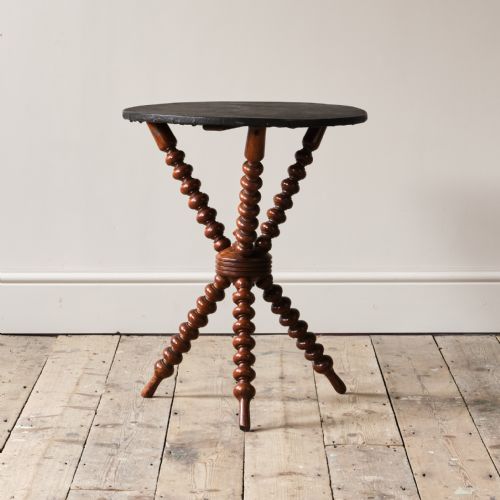
- Tripod table
- A small occasional table supported by a central pillar resting on three feet. These pieces function well as wine or lamp tables.
Antique Bobbin Table: Frequently Asked Questions
What periods do bobbin tables come from?
Bobbin tables originate primarily from the seventeenth century during the Charles II era, with major revivals occurring throughout the Victorian period and the late nineteenth century. Later examples also extend into the early twentieth century.
Craftsmen across these different eras adapted the spool-turned aesthetic to suit changing domestic needs, producing everything from heavy oak gateleg tables to delicate walnut lamp tables.
How were bobbin tables used originally?
These tables served multiple domestic functions including writing, dining, and displaying decorative objects in hallways or parlours. Gateleg and drop-leaf versions allowed households to save space when the leaves were folded down.
Smaller occasional and side tables provided convenient surfaces for lamps, chess boards, or sewing materials close to seating areas.
How do I care for an antique wooden table?
Maintain antique timber by keeping it away from direct sunlight and sudden temperature changes that can cause the wood to split. Regular dusting with a dry, soft cloth preserves the finish.
Applying appropriate wax occasionally helps nourish older hardwoods like oak and walnut without building up heavy residues.
How can I tell a seventeenth-century table from a Victorian revival?
Seventeenth-century pieces typically exhibit hand-riven oak with pegged joints, irregular tool marks, and patination developed over centuries of use. Victorian revivals often display machine-turned uniformity, tighter tolerances in the joinery, and use woods like walnut or ebonised deal.
Examining the underside of the tabletop and the interior of any drawers reveals construction methods specific to each period.