
Vintage Oak Plant Stand
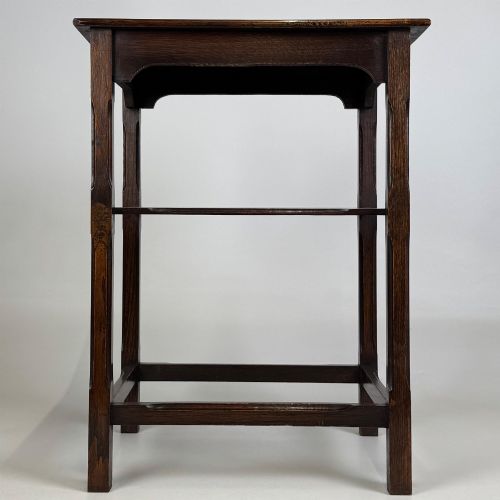
A vintage oak plant stand brings solidity and architectural form to a corner, lifting greenery into the light on seasoned timber.
Vintage Oak Plant Stand
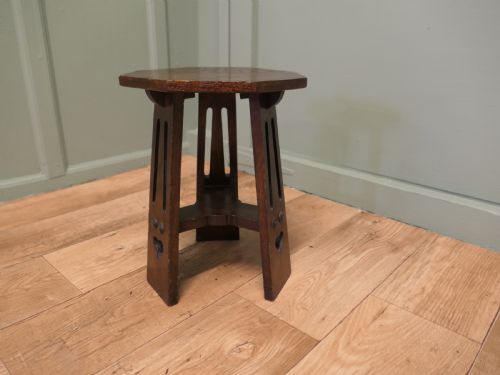
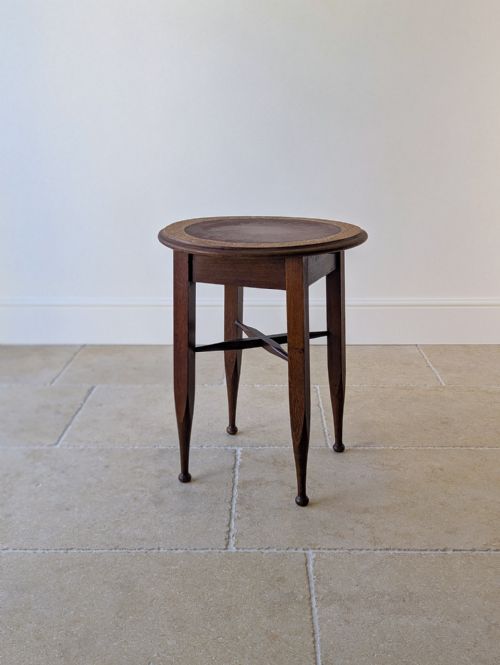
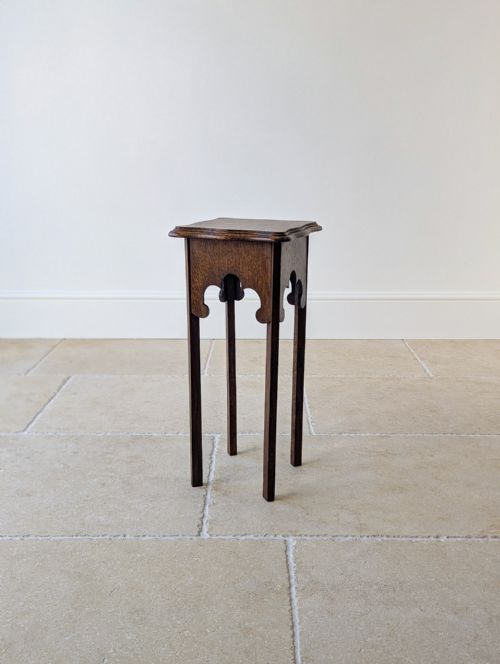
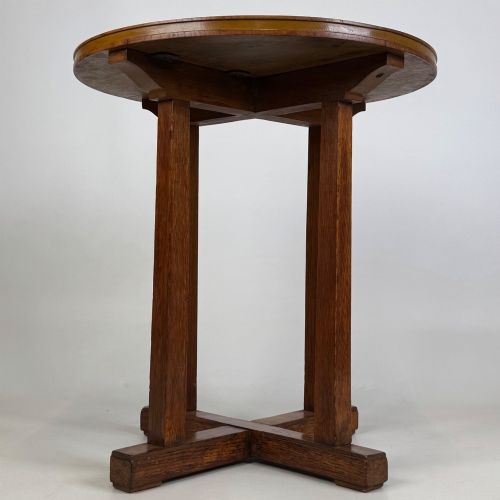
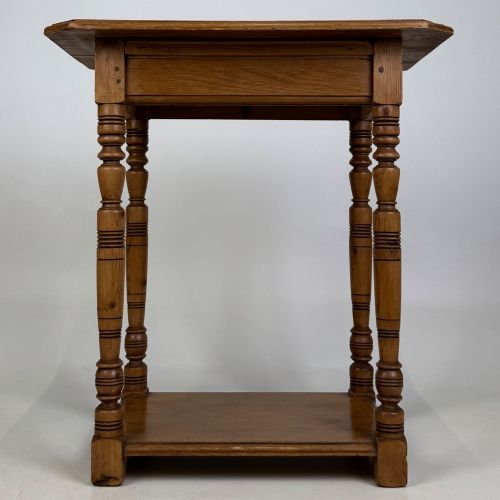
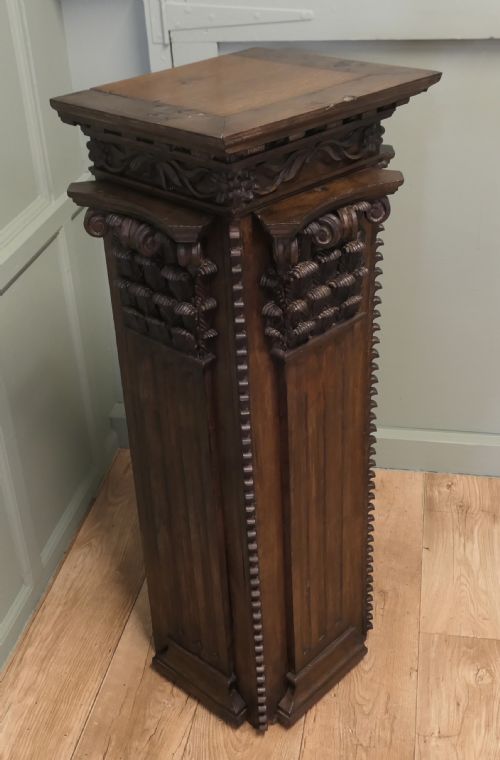
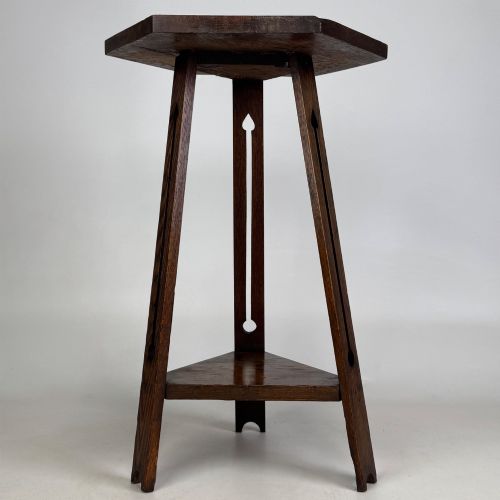
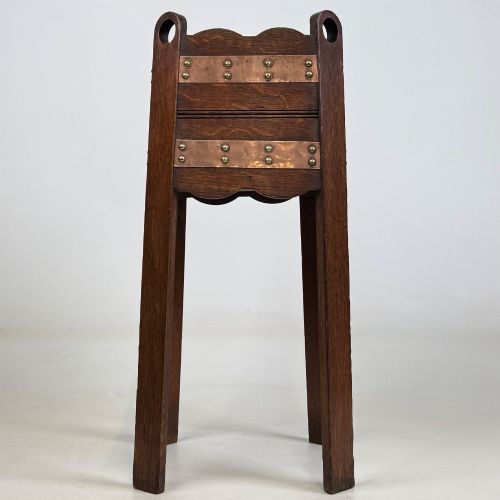
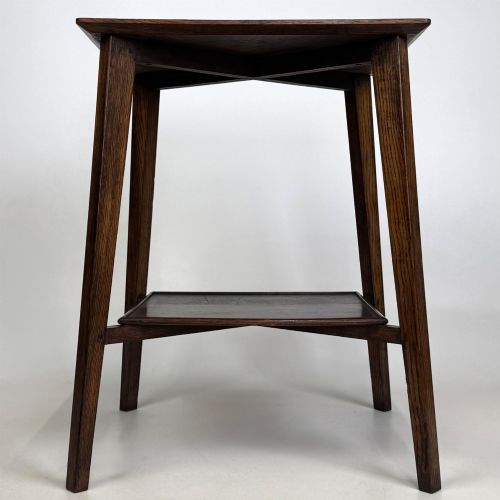
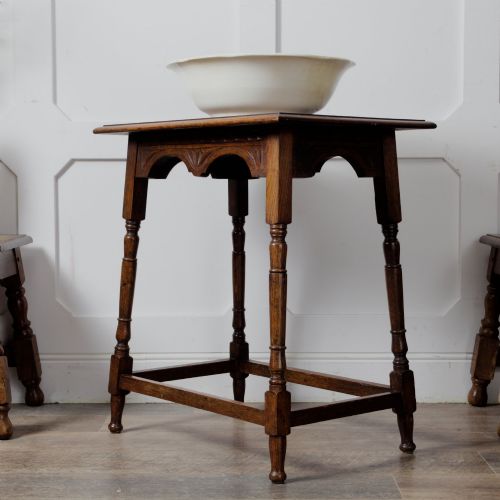
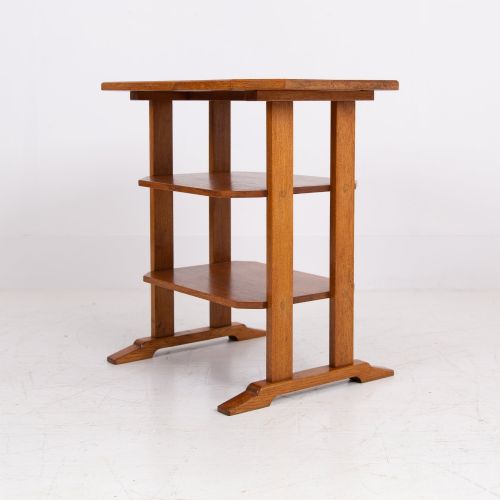
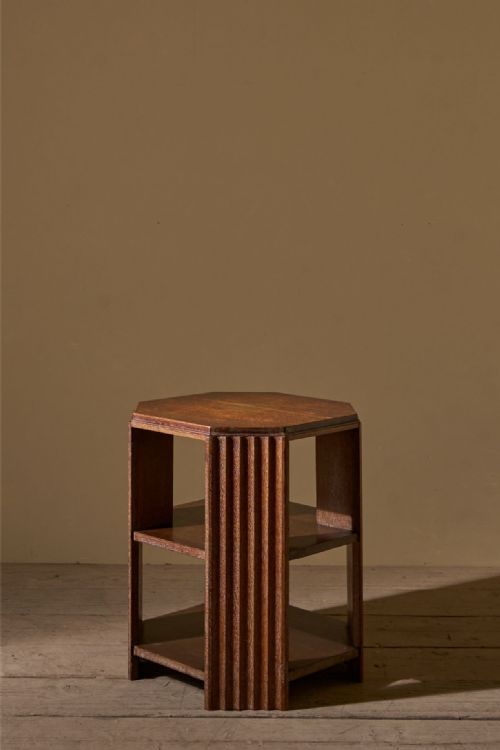
When you search for a vintage oak plant stand, you encounter pieces spanning the late nineteenth century through to the art deco era, encompassing Edwardian occasional tables, arts and crafts octagonal designs, and columnar pedestals. The selection draws heavily upon Edwardian examples and arts and crafts forms, alongside occasional side tables and lamp tables adapted for botanical display.
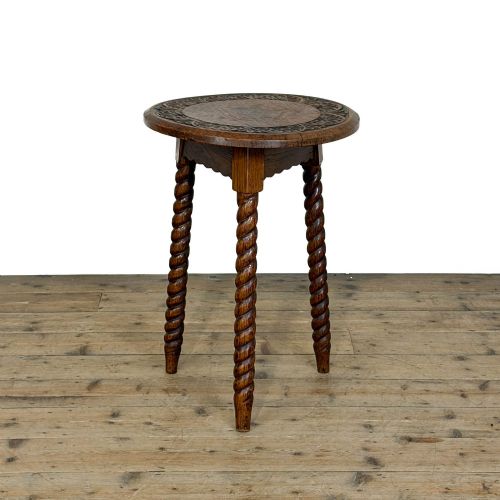
Makers and workshops of the period produced these stands in straightforward timber, often utilising solid oak, stained wood, or specimen wood to achieve durable domestic furniture. Forms range from tripod cricket tables and two-tier plant stands to hexagonal tables and display pedestals with ceramic tile insets.
The objects serve primarily as elevated platforms for ferns and jardinières, operating equally well as small side tables in compact spaces. Their origins stretch across English, Scottish, and French workshops, showing regional variations in carving and structural geometry.

What varies in quality
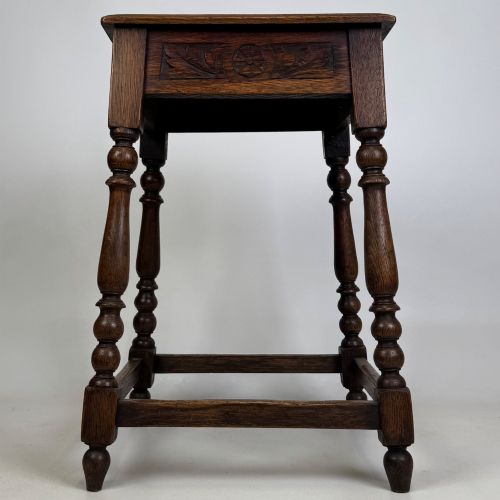
The distinction between standard domestic pieces and superior examples lies in the ambition of the design and the execution of the carving. Hand-carved chip work, thoughtful use of specimen woods, and integrated ceramic tiles elevate a simple utility stand into a considered arts and crafts creation.
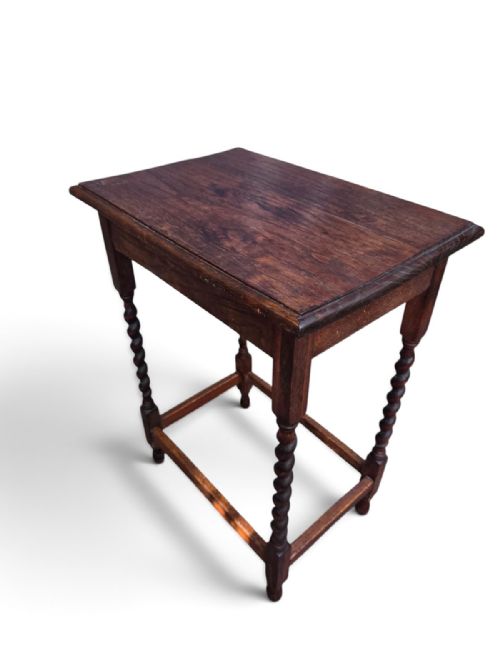
Proportion and stability dictate the success of taller forms like torchers and pedestals, where heavier timber bases prevent tipping. The crispness of turned barley twist legs and the tightness of joints reveal the original competency of the workshop.
Vintage Oak Plant Stand Retail Price Guide 2026
Typical asking prices for vintage oak plant stand among the pieces listed under this phrase on Sellingantiques today, from the lower quarter to the upper quarter. They describe what is for sale here now, not the wider market.
Listings feature oak, brass, ceramic, and copper across periods from the eighteenth century through the art deco era.
Liberty and Co
The Vintage Oak Plant Stand Glossary
- Arts and Crafts
- A design movement prioritising handcraftsmanship, simple forms, and honest materials. It rejected mass production in favour of traditional construction methods.
- Barley twist
- A type of furniture turning resembling a twisted rope. This technique was popular in English oak tables and plant stands.
- Jardinière
- An ornamental pot or stand designed specifically for holding plants and flowers. These often featured protective ceramic inserts or tiled tops.
- Torchere
- A tall ornamental stand or candlestick holder adapted for display use. In furniture, it refers to slender pedestals used for sculpture or plants.
- Tripod cricket table
- A small, three-legged table with a round top. Its stable three-point stance suited uneven floors in early domestic settings.
Vintage Oak Plant Stand: Frequently Asked Questions
What is a vintage oak plant stand used for?
These pieces function primarily to elevate ferns, flowers, and jardinières off the floor to catch sunlight. They also serve double duty as small lamp tables or side tables in tight spaces.
Their sturdy timber construction allows them to support substantial ceramic pots without risk of warping or tipping. Many incorporate lower shelves for holding additional small items or books.
Are these stands suitable for modern homes?
The modest footprint of these stands makes them exceptionally adaptable for contemporary interiors. They fit easily into corners, hallways, or beside seating.
The natural warmth of oak and the tactile quality of handcrafted timber complement both traditional and minimalist modern decor.
What distinguishes arts and crafts stands?
Arts and crafts pieces emphasise visible construction, honest materials, and functional design. You will often see exposed joinery, hand-carved details, and occasionally art nouveau ceramic tile insets.
These stands avoid excessive varnish, preferring wax finishes that highlight the natural grain of the oak.