


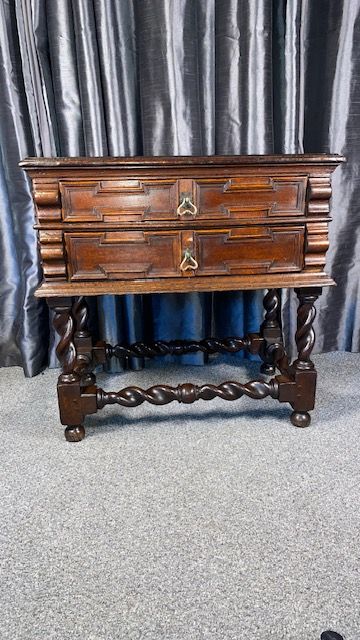
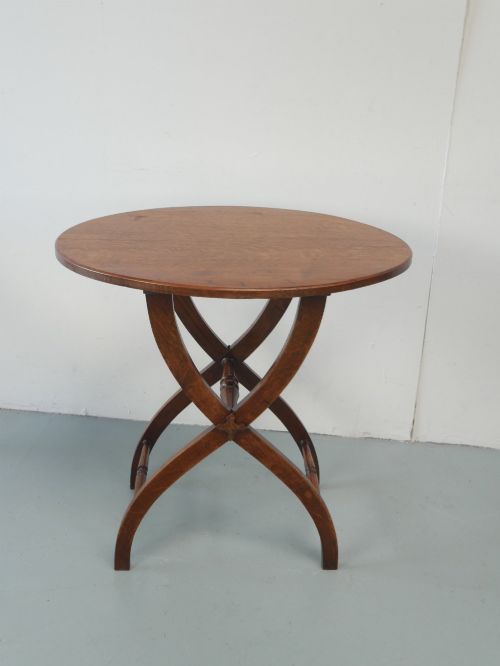
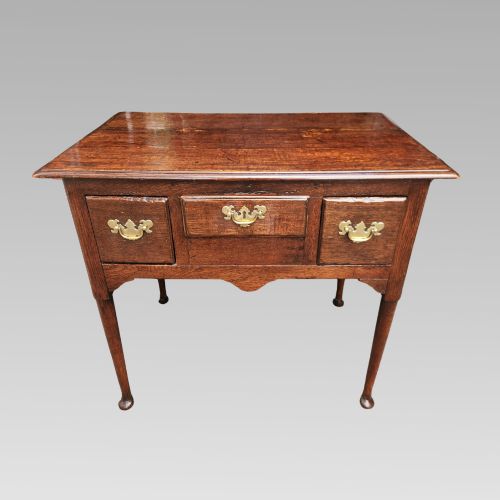
Brown Oak Lamp Table
A brown oak lamp table brings solid timber grain and useful surface space beside an armchair, spanning sturdy Georgian designs to slender Edwardian forms.
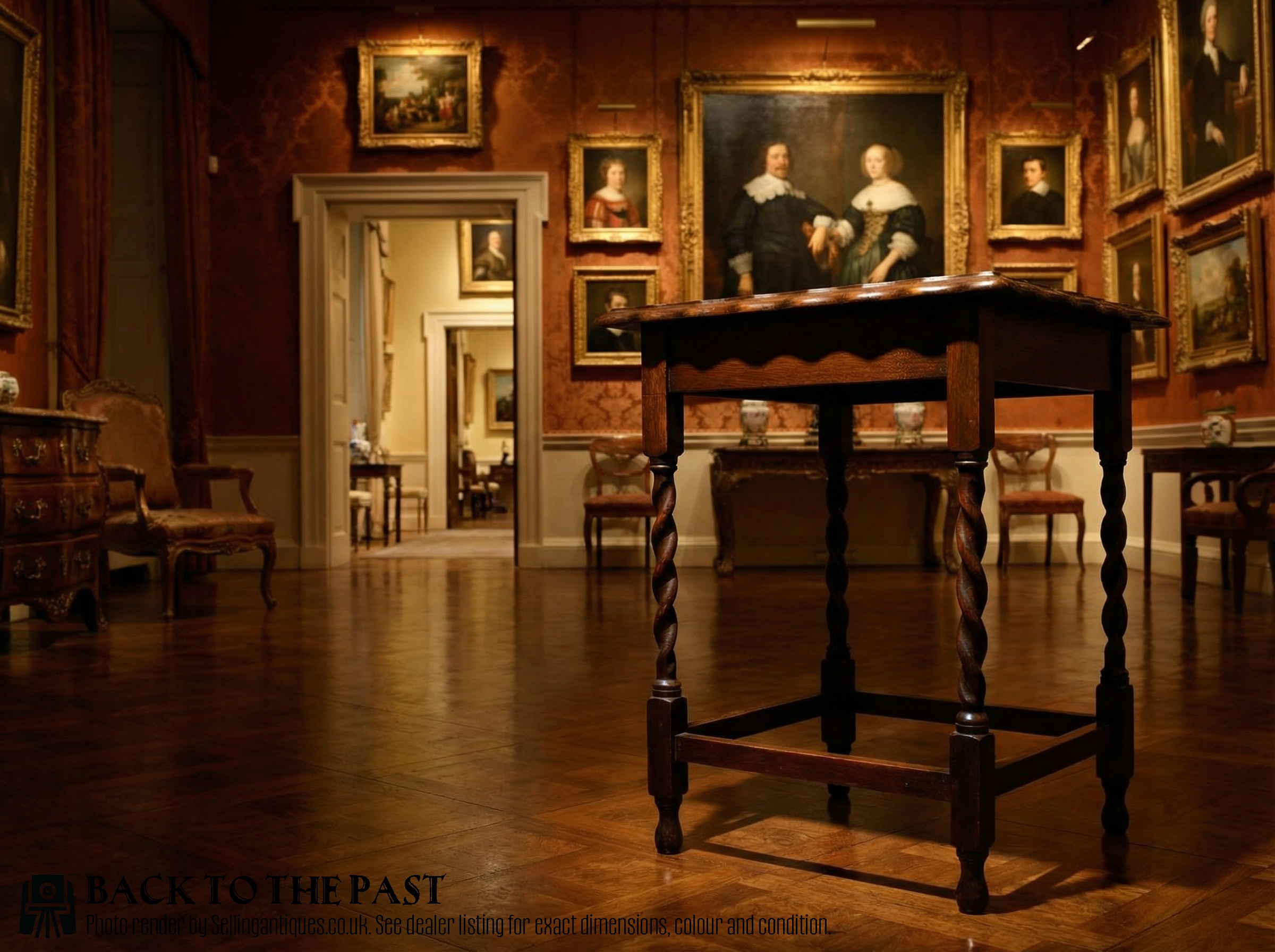
Brown Oak Lamp Table
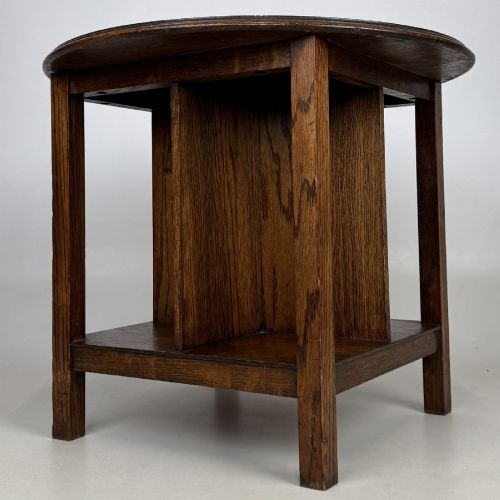
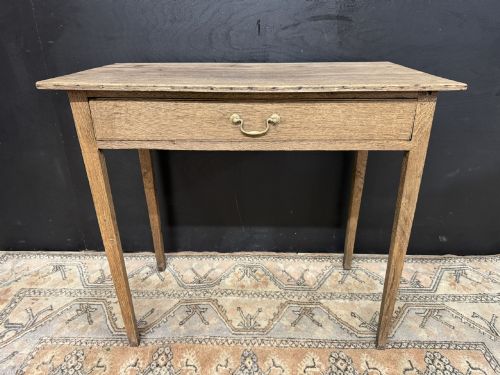
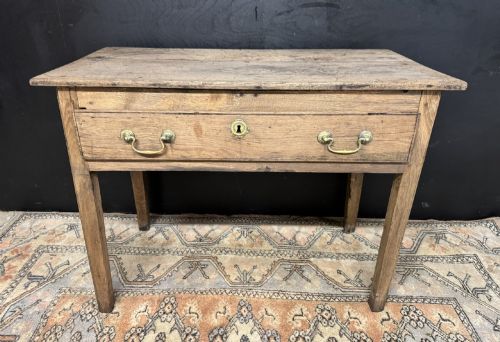
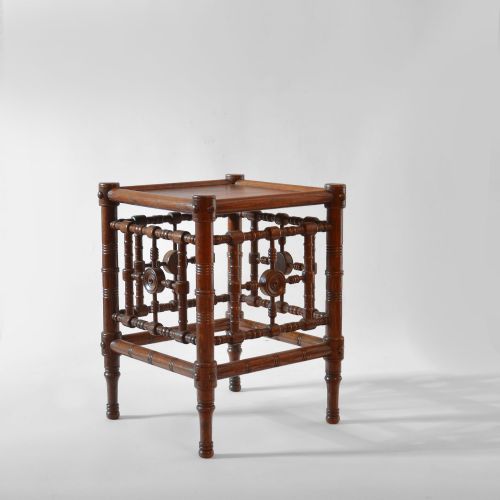
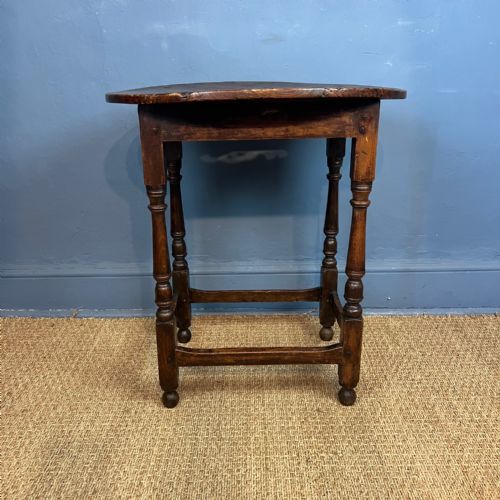
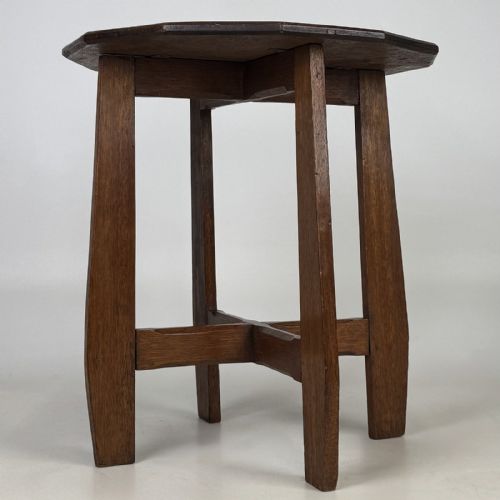
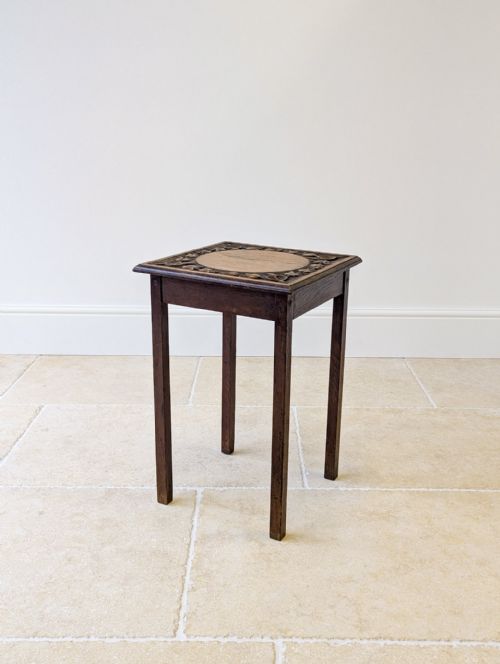
A brown oak lamp table is a small occasional piece designed to hold a light or sit beside seating, appearing across periods from the 18th century to the 1930s. The selection relies heavily on Edwardian and Arts and Crafts examples, alongside Georgian tripod, cricket, and single drawer variants.
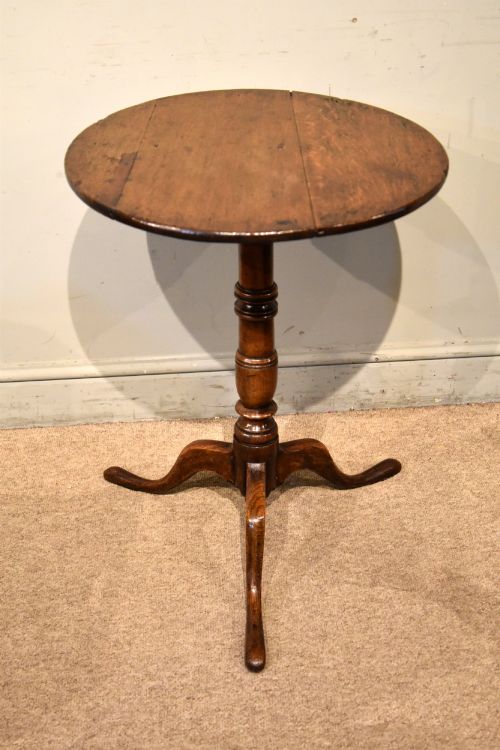
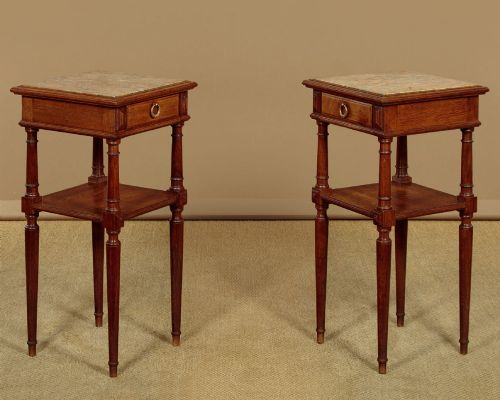
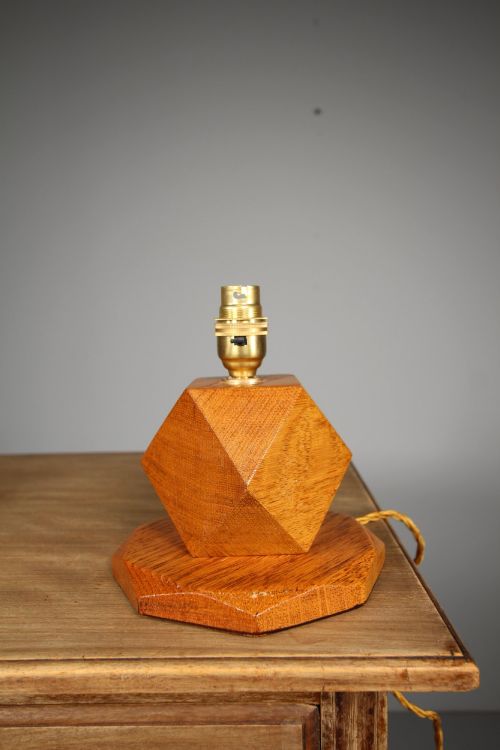
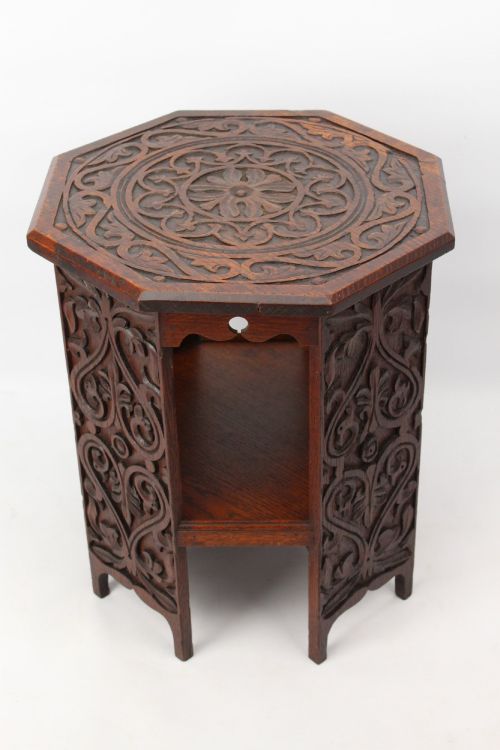
Forms vary from round and octagonal plant stands to low boys and narrow side tables constructed in solid oak or burr oak veneer. Buyers find tripod bases, two-tier structures, and tables with chequered inlay or ceramic tile details suited to daily placement in a room.
What varies in quality
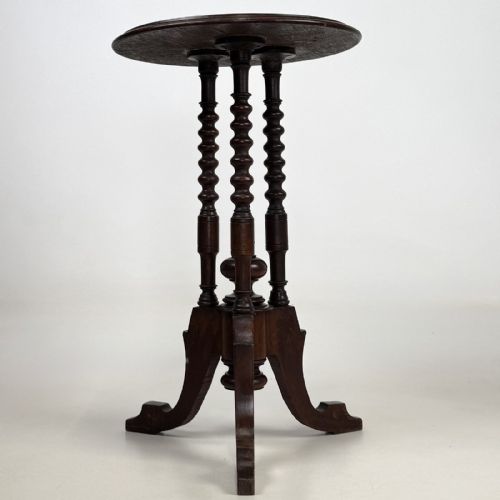
Quality rests on the selection of timber grain, particularly the depth of figuring in burr oak veneer and the crispness of hand-carved elements such as barley twists and shaped borders. Finer examples display thoughtful proportions and integrated details like fitted drawers rather than plain, utilitarian construction.
The integrity of the timber joints and the subtlety of decorative additions, including wood inlay or chequered borders, separate standard production items from workshop pieces bearing design influence.
Brown Oak Lamp Table Retail Price Guide 2026
Typical asking prices for brown oak lamp table among the pieces listed under this phrase on Sellingantiques today, from the lower quarter to the upper quarter. They describe what is for sale here now, not the wider market.
Materials documented across the inventory include solid oak, burr oak veneer, brass, ceramic tile, and various inlaid timbers.
Liberty & Co.·William Birch·Baillie Scott·Hubert Simpson of Kendal
The Brown Oak Lamp Table Glossary
- Cricket table
- A small three-legged round table with a wooden top, traditionally designed for stability on uneven floors. These frequently feature pegged joints and sturdy stretchers beneath the surface.
- Burr oak veneer
- A thin slice of timber taken from an oak growth knot, applied to a stable wood base to show swirling grain patterns. This treatment creates a decorative surface texture on top boards.
- Barley twist
- A turned wooden furniture leg carved in a helical spiral resembling a twisted rope. This technique appears widely on supports from the late 19th and early 20th centuries.
- Low boy
- A small eighteenth-century dressing table or side table featuring one or more drawers beneath a rectangular top. They stand on slender legs and function well as compact surface tables.
Brown Oak Lamp Table: Frequently Asked Questions
What is a brown oak lamp table?
A brown oak lamp table is a compact wooden stand designed to hold a light or sit beside seating areas in a room. These pieces range from simple round occasional tables to tripod wine tables and multi-tiered stands.
They appear in styles spanning Georgian simplicity, Arts and Crafts utility, and Edwardian craftsmanship, utilising solid timber and veneer.
How do I date an oak side table?
Dating relies on construction methods, timber treatment, and stylistic details such as turned legs, aprons, and edge mouldings. Earlier pieces often feature pegged joints and simpler boards, while Victorian and Edwardian examples may show barley twist supports or applied inlay.
Looking at the underside and drawer construction helps reveal whether a piece belongs to the 18th century, the Victorian era, or the early 20th century.
Where should I place a lamp table?
These tables fit easily beside armchairs, sofas, or in corners where a small surface is needed for a light or a book. Their compact dimensions make them adaptable for hallways, studies, and smaller reception rooms.
Octagonal and round versions work well in open spaces, while narrow rectangular side tables tuck neatly against walls.
What is the difference between a cricket table and a tripod table?
A cricket table stands on three legs connected by lower stretchers, creating a stable triangular base that traditionally prevented wobbling on uneven floors. Tripod tables also use three legs, but they typically meet at a central pillar beneath a round or tilt-top surface.
Both forms offer compact footprints, but cricket tables lean toward rustic utility while tripod tables often present a more formal appearance.