


Inlaid Wood Table
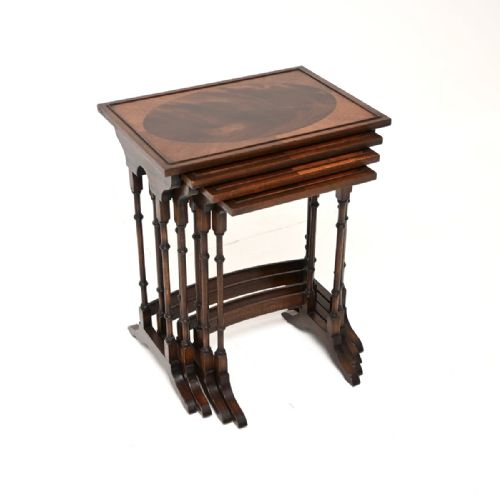
An inlaid wood table brings warmth and intricate pattern into a room through contrasting veneers and timber types.
What an inlaid wood table is
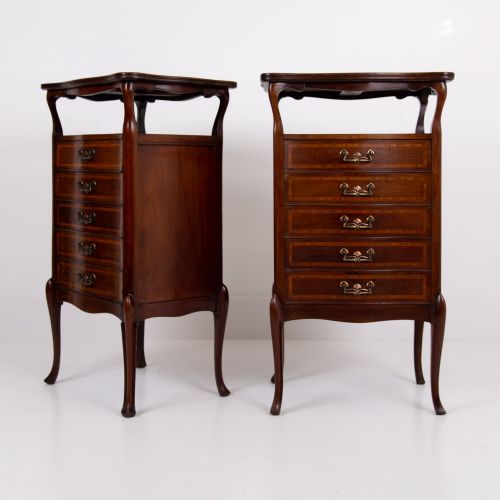
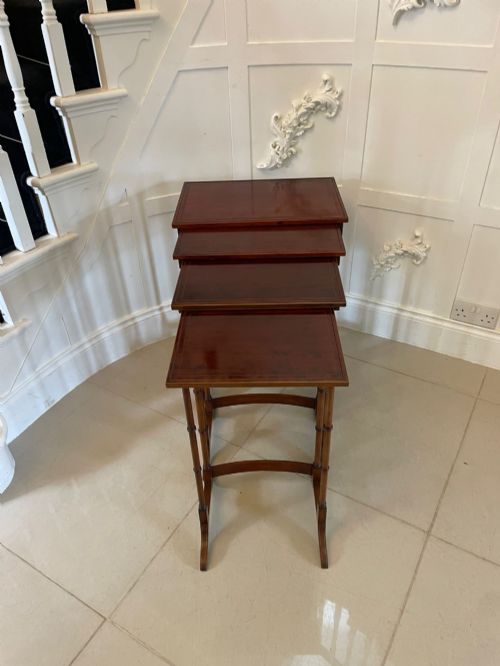
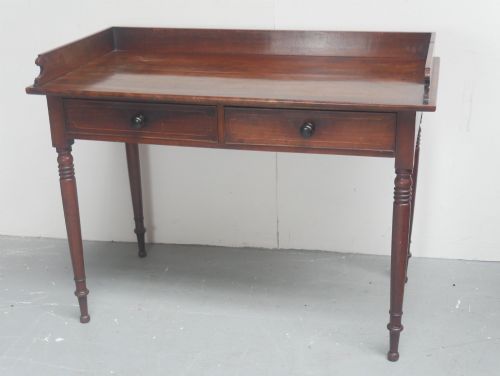
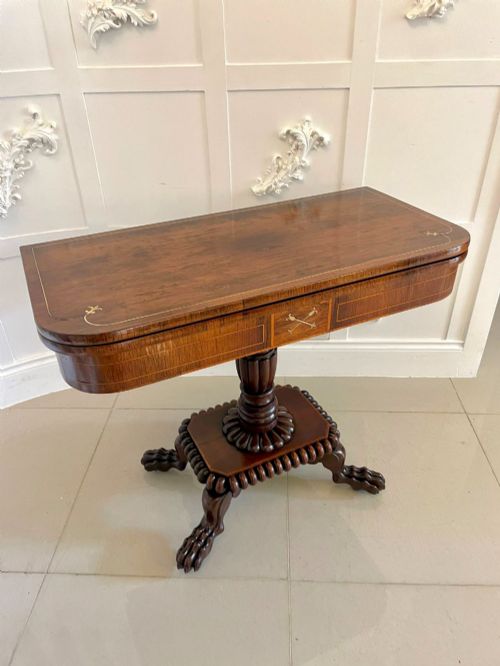
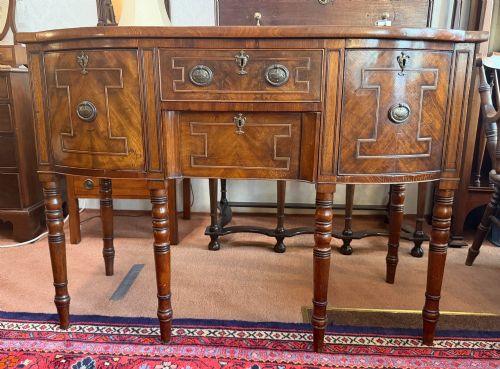
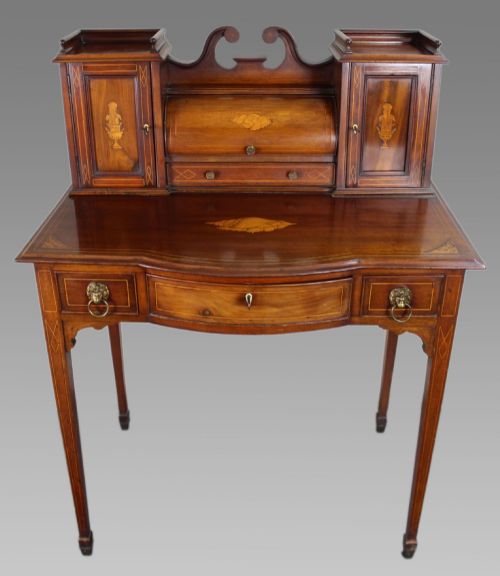
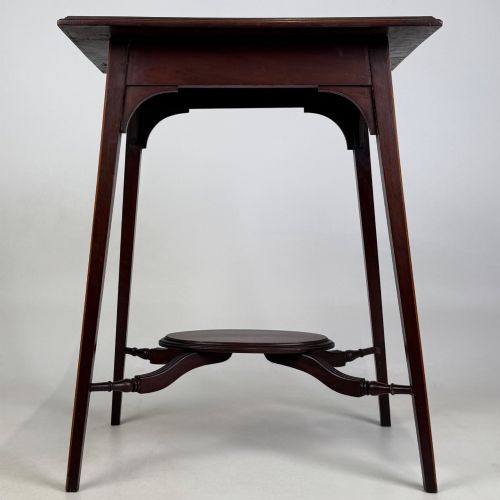
When you search for an inlaid wood table, you encounter diverse forms created across the Victorian, Edwardian, and nineteenth-century periods. These pieces include side tables, occasional tables, and centre tables designed for domestic use.
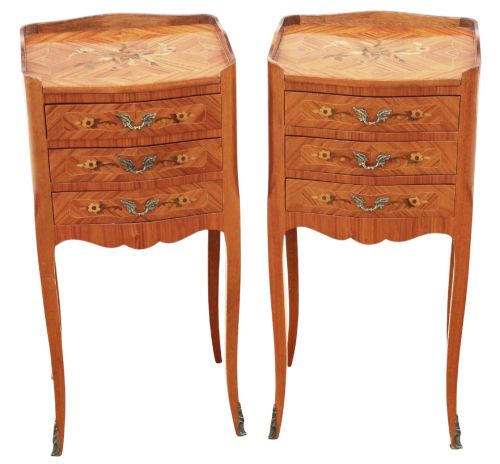
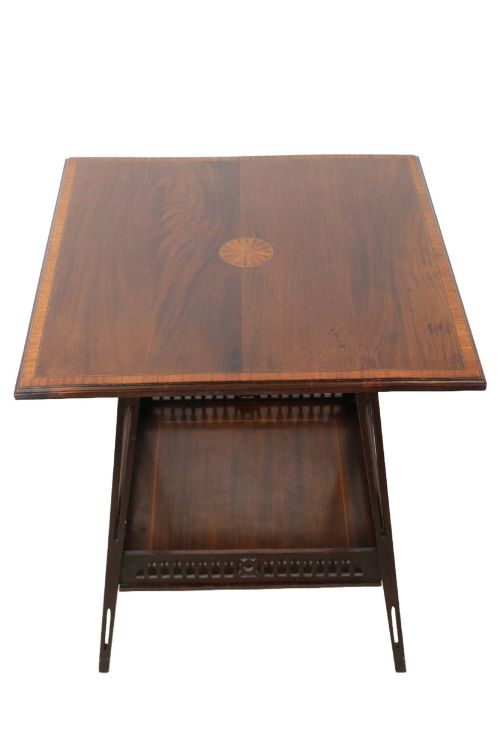
The versions most common on this page span the Victorian and Edwardian eras, often taking the form of compact occasional pieces or substantial centre tables. Walnut, rosewood, and satinwood provide the primary surfaces for delicate decorative motifs.
How they were made
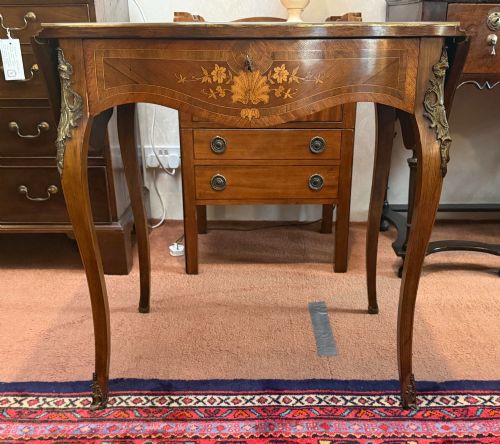
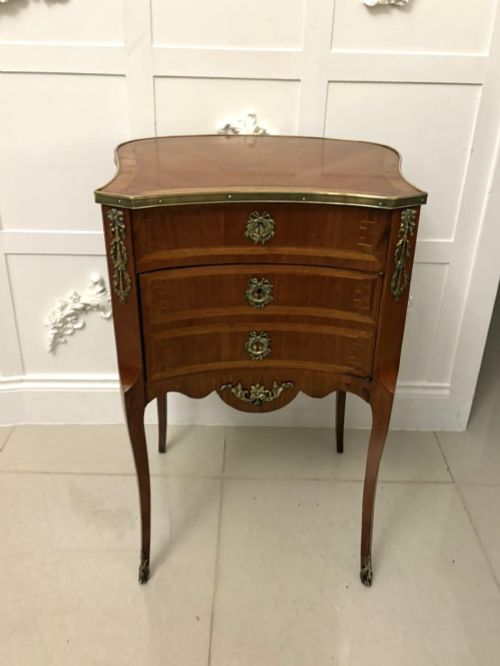
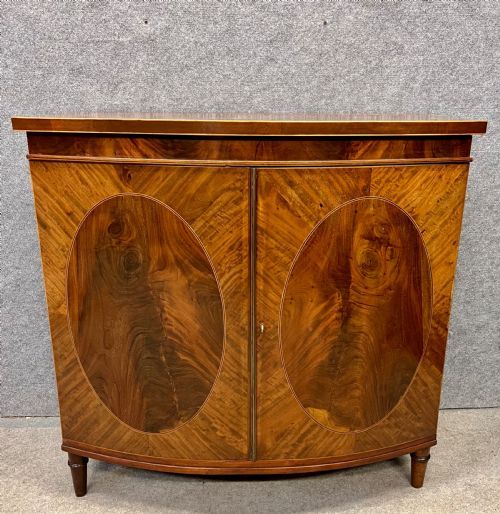
Cabinet makers built these tables using solid foundational timbers like mahogany and walnut, applying fine veneers of satinwood, kingswood, and fruitwood to the visible surfaces. Brass line inlay and ormolu mounts frequently accent the timber panels, adding metallic contrast to the natural grain.
Marquetry techniques allowed artisans to shape diverse wood veneers into pictorial or geometric designs, secured carefully to the carcase. Crossbanding in tulipwood or rosewood often frames the edges, defining the structural borders with precise linear contrast.
Retail Price Guide 2026
Typical UK retail prices for inlaid wood table, calculated from the Sellingantiques database of over a million retail prices indexed since 2003. This retail price guide relies exclusively on Sellingantiques data; no external sources or auction records are used, so the figures do not describe the wider market.
One exceptional musical table plays tunes directly from its hidden Victorian mechanism while you admire the marquetry.
What varies in quality
Structural integrity and the retention of original surface patination dictate long-term worth. Tables retaining clean, unlifted veneers and harmonious tonal contrast between woods demonstrate superior workshop origin.
Collinson and Lock·Shapland and Petter·George Bullock
The Inlaid Wood Table Glossary
- Marquetry
- Decorative veneer work assembled in pieces to form pictures or ornamental patterns on a wooden surface. This technique requires meticulous hand-cutting of different timber species to fit flush together.
- Crossbanding
- A strip of veneer applied to the border of a table top with the wood grain running perpendicular to the main panel. It creates a defined frame effect around the central design.
- Ormolu
- Gilded bronze used for decorative mounts and accents on furniture. It provides a bright metallic contrast against dark woods like rosewood and kingswood.
- Ebonised
- Wood treated to imitate ebony, usually through dark staining or painting. This finish appears frequently on nineteenth-century framework to give a sharp, formal appearance.
Frequently Asked Questions
What periods do these tables come from?
The pieces span the Victorian and Edwardian eras, alongside nineteenth-century examples and earlier Regency designs. Makers utilised prevailing styles of each decade to shape domestic furniture.
Craftsmen adapted classic proportions for drawing rooms and libraries, leaving distinct stylistic markers across different periods.
How do I care for inlaid wood?
Maintain stable room humidity to prevent timber movement and veneer lifting. Direct sunlight can fade delicate satinwood and fruitwood over time.
Apply traditional wax polish sparingly to nourish the grain without building up heavy residue on the surface.
Were these tables used daily?
Side and occasional tables served functional roles in period drawing rooms for holding lamps, books, or writing materials. Card and game tables accommodated evening entertainment.
Their placement depended on the room layout, often sitting centrally or against walls until required for use.
How are satinwood and rosewood told apart?
Satinwood offers a pale, golden-yellow tone with a natural sheen that catches light across the grain. Rosewood presents a much darker, reddish-brown colour with pronounced black figuring.
Both timbers provide high-contrast canvases for intricate marquetry and geometric inlay patterns.