
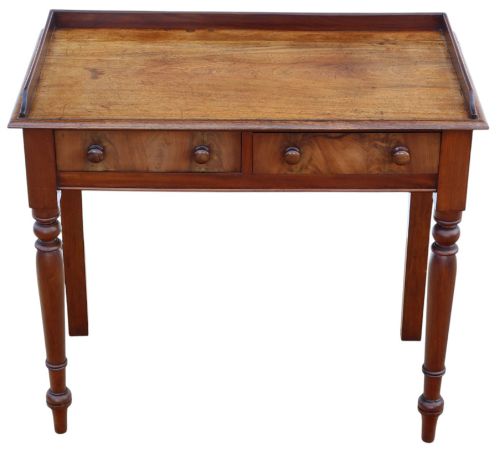
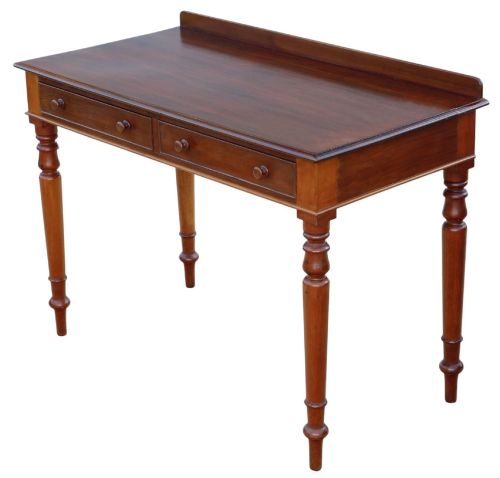
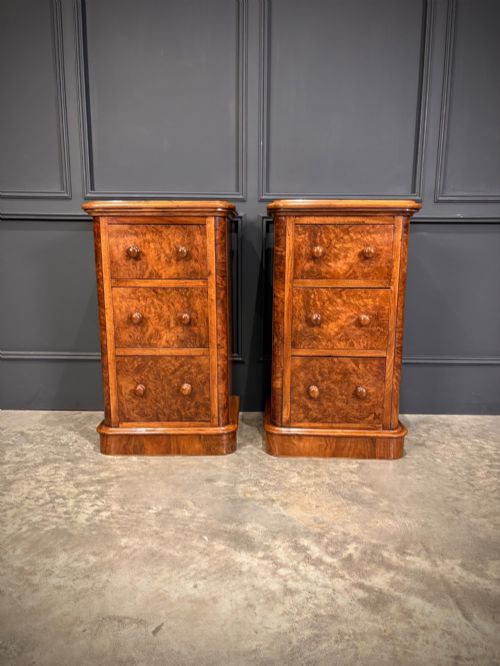
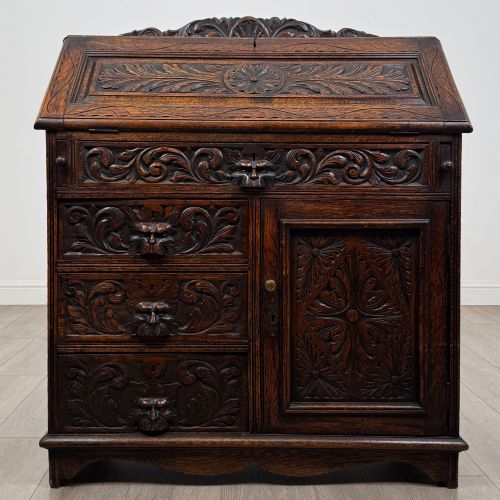
Antique Table with Drawers
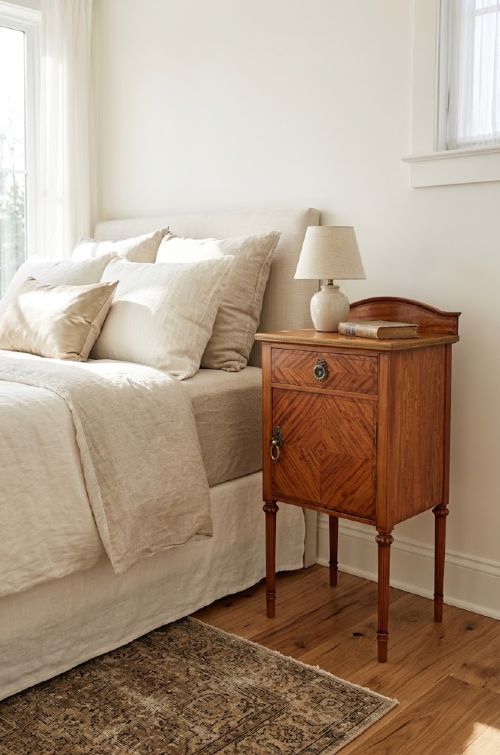
An antique table with drawers offers practical surface space combined with concealed storage across Georgian, Regency and Victorian forms.
Forms and periods
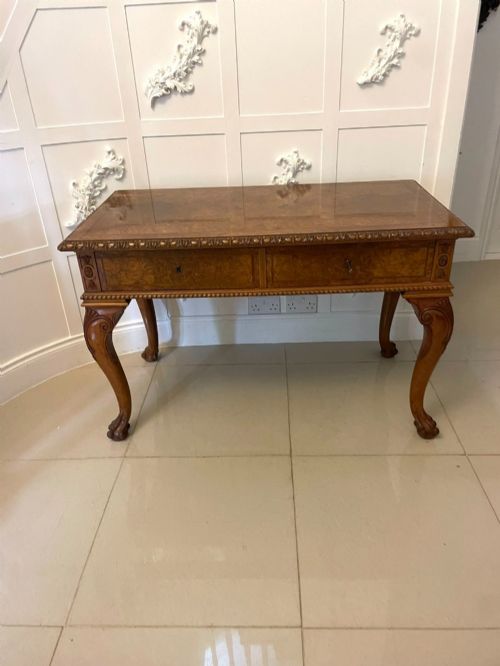
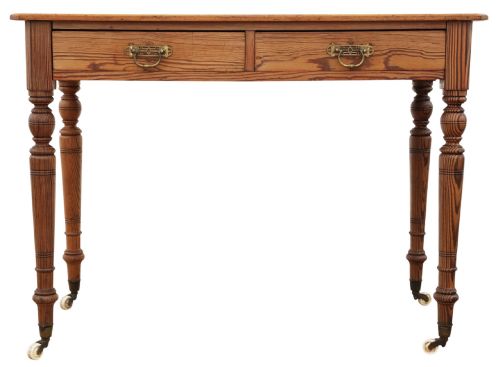
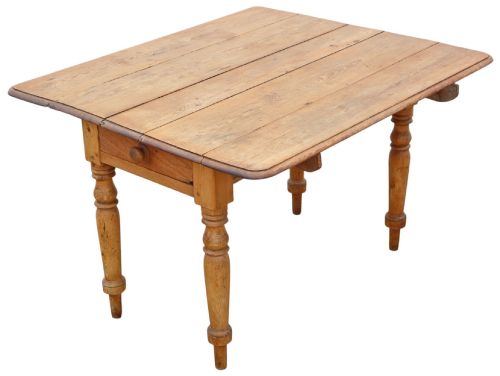
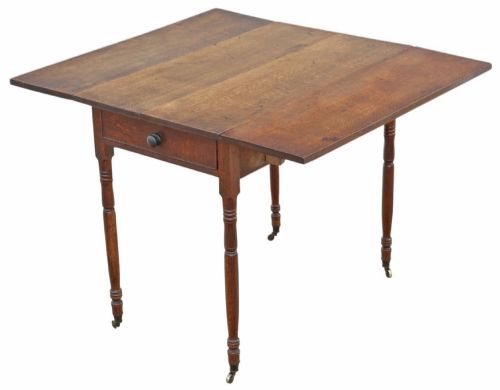
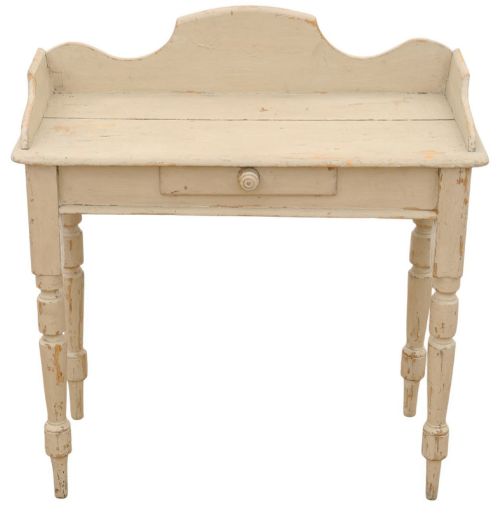
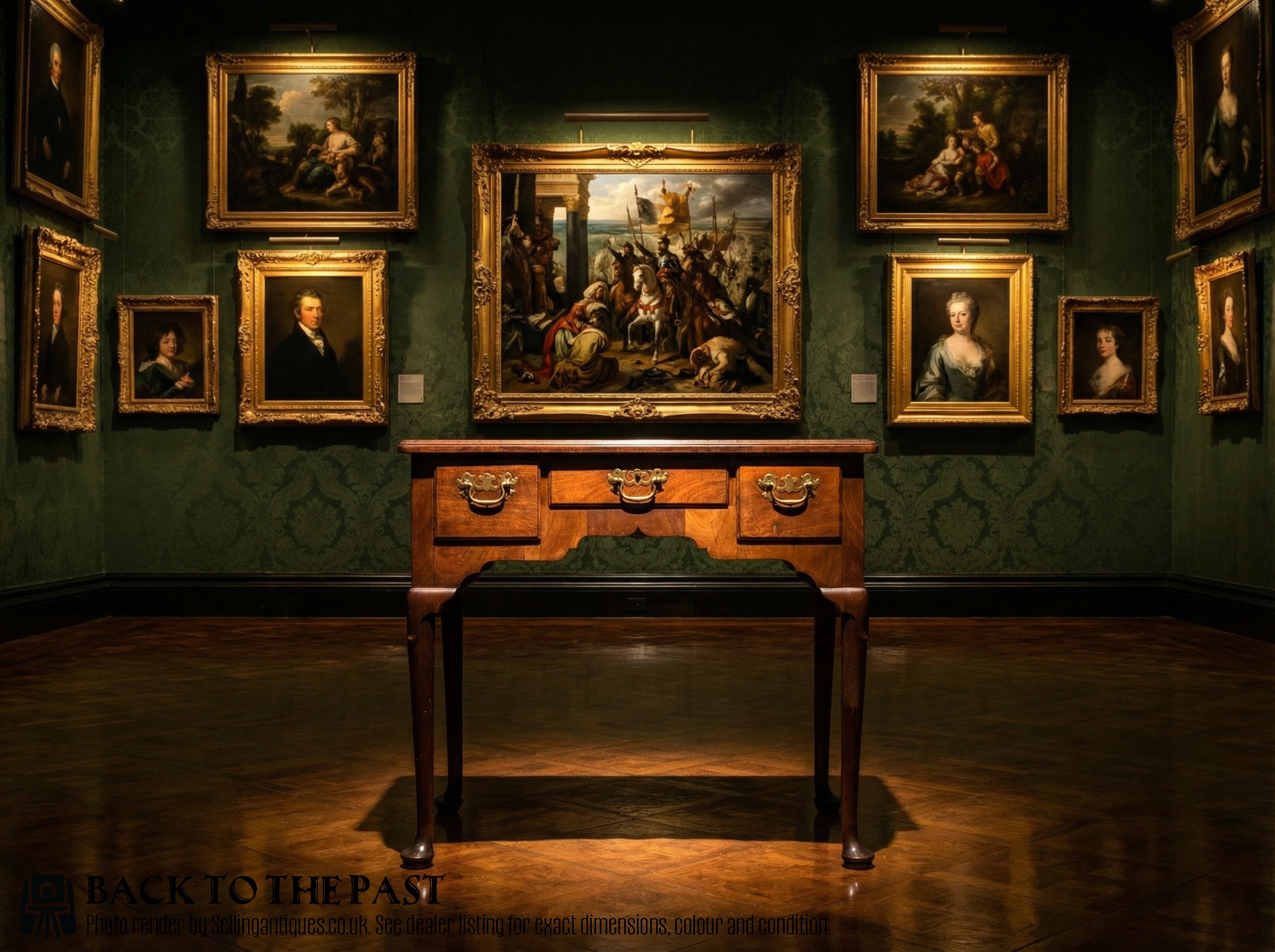
The antique table with drawers appears in domestic settings as a library, writing, side or farmhouse dining table spanning the eighteenth and nineteenth centuries.
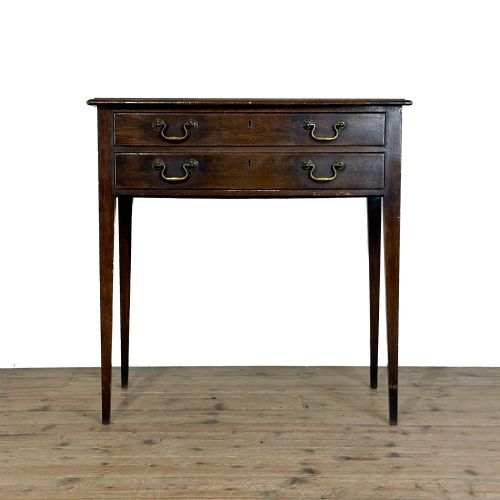
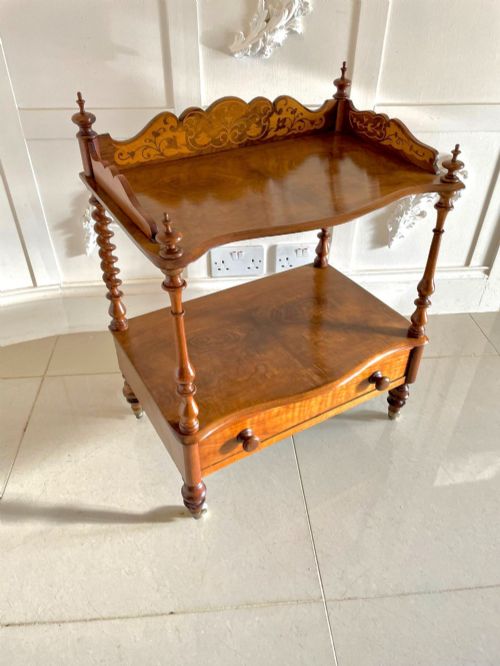
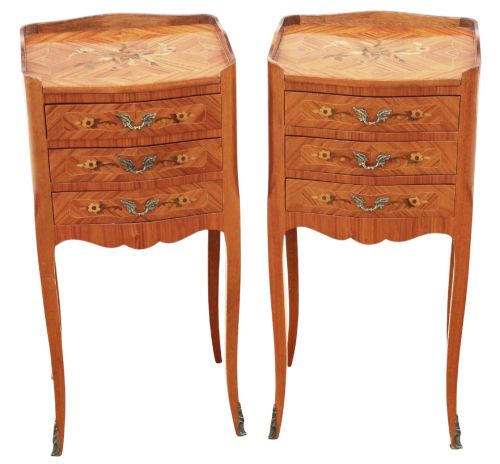
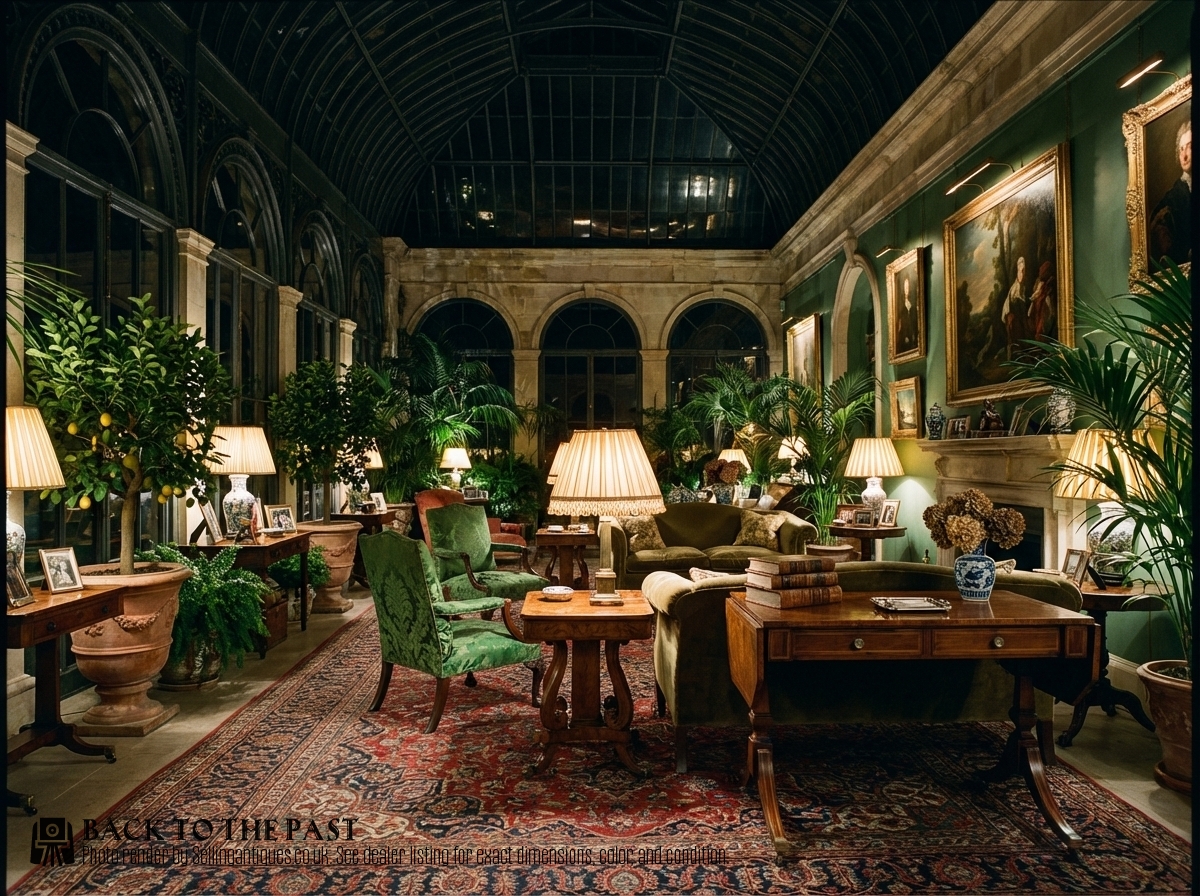
Regency and Victorian variations include compact work tables, drum tables and sofa tables fitted with brass handles and turned supports.
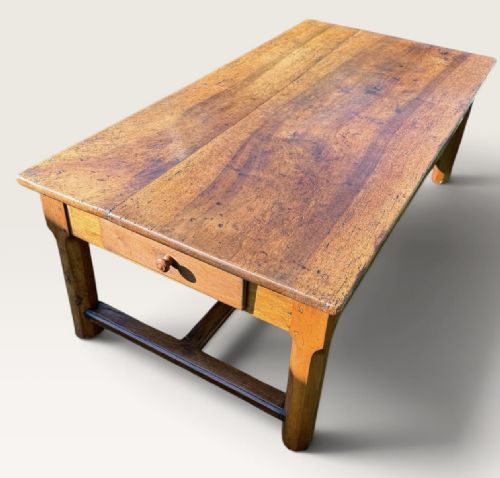
Provincial pieces frequently utilise pine, oak and chestnut, while formal library and writing furniture relies on mahogany, rosewood and walnut.
Materials and construction
Cabinet makers constructed carcass frames in solid timbers such as mahogany, oak, pine, elm and yew, occasionally incorporating Cuban mahogany and figured veneers.
Drawer interiors utilise secondary woods, with joinery executed through traditional housing and dovetail methods to ensure smooth operation within the apron.
Hardware additions include cast brass handles, drop pulls and leather inset writing surfaces bordered with gilt tooling.
Retail Price Guide 2026
Typical UK retail prices for table with drawers, calculated from the Sellingantiques database of over a million retail prices indexed since 2003. This retail price guide relies exclusively on Sellingantiques data; no external sources or auction records are used, so the figures do not describe the wider market.
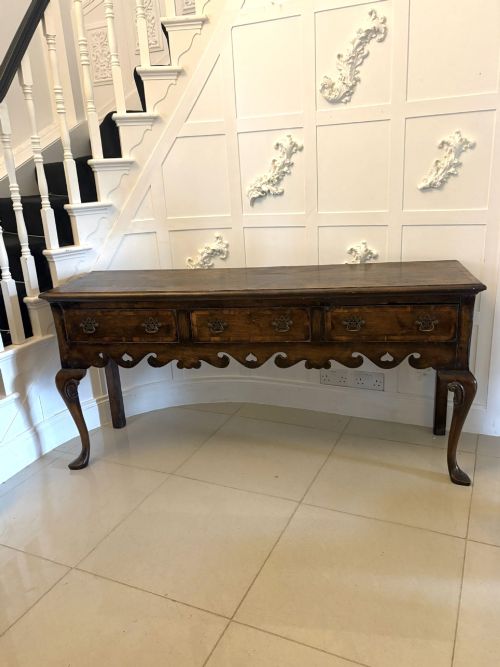
Listings feature eighteenth-century Georgian lowboys alongside nineteenth-century Victorian library desks and rustic pine farmhouse dining tables.
Distinction in execution
The division between standard utility pieces and finer examples rests on timber selection, such as figured elm, burr walnut or dense Cuban mahogany.
Refined pieces display careful grain matching across drawer fronts and balanced proportions in the turning of legs, balusters and end supports.
Maple and Co
The Antique Table with Drawers Glossary
- Lowboy
- A small eighteenth-century dressing or writing table featuring one or more rows of drawers beneath a flat top. They stand on slender cabriole or straight legs.
- Sofa table
- A rectangular occasional table popular in the Regency period designed to stand in front of a sofa with drop leaves at each end and frieze drawers.
- Drum table
- A circular library table containing a deep frieze with alternating real and dummy drawers, typically supported on a central pillar and tripod base.
- Work table
- A small domestic table fitted with drawers and frequently a fabric bag for sewing materials. These compact items date primarily from the Regency and Victorian eras.
Frequently Asked Questions
How do I date an antique table with drawers?
Dating relies on timber characteristics, construction methods within the drawer linings and overall stylistic markers. Georgian pieces often display hand-cut dovetails and oak secondary woods, whereas later Victorian examples utilise machine-sawn elements and varied softwood linings.
Hardware styles and edge moulding profiles provide further chronological context. Comparing the structural framing against documented examples from the same period helps confirm the decade of manufacture.
Where should I place a side table with drawers?
These pieces suit entrance halls, living rooms and studies where surface space and hidden storage are both required. Library and writing versions function effectively against walls or behind sofas.
Smaller work and occasional tables fit comfortably beside seating or in bedrooms as compact vanity units. Their finished backs and solid timber construction allow placement away from walls in open room layouts.
What is the difference between a lowboy and a side table?
A lowboy is a specific form of small eighteenth-century dressing or writing table equipped with drawers positioned low within the frieze. They traditionally feature graceful cabriole or straight square legs.
General side tables span a broader range of periods and proportions without the specific architectural stance of a lowboy. Side tables frequently serve dining or utilitarian kitchen roles rather than formal dressing or writing.
How do I care for polished mahogany surfaces?
Maintain polished mahogany by dusting with a dry, soft cloth and applying a traditional beeswax polish sparingly to nourish the timber. Avoid placing the table in direct sunlight or near heat sources to prevent the wood from drying and splitting.
Use protective mats under hot or damp items to safeguard the polished finish and leather insets. Regular gentle care preserves the natural grain and depth of the timber patination over time.