
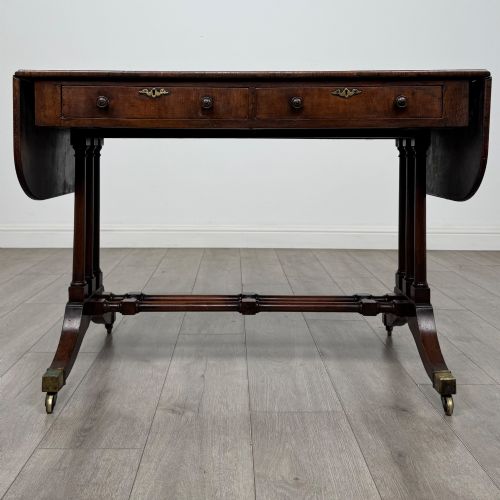
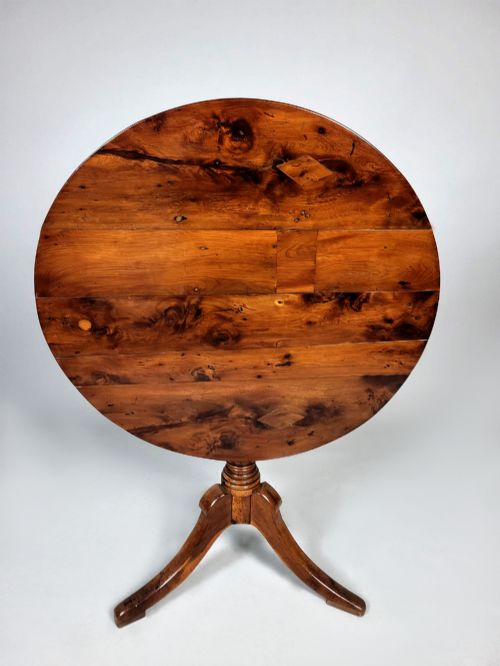
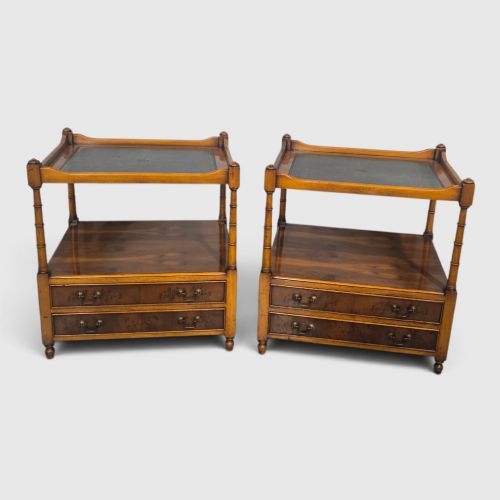


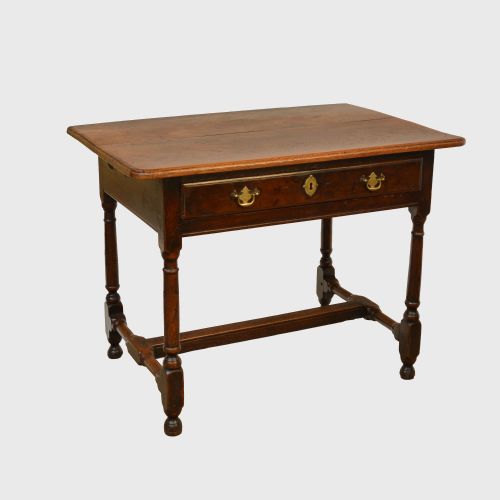
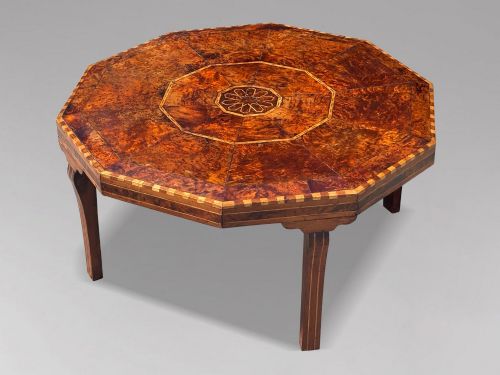
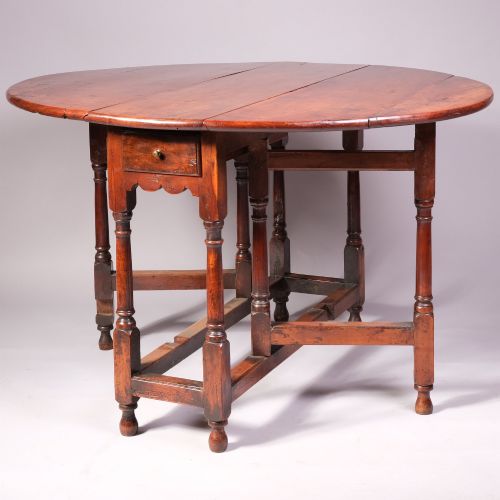
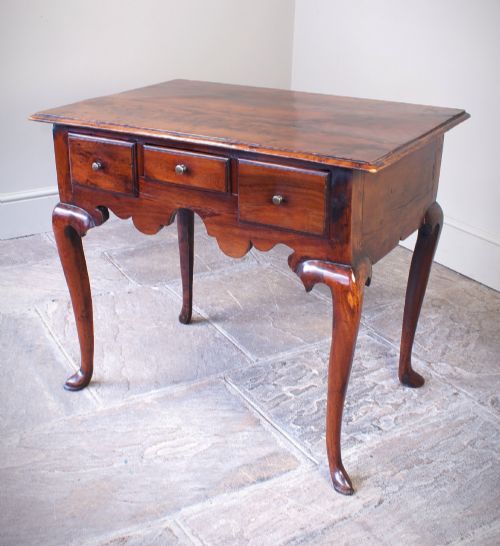
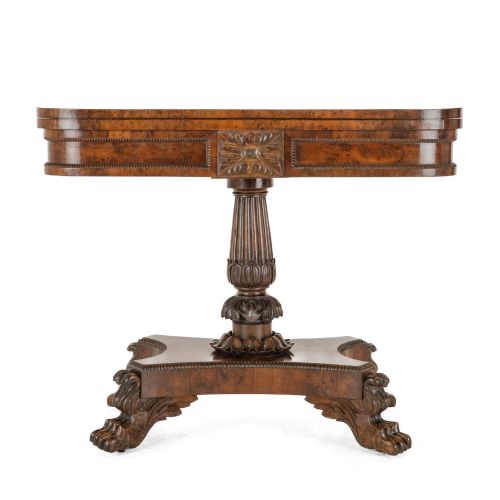

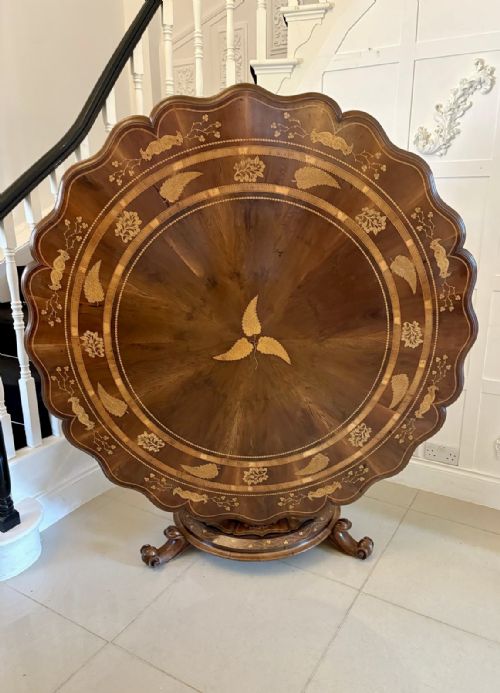
Antique Yew Wood Table
These pieces combine rich figured grain with traditional forms, offering collectors a striking antique yew wood table for daily use.
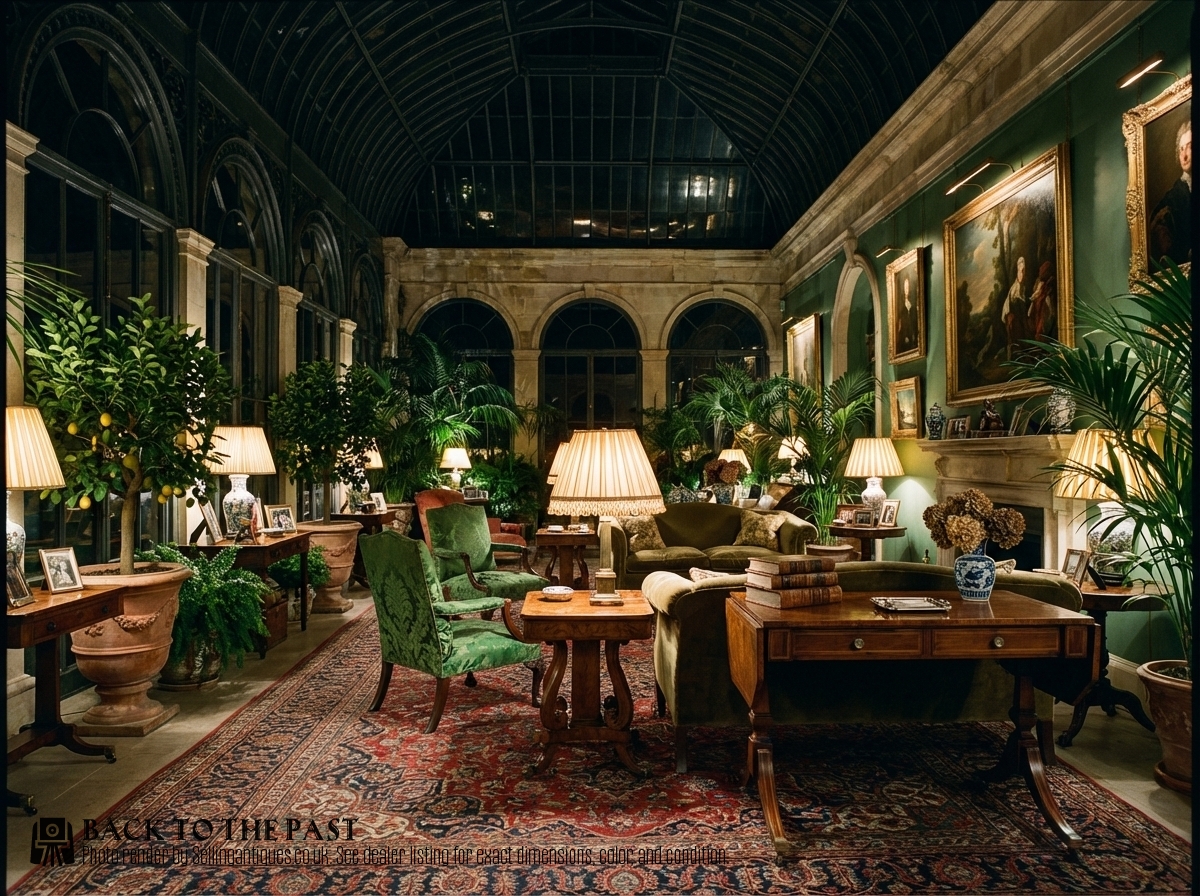
Antique Yew Wood Table
An antique yew wood table encompasses diverse domestic forms shaped by centuries of British and Irish cabinet making, ranging from compact wine tables to grand centre pieces.
Buyers searching for an antique yew wood table frequently encounter Georgian and Regency examples, alongside later 19th-century revivals and occasional pieces.
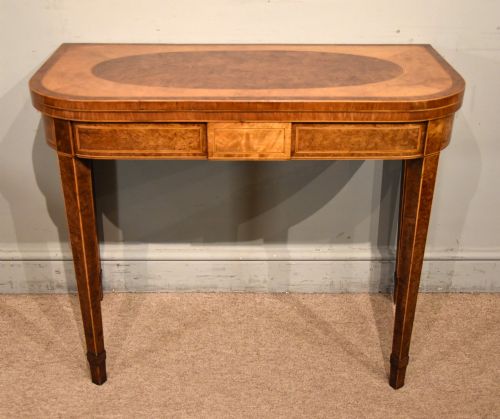
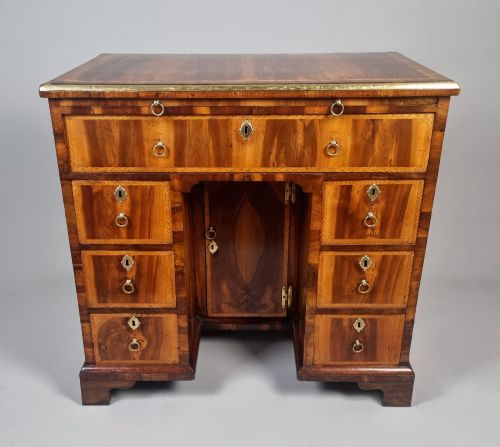
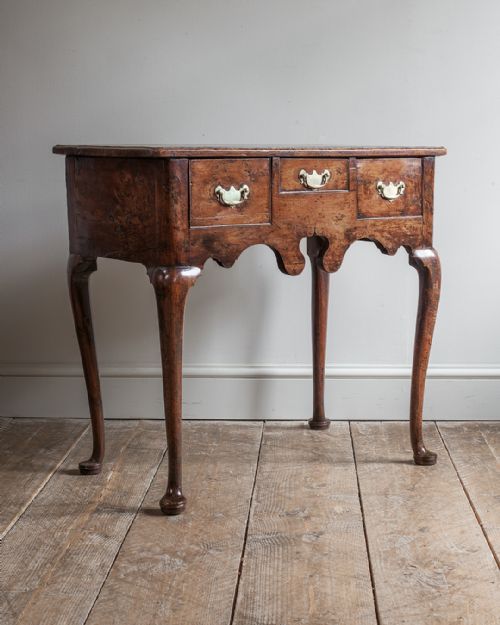
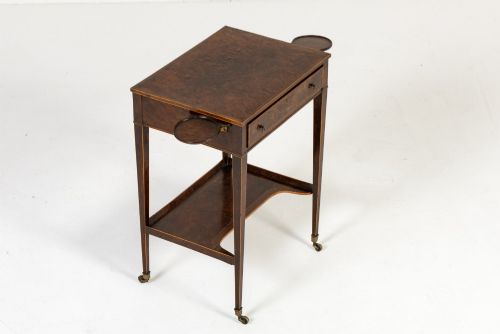
The selection includes specific functional types such as lowboys, card tables, writing desks, and occasional tripod stands made from native timbers.
How they were made
Cabinet makers utilised solid yew timber or applied decorative burr yew veneers over secondary woods like oak, elm, and mahogany to accentuate the distinct grain patterns.
Many 18th-century and Regency examples incorporate brass hardware, intricate marquetry, and turned pedestals or tripod legs to support the timber tops.
Antique Yew Wood Table Retail Price Guide 2026
Typical asking prices for yew wood table among the pieces listed under this phrase on Sellingantiques today, from the lower quarter to the upper quarter. They describe what is for sale here now, not the wider market.
Listings feature woods including yew, burr yew, oak, elm, and mahogany across 18th-century, Regency, and Victorian periods.
What varies in quality
Quality rests upon the selection and matching of the timber figure, particularly the depth and movement found in burr yew and oyster veneers.
Construction fidelity dictates value, distinguishing restrained vernacular country pieces from sophisticated urban workshops employing detailed inlay and original brasses.
Egan Workshop·George Bullock
The Antique Yew Wood Table Glossary
- Burr yew
- A timber derived from the gnarled growth excrescences on yew trees, yielding tightly patterned, swirling grain used for decorative veneers.
- Lowboy
- A small dressing table or side table featuring one or more rows of drawers beneath a flat top, popular during the 18th century.
- Tripod table
- A small freestanding table supported by a central pillar resting on three spreading feet, often designed to tilt or remain stationary.
- Oyster veneer
- Small, circular cross-section slices of branches laid closely together to create a decorative surface resembling oyster shells.
Antique Yew Wood Table: Frequently Asked Questions
What periods do these tables span?
The listings feature pieces originating from the early 18th century through the Georgian and Regency eras, extending into the Victorian period and later 20th-century revivals.
Craftsmanship evolved across these periods, shifting from vernacular country workshop traditions to refined urban cabinet making.
How do I identify burr yew?
Burr yew is characterised by dense, swirling clusters of knots and eyes that create highly decorative patterns across the tabletop.
This timber was typically sliced into thin veneers and applied over a stable secondary wood such as oak or mahogany.
Where were these tables used originally?
Smaller tripod and wine tables served domestic functions in entertaining rooms, while lowboys and desks furnished bedrooms and private studies.
Larger centre tables and dining pieces occupied principal reception rooms in grand houses and town residences.
Are these tables made of solid yew?
While some country pieces utilise solid timber throughout, many tables employ yew or burr yew veneers applied to secondary woods like elm and oak.
This technique allowed makers to display dramatic grain figures while ensuring structural stability.