

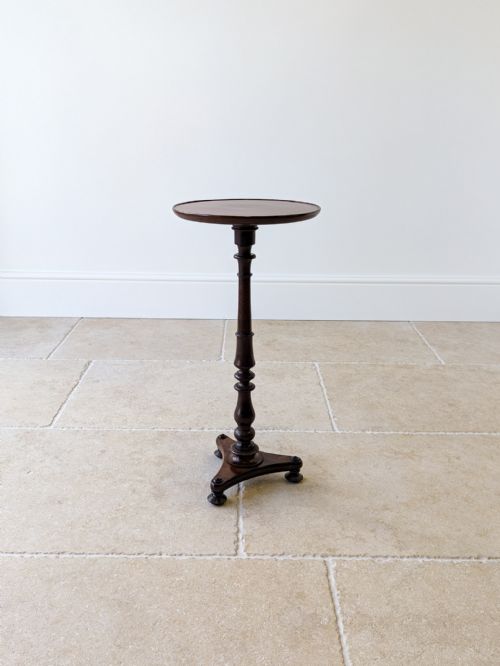
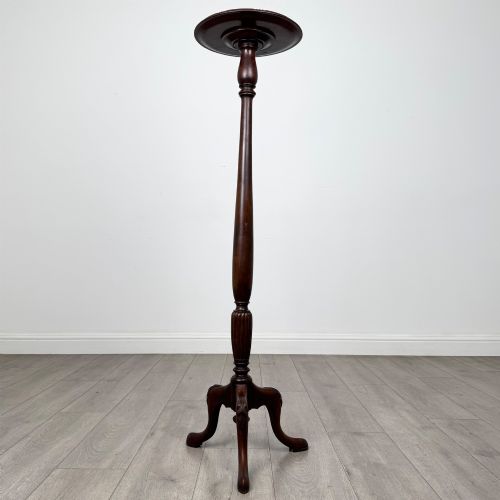
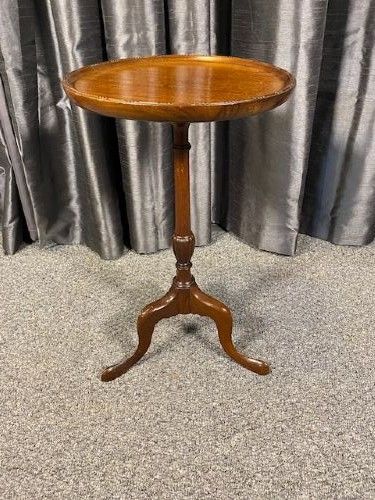
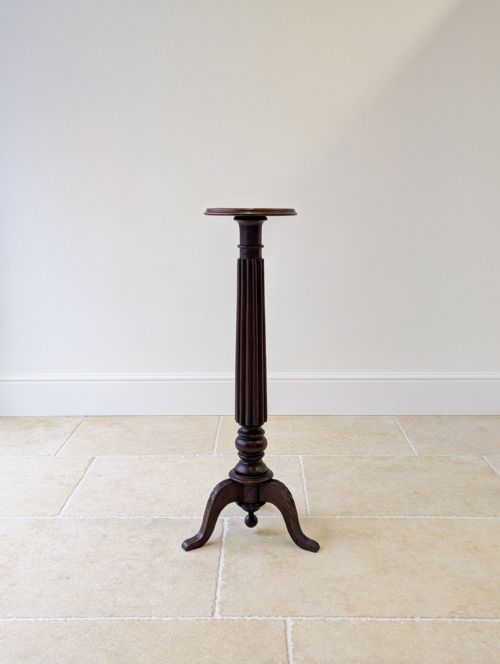


Georgian Torchere Stand
A georgian torchere stand brings height and sculptural form to a room, holding light or plants on slender timber columns.
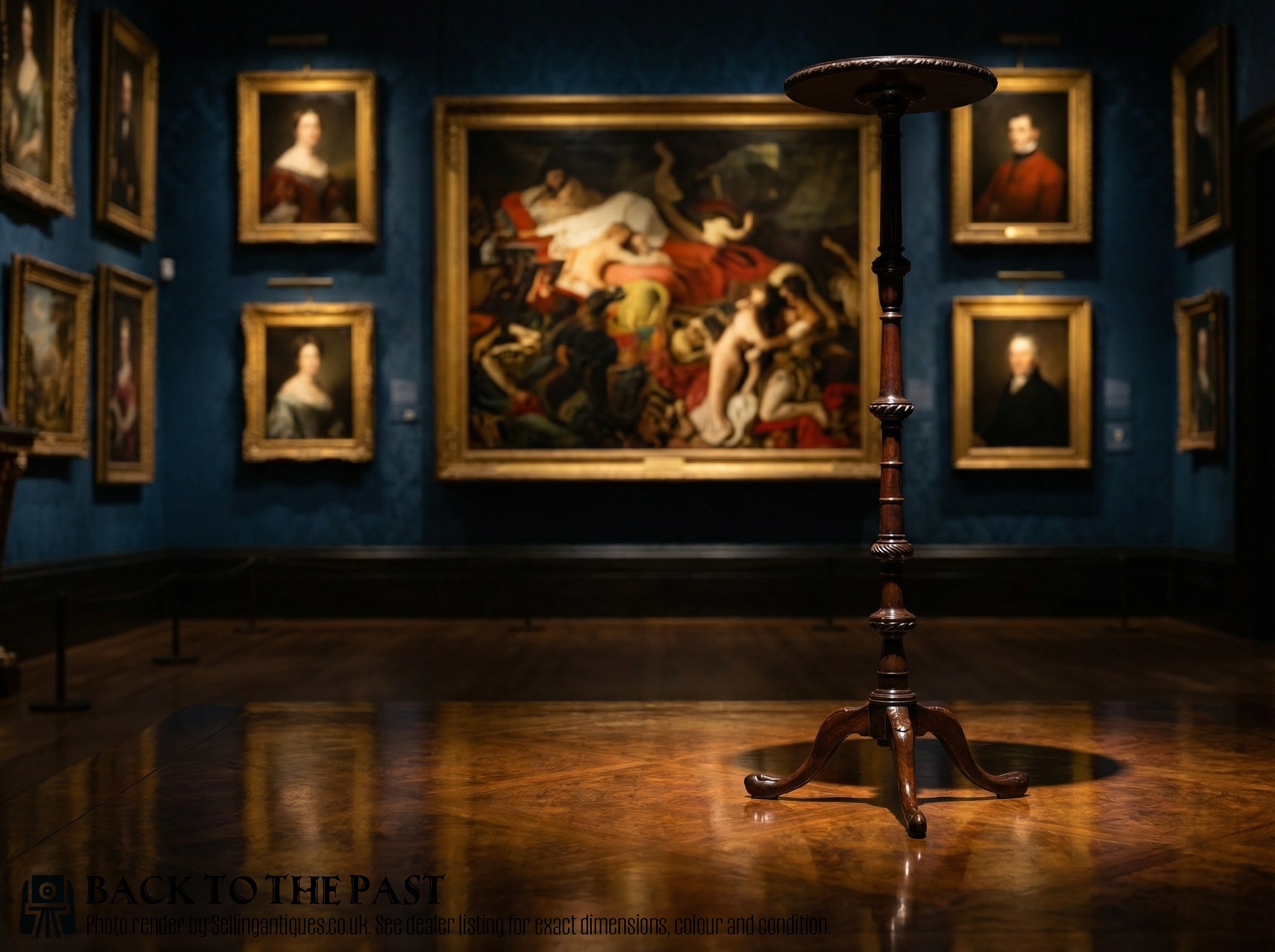
Georgian Torchere Stand
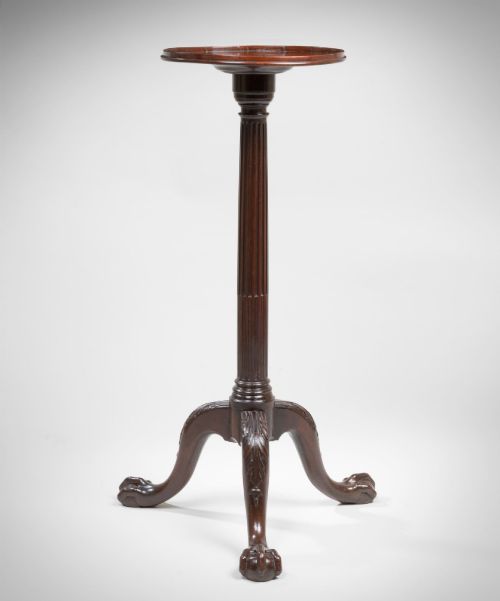
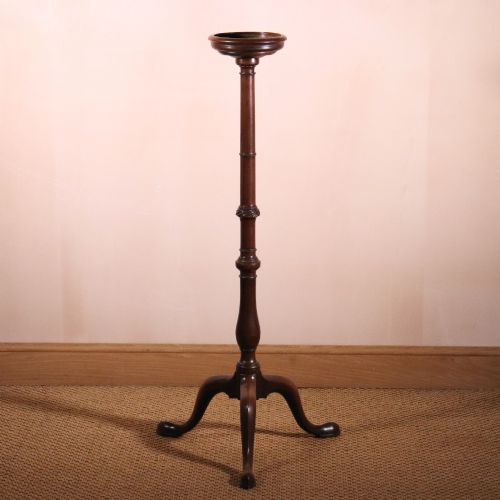
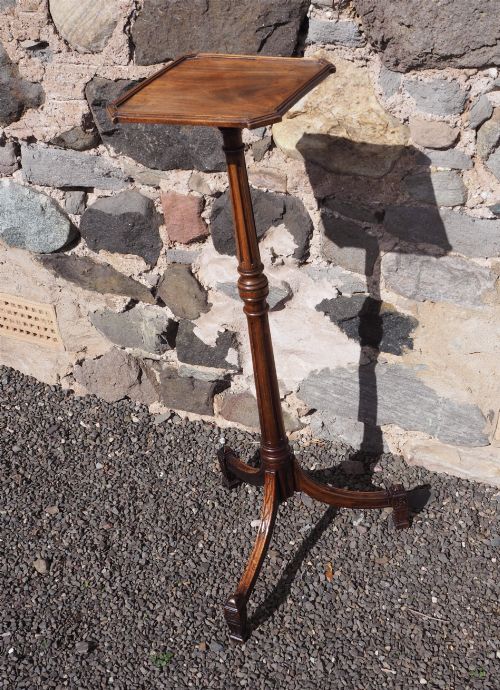
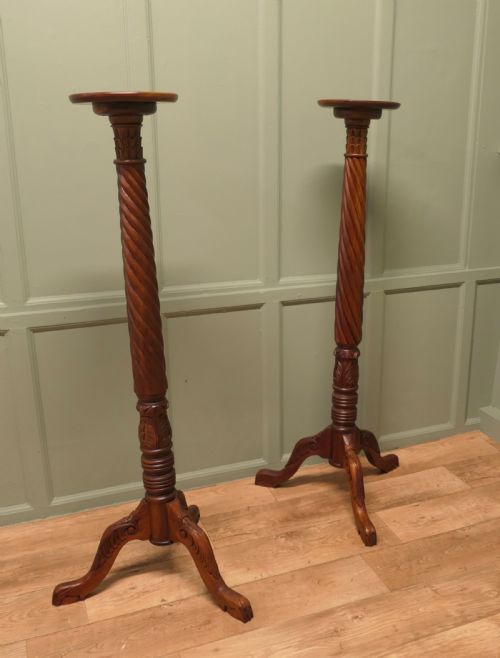
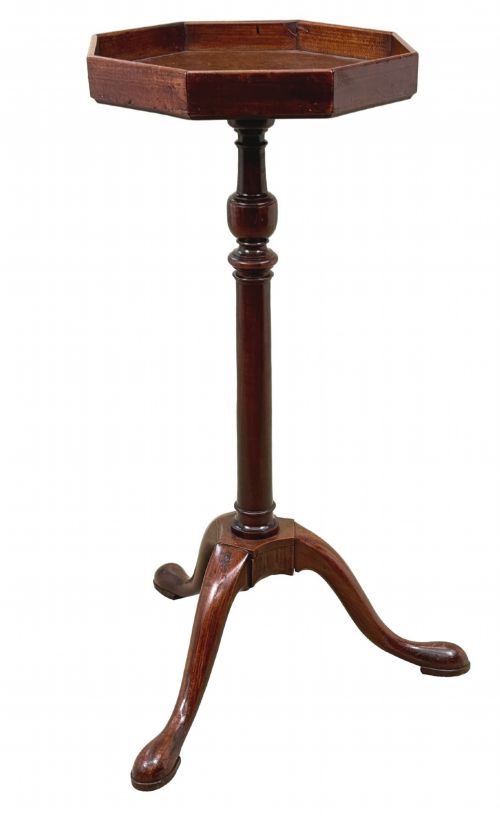
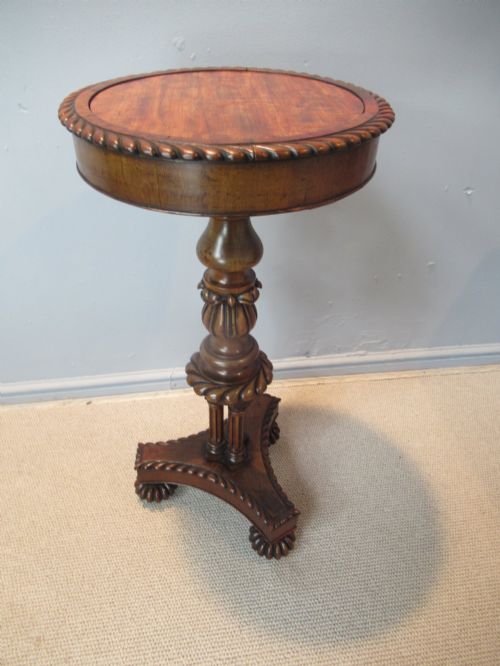
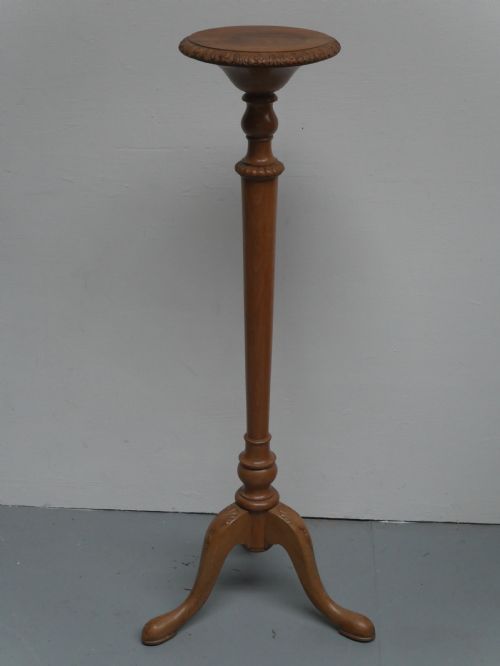
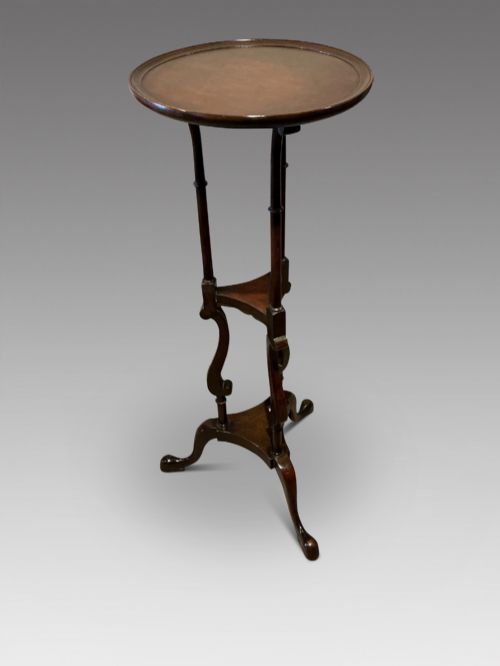
When you search for a georgian torchere stand, you encounter tall, slender supports originally designed to hold lighting or display decorative objects in formal rooms. These pieces appear in forms ranging from eighteenth century originals to later nineteenth century revivals and twentieth century interpretations.
The predominant materials recorded in the evidence are timbers like mahogany, walnut, oak, and satinwood, occasionally enhanced with gesso, brass, or gold leaf. Structural silhouettes vary between tripod bases with carved tripod legs and heavier triform pedestals.
Makers and designers produced these stands to occupy corners or beside seating, creating vertical interest rather than a wide footprint. While catalogued variously as candle stands, plant stands, or pedestals, the core function remains elevated display.
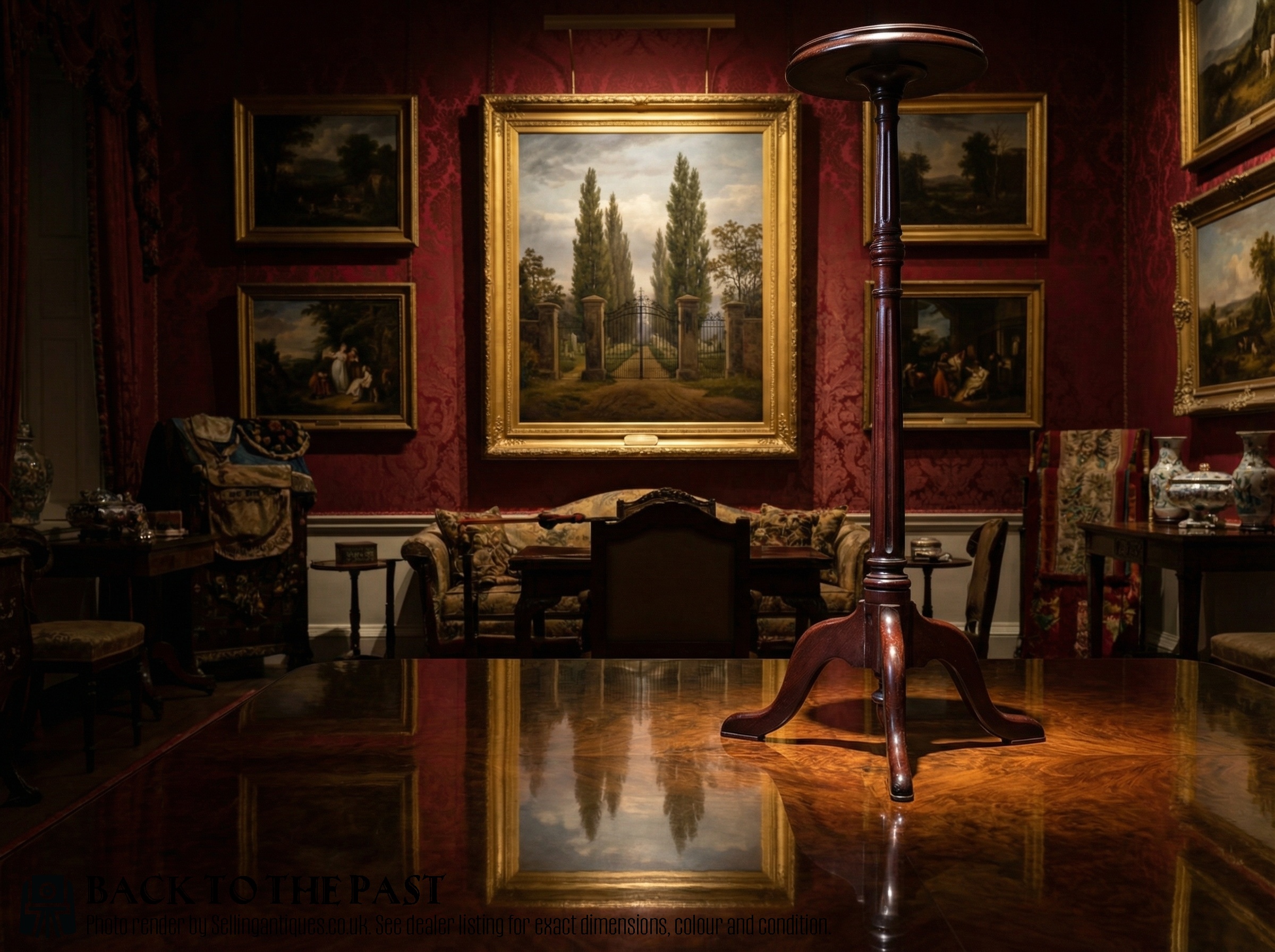
How they were made
Makers constructed these stands using dense timbers such as mahogany, walnut, and oak, often turning central columns on a lathe before hand-carving detailed capitals and feet. Inlaid details utilise contrasting woods like satinwood and floral marquetry to add visual depth to tabletops.
Surface treatments recorded in the evidence include polished wood finishes, gesso mouldings, and applied gold leaf, while some examples employ painted decorations. Structural stability relied on tight joinery within the tripod or triform bases to support the weight atop tall, narrow shafts.
Georgian Torchere Stand Retail Price Guide 2026
Typical asking prices for georgian torchere stand among the pieces listed under this phrase on Sellingantiques today, from the lower quarter to the upper quarter. They describe what is for sale here now, not the wider market.
What varies in quality
Quality rests upon the crispness of the carved detail on the stem and the choice of timber figure, where well-figured mahogany or burr oak elevates a standard form into a notable object. The stability of the central column where it joins the feet determines the structural integrity of the stand.
Proportion dictates visual success, separating pieces with elegant, slender stems and balanced tripod bases from heavier, bulkier interpretations. The presence of period surface finishes or careful historical revivals distinguishes finer workshops from mass production.
Humphrey Hopper
The Georgian Torchere Stand Glossary
- Torchere
- A tall stand designed to hold a candle or lamp. The form developed in the seventeenth century and continued through the Georgian era.
- Triform
- Having three sides or a three-way arrangement. This describes the base shape shared by many tall pedestals and stands.
- Marquetry
- Decorative veneer work arranged in pictorial or geometric patterns using various coloured woods. It frequently appears on table tops.
- Gesso
- A plaster-based mixture applied to wood surfaces to provide a smooth base for gilding or painting. It is common on gilt wood stands.
- Tripod
- A three-legged support structure. Most torchere stands rely on this configuration for stability on uneven floors.
Georgian Torchere Stand: Frequently Asked Questions
What did people put on a torchere stand?
These stands originally held candles or oil lamps to provide supplementary illumination in reception rooms and parlours.
Over time, owners repurposed them to display decorative items, urns, or house plants where height added emphasis.
Are these stands stable enough for daily use?
The slender three-legged or triform bases require placement out of major traffic routes to prevent tipping.
Positioning them in corners or against walls provides natural stability while maintaining their decorative silhouette.
How do I tell an original Georgian piece from a revival?
Eighteenth century pieces display timber ageing, hand-cut joinery marks, and wear patterns consistent with extended use.
Revival pieces from the nineteenth and twentieth centuries often show more uniform machine finishing and different internal construction methods.
Where should I place a torchere stand at home?
The narrow footprint makes them ideal for filling empty corners or framing doorways without consuming floor space.
They function well beside armchairs or sofas to hold small lamps or trailing plants.