
Tall Plant Pedestal
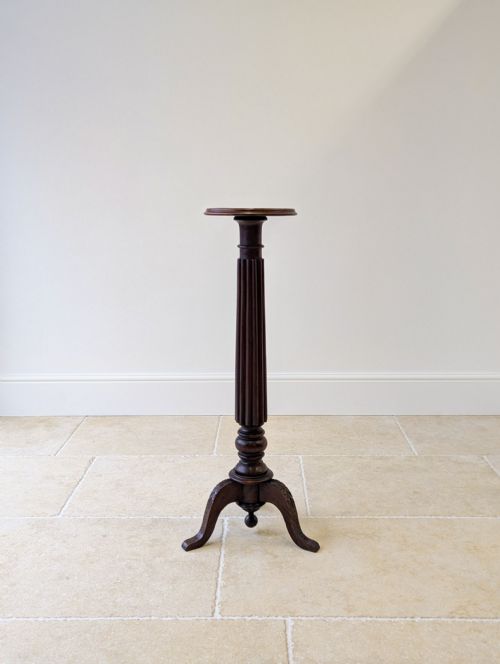
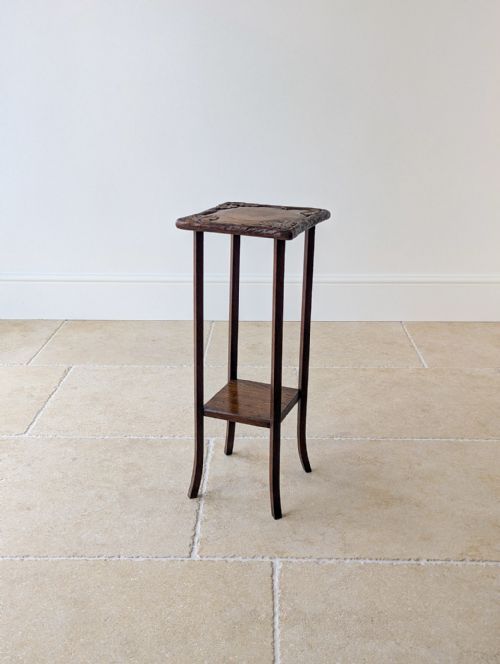
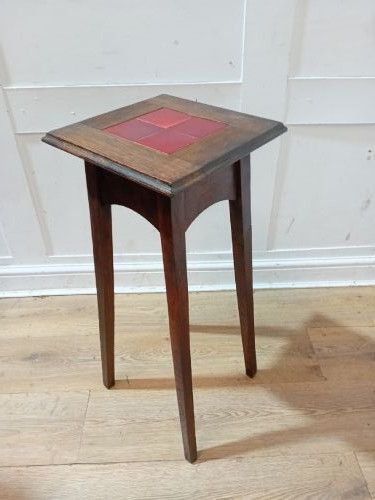
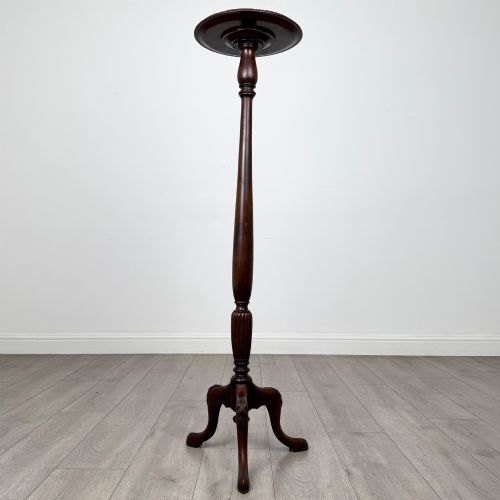
A tall plant pedestal raises greenery or sculpture into the light, uniting sturdy timber and marble with slender proportions.
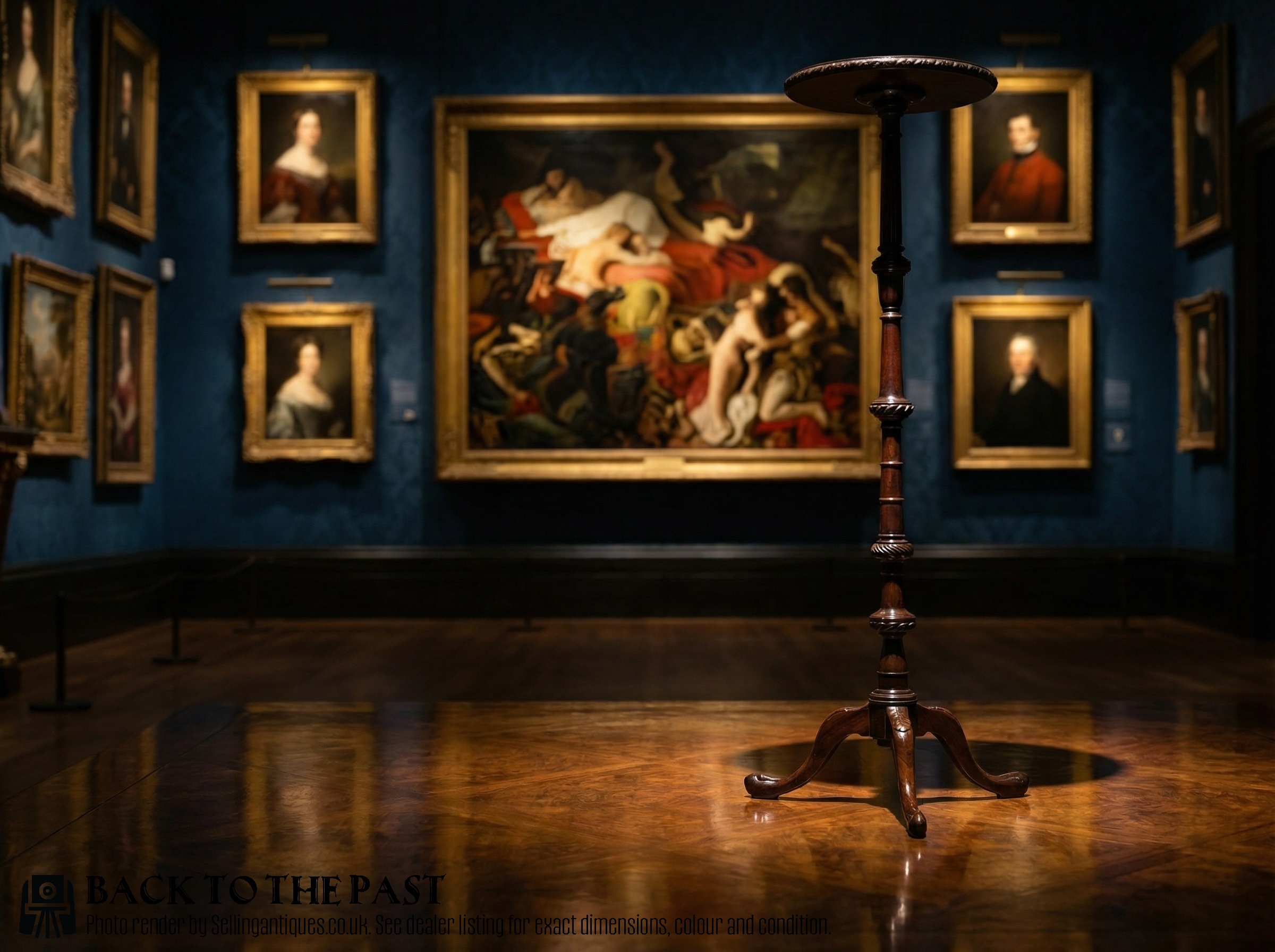
Tall Plant Pedestal
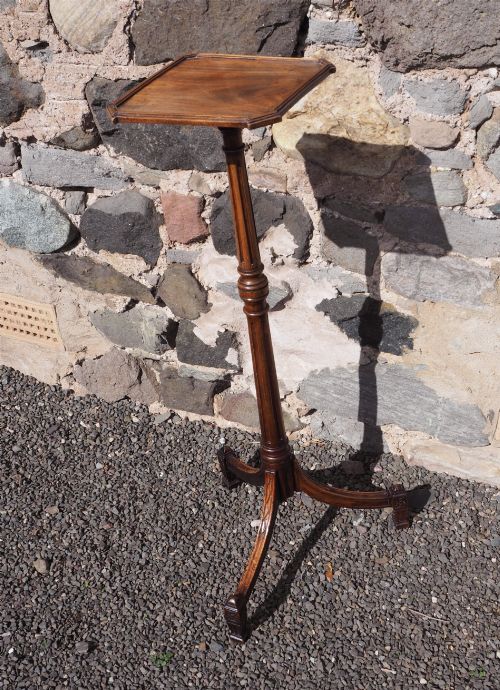
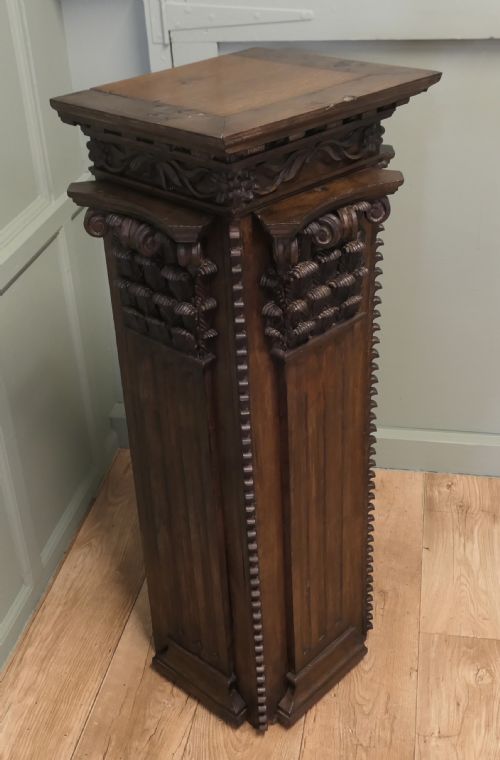
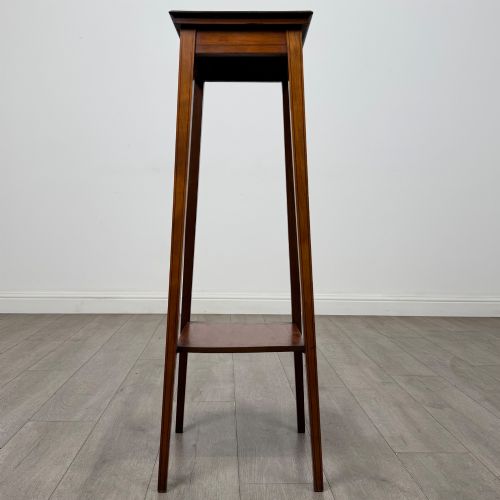
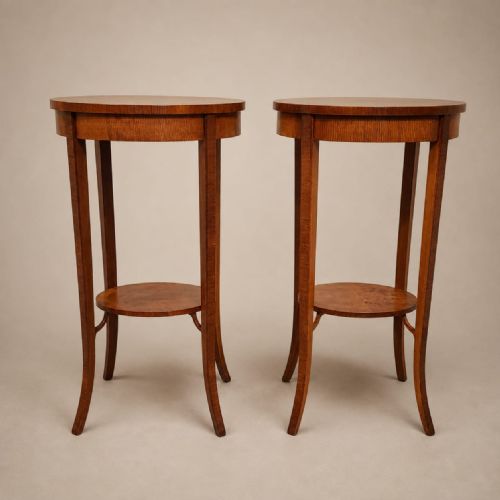
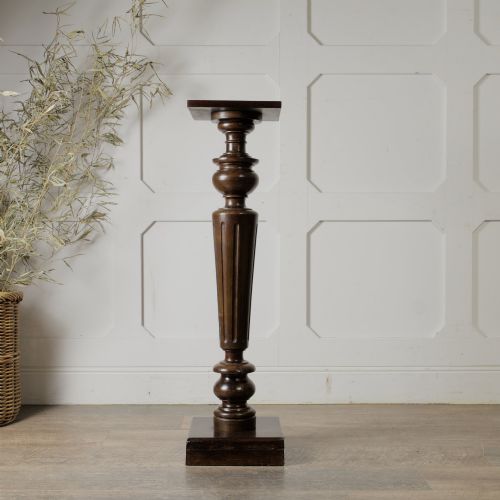
A tall plant pedestal serves primarily to elevate flora, urns, or decorative objects within a room. When searching for a tall plant pedestal, a buyer encounters pieces originating from the Georgian period through the Edwardian era, spanning the nineteenth and early twentieth centuries.
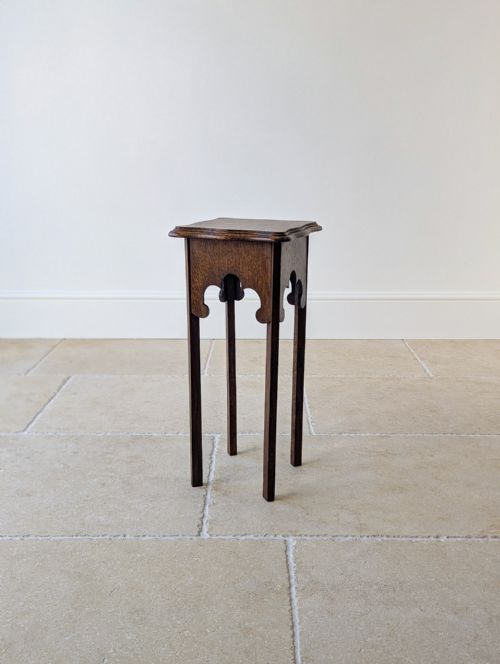
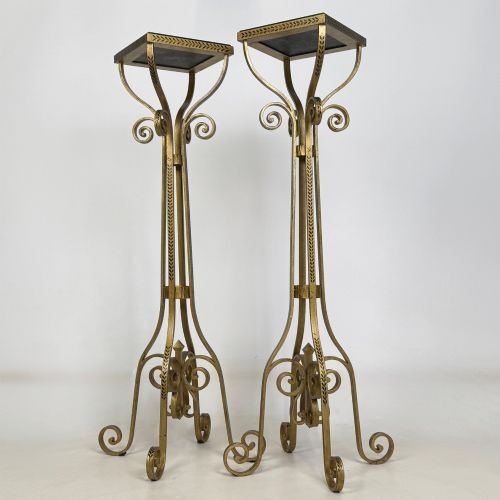
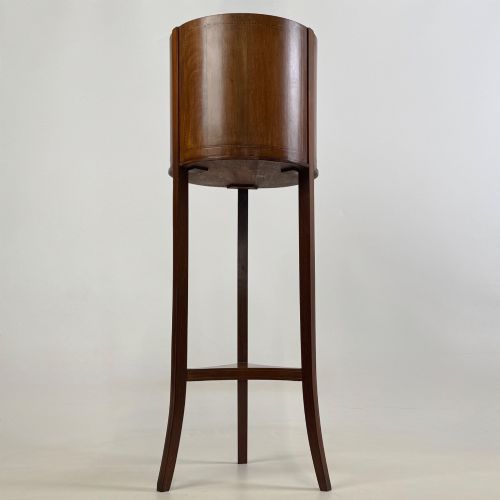
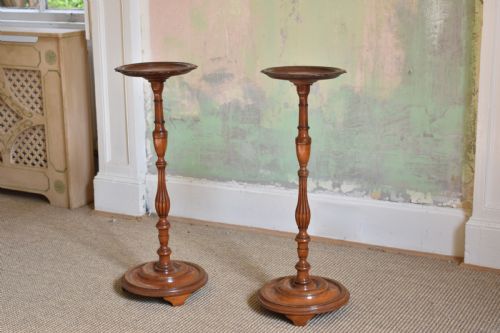
The selections available here take various structural forms, including torcheres, column display pedestals, jardinieres, and urn stands. Mahogany and oak dominate the domestic output, alongside walnut, satinwood, and ebonised timber.
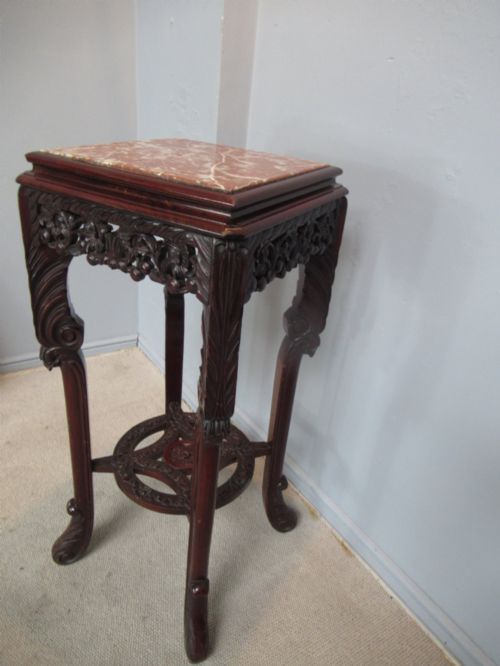
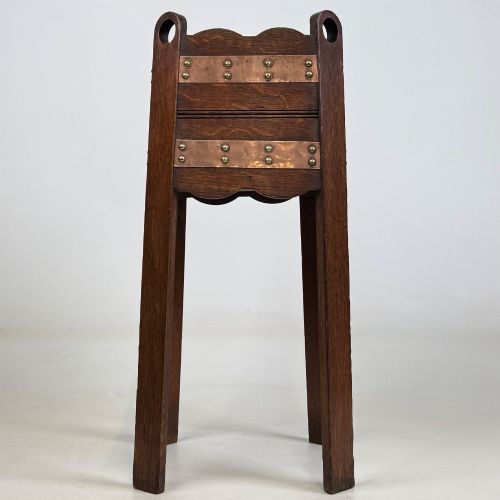
Makers and workshops often integrated marble tops or brass details into these supports, adapting Chinese export designs and European period styles such as Art Nouveau and Arts & Crafts.
How they were made
Cabinetmakers utilised solid and veneered hardwoods like mahogany, walnut, and oak, often turning structural columns on a lathe or carving botanical motifs by hand. Timber sections joined securely to bear weight without bowing.
Insets of marble, frequently red or honey-coloured, provided a cool, water-resistant surface for potted plants. Where paint or ebonising appears, layers were applied over smooth wood to create a dense, uniform finish.
Several stands spent their early days holding damp ferns in Victorian conservatories before retiring to dry sitting rooms.
What varies in quality
Construction standards distinguish everyday utility stands from exceptional reception-room pieces through the crispness of carved details and the stability of turned plinths. Superior examples display tightly fitted joints and well-balanced bases that prevent tipping.
The choice of materials dictates overall grade, with figured mahogany, matched walnut veneers, and genuine marble inserts marking out finer workshops. Simpler oak or pine pieces rely on straightforward joinery suited to conservatories and garden rooms.
Druce & Co London·Shoolbred·Liberty of London·François Linke
The Tall Plant Pedestal Glossary
- Torchere
- A tall, slender stand originally designed to hold a candle or lamp. These pieces now frequently support trailing plants or small sculptures.
- Jardiniere
- An ornamental pot or stand for holding plants or flowers. They often feature protective marble or metal liners.
- Plinth
- The heavy base supporting a column or pedestal. It provides stability for tall, narrow furniture.
- Ebonised
- Wood treated with a stain or finish to imitate ebony. This dark, polished surface was popular in the nineteenth century.
- Inlaid
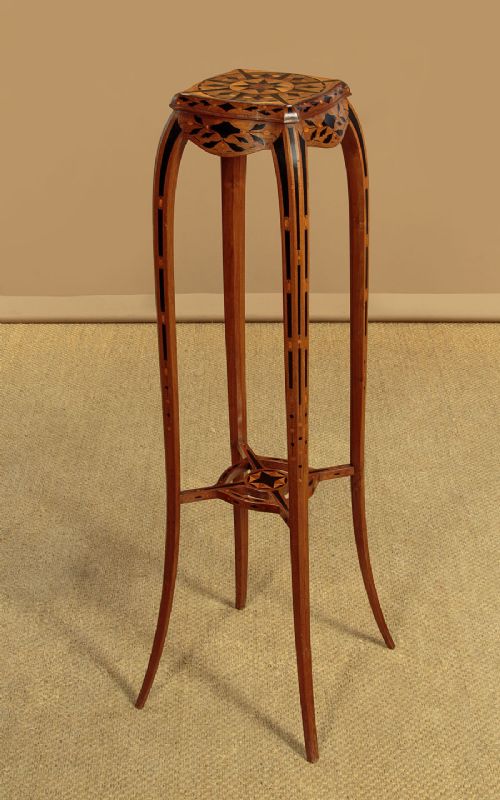
- Ornamentation formed by embedding pieces of contrasting wood, ivory, or metal into a solid surface. This technique adds delicate geometric or floral patterns.
Tall Plant Pedestal: Frequently Asked Questions
What is a torchere stand?
A torchere is a tall, slender stand designed to elevate a light source or decorative object. In modern interiors, they serve well for displaying trailing plants.
Their narrow footprint allows them to fit into tight corners where standard tables cannot go.
Can these stands hold heavy pots?
Many nineteenth-century stands feature solid mahogany or oak construction intended to bear significant weight. Marble tops offer a sturdy, water-resistant surface for damp flowerpots.
Buyers should inspect the base and central column to ensure the structure remains rigid before placing heavy ornaments atop it.
How do I style a pedestal?
Placing a pedestal in an empty hallway or beside a window draws the eye upward and breaks monotony in room layouts. A trailing plant or a bronze bust looks balanced on top.
Keep surrounding furniture low to let the vertical proportions of the stand stand out.
How do I date a wooden stand?
Dating relies on timber selection, structural joinery, and decorative style markers like Arts & Crafts strapwork or Georgian carved detailing. Secondary woods inside the construction offer further clues.
Nineteenth-century examples often display machine-turned elements alongside hand-finished surfaces.