
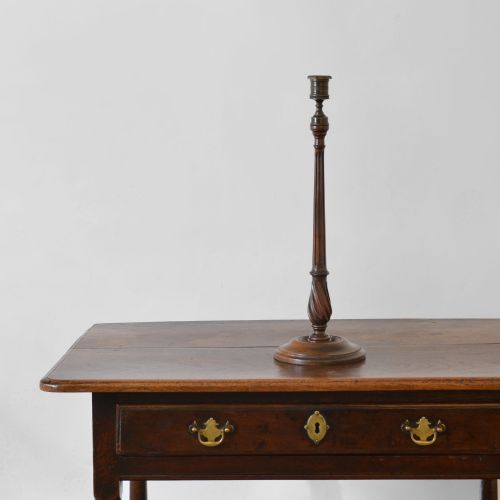
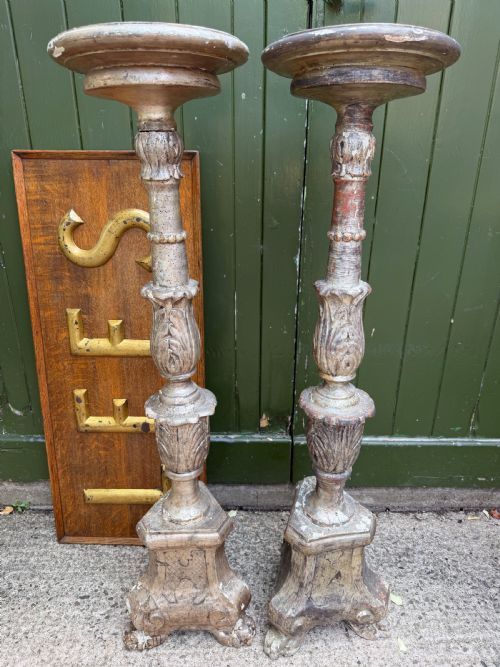
Antique Wooden Candle Stand
An antique wooden candle stand offers practical tabletop space supported on a tripod base, bringing timeless British craftsmanship into the home.
What an antique wooden candle stand is
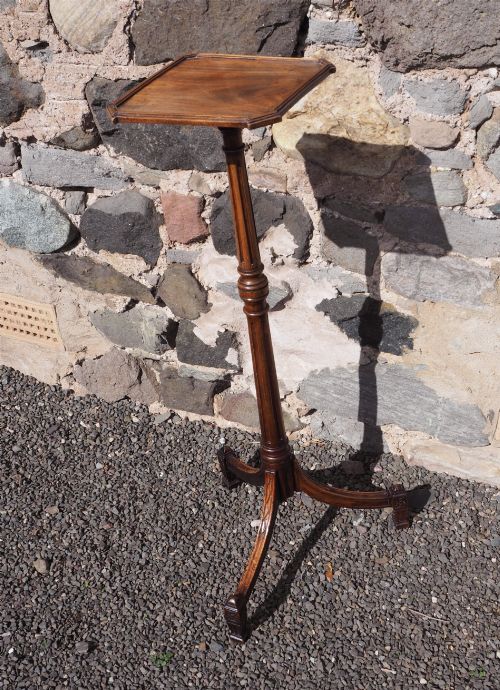
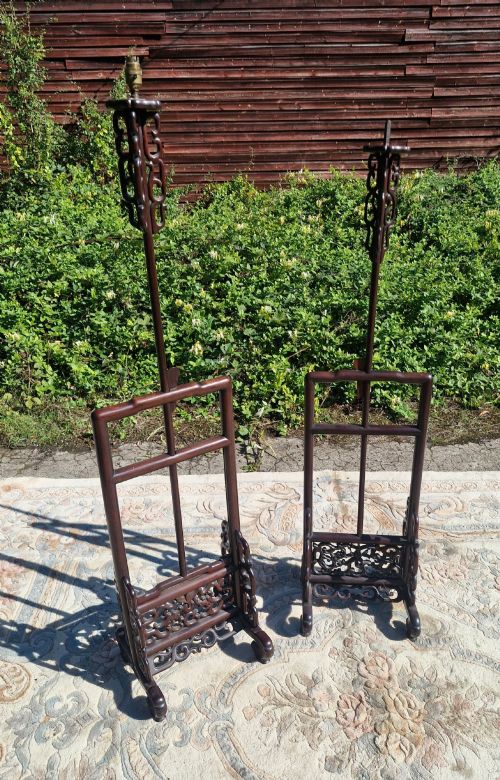
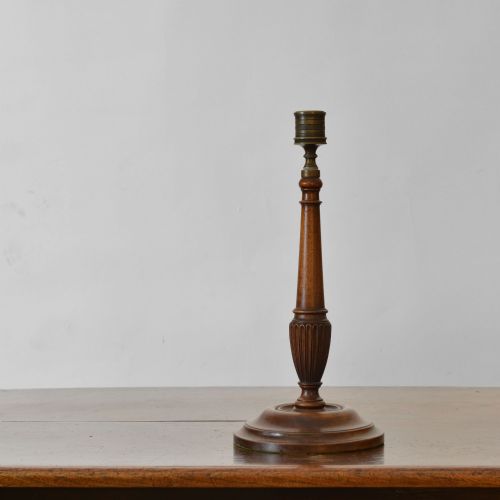
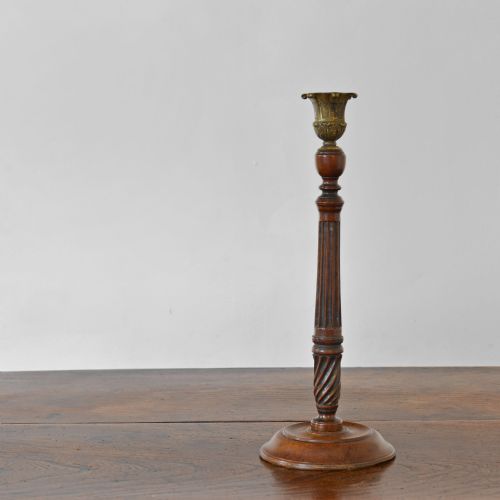
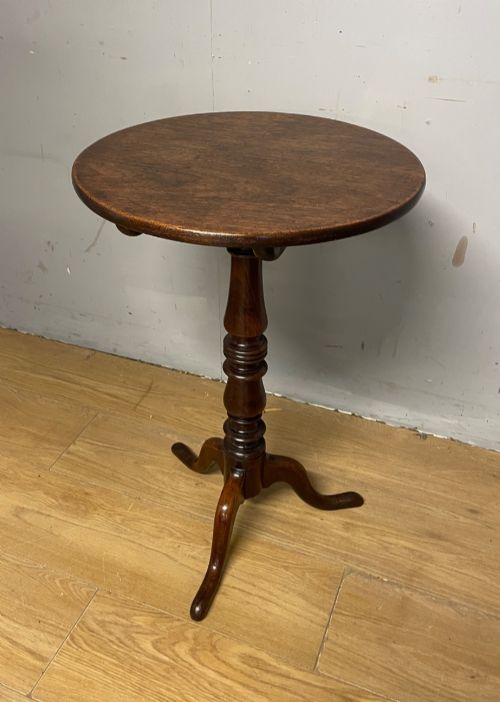
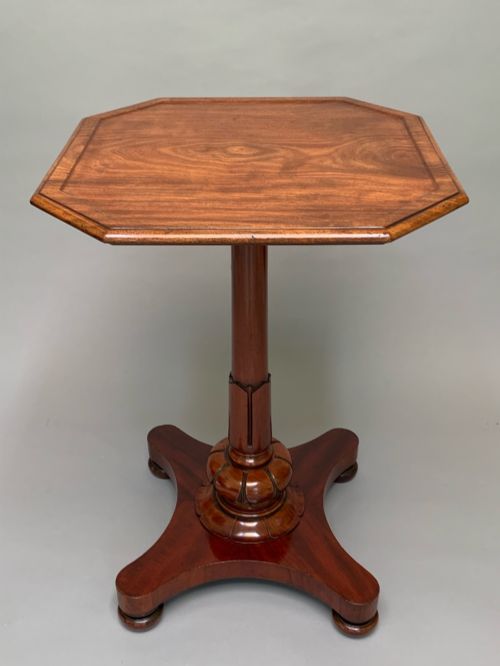
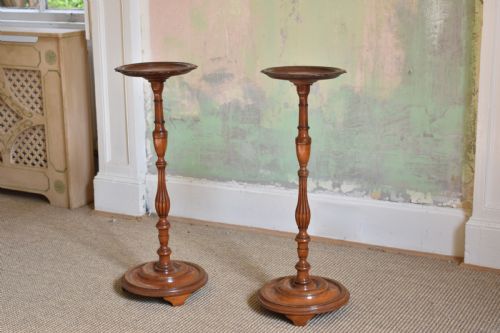
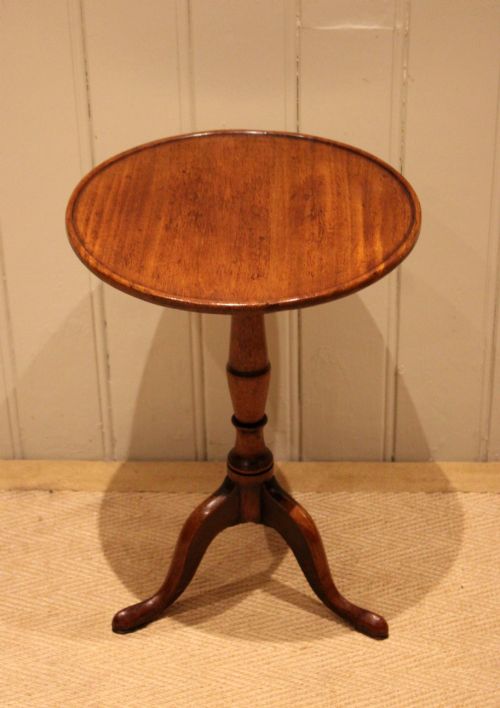
An antique wooden candle stand comprises small occasional tables and side tables designed to hold illumination or small objects within domestic spaces. The pieces seen here encompass forms from the eighteenth century, the Georgian period, and the Victorian era.
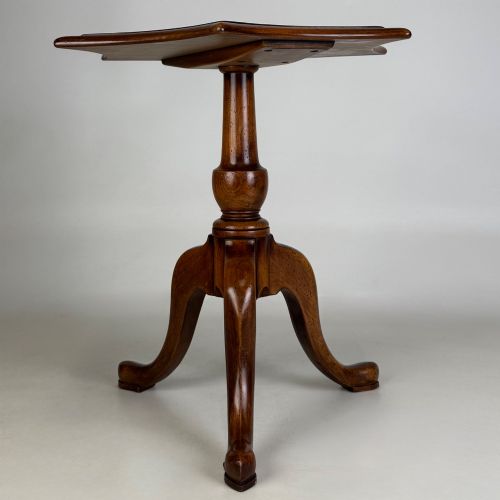
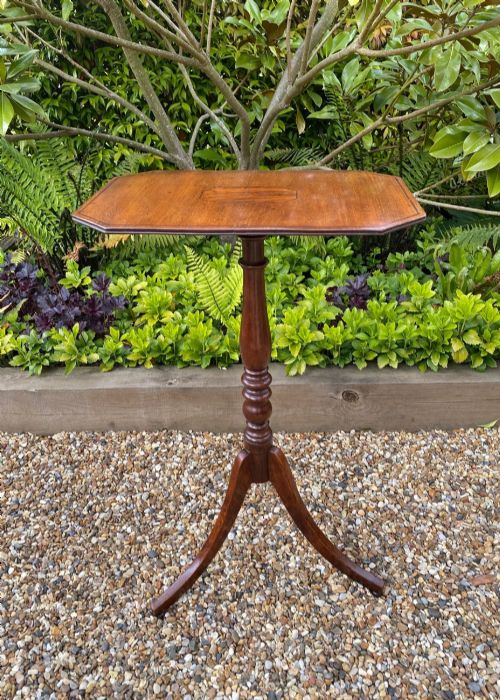
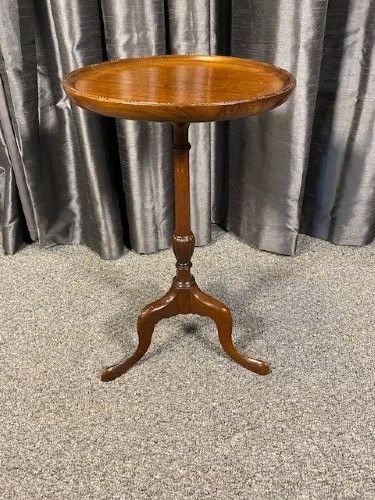
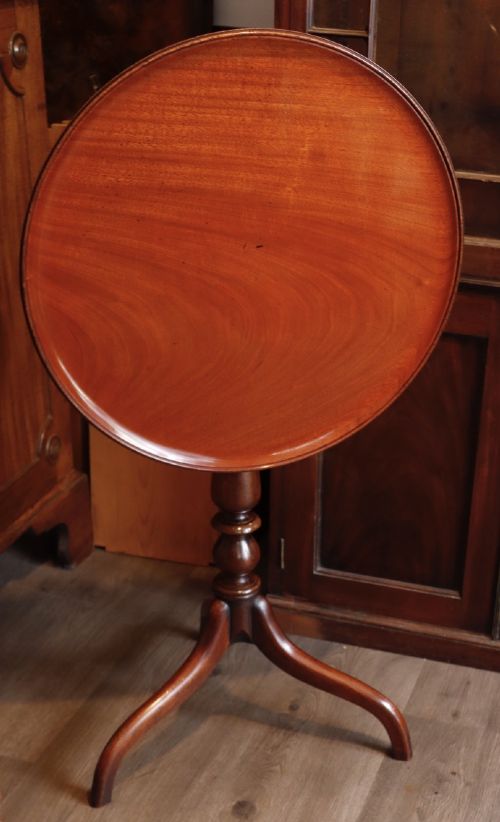
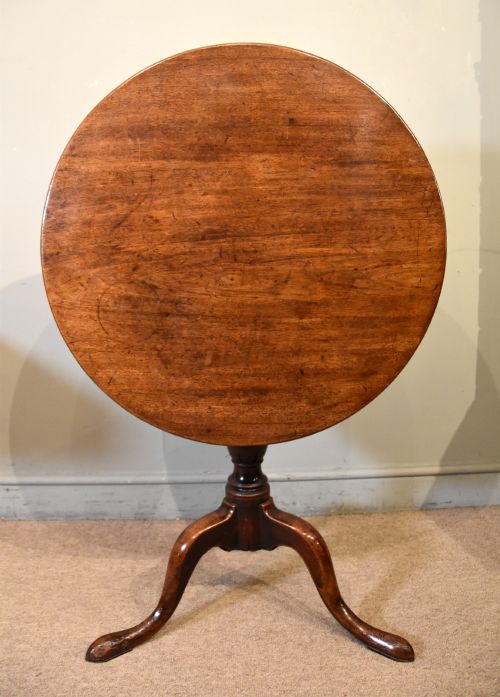
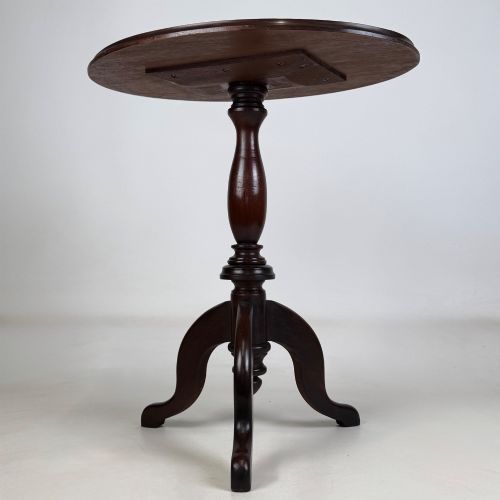
Most examples utilise a circular or tilt top surface mounted on a central pillar with three legs, often referred to as tripod tables. These utilitarian and decorative items reflect the domestic habits of earlier centuries through modest proportions and functional design.
How they were made
Cabinetmakers utilised a variety of native and imported timbers, shaping mahogany, ash, oak, yew, and veneer into slender columns and sturdy legs. Woodturning and hand-carving formed the structural pillars and tripod bases that define these compact tables.
Joinery methods included pegged tenons and clever pivoting mechanisms for tilt-top surfaces, sometimes accented with brass hardware. Artisans selected timber grain carefully, applying hand-rubbed finishes to highlight the natural figures of the wood.
Retail Price Guide 2026
Typical UK retail prices for wooden candle stand, calculated from the Sellingantiques database of over a million retail prices indexed since 2003. This retail price guide relies exclusively on Sellingantiques data; no external sources or auction records are used, so the figures do not describe the wider market.
Some tilt-top tables were designed to fold flat against walls, acting as decorative wooden panels when the room needed extra dancing space.
What varies in quality
Quality rests upon the selection of timber and the harmony of proportions between the top and the supporting tripod base. Finer examples display crisper carved details on the legs and pillars, alongside more figured veneers and sophisticated turning work.
Construction integrity also separates standard utility pieces from more ambitious cabinetwork, particularly in the tightness of the tripod joints and the smooth operation of tilt-top mechanisms. Age-related patination accumulated through generations of use adds character to superior surviving specimens.
The Antique Wooden Candle Stand Glossary
- Tripod base
- A support structure featuring three legs radiating from a central vertical pillar. This configuration provides stability on uneven floors.
- Tilt top
- A tabletop mounted on a catch mechanism that allows the surface to fold vertical when not in use. This saves floor space in smaller rooms.
- Occasional table
- A small, movable table intended for specific, intermittent tasks rather than permanent placement. These pieces easily relocate around a parlour.
- Vernacular
- An architectural or furniture style created by local craftspeople using regional traditions rather than high court designs. These objects prioritise utility over ornament.
Frequently Asked Questions
What is an antique wooden candle stand used for?
These small tables originally held lighting devices such as candles or oil lamps beside seating areas. Today they function as compact side tables for drinks or decorative items.
Their modest footprint allows them to fit easily into tight corners or beside armchairs without dominating a room.
How do I identify a Georgian tripod table?
Georgian examples typically feature elegant proportions with turned central pillars and distinctive three-legged bases. Timber choices like mahogany and oak predominate during this era.
Construction details such as hand-cut joints and period specific patination help confirm the eighteenth century origins.
Can I use a tilt top table everyday?
Tilt top tables function well for daily use provided the locking mechanism and catch remain secure. Lowering and raising the top requires gentle handling to protect the vintage pivot.
Placing items on the surface poses no issue as long as weight distribution remains balanced across the tripod legs.
What woods were used in nineteenth century stands?
Nineteenth century makers utilised a mix of traditional British hardwoods including ash, oak, and yew alongside imported mahogany and decorative veneers. Cabinetmakers selected these timbers for both strength and visual grain pattern.
Regional workshops often relied on local trees while metropolitan makers sourced exotic woods from global trade routes.