



Yew Wood Wine Table
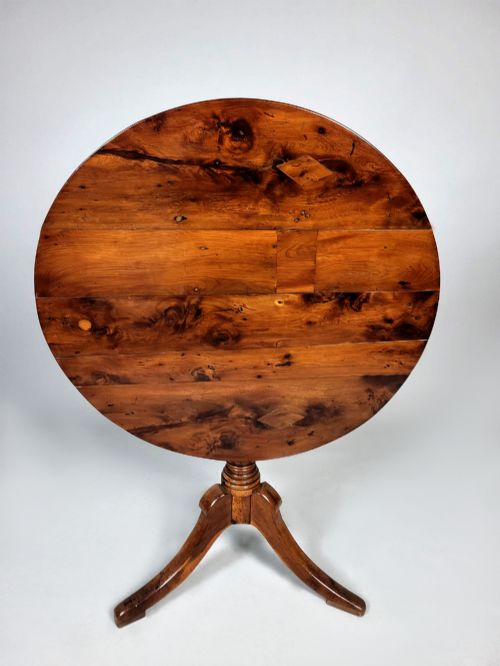
These yew wood wine table examples offer figured grain and compact tripod forms, bringing warmth and character to traditional interiors.
Yew Wood Wine Table
A yew wood wine table is a small occasional stand designed for portability and display, appearing frequently in Georgian and Regency periods. These compact surfaces served historically for holding glasses and bottles beside seating, balancing utility with decorative presence.
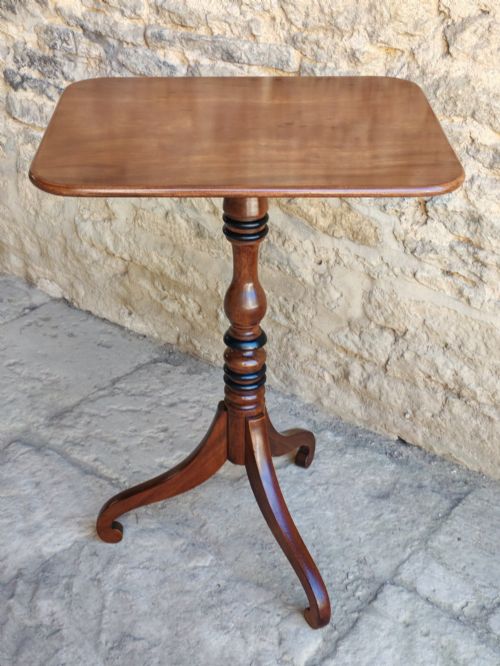
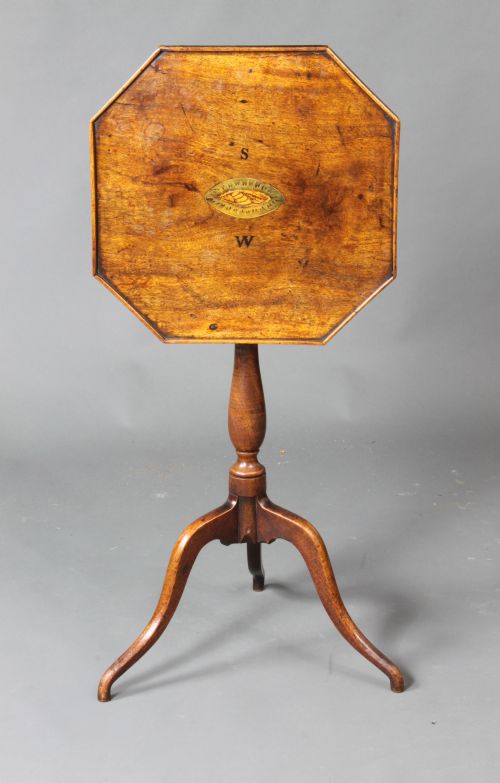
The pieces on this page span the eighteenth century, the nineteenth century, and later revivals, taking forms such as round circular tops, tripod bases, and rectangular occasional tables. Most examples rely on a central pillar supported by three legs, allowing them to tuck easily into corners or beside chairs.
How They Were Made
Cabinetmakers utilised solid yew wood alongside burr yew veneer, taking advantage of the timber's naturally rich figures and warm tones. Secondary timbers such as oak occasionally appear in the framing and structural elements underneath.
Turned pedestals and tripod legs provide stable support for the small tabletops, sometimes accented with contrasting satinwood or ebonised wood details. Joinery techniques from the eighteenth and nineteenth centuries ensure the central column securely meets the tabletop and base.
Yew Wood Wine Table Retail Price Guide 2026
Typical asking prices for yew wood wine table among the pieces listed under this phrase on Sellingantiques today, from the lower quarter to the upper quarter. They describe what is for sale here now, not the wider market.
Listings include examples from the 18th century, Georgian, and Regency periods, alongside later 1900 and 1930 interpretations.
What Varies in Quality
The richness and complexity of the yew grain set individual examples apart, with burr yew veneers displaying particularly dense and mottled patterns. Finishes that retain a soft, warm lustre rather than a heavy modern gloss demonstrate superior surface preservation.
Proportion and the elegance of the tripod base dictate the visual balance of the piece, where slender turned columns and well-shaped legs reflect higher standards of period craftsmanship. Original patination accumulated over centuries adds depth that replacement parts or over-restored surfaces lack.
Gillows
The Yew Wood Wine Table Glossary
- Tripod table
- A small freestanding table supported by a central pillar and three legs. This construction prevents wobbling on uneven floors.
- Burr yew
- The knotty, highly figured growth from the yew tree sliced into decorative veneer. Cabinetmakers prize it for intricate patterns.
- Occasional table
- A light, movable table designed for specific, intermittent use around a room. These pieces shift easily as needs change.
- Tilt top
- A tabletop hinged to fold vertically when not in use. This mechanism allowed tables to store flat against walls.
Yew Wood Wine Table: Frequently Asked Questions
What is a yew wood wine table used for?
These small stands function as convenient surfaces for holding drinks, lamps, or small decorative items beside seating.
Their compact size allows them to fit into tight spaces where larger furniture cannot go.
How do I date an antique yew table?
Dating relies on examining the timber selection, construction methods, leg profiles, and overall joinery style.
Eighteenth-century examples often show hand-turned pedestals and subtle patination, whereas later nineteenth-century pieces display different turning characteristics.
Are these tables stable on carpets?
Tripod bases generally sit firmly on most flooring types, though thick carpets can cause minor rocking.
Placing them on firm ground or using discreet levelling helps maintain stability for daily use.
How should I clean yew wood?
Dusting with a dry, soft cloth preserves the polished surface and prevents buildup on the figured grain.
Period finishes respond best to occasional applications of appropriate furniture wax rather than modern liquid polishes.