
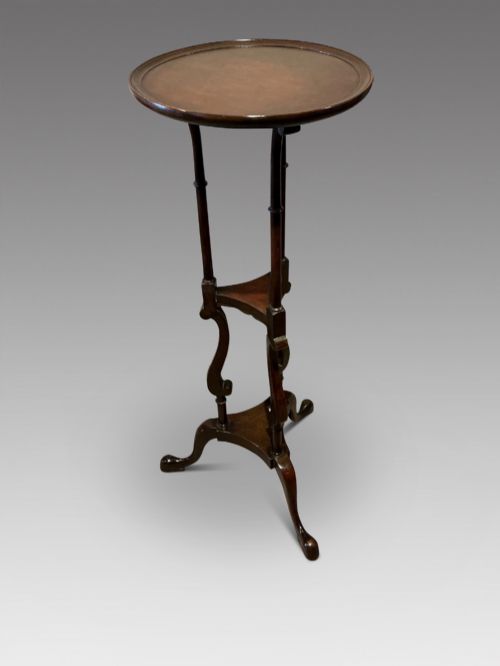
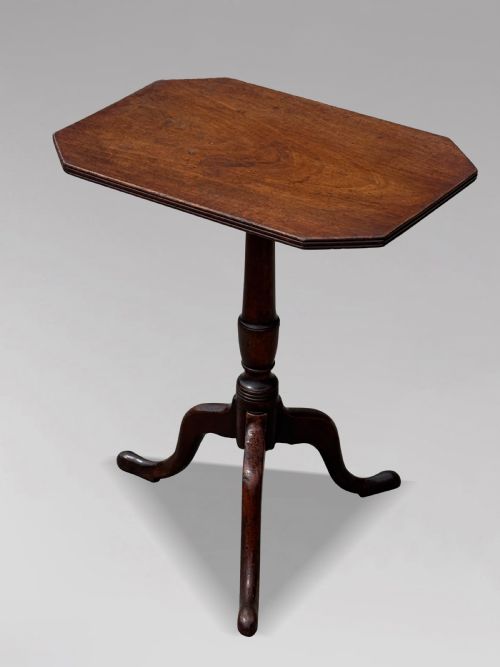
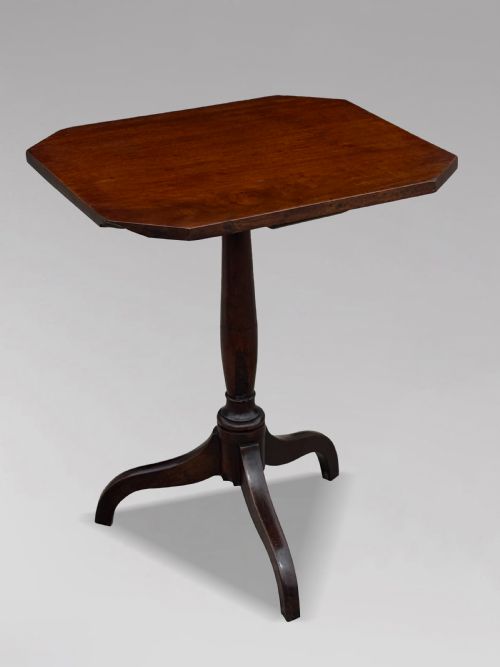

George III Candle Stand
A george iii candle stand brings functional period lighting and compact display to a room, offering slender proportions and steady tripod bases.
What george iii candle stands are
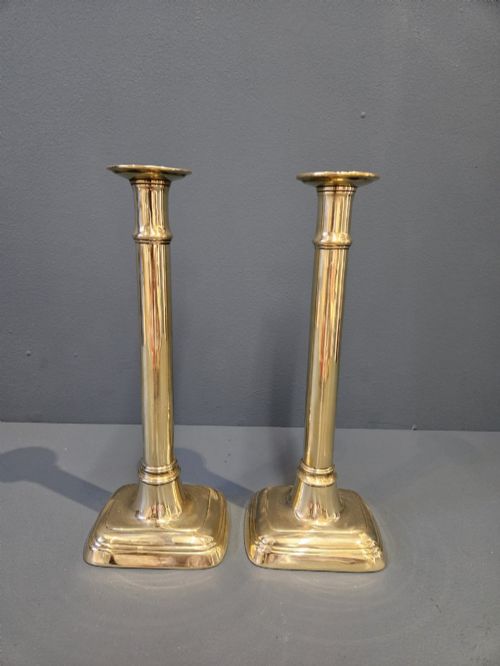
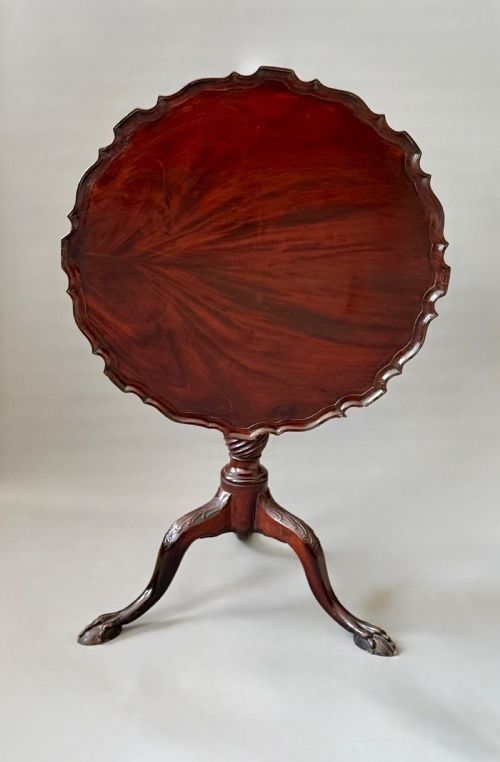
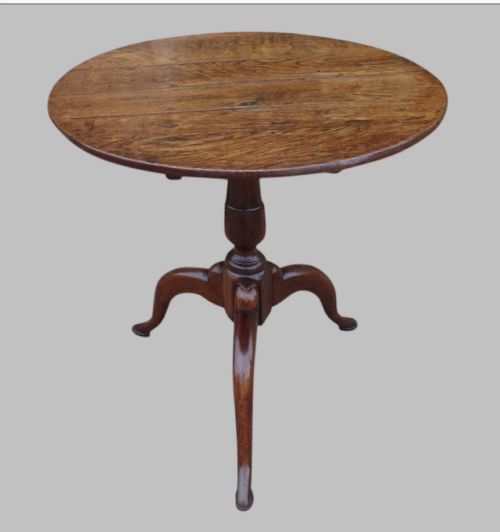
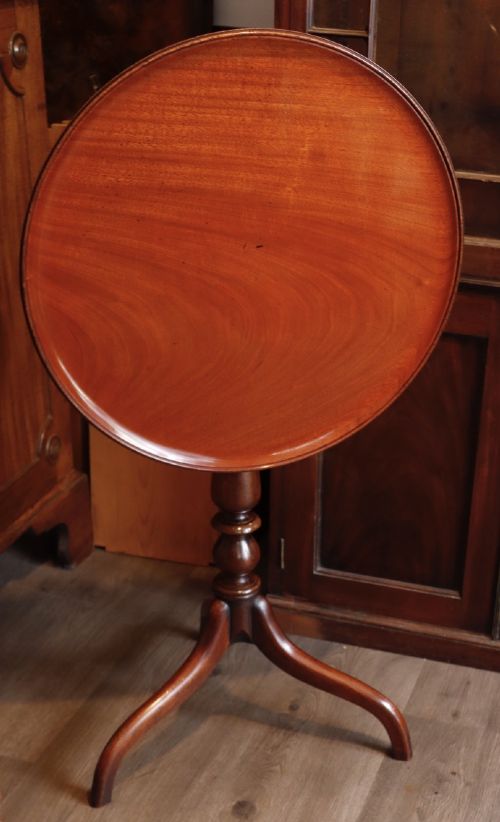
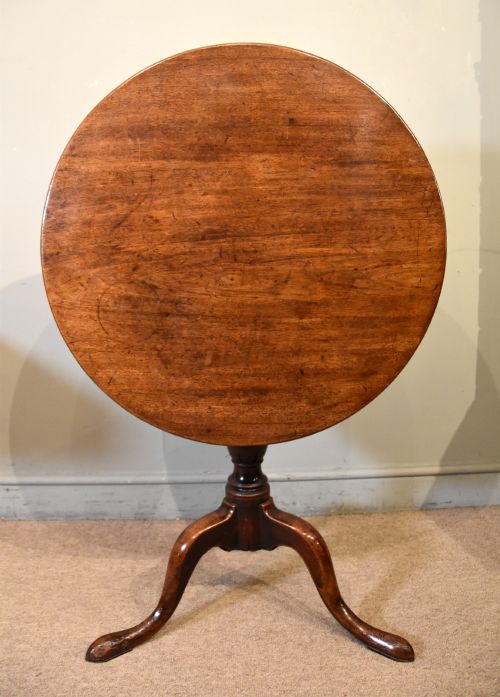
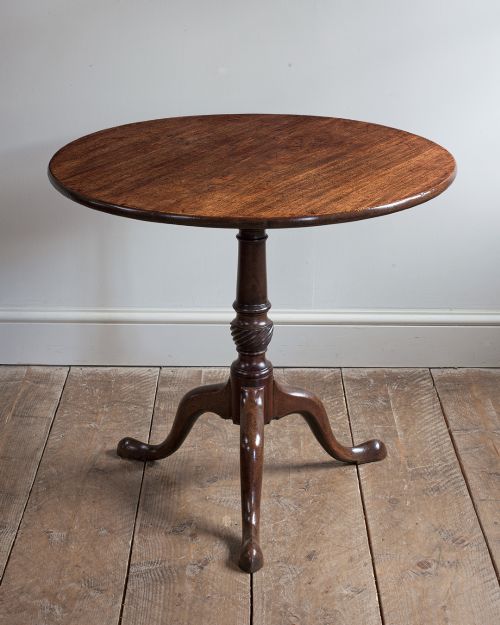
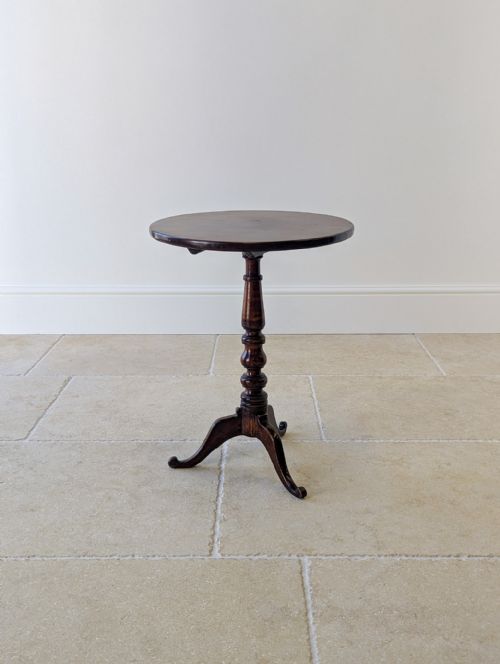
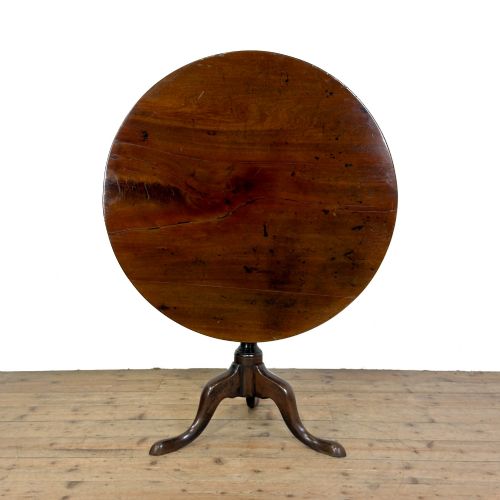
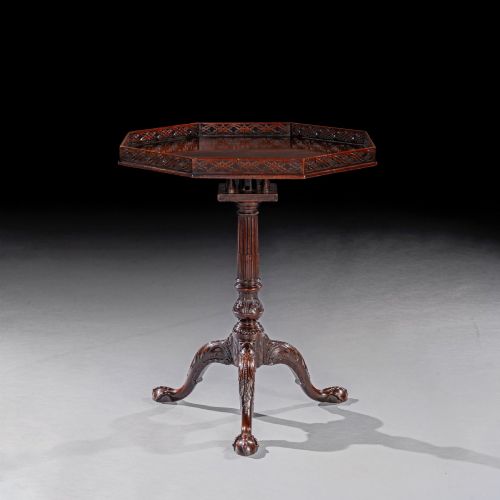
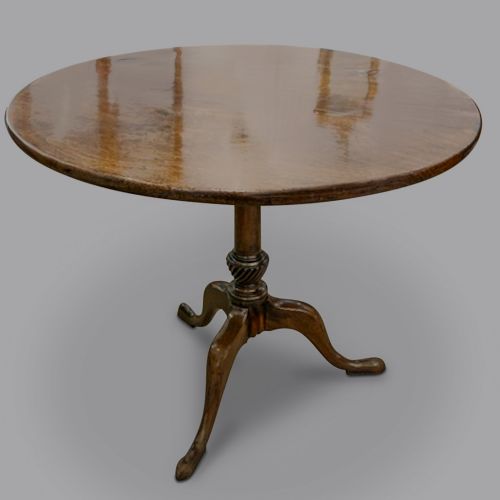
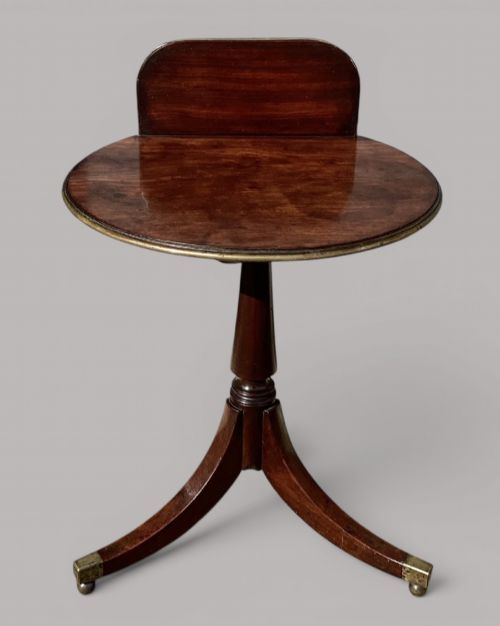
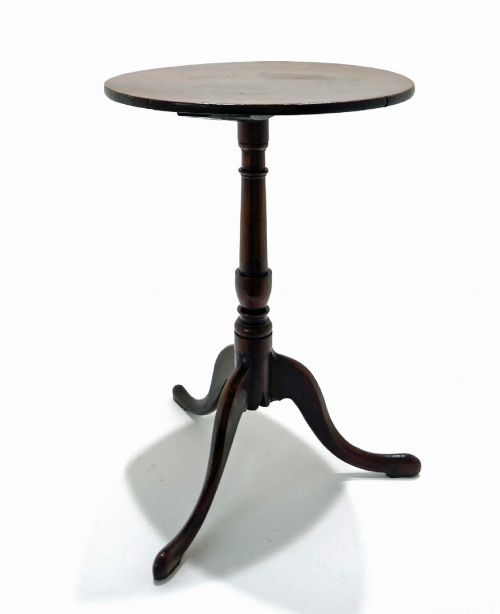
When you search for a george iii candle stand, you encounter elevated small-scale tables designed to hold artificial illumination or serve as occasional surfaces. The forms on this page include tripod tables, torcheres, side tables, wine tables, and adjustable tabletop stands.
The pieces span the eighteenth century, the nineteenth century, and around eighteen hundred, capturing both period manufacture and later revival interpretations. Mahogany forms the backbone of these listings, accompanied by walnut, fruitwood marquetry, yew, and brass components.
You meet both plain working examples and decorative specimens featuring floral marquetry or specific functional mechanisms like adjustable tops. These compact stands suit placement beside seating or in corners where floor space is limited.
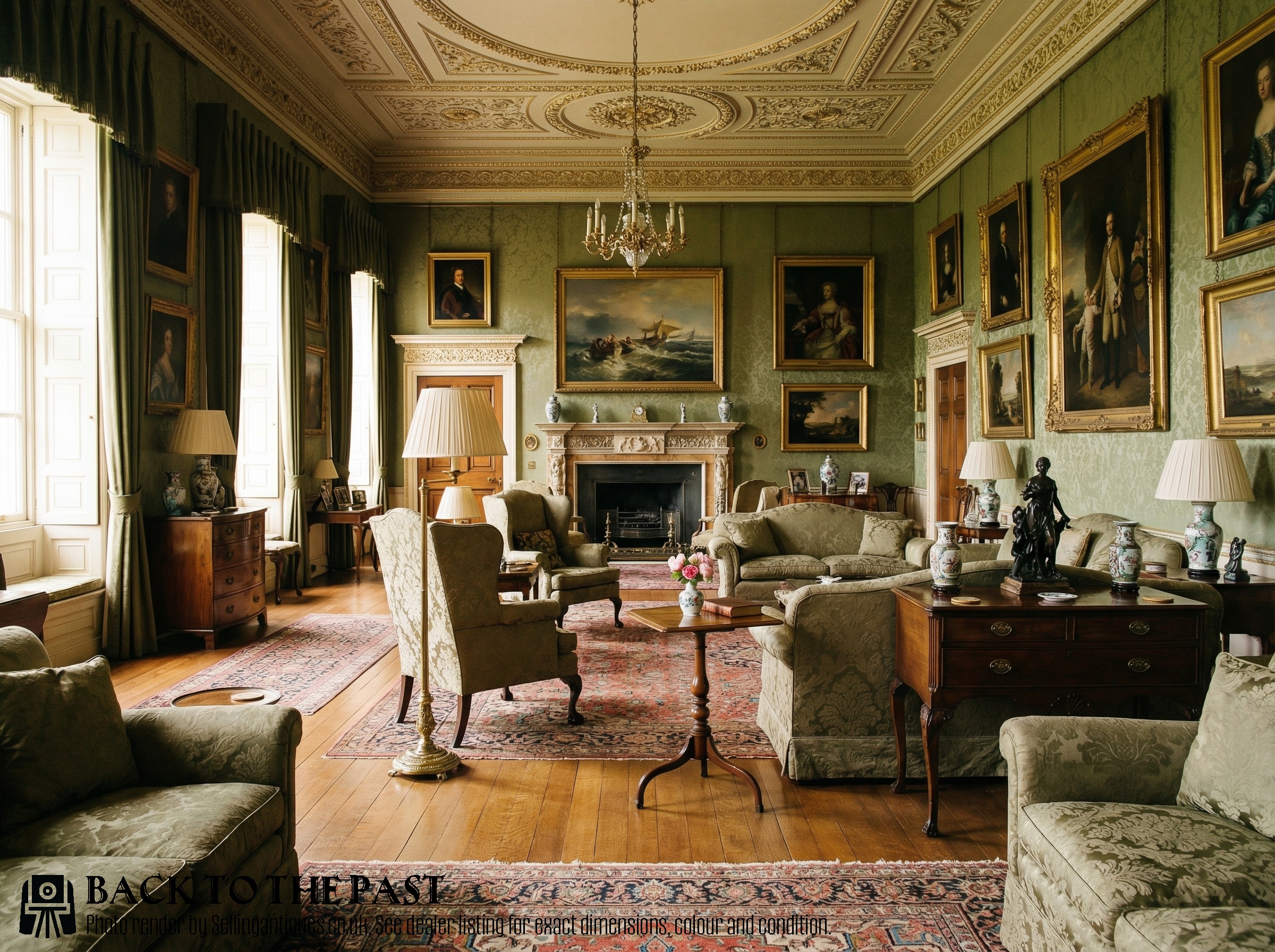
How they were made
Cabinetmakers constructed these stands using solid timbers including mahogany, walnut, and yew, often pairing them with three-legged tripod bases for stability on uneven floors. Some pieces incorporate fruitwood marquetry inlay to enrich the surface decoration.
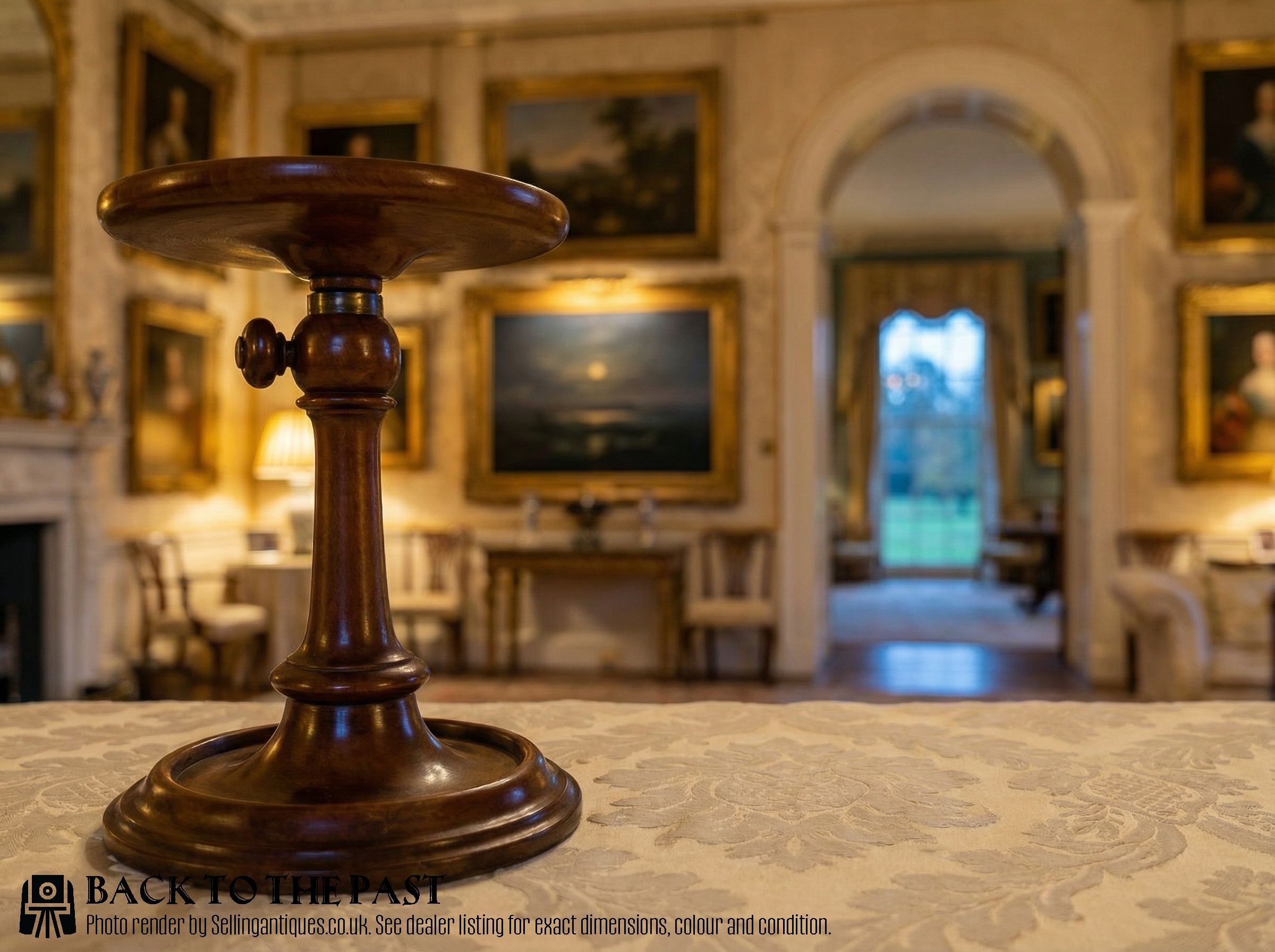
Specialised variations involve adjustable mechanisms for the tabletop and metalwork elements such as brass candle snuffers paired with petal base stands. Certain later nineteenth-century interpretations introduce Chinoiserie decoration applied over vermilion red lacquer.
Retail Price Guide 2026
Typical UK retail prices for george iii candle stand, calculated from the Sellingantiques database of over a million retail prices indexed since 2003. This retail price guide relies exclusively on Sellingantiques data; no external sources or auction records are used, so the figures do not describe the wider market.
Listings feature woods such as walnut, mahogany, fruitwood marquetry, yew, and brass across the eighteenth and nineteenth centuries.
What varies in quality
The distinction between standard and superior pieces rests in the choice of timber and the precision of decorative execution, such as intricate floral marquetry versus plain surfaces. Refinement in the turning of the central pillar and the shaping of the tripod legs elevates the overall elegance of the form.
Integration of functional mechanics, such as adjustable tabletops that operate smoothly, separates practical utilitarian items from higher-status examples. The preservation of original surface patination and honest timber grain further defines the standing of individual pieces.
Gillows
The George III Candle Stand Glossary
- Tripod table
- A small freestanding table supported by three legs radiating from a central pillar. This design provides natural balance on uneven historic flooring.
- Marquetry
- Decorative veneer work formed by fitting together small pieces of different coloured woods to create pictorial patterns. Floral motifs frequently appear on walnut surfaces.
- Treen
- Small handmade wooden household objects and utensils. Examples include turned wooden components associated with lighting stands.
- Occasional table
- A portable small table used for specific, temporary purposes rather than permanent placement. These pieces easily move about a room as needed.
Frequently Asked Questions
What is a george iii candle stand?
A george iii candle stand is a compact eighteenth or nineteenth century small table designed to hold lighting or display small objects. They typically feature a slender central column supported by three legs.
These pieces function effectively as side tables, wine tables, or torcheres within historic and contemporary interiors alike.
How were they used historically?
These stands held candles to illuminate specific areas of a room before the advent of modern electric lighting. Their portability allowed servants to move them close to seating areas as needed.
Over time, their decorative potential matched their utility, serving as display surfaces for small ornaments or wine glasses.
Where should I place one?
A george iii candle stand fits well beside an armchair, in a dark corner requiring illumination, or between windows. Their small footprint makes them ideal for spaces where larger furniture does not fit.
Avoid placing them in areas of direct sunlight or heavy foot traffic to protect the historic timber surfaces.
How do I spot period features?
Period pieces display traditional timber selection such as solid mahogany, walnut, or yew combined with period construction methods. Look for signs of hand-working on the underside and traditional joinery within the tripod base.
Revival pieces from later periods often show stylistic influences or decorative finishes like red lacquer while retaining the eighteenth-century form.