

Antique Wine Stand
An antique wine stand brings refined utility to a room, offering a stable surface for bottles, glasses, or lamps.
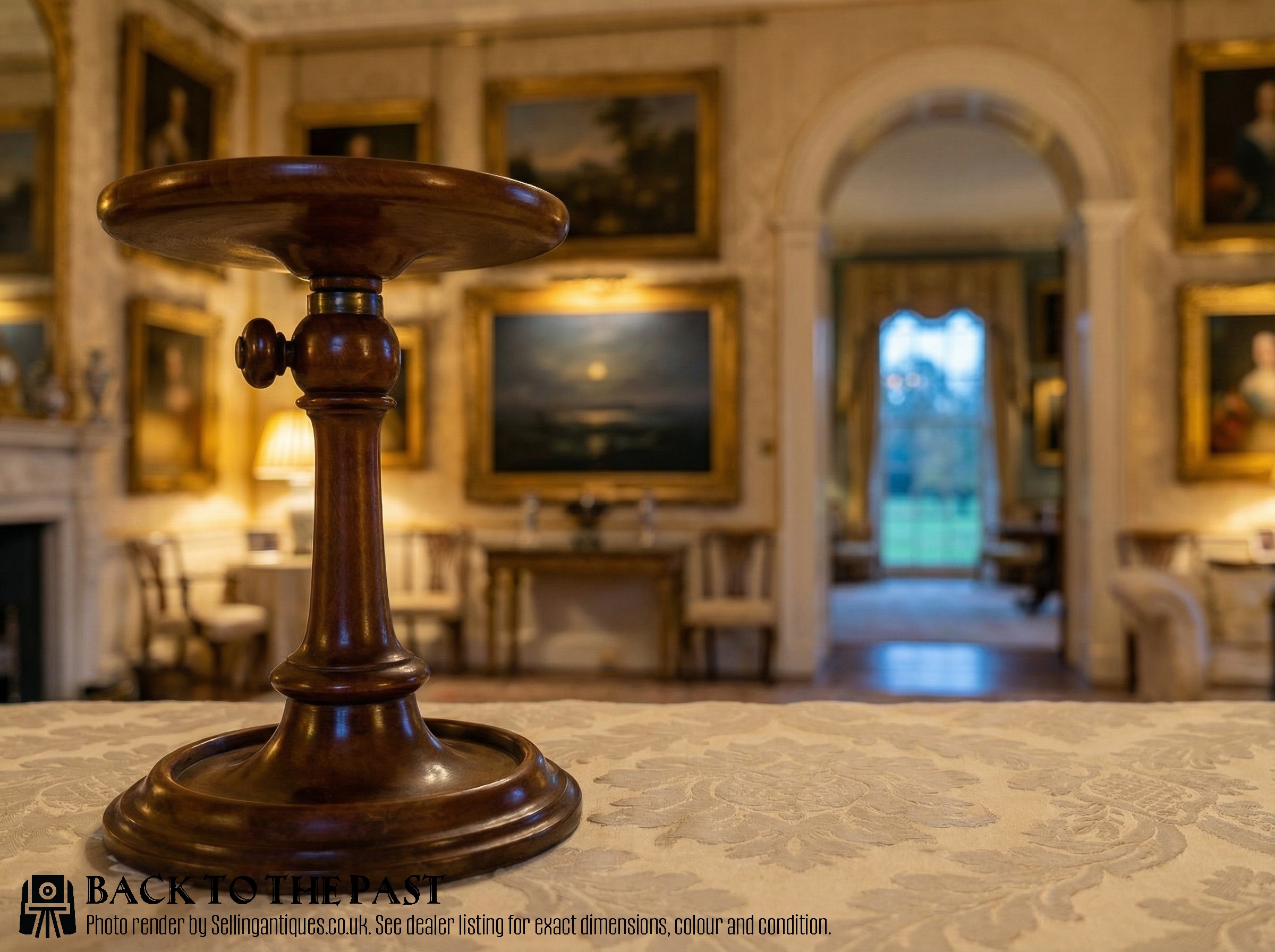
Antique Wine Stand
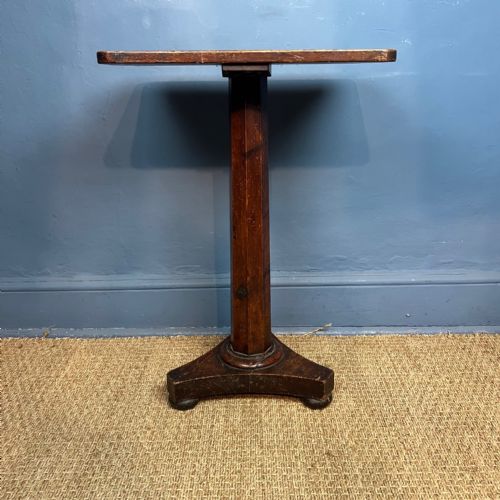
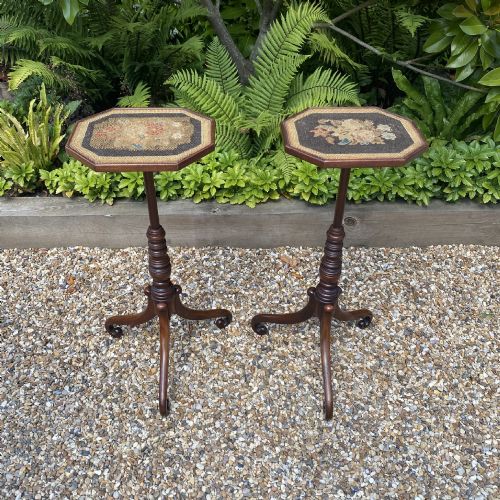
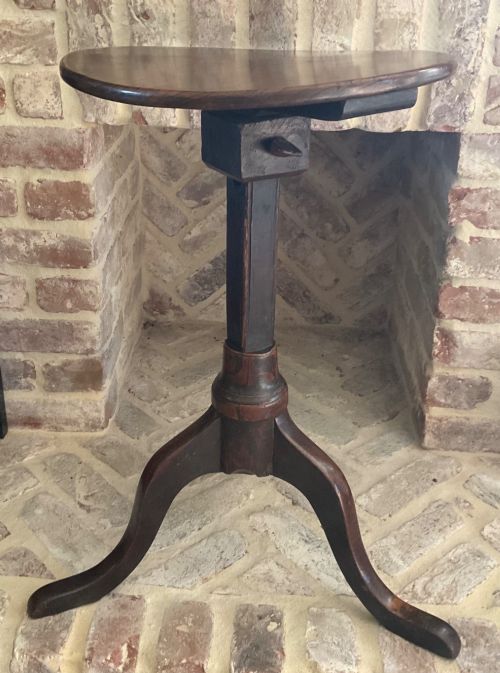
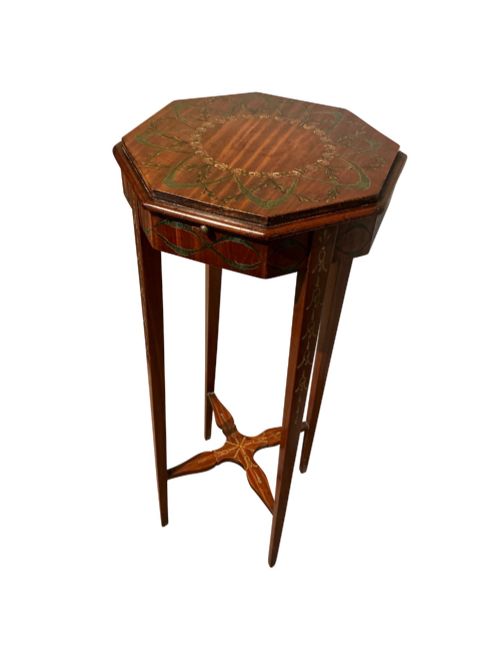
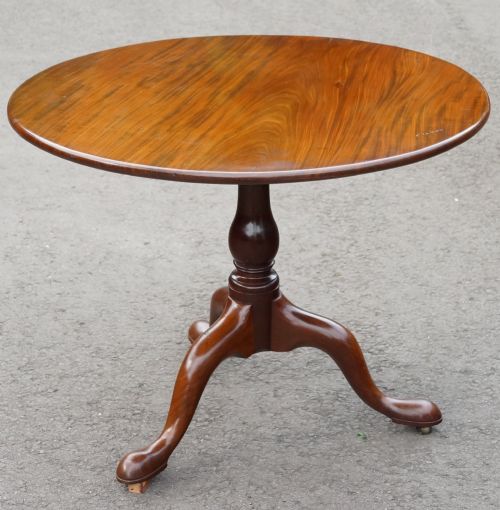
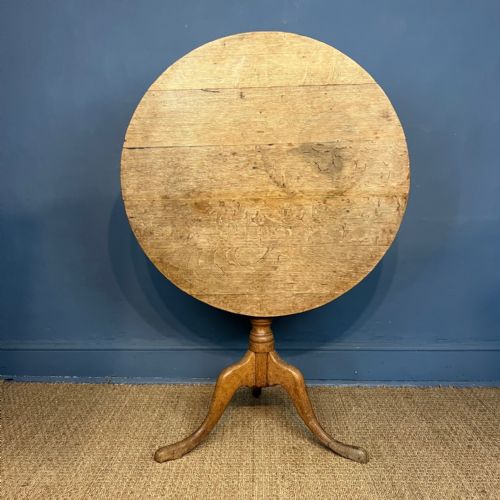
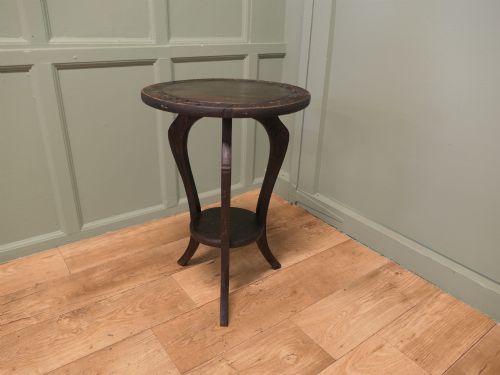
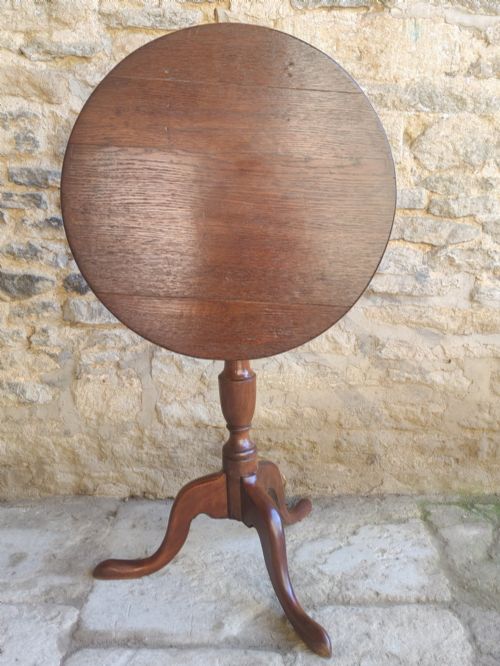
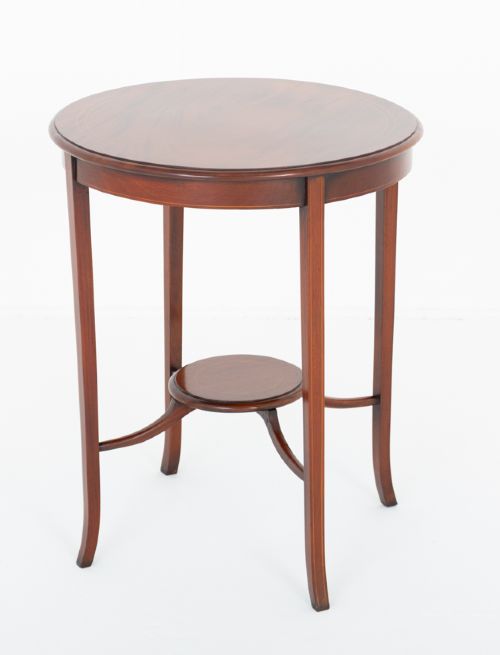
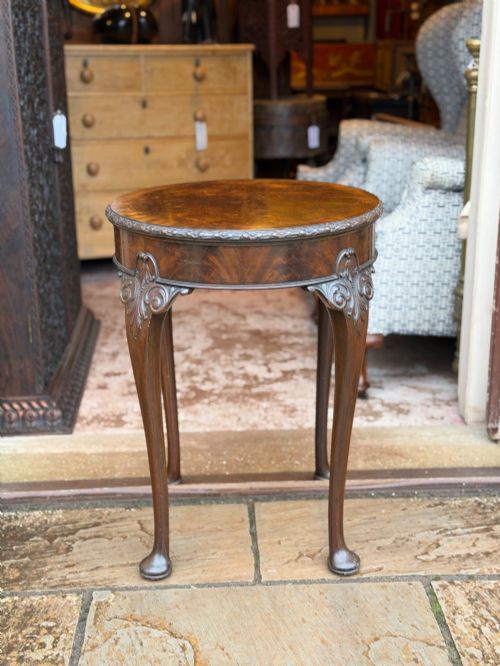
Georgian and Victorian examples dominate the pieces encountered, spanning mahogany tea tables, octagonal urn stands, and burr walnut lamp tables. Buyers often meet small tripods and occasional stands suited for side placement beside seating.
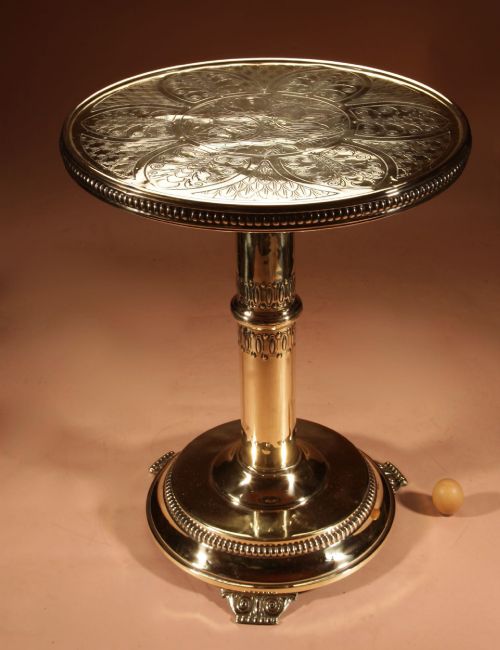
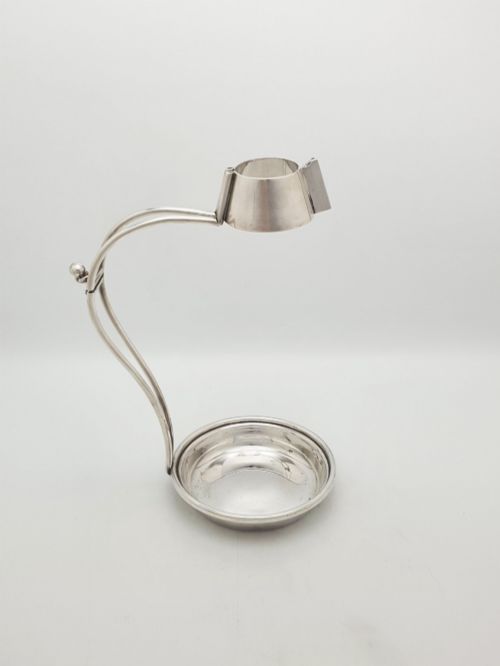
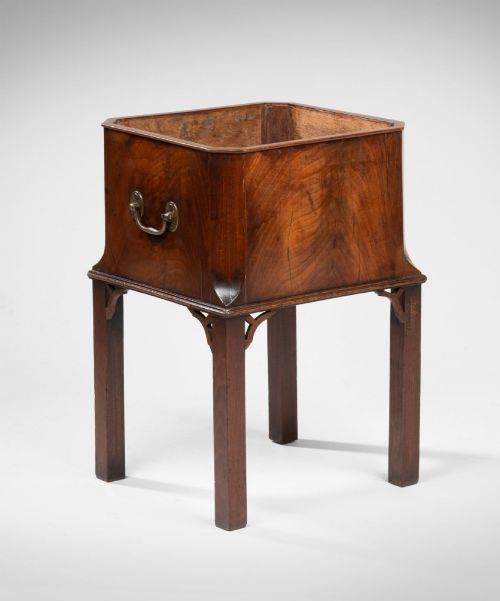
The category extends beyond small tables to encompass silver-plated bottle coasters, floor-standing champagne buckets, and cellarettes on stands. Each iteration reflects the specific domestic habits of past dining and entertaining rooms.
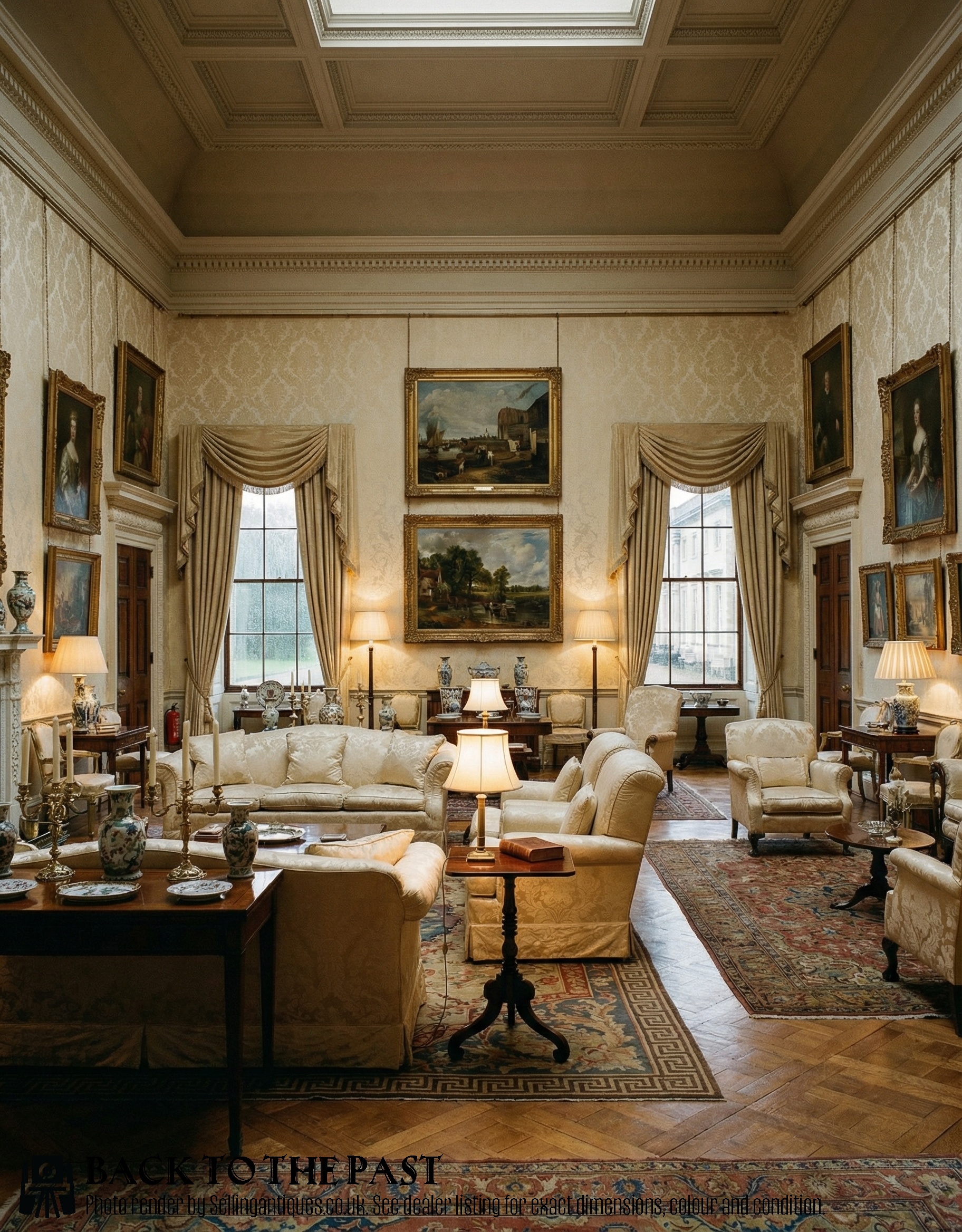
How they were made
Cabinetmakers utilised robust timbers such as mahogany, walnut, oak, and ebonised hardwood, frequently incorporating fine inlay, burr veneers, or marble inserts. Metal versions display wrought iron, silver plate, gilt metal, and solid silver construction.
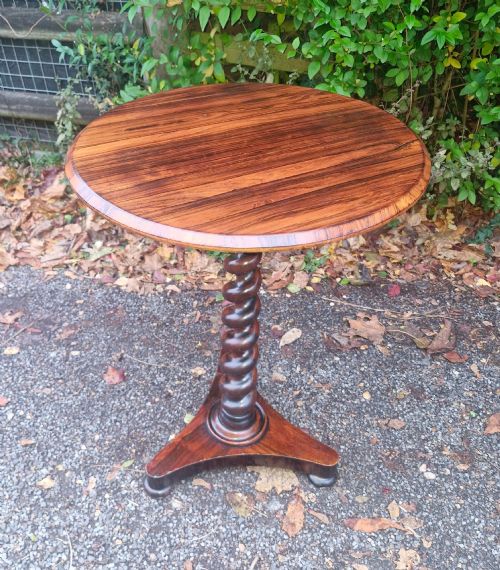
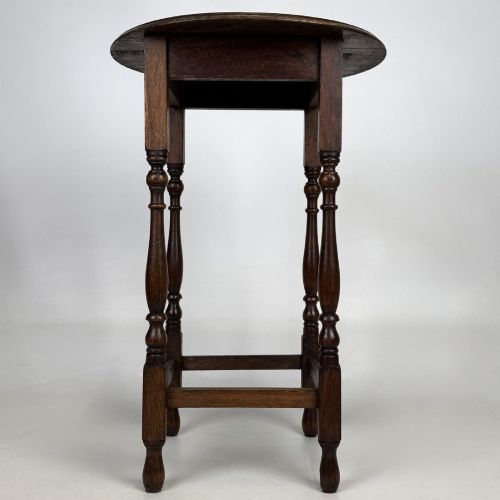
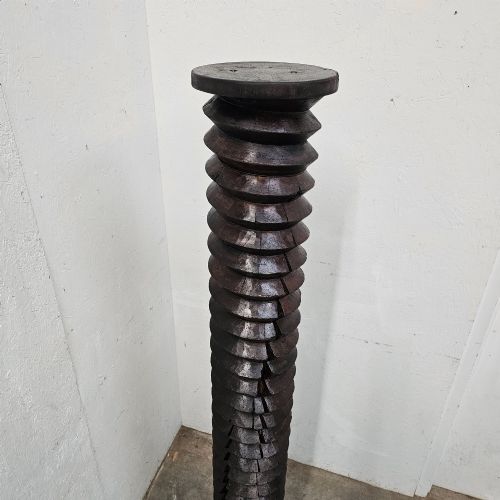
Construction techniques combine traditional joinery for wooden tripod bases and pedestals with metalworking methods like casting, smithing, and plating for coolers and stands. Turning appears extensively in standard lamp bases, barley twist stems, and column supports.
Antique Wine Stand Retail Price Guide 2026
Typical asking prices for wine stand among the pieces listed under this phrase on Sellingantiques today, from the lower quarter to the upper quarter. They describe what is for sale here now, not the wider market.
Some seventeenth-century pewter tankards bear the specific designation of a wine standard quart.
What varies in quality
The standard of timber selection and figuring dictates much of the visual appeal, separating plain boards from deeply grained mahogany or burr walnut. Finishes range from simple wax polish to intricate marquetry and boulle work.
Structural integrity depends on the precision of the pedestal joints, tripod stability, and the original preservation of hardware or metal plating. Pieces bearing maker attributions or refined George III proportions command particular attention.
Mappin & Webb·Walker & Hall·Bateman
The Antique Wine Stand Glossary
- Pedestal table
- A small occasional table supported by a central column resting on three or four feet. This form allows the top to tilt on many examples.
- Cellarette
- A lockable cabinet or box designed to hold wine bottles securely, often elevated on a fixed stand or legs. These containers kept precious vintages secure in the dining room.
- Torchere
- A tall decorative stand intended to support a lamp, candle, or small display object. The slender shaft elevates the light source above surrounding furniture.
- Tripod
- A base featuring three supporting legs arranged around a central vertical pillar. This configuration ensures stability on uneven historical floorboards.
- Coaster
- A small tray or shallow vessel placed beneath a wine bottle or decanter to protect table surfaces from condensation and drips. They frequently feature silver plate or wood construction.
Antique Wine Stand: Frequently Asked Questions
How were antique wine stands used?
These pieces served multiple functions in historic dining rooms and parlours, holding decanters, glasses, and cooling ice for bottles during meals. They provided accessible surfaces near seating areas for evening refreshment.
Over time, many of these stands transitioned into general living spaces to support lamps, reading lights, or decorative plants. Their compact footprints made them versatile additions beside chairs and sofas.
How do I tell Georgian from Victorian stands?
Georgian pieces typically display restrained classical proportions, premium mahogany grain, and crisp hand-carved details associated with the eighteenth century. They prioritise understated elegance and functional joinery.
Victorian examples often embrace bolder ornamentation, incorporating burr walnut veneers, ebonised finishes, or eclectic revival styles. They reflect broader industrial manufacturing capabilities and changing domestic fashions.
Where should I place a wine stand?
A small tripod or pedestal stand functions effectively beside an armchair or sofa as a convenient surface for drinks and books. Their compact dimensions allow them to fit into neglected corners.
Larger cooler stands or metal racks suit dining rooms, hallways, or cellars to display vintage bottles or house collections. Their robust construction handles weight while adding historic character to a room.
Are these stands suitable for daily use?
Solid timber and sturdy metal frames provide ample durability for modern domestic environments when treated with reasonable care. Using coasters prevents liquid marks on historic wood finishes.
Routine maintenance involves gentle dusting and occasional waxing to preserve the patina developed over centuries. Rewired lamp stands should be checked by a professional before use.