


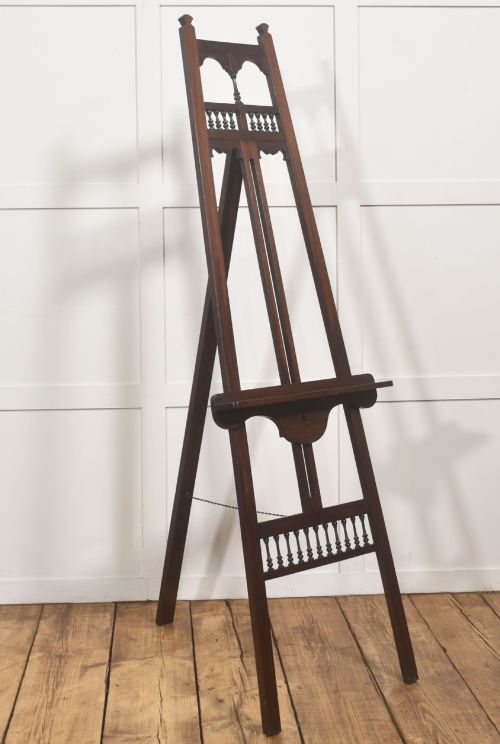

Dark Wood Tripod Stand
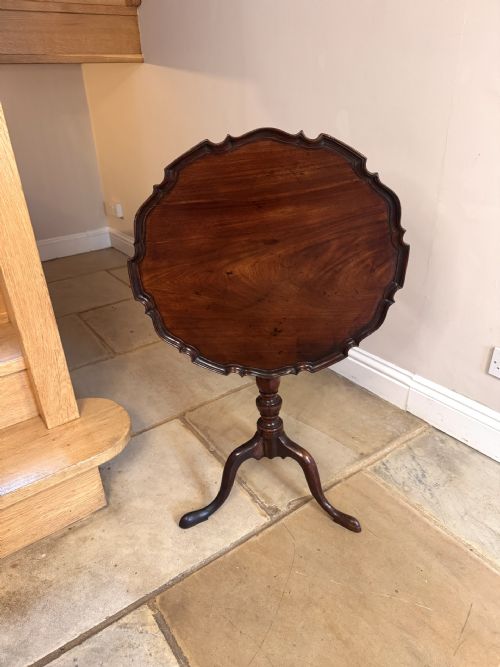
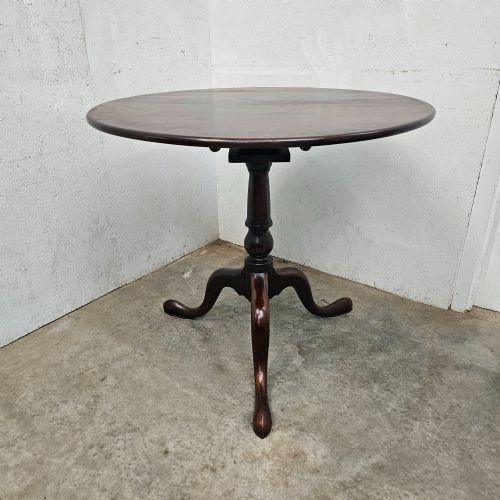
These dark wood tripod stand pieces are practical occasional tables built to hold small items in any room.
Dark Wood Tripod Stand
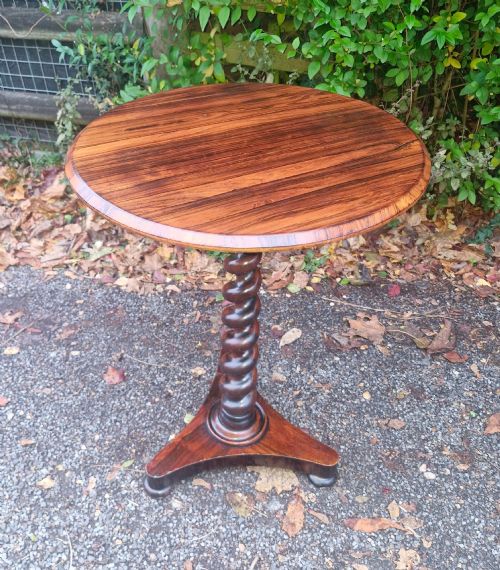
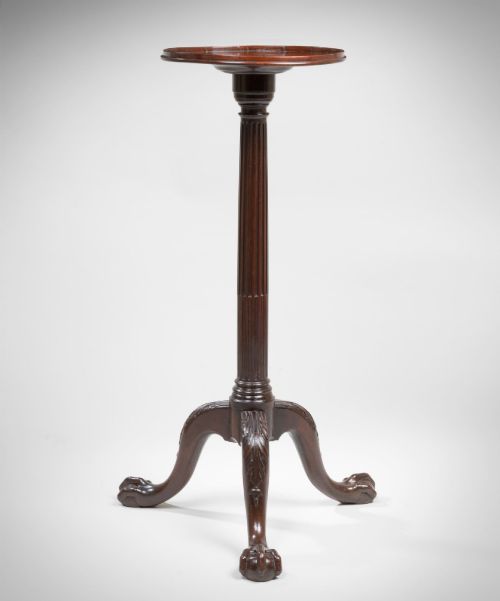
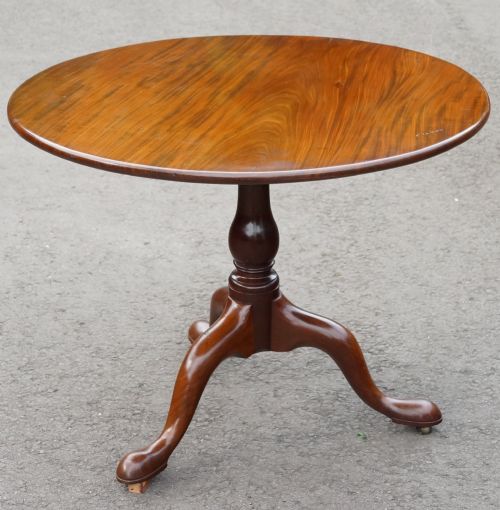
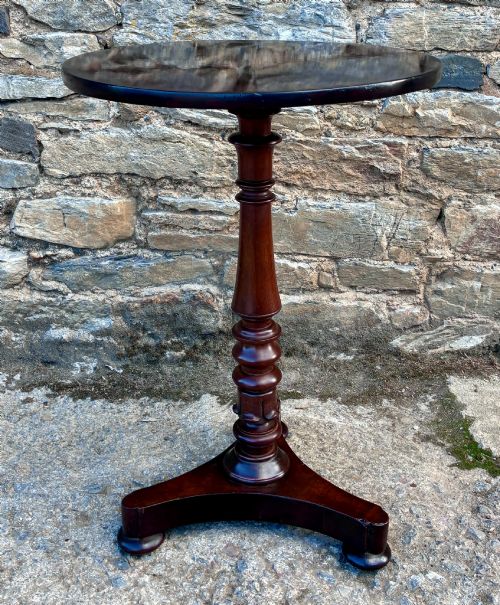
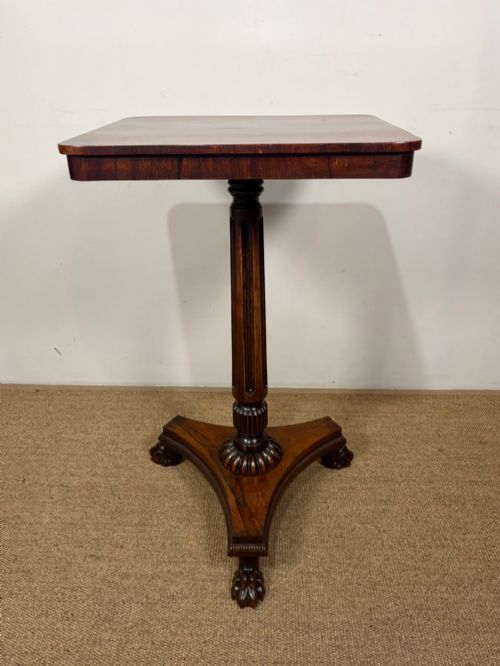
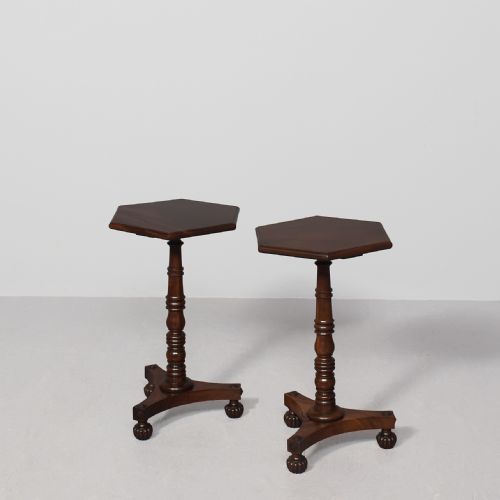
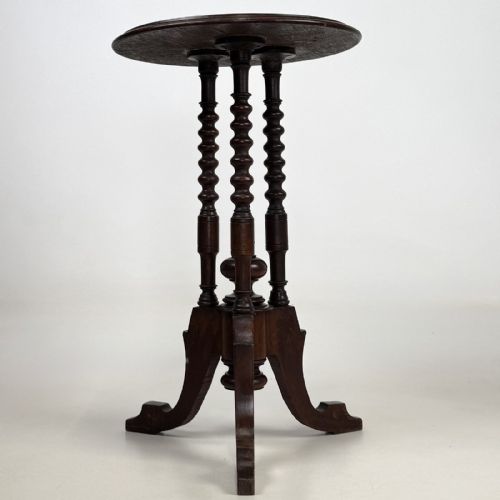
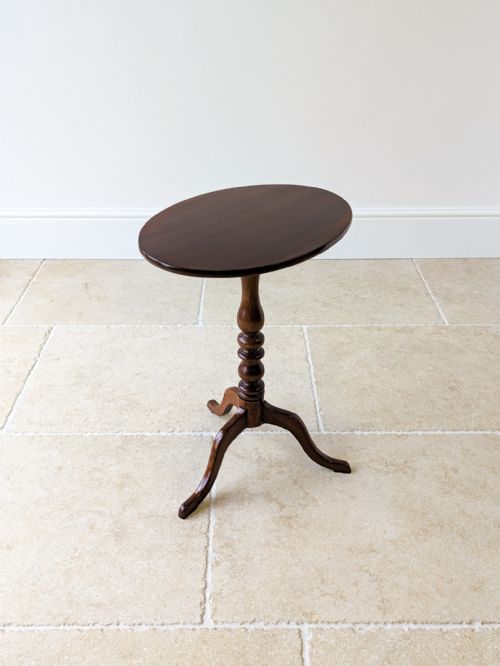
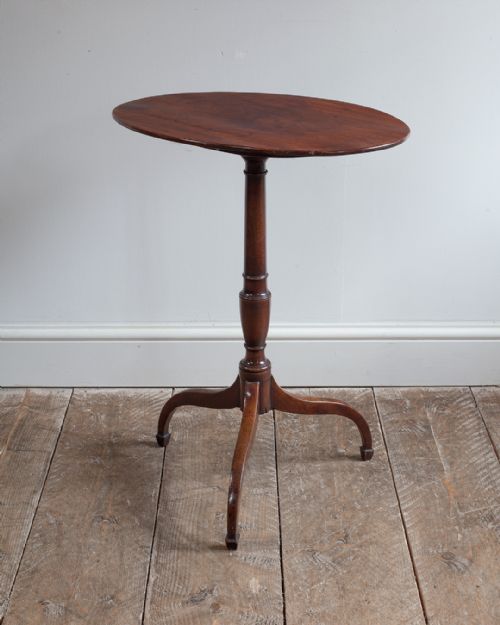
A dark wood tripod stand typically takes the form of an occasional table, wine table, or side table raised on three legs. The selection spans the 18th century, 19th century, Georgian, Regency, and Victorian periods.
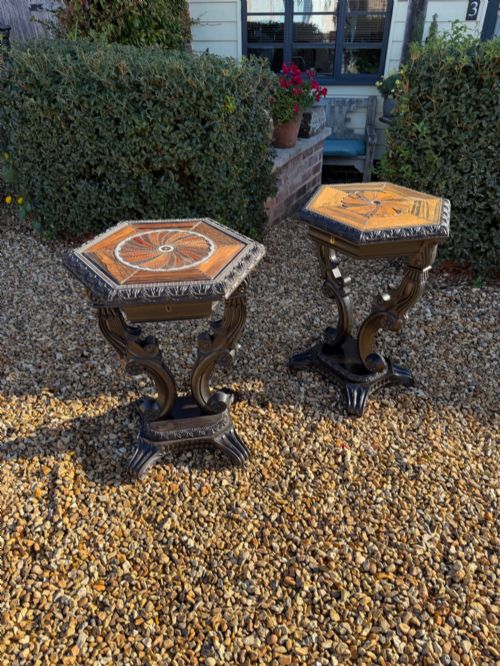
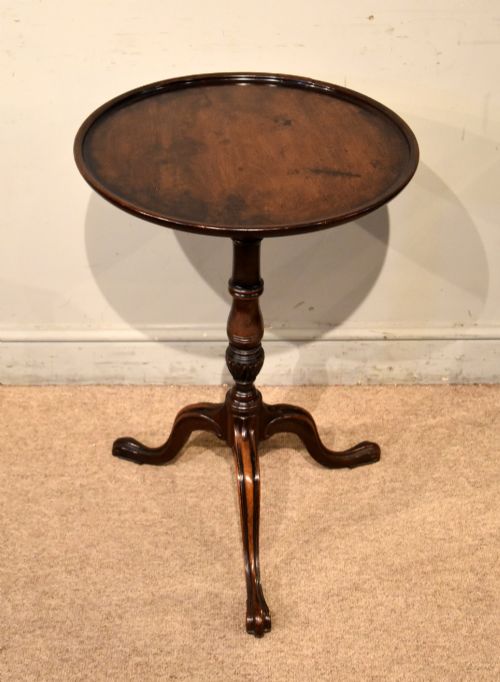
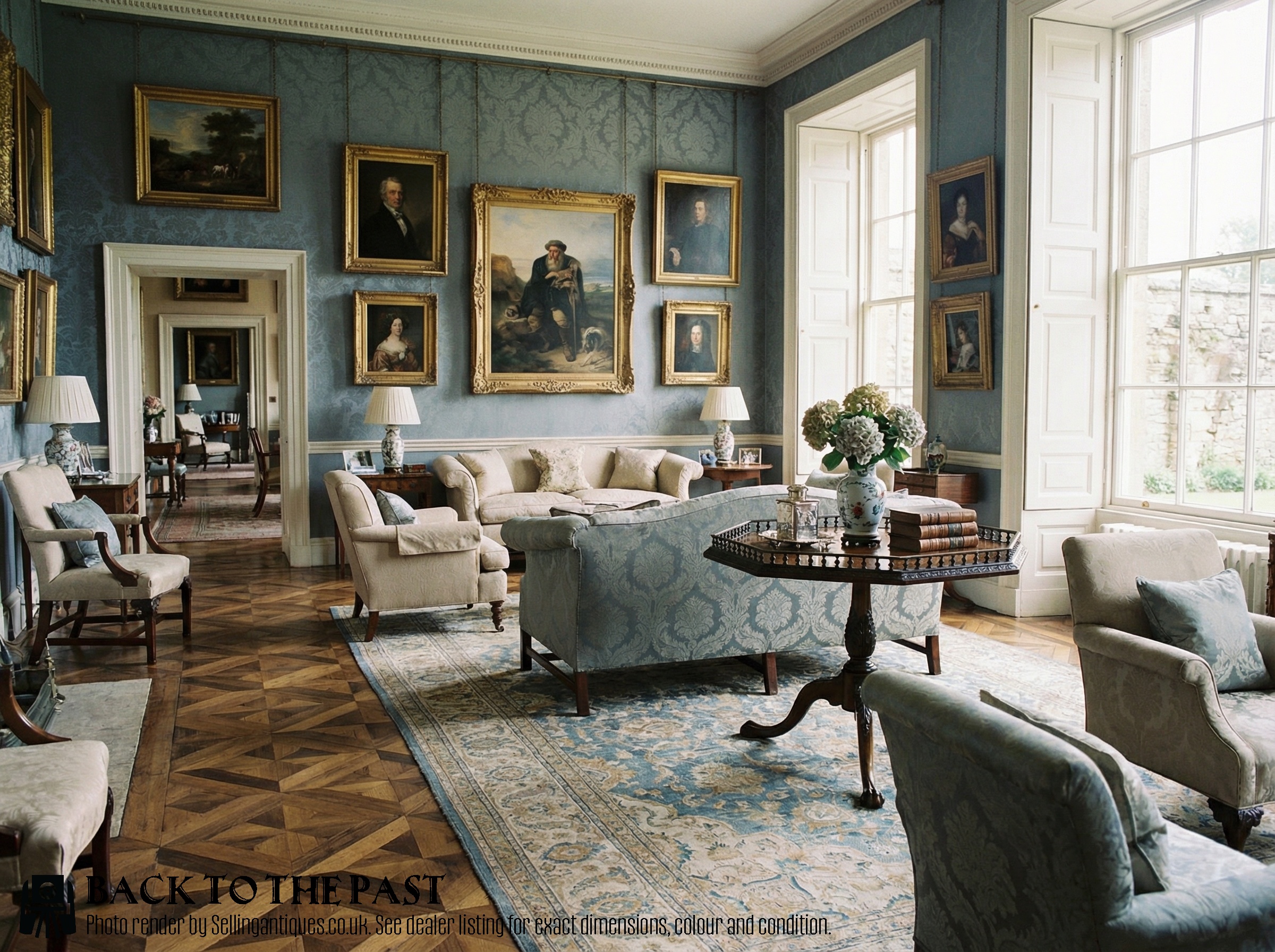
Most examples function as compact surfaces for lamps, drinks, or small objects. Buyers frequently encounter rectangular, round, and octagonal tops, some featuring raised galleries.
How they were made
Cabinetmakers constructed these tables using dense timbers such as mahogany and walnut, occasionally incorporating boxwood details. The construction combines turned central pillars with three splayed legs to provide stability.
Surfaces range from plain timber boards to shaped octagonal tops with raised edges. Joinery techniques from the Georgian and 19th-century periods relied on hand-fitting the column to the leg assembly and table top.
Dark Wood Tripod Stand Retail Price Guide 2026
Typical asking prices for dark wood tripod stand among the pieces listed under this phrase on Sellingantiques today, from the lower quarter to the upper quarter. They describe what is for sale here now, not the wider market.
Mahogany and walnut are the primary timbers recorded across these occasional table listings.
What varies in quality
Quality rests in the choice of timber figure, the sharpness of the turned pillar, and the balance of the tripod base. Finer examples show thoughtful proportion between the top and the supporting legs.
Subtle details like an octagonal shape, boxwood inlay, or a galleried rim elevate a standard occasional table into a more considered piece. Heavy, clumsy legs or mismatched timbers place an item lower down the scale.
The Dark Wood Tripod Stand Glossary
- Tripod table
- A small freestanding table supported by a central pillar and three legs. This format gained widespread popularity during the Georgian period.
- Wine table
- A compact occasional table traditionally used to hold bottles and glasses during evening gatherings. These pieces often feature circular or octagonal tops.
- Gallery
- A raised wooden rim around the edge of a tabletop designed to prevent items from rolling off. Galleried tops appear frequently on late 18th-century examples.
- Occasional table
- A small, movable table intended for intermittent use around a room. They serve as versatile surfaces for lamps and ornaments.
- Regency
- An English design style dating from the early 19th century. Furniture from this period draws inspiration from classical antiquity.
Dark Wood Tripod Stand: Frequently Asked Questions
What is a tripod stand used for?
These pieces serve as versatile occasional tables positioned beside chairs or in empty corners.
They provide a convenient surface for holding a book, a small lamp, or a drink.
How do I identify a Georgian tripod table?
Look for timber selection, classical proportions, and traditional joinery methods associated with the 18th century.
Later Victorian interpretations often feature heavier turnings and different edge details.
Are these tables sturdy?
The three-legged design naturally accommodates uneven floorboards by resting firmly on three points.
However, the central pillar joint requires care when moving the table from room to room.
What woods were used for these stands?
Cabinetmakers primarily relied on rich dark timbers such as mahogany and walnut.
Some examples incorporate contrasting stringing or inlay work in boxwood.