

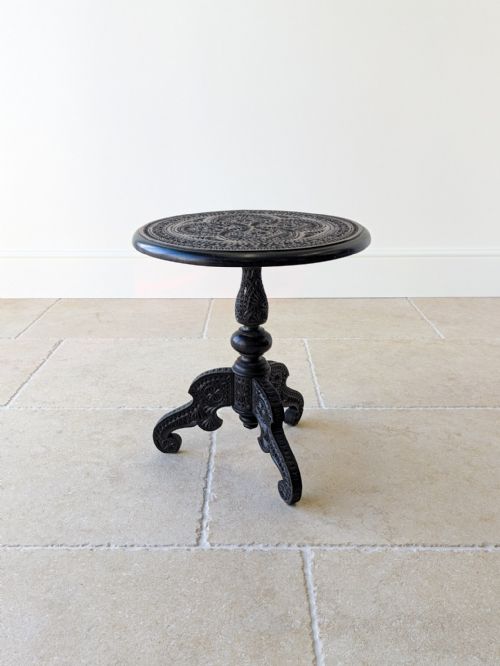

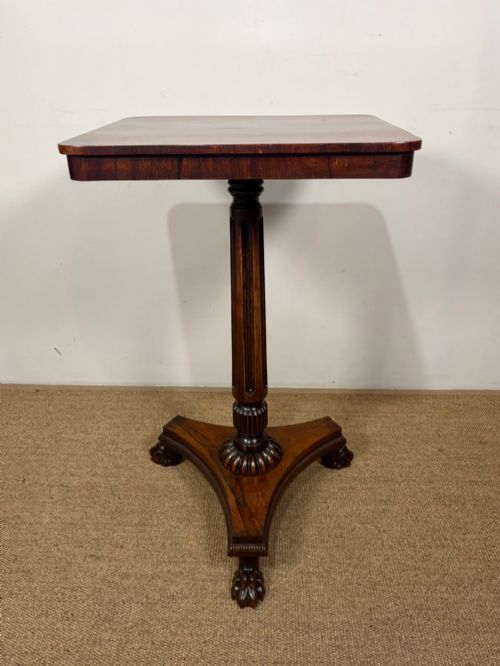
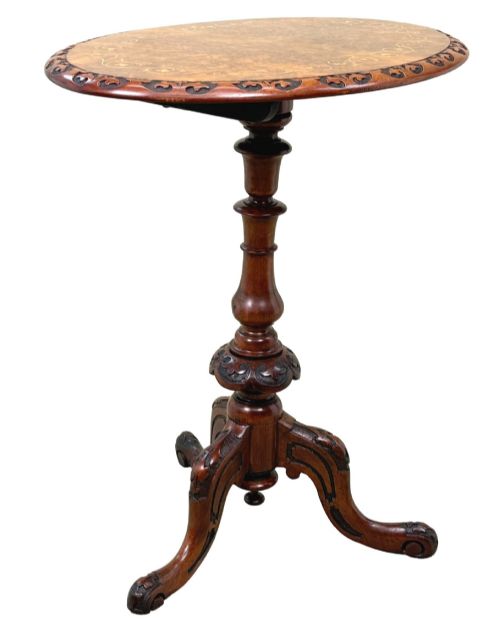
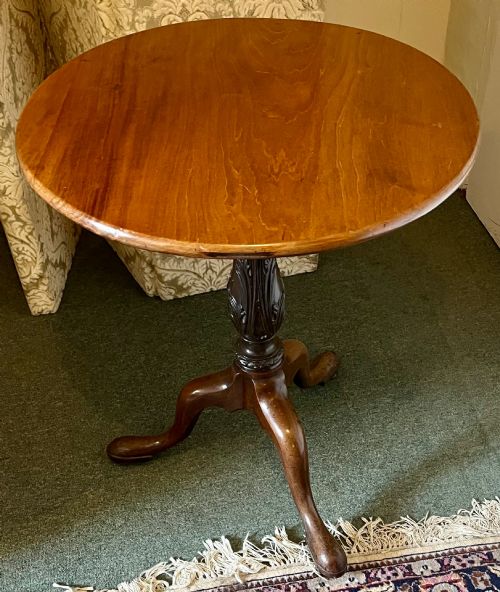
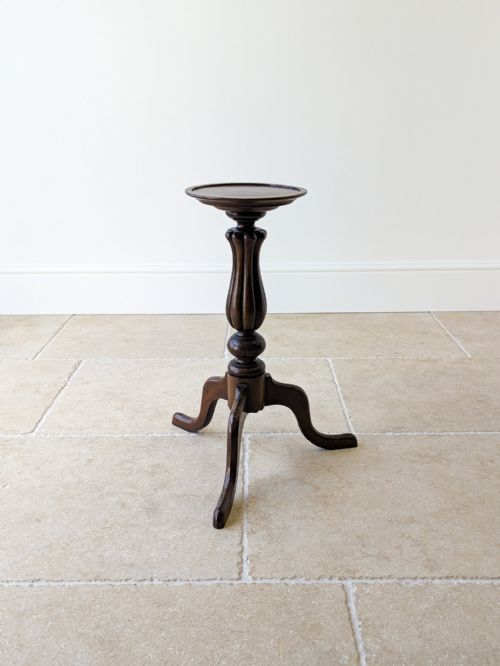
Carved Tripod Wine Table
A carved tripod wine table is a slender, pedestal-mounted stand designed to hold a glass or candle, combining utility with decorative carving.
Carved Tripod Wine Table
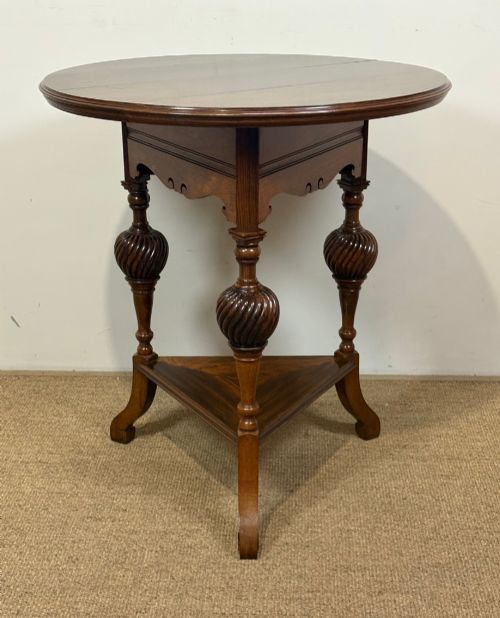
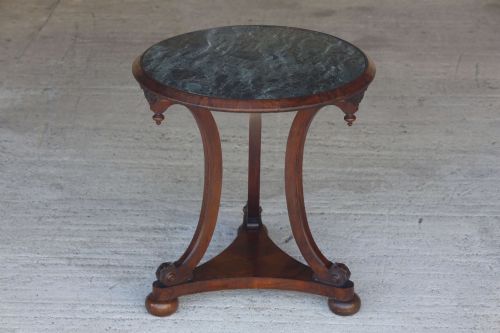
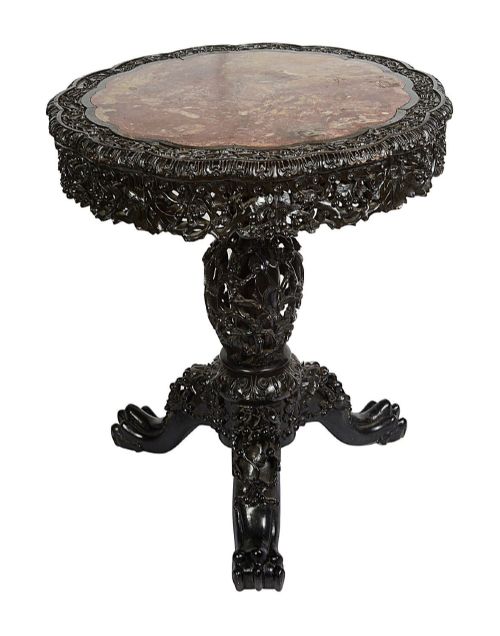
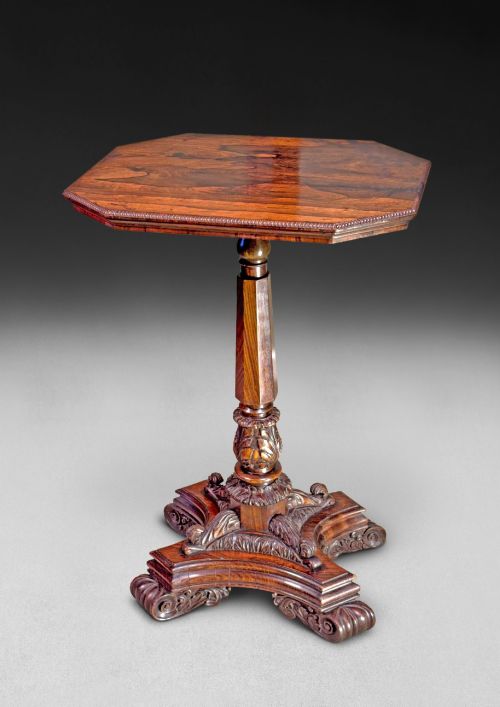
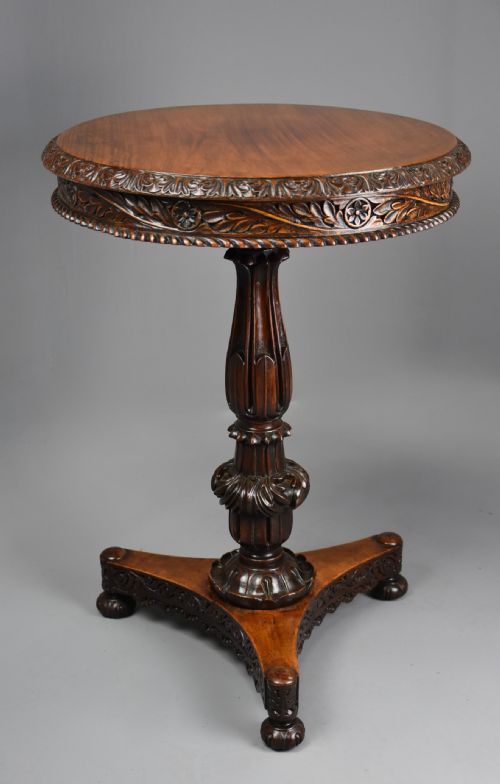
A carved tripod wine table stands upon three slender legs supporting a central pillar, providing a compact surface for domestic use. These pieces appear frequently in mahogany and walnut, spanning the Georgian, Victorian, and Edwardian periods.
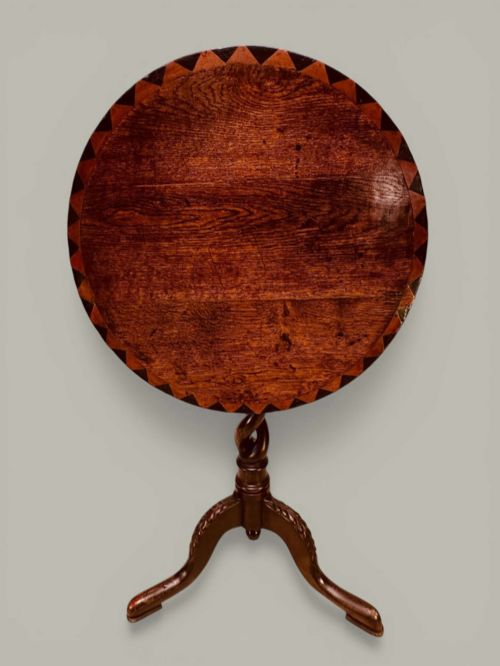
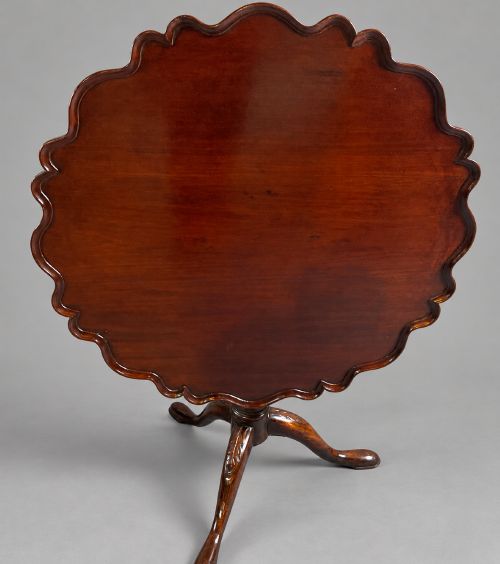
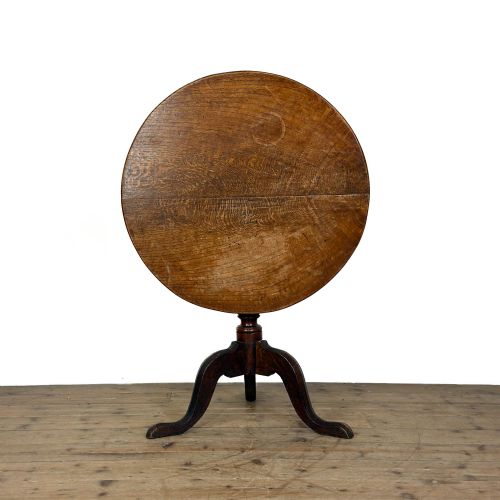
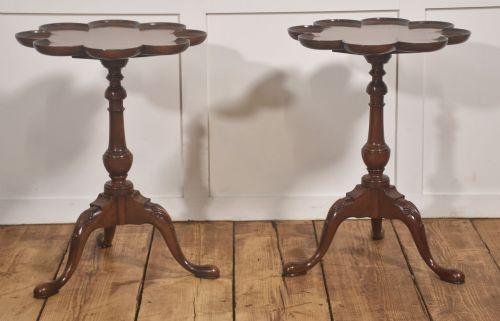
The form encompasses tilt-top mechanisms, fixed circular tops, and shaped pie-crust rims designed to keep glassware secure. Examples range from simple nineteenth-century occasional pieces to elaborate eighteenth-century George III designs executed in the Chippendale taste.
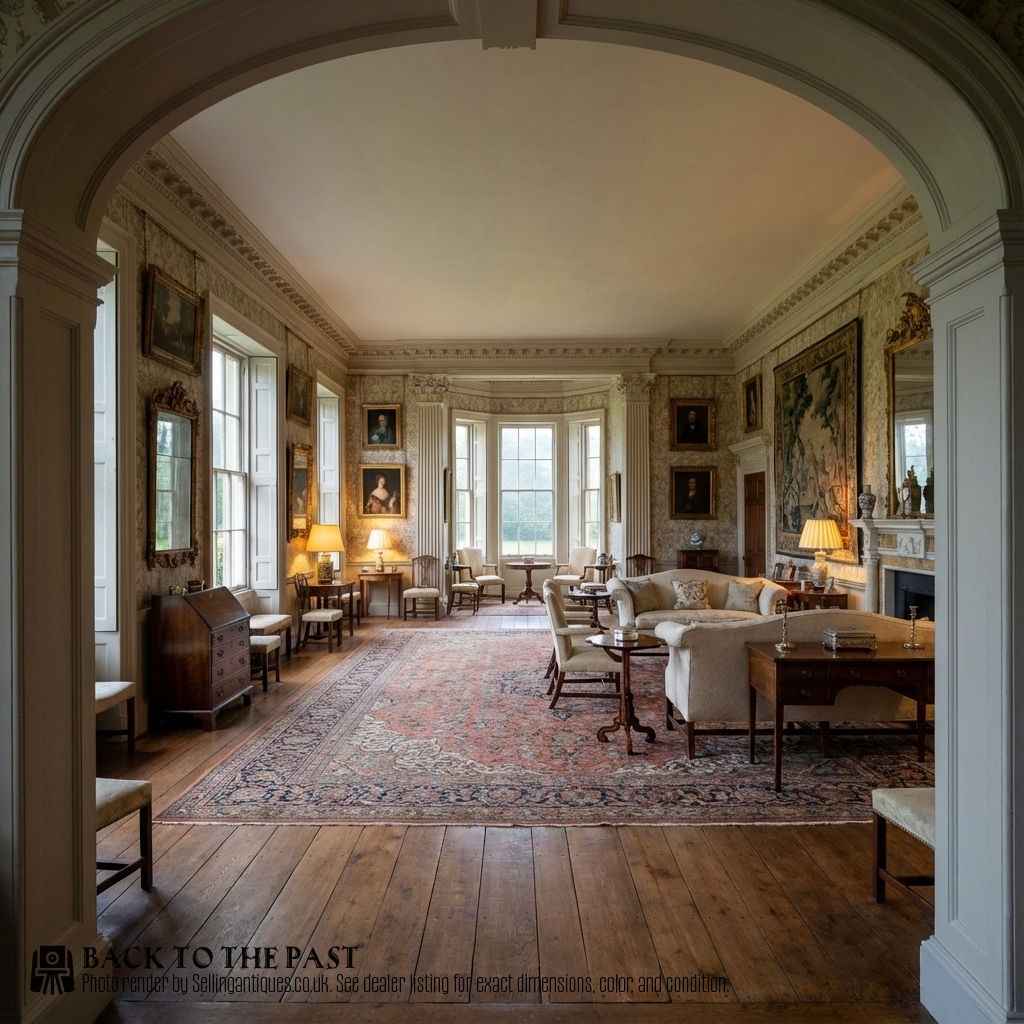
Buyers seeking a carved tripod wine table will encounter numerous nineteenth-century and Victorian iterations alongside earlier Georgian models and later Edwardian reproductions. These tables function readily as lamp stands, side tables, or occasional display surfaces in traditional interiors.
How They Were Made
Cabinetmakers constructed these tables primarily from dense hardwoods like mahogany, walnut, and rosewood, often utilising burr veneers for decorative effect on the top surface. The central column meets the three legs via tenoned joints or wooden blocks to ensure stability under load.
Carving was executed by hand, shaping the cabriole legs, ball-and-claw feet, and edge details such as pie-crust borders. Many tops incorporate tilt mechanisms or birdcage assemblies, allowing the surface to fold flat when not in use.
Carved Tripod Wine Table Retail Price Guide 2026
Typical asking prices for carved tripod wine table among the pieces listed under this phrase on Sellingantiques today, from the lower quarter to the upper quarter. They describe what is for sale here now, not the wider market.
Some tables come fitted with hidden birdcages so the top could dance away when the wine ran dry.
What Varies in Quality
Quality rests upon the crispness of the hand-carved detail on the knees and feet, alongside the proportional balance of the turned pillar and legs. Superior examples display tight, stable joints where the central column meets the tripod base without perceptible movement.
The selection of timber significantly affects the character of the piece, particularly where figured mahogany, burr walnut, or marquetry inlay is employed. Finer tables demonstrate meticulous timber matching and subtle, organic patination built up over decades of surface use.
Gillow
The Carved Tripod Wine Table Glossary
- Tilt top
- A table mechanism allowing the circular surface to pivot vertically into a locked position for storage against a wall. This ingenious design saved valuable floor space in historical rooms when the table was not required for service.
- Pie crust rim
- A raised, scalloped edge carved directly from the solid timber of the tabletop, resembling pastry work. This decorative feature also served the practical purpose of preventing glasses or decanters from sliding off.
- Birdcage
- A revolving wooden framework beneath the tabletop that permits both rotation and tilting of the surface. It represents a more complex piece of joinery found on finer eighteenth and nineteenth-century examples.
- Tripod base
- A support structure comprising three spreading legs radiating from a central turned pedestal. This configuration ensures the table remains stable on uneven historical floorboards without rocking.
- Marquetry
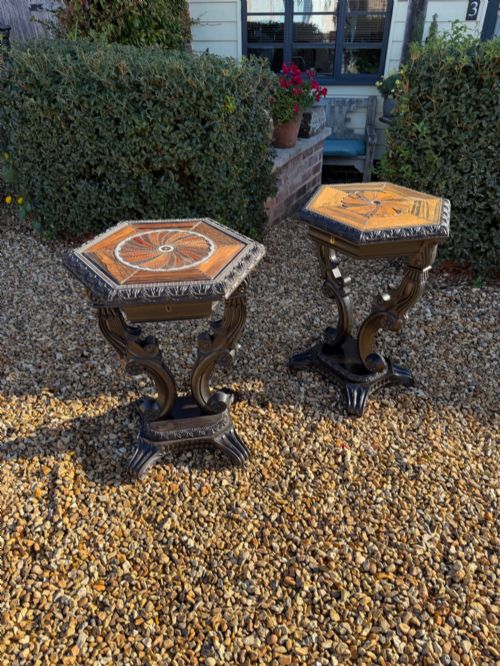
- The art of applying decorative veneer pieces in geometric or floral patterns onto the core timber surface. Master craftsmen used contrasting woods to create intricate visual depth on the table top.
Carved Tripod Wine Table: Frequently Asked Questions
What is a tripod wine table used for?
These small tables were historically positioned beside seating to hold wine glasses, cups, or candles during social gatherings. Their compact footprint made them easily movable around a drawing room as needed.
In modern homes, they function well as lamp stands, plant pedestals, or bedside tables where space is limited. The raised edges on certain models safely contain small decorative items.
How do I spot a tilt-top mechanism?
Look beneath the circular top for a wooden catch or a birdcage block that releases the pivot axis. This allows the surface to lift parallel to the central pillar.
Original mechanisms from the eighteenth and nineteenth centuries rely entirely on timber hinges and wooden pins rather than modern metal springs.
Are these tables sturdy enough for daily use?
The three-legged design provides natural stability on level ground, though the slender legs require careful placement away from heavy foot traffic. They safely support lamps, books, and smaller objects when handled with ordinary care.
Avoid leaning heavily upon the edges of tilt-top variants, as the pivoting mechanism is designed for balance rather than weight-bearing loads.
How do I tell Victorian from Georgian tables?
Georgian examples often exhibit lighter proportions, finer hand-carving in the Chippendale taste, and rich, unadulterated mahogany patination. The joinery beneath the top typically reveals earlier hand-tool marks.
Victorian pieces frequently feature heavier turned pedestals, burr walnut veneers, and sometimes more elaborate marquetry or glass inserts. Revival styles from the late nineteenth century often emulate earlier Georgian aesthetics.