




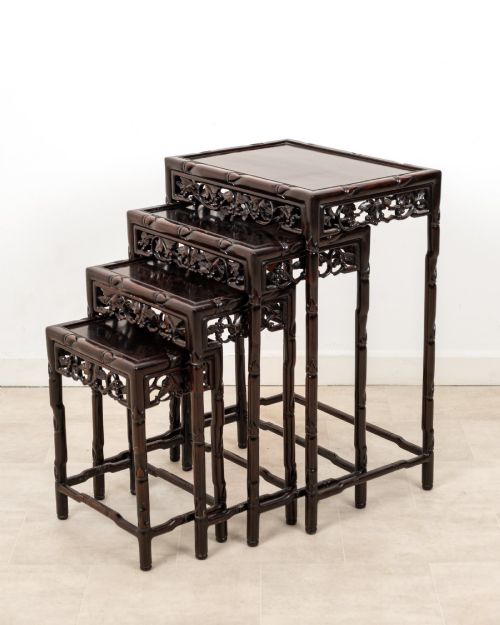
Chinese Export Table
When you search for a chinese export table, you step into a centuries-long exchange of materials and forms between East and West.

Chinese Export Table
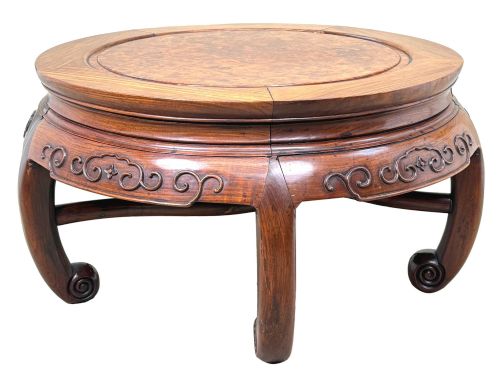
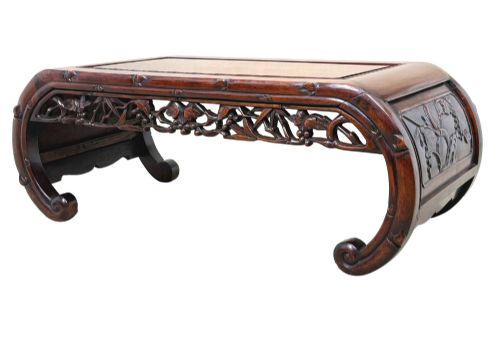
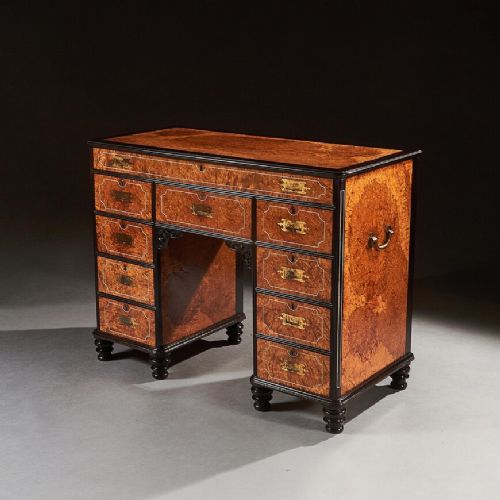
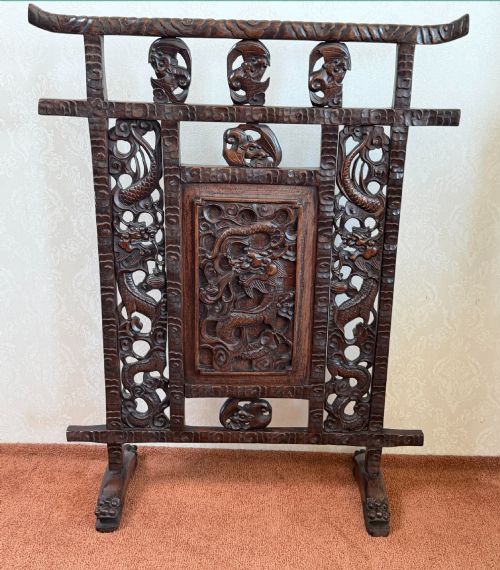
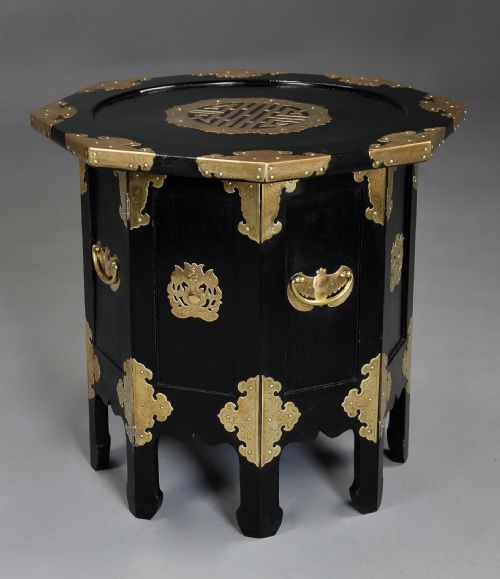
A chinese export table spans practical surfaces made for Western homes using Asian techniques and timbers, including occasional pieces, nests, and work tables.
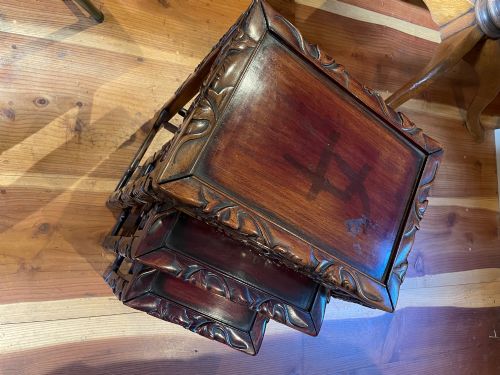
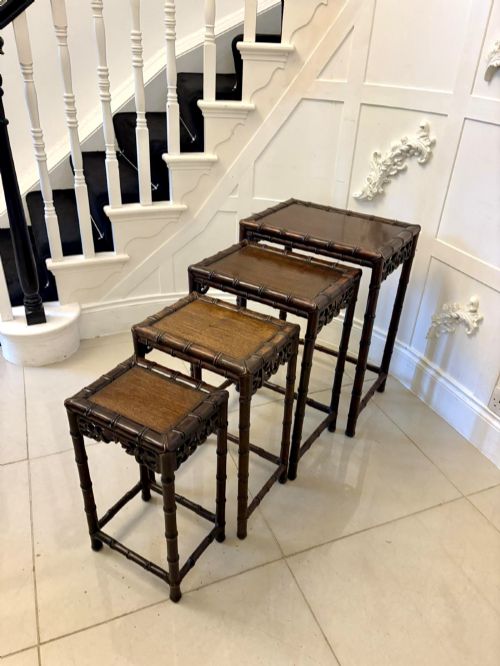
You will frequently encounter nesting sets in hardwoods like rosewood and padouk alongside black and gilt lacquer work tables designed for sewing and writing.
The periods stretch from the eighteenth century through the nineteenth and into the early twentieth, reflecting changing tastes in decorative arts and interior furnishing.
Materials and construction
Craftsmen utilised dense tropical hardwoods such as padouk, rosewood, and huanghuali, often joined with intricate mortise and tenon construction.
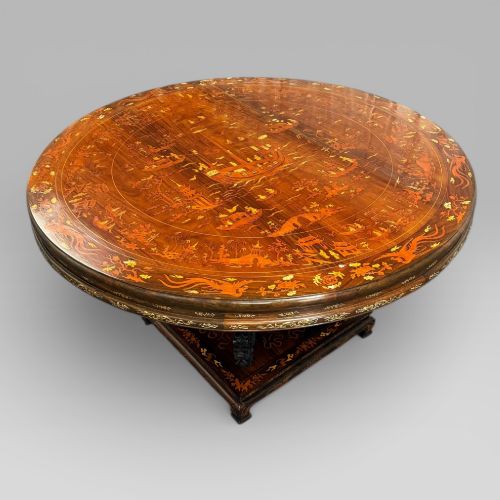
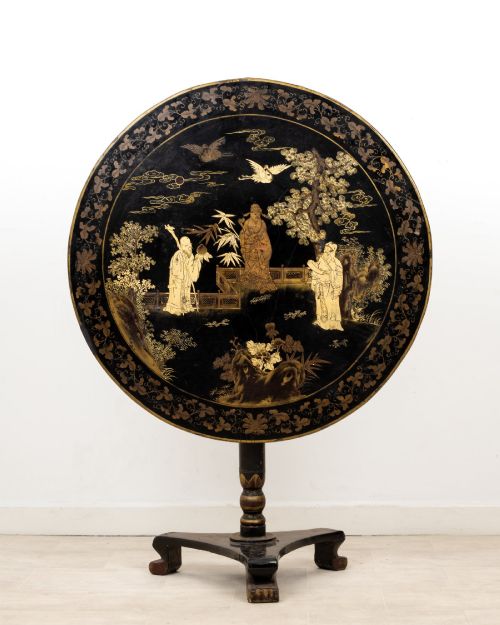
Surface decoration relied on applied layers of natural lacquer enriched with hand-gilded motifs, mother of pearl inlay, and carved faux bamboo details.
Chinese Export Table Retail Price Guide 2026
Typical asking prices for chinese export table among the pieces listed under this phrase on Sellingantiques today, from the lower quarter to the upper quarter. They describe what is for sale here now, not the wider market.
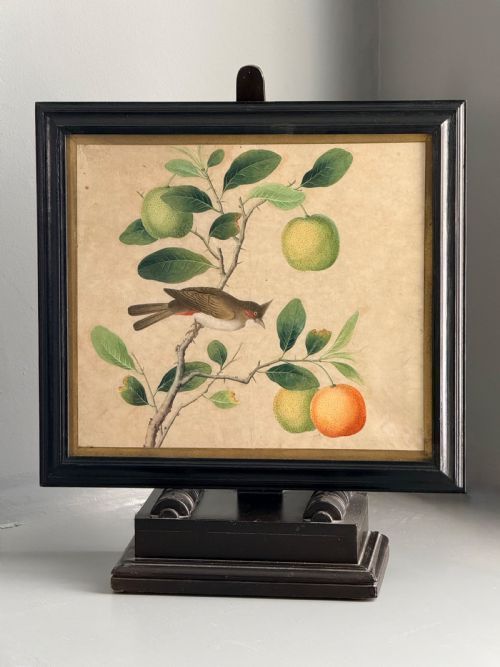
Listings feature eighteenth-century gouache paintings alongside nineteenth-century rosewood nest of tables and lacquer work tables.
Assessing the craftsmanship
Superior examples display crispness in carved relief work and precision in the flush fit of inlaid mother of pearl or ivory elements.
The depth of the lacquer finish and the stability of the timber joints distinguish workshop production intended for export markets.
Edwards & Roberts
The Chinese Export Table Glossary
- Lacquer
- A durable varnish made from tree sap applied in multiple layers to wooden surfaces. It provides a smooth, glossy protective coating that accepts gilding and paint.
- Nest of tables
- A graduated set of small tables designed to fit neatly beneath one another. They offer flexible surface space in compact room layouts.
- Padouk
- A heavy, reddish-brown tropical hardwood favoured for sturdy furniture construction. It patinates richly over decades of exposure to light.
- Work table
- A specialised occasional table featuring internal compartments, drawers, or fabric bags for sewing and needlework. These pieces often incorporate hinged lids and delicate writing surfaces.
- Chinoiserie
- European decorative style reflecting Chinese artistic motifs. Artisans applied these imaginative interpretations to lacquerwork and furniture.
Chinese Export Table: Frequently Asked Questions
How were lacquer tables used?
Lacquer tables served multiple functions in period drawing rooms and parlours, acting as decorative surfaces for lamps, tea service, or ornamental objects. Work tables specifically provided concealed compartments for needlework, threads, and personal letters.
The durable surface made them practical for daily use while the gilded decoration added visual warmth and reflected candlelight in evening settings.
How do I care for hardwood furniture?
Maintain these surfaces by keeping them away from direct heat sources and strong sunlight, which can dry out dense timbers and crack lacquer finishes. Dust regularly with a soft, dry cloth rather than using silicone-based polishes.
Environmental stability protects the delicate joints and mother of pearl inlay found on many exported pieces over generations of domestic life.
How can I distinguish period styles?
Dating relies on observing construction methods, timber choices, and decorative motifs that align with Qing dynasty practices and Western furniture trends. Eighteenth-century examples often feature simpler, elegant proportions in padouk or huanghuali, while later nineteenth-century pieces display heavier carving and ebonised finishes.
Examine the underside of the tops and interior drawer linings to understand how the construction techniques evolved across different decades.