


Edwards and Roberts Table
An edwards and roberts table combines London cabinet-making skill with decorative versatility, offering structured elegance for period interiors.
Forms and Periods
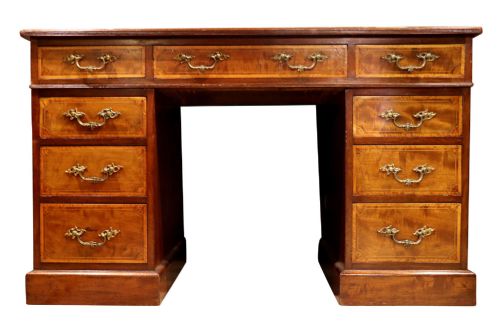
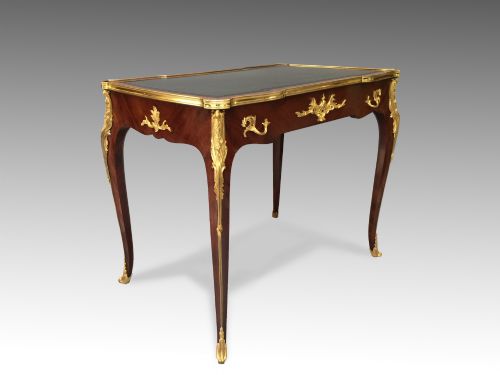
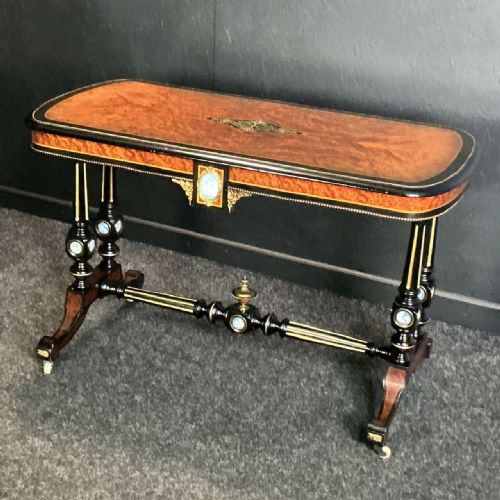
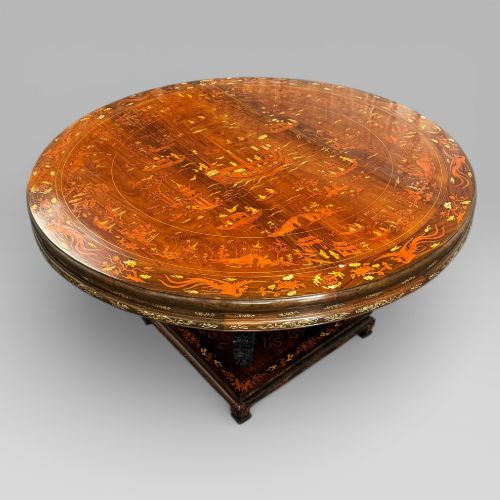
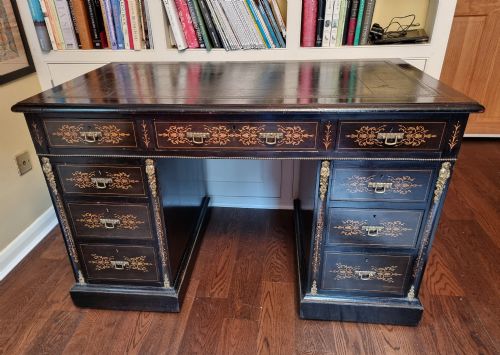
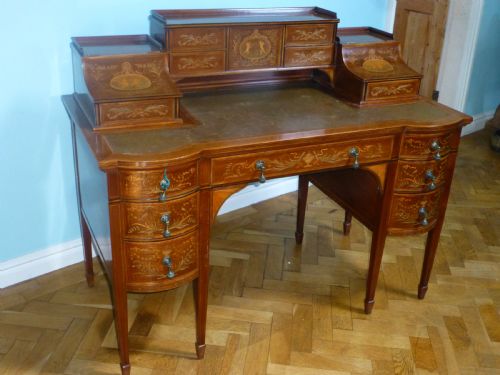
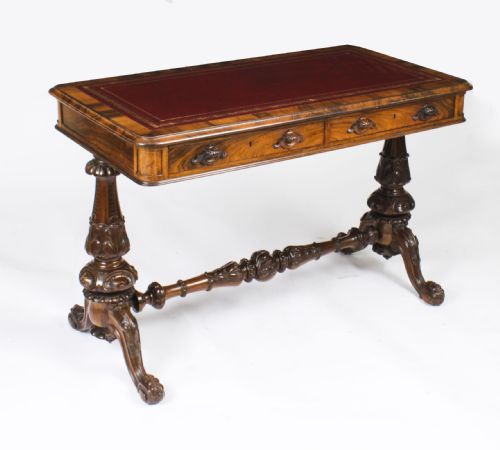
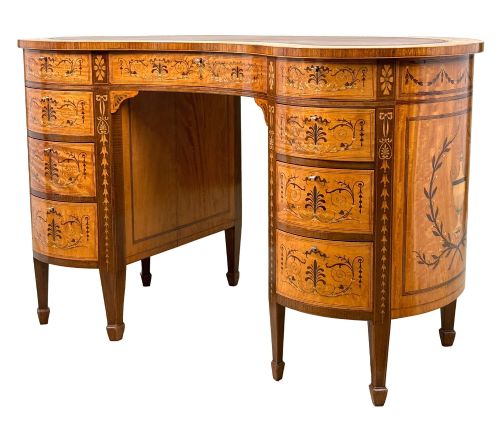
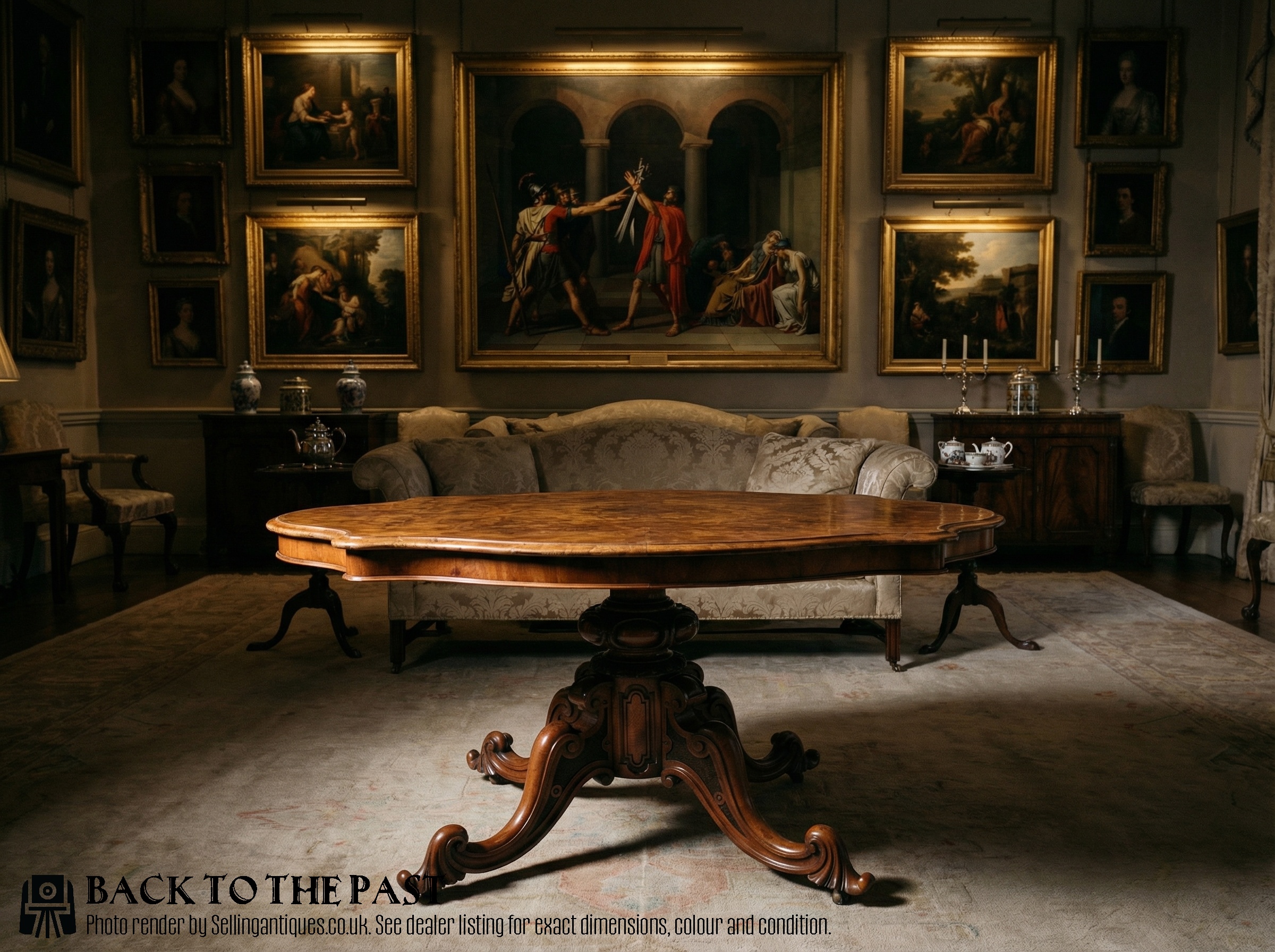
When you search for an edwards and roberts table, you encounter versatile English furniture spanning the Victorian and Edwardian periods, alongside revival designs. The maker produced numerous forms to suit diverse domestic functions, ranging from centre tables and card tables to hall tables, console tables, coffee tables, and games tables.
Victorian and Edwardian examples dominate the available selection, reflecting the firm's peak operating era during the nineteenth and early twentieth centuries. These pieces appear in distinct stylistic iterations, including Louis XV revival, Sheraton revival, Gothic revival, and Qing Chinese export adaptations.
The assortment includes specialised functional surfaces such as writing tables, Pembroke tables, sofa tables, and vitrine display cabinets. Buyers find both standalone occasional pieces and matched pairs designed for formal reception rooms.
Materials and Construction
Makers utilised a diverse palette of primary timbers, predominantly selecting mahogany, satinwood, rosewood, walnut, burr walnut, oak, and fruitwood. Selected pieces incorporate exotic accents such as amboyna, thuya wood, and ebonised finishes to create striking visual contrast.
Decorative surface techniques define the construction, featuring intricate marquetry, fruitwood inlay, hand painting, and pen-work. Metalwork components include cast brass mounts, ormolu, and mother of pearl detailing that accentuate the structural lines of card and games tables.
Retail Price Guide 2026
Typical UK retail prices for edwards and roberts table, calculated from the Sellingantiques database of over a million retail prices indexed since 2003. This retail price guide relies exclusively on Sellingantiques data; no external sources or auction records are used, so the figures do not describe the wider market.
One recorded dressing table previously belonged to film actress Maureen Swanson.
Assessing the Maker's Output
The degree of hand-finishing and the complexity of marquetry separate standard production from exhibition-quality works. Pieces featuring elaborate satinwood banding, multi-wood inlay, and meticulous brass or ormolu mounts represent the upper tier of the maker's output.
The choice of primary timber and secondary framing woods influences overall durability and structural integrity. Denser timbers like rosewood and burr walnut demonstrate superior grain selection, while crispness in carved mahogany details indicates skilled workshop execution.
Edwards and Roberts
The Edwards and Roberts Table Glossary
- Marquetry
- Decorative patterns formed by fitting together small pieces of veneer into wooden panels. This technique allows intricate floral or geometric designs across tabletops.
- Demilune
- A half-moon shape characteristic of side and hall tables designed to sit flush against a wall. These tables often feature hinged leaves or inlaid satinwood borders.
- Ormolu
- Gilt bronze mounts applied to furniture edges and legs during revivalist periods. The technique provides a metallic contrast to dark woods like rosewood and mahogany.
- Bijouterie table
- A glass-topped display table designed to exhibit small collections of jewellery or curiosities. These pieces often incorporate satinwood inlay and velvet-lined interiors.
- Card table
- A folding table featuring a hinged top that opens to reveal a baize-lined playing surface. Victorian examples frequently utilise pivoting mechanisms to support the open leaf.
Frequently Asked Questions
How do I identify Edwards and Roberts furniture?
Authentic pieces often feature stamped signatures, paper labels, or maker's marks applied directly to the woodwork or drawer linings.
Stylistic hallmarks include high-grade satinwood banding, precise marquetry inlay, and robust Victorian or Edwardian construction standards.
What periods do these tables represent?
The recorded pieces primarily date from the Victorian and Edwardian eras, spanning the mid-nineteenth to the early twentieth century.
Revival styles from this period frequently draw inspiration from earlier Georgian designs or French Louis XV aesthetics.
How were games tables used?
Folding card and games tables provided adaptable surfaces for evening entertainment in nineteenth-century drawing rooms.
The hinged tops opened to create dedicated spaces for cards, chess, or board games before folding closed when not in use.
What woods were commonly utilized?
Workshops frequently employed mahogany, walnut, and rosewood as primary structural timbers for stability and rich grain patterns.
Satinwood, fruitwood, and burr walnut appeared extensively in veneer work, marquetry panels, and decorative banding.