

Inlaid Circular Table
An inlaid circular table brings versatile form and rich surface pattern into a room, serving equally as a centrepiece or lamp stand.

Inlaid Circular Table
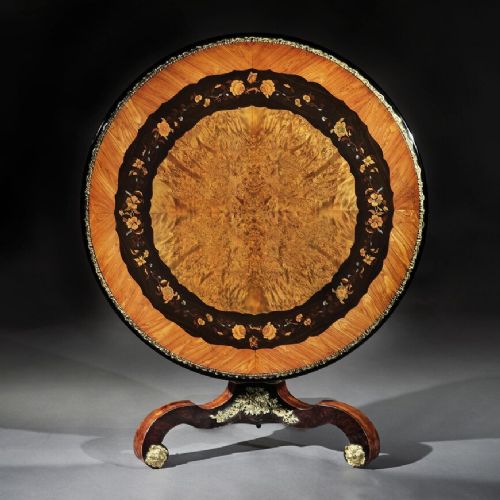
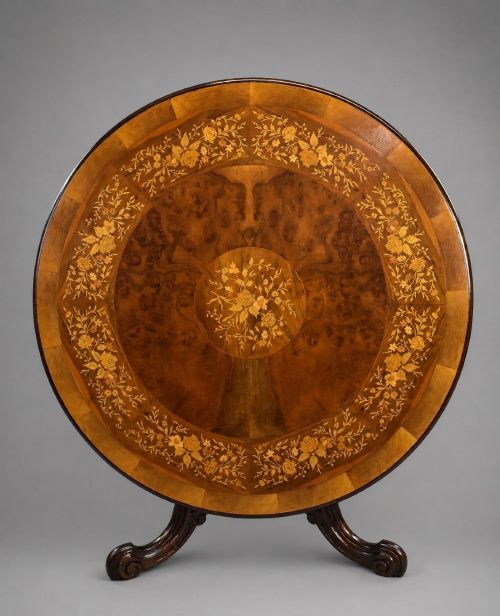
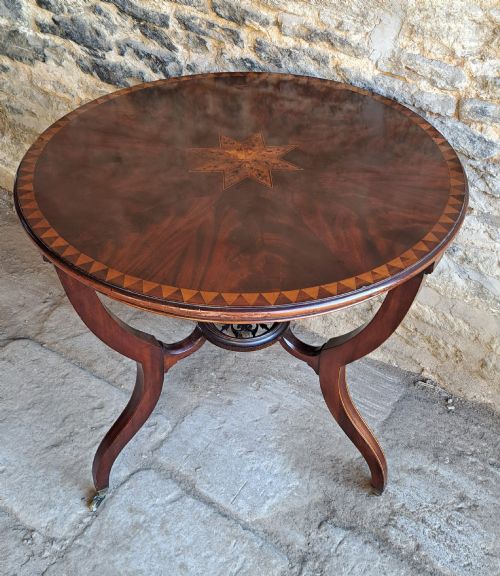
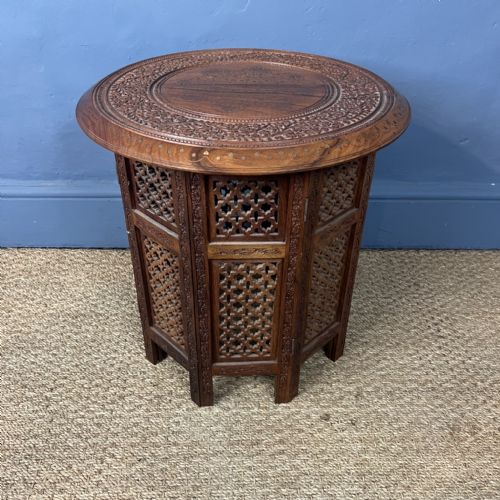
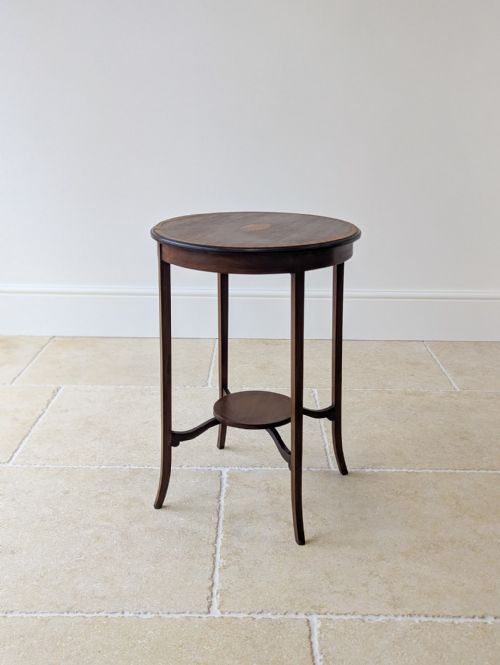
When searching for an inlaid circular table, buyers encounter a diverse selection of pedestal bases, tripod supports, and low occasional forms designed for domestic use. The common thread is a rounded top embellished with contrasting timbers, floral motifs, or geometric stringing.
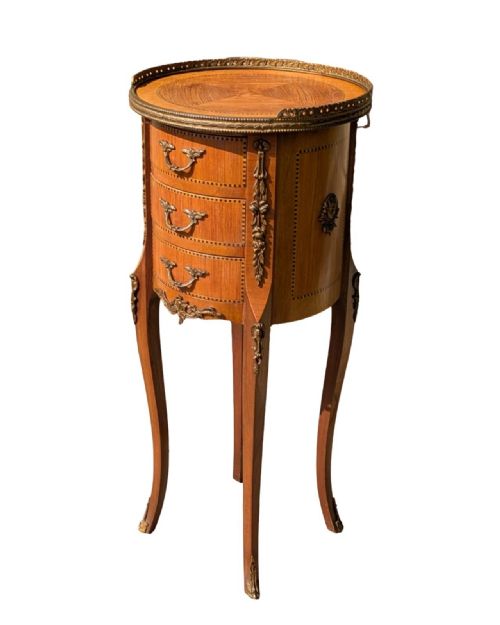
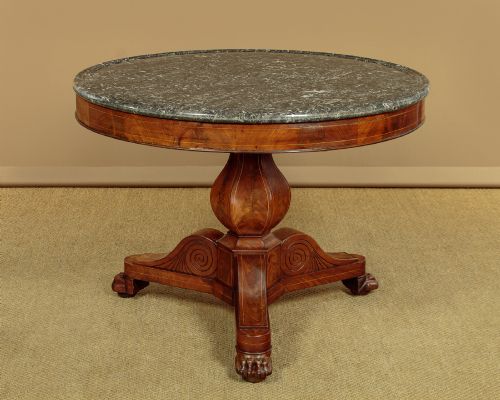
The pieces appearing most frequently range from compact Victorian lamp tables and Edwardian satinwood pieces to larger Regency rosewood designs. Makers often configured these formats as centre tables, breakfast tables, or occasional stands, adapting the circular format for prominent placement within reception spaces.
How They Were Made
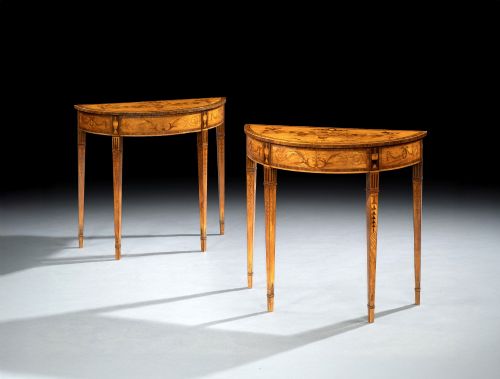
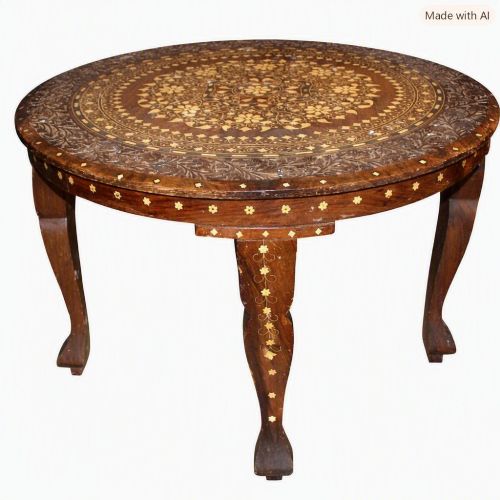
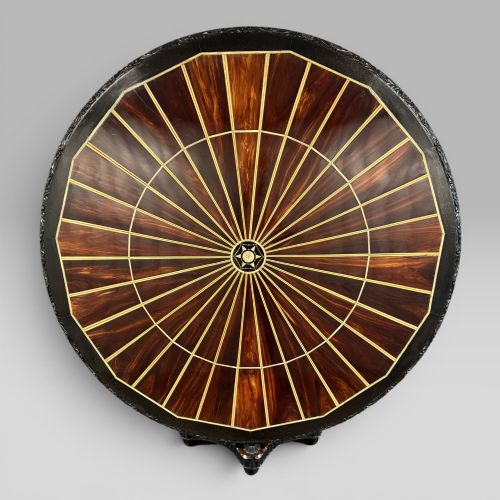
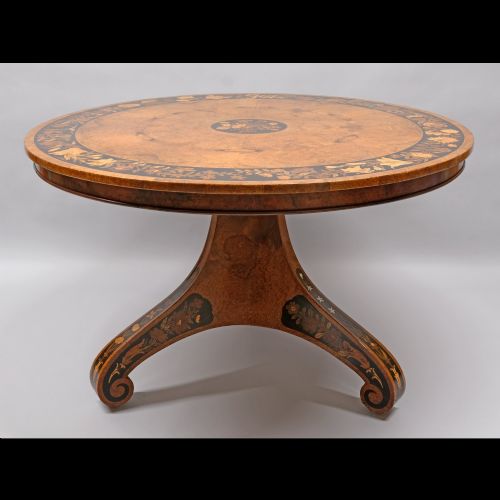
Cabinet makers utilised dense primary timbers such as mahogany, rosewood, and burr walnut as a foundation for decorative embellishment. They applied contrasting veneers, boxwood lines, and exotic woods to create intricate marquetry patterns across the circular tops.
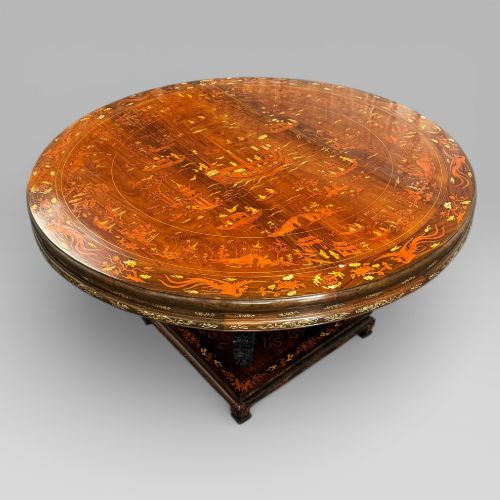
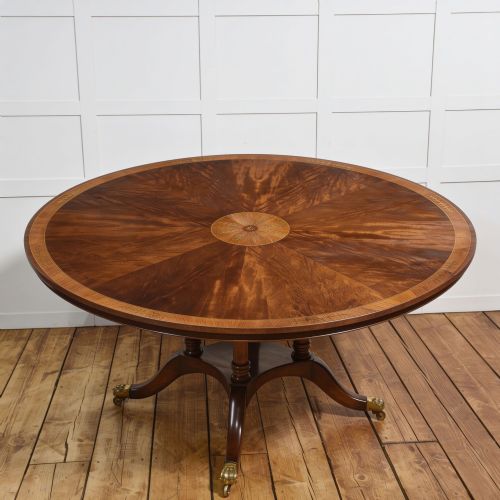
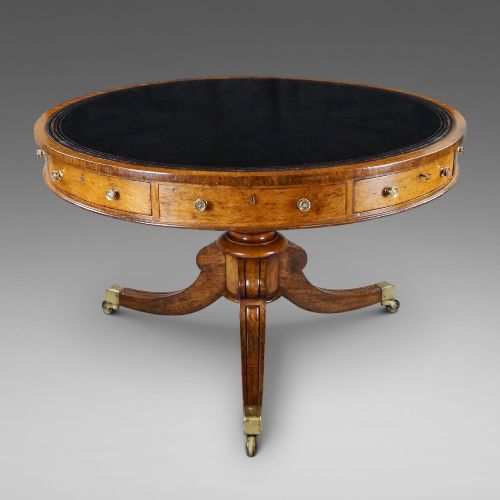
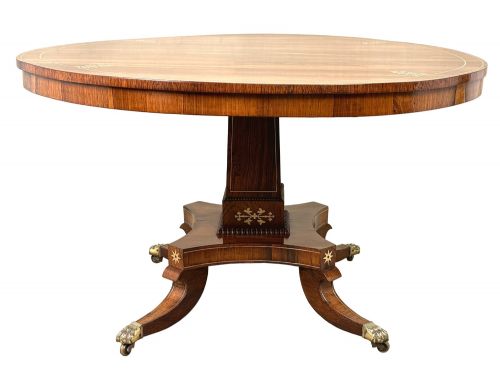
Many examples incorporate metallic elements, embedding brass stringing into the polished wooden surface or utilising carved bone and mother-of-pearl for regional ornamentation. Pedestal supports frequently feature turned columns resting on tripartite or quadrupartite bases with scroll feet.
What Varies in Quality
The distinction between ordinary and exceptional examples rests upon the precision of the veneer work and the complexity of the inlaid motifs. Superior pieces display seamless integration of contrasting timbers with crisp, sharp edges where individual elements meet.
Choice of primary wood significantly alters the character of the object, with figured grains, rich flame mahogany, or dense calamander elevating the visual weight. Furthermore, the architectural stability of the pedestal and the retention of original brass mounts define the standard of execution.
Edward Holmes Baldock·Edwards & Roberts·Liberty & Co
The Inlaid Circular Table Glossary
- Marquetry
- Decorative veneer work arranged in pictorial or geometric patterns across a surface. Craftsmen cut thin slices of various coloured woods and assembled them like a puzzle before gluing them to the carcase.
- Tripod table
- A small freestanding piece supported by a pillar above three spreading legs. This form gained immense popularity during the eighteenth and nineteenth centuries for its mobility.
- Tilt-top table
- A design featuring a mechanism that allows the circular surface to pivot vertically when not in use. This clever engineering enabled furniture to be stored compactly against a wall.
- Stringing
- Thin strips of contrasting wood or brass embedded into channels cut into the furniture surface. It creates delicate linear borders that frame the edges of table tops and drawers.
- Crossbanding
- A border of veneer laid around the edge of a table top with the grain running perpendicular to the central panel. It provides a neat visual frame to the primary timber.
Inlaid Circular Table: Frequently Asked Questions
What rooms suit an inlaid circular table?
These tables adapt well to central placements in entrance halls, beside seating in drawing rooms, or as lamp stands in studies where a rounded footprint softens angular architecture.
Their compact proportions allow them to sit comfortably without dominating the floor plan while offering accessible surface space.
How do I distinguish Regency from Victorian pieces?
Regency examples often favour bold brass inlay against dark rosewood with clean architectural lines, reflecting classical influences from the early nineteenth century.
Victorian variations tend towards complex floral marquetry utilising burr walnut or mahogany, often mounted on heavily carved pedestal bases.
Were tilt-top tables used for dining?
Smaller tilt-top examples functioned primarily as occasional, tea, or wine tables rather than main dining furniture. Their pivoting mechanism was designed for easy storage against room perimeters when the space was needed for other activities.
Larger circular formats remained fixed on sturdy pedestals to support heavier tableware.
How should I care for antique wood surfaces?
Maintain the finish by avoiding direct sunlight and excessive humidity fluctuations which can cause delicate veneers and inlay to lift. Regular dusting with a soft, dry cloth preserves the polish without introducing moisture to vulnerable joints.
Occasional application of appropriate wax feeds the timber and maintains the natural lustre.