

Dark Wood Foyer Table
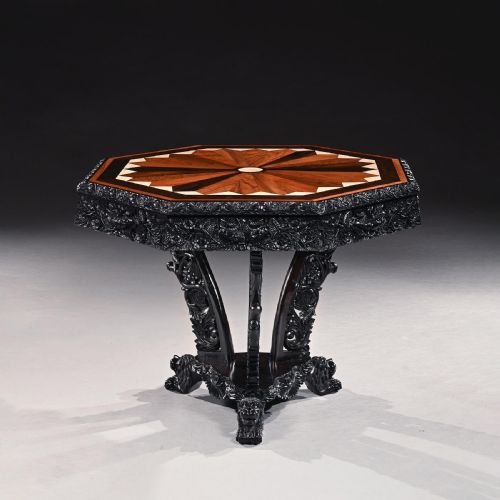
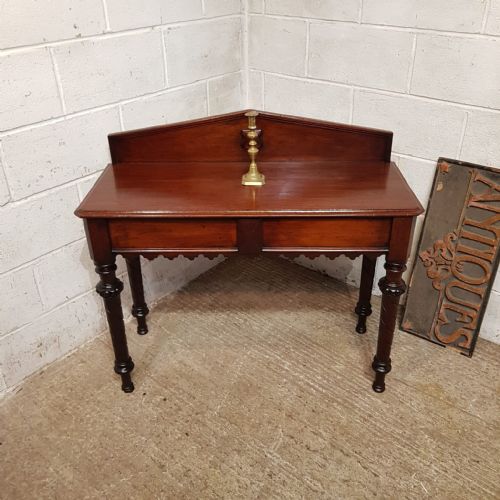
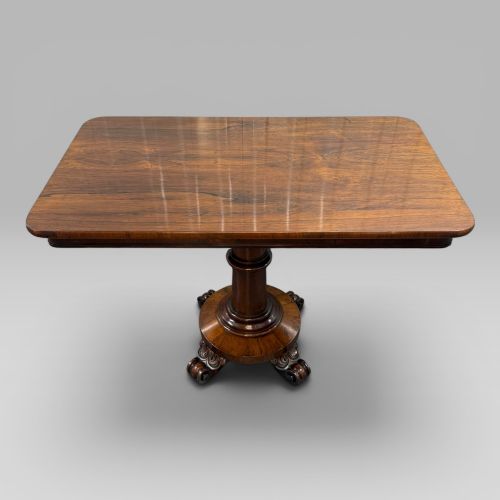
A dark wood foyer table anchors a hallway with rich timber tones, offering a practical surface for post and keys upon entry.
Dark Wood Foyer Table
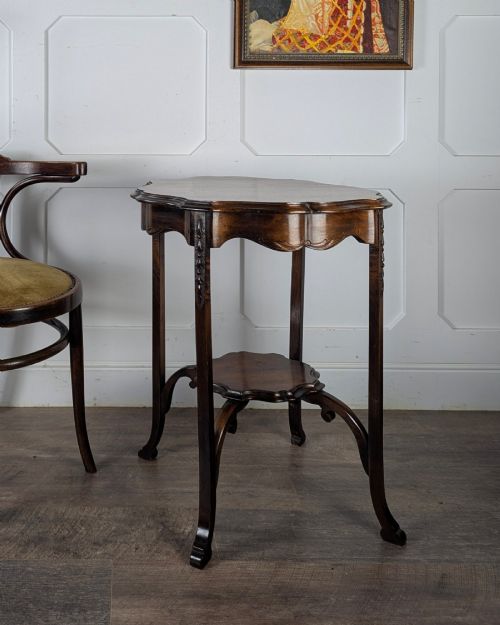
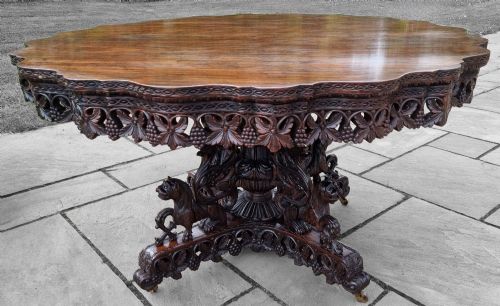
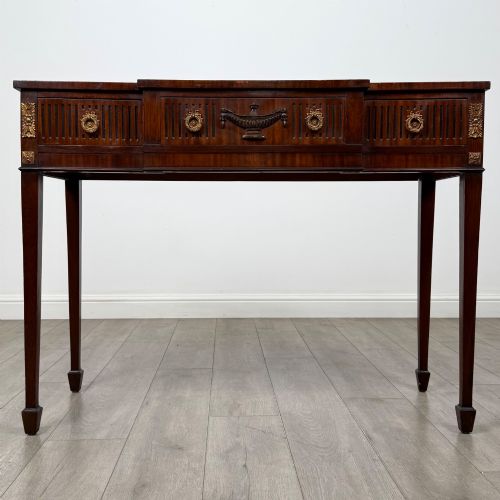
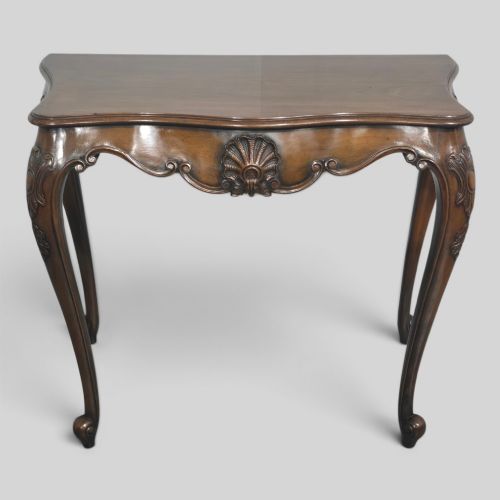
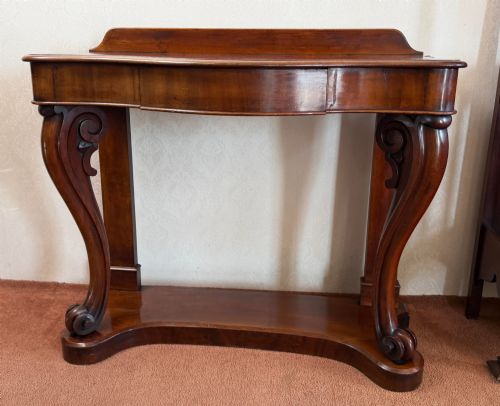
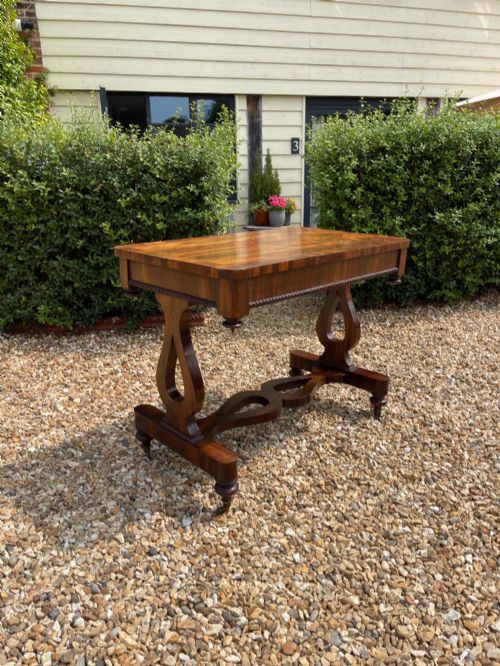
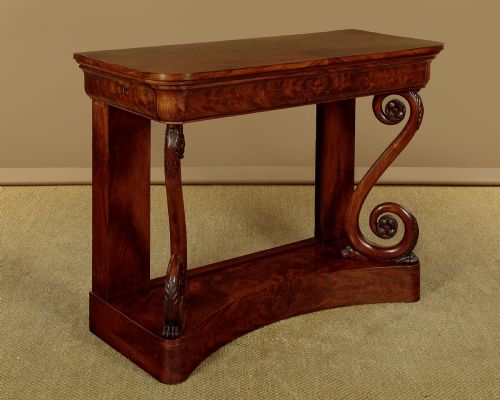
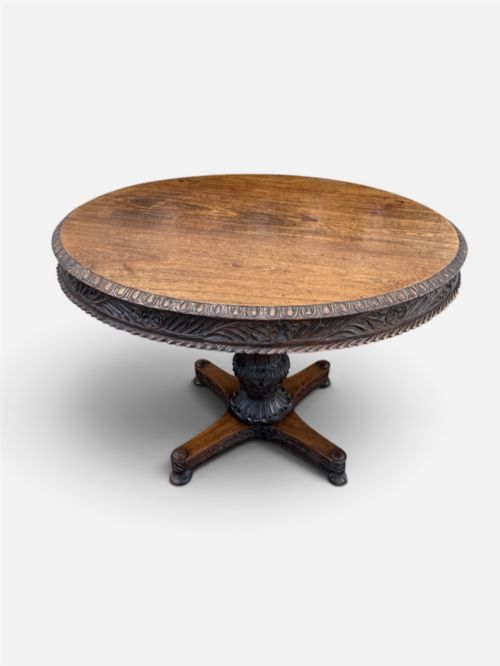
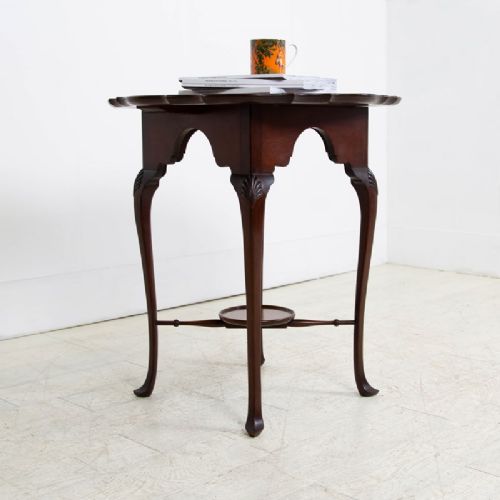
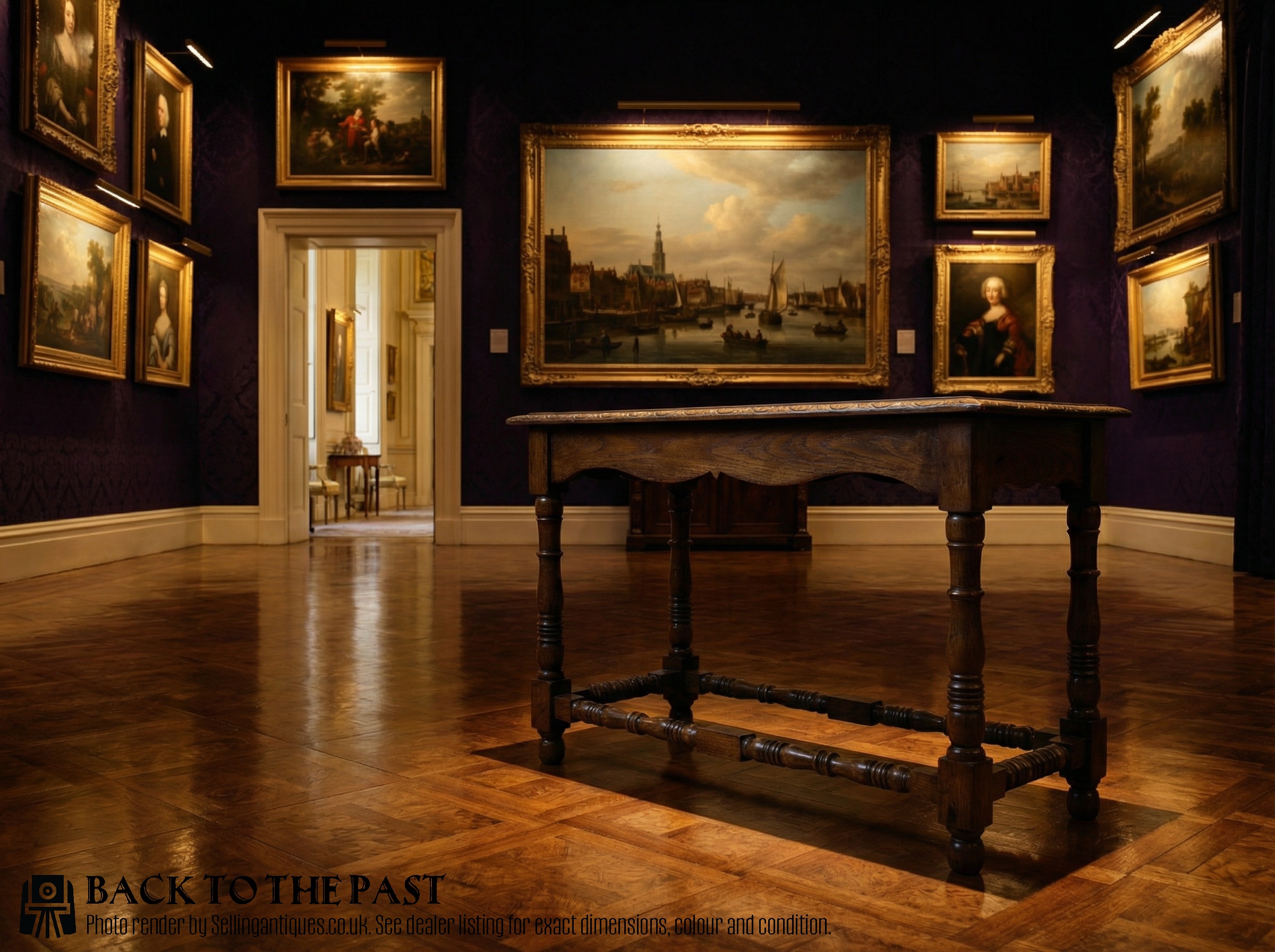
A dark wood foyer table appears primarily across centre tables, console tables, side tables, and hall tables spanning the eighteenth, nineteenth, and early twentieth centuries. These pieces emerge from diverse traditions, including Victorian, William IV, Regency, and Anglo-Indian designs.
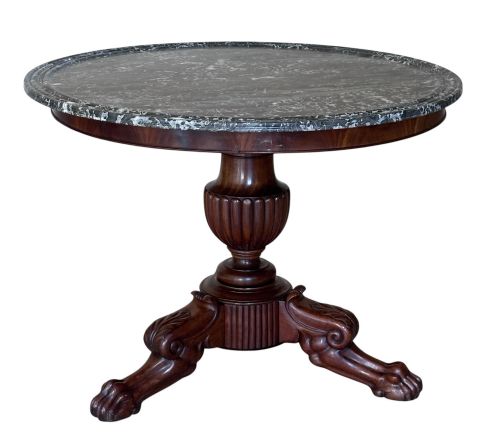
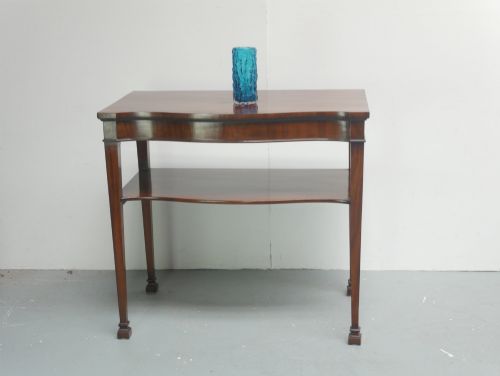
The selection ranges from compact serpentine side tables to large marble-topped console tables and tilt-top centre tables designed to stand freestanding in a hallway. Makers utilised various dark timbers to create functional furniture suited to grand entrances and narrow corridors alike.

Materials and Construction
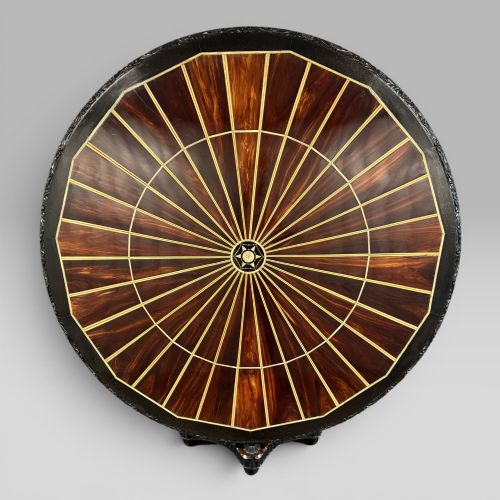
Cabinet makers constructed these tables using dense timbers such as mahogany, rosewood, walnut, oak, and ebony, frequently applying flame mahogany veneer or specimen wood details to enhance the surface. Carved elements, turned supports like triple barley twists, and inlaid borders demonstrate traditional woodworking techniques.
Many examples incorporate heavy stone inserts, featuring marble tops supported by carved wooden bases, while others utilise leather panels inset into wooden tops. Brass mounts and tilt-top mechanisms appear on specific nineteenth-century variants to combine mobility with structural stability.
Dark Wood Foyer Table Retail Price Guide 2026
Typical asking prices for dark wood foyer table among the pieces listed under this phrase on Sellingantiques today, from the lower quarter to the upper quarter. They describe what is for sale here now, not the wider market.
Some nineteenth-century tables feature ingenious tilt mechanisms that allow a massive rosewood surface to fold flat against the wall like a giant wooden coin.
Judging Quality
The standard of a dark wood foyer table rests on the selection of timber, where dense grain patterns, book-matched veneers, and rich natural patination elevate the piece. Superior examples display crisp, hand-carved ornamentation that remains sharp and well-defined rather than soft or heavy-handed.
Structural integrity and proportion determine the distinction between standard production and exceptional craftsmanship. Tables that retain original marble tops, stable tilt mechanisms, and balanced proportions without excessive restoration represent the upper tier of the range.
Shapland and Petter
The Dark Wood Foyer Table Glossary
- Console table
- A table designed to be fixed against a wall, frequently supported by ornate brackets or front legs rather than standing independently.
- Tilt-top table
- A table featuring a mechanism that allows the wooden surface to pivot into a vertical position when not in use.
- Flame mahogany veneer
- A thin slice of wood cut from the fork of a mahogany tree to create a distinctive, flickering flame-like pattern.
- Gueridon
- A small French table, typically round, originating in the seventeenth century and often utilised as a centre table.
- Specimen wood
- An assemblage of various decorative timbers inlaid to create geometric patterns or contrasting borders on a tabletop.
Dark Wood Foyer Table: Frequently Asked Questions
What is a dark wood foyer table used for?
These tables provide a functional surface in an entryway for placing correspondence, keys, or decorative lamps while establishing a formal tone for the interior.
Their robust construction ensures they withstand daily use in high-traffic hallways and transitional spaces.
How do I identify a Victorian hall table?
Victorian examples frequently display darker timbers like mahogany and rosewood, often featuring heavy carved details or structural elements such as barley twist legs.
Checking the underside and interior joints helps confirm the period manufacturing methods and materials.
Are marble top tables practical for hallways?
A marble top offers a durable, cool surface that resists moisture and heavy everyday wear from dropped keys or wet items.
These heavy stone inserts require stable wooden bases to support the weight evenly across the floor.
What is the difference between a console and a centre table?
Console tables are built to stand flush against a wall, sometimes requiring attachment for stability, whereas centre tables are freestanding and finished on all sides.
Centre tables usually occupy the middle of a room or a large open hallway to be viewed from every angle.