
Jacobean Style Hall Table
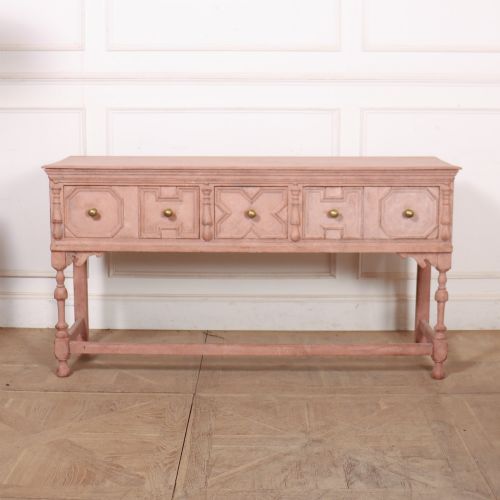
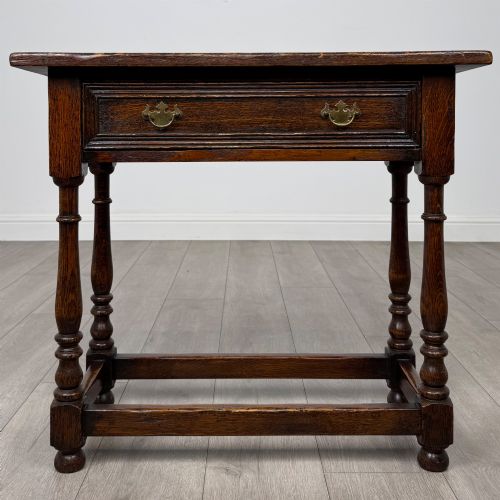
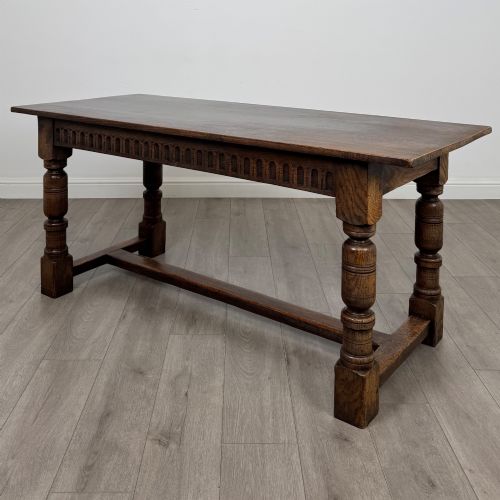
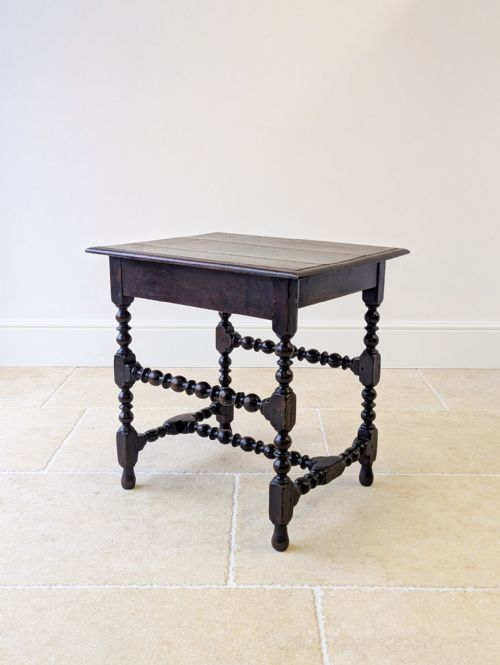
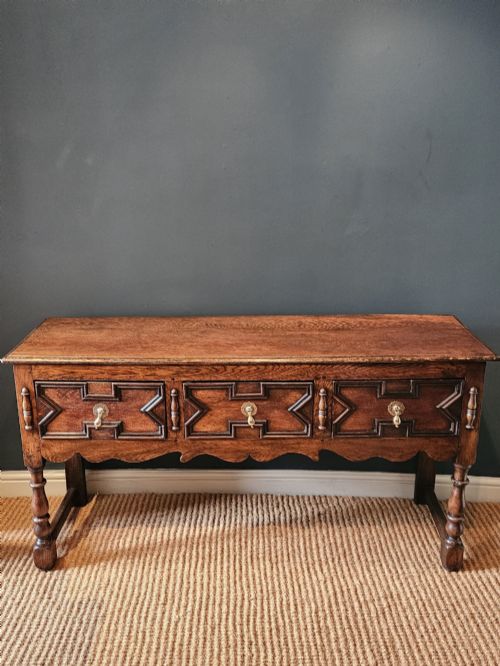
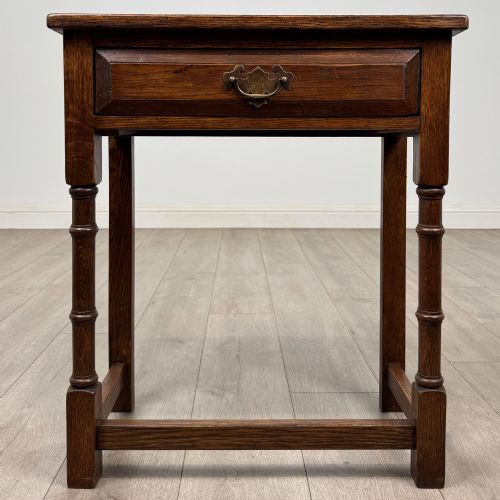
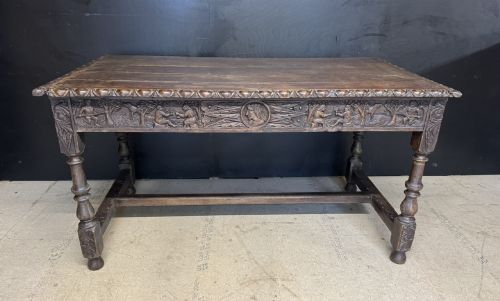
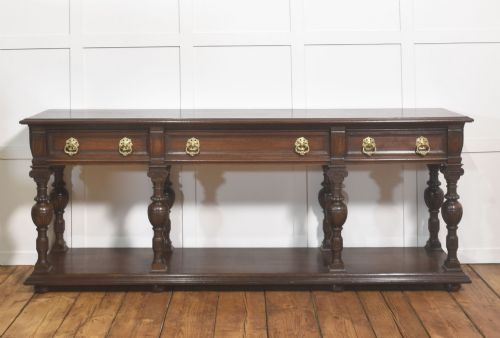
These jacobean style hall table pieces offer substantial oak construction and historical revival detail, bringing sturdy traditional character into a hallway or narrow space.
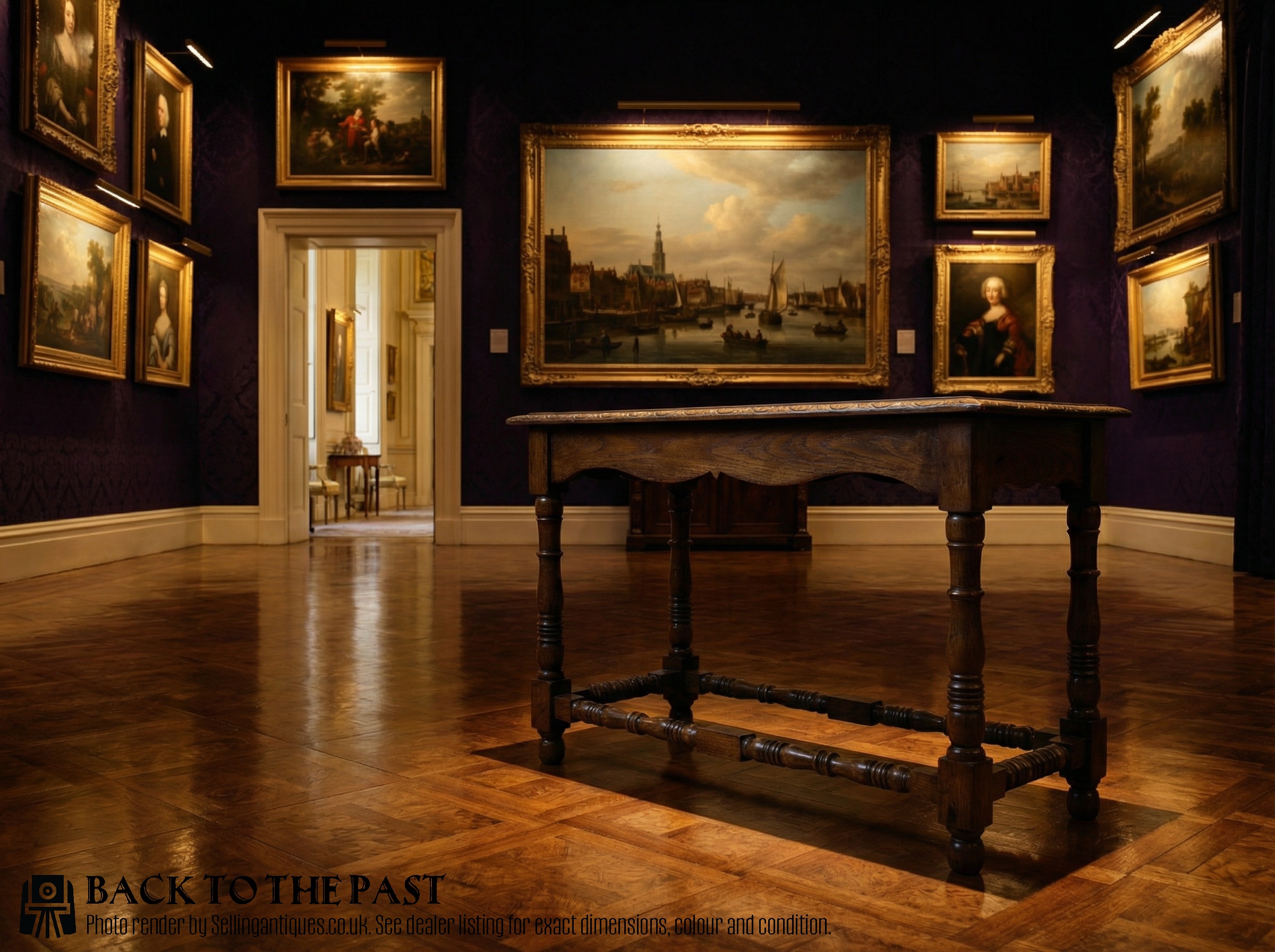
What They Are
A jacobean style hall table brings heavy historic revival presence to an entranceway, drawing heavily on seventeenth-century forms while often dating from later centuries. Buyers searching this phrase look for robust proportions and dark timber suitable for narrow spaces.
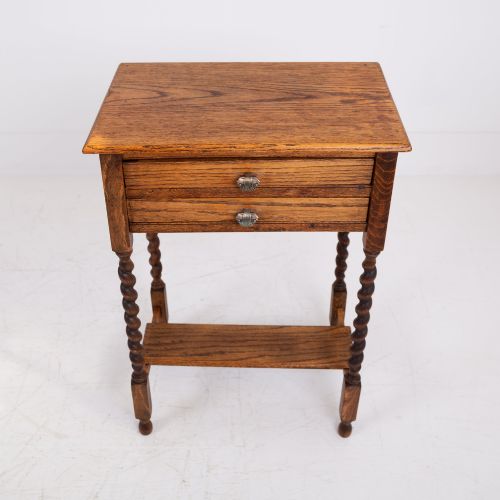
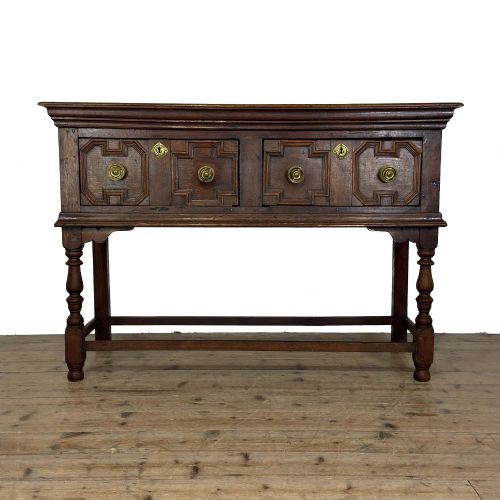
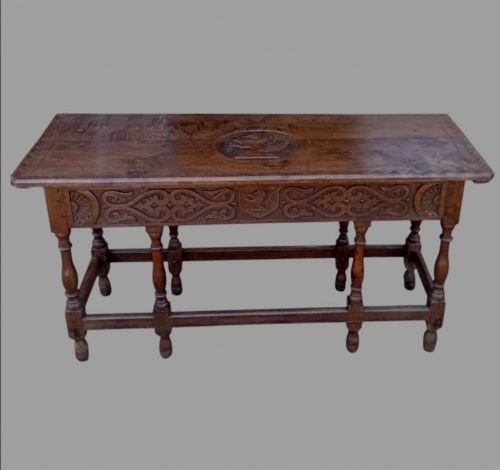
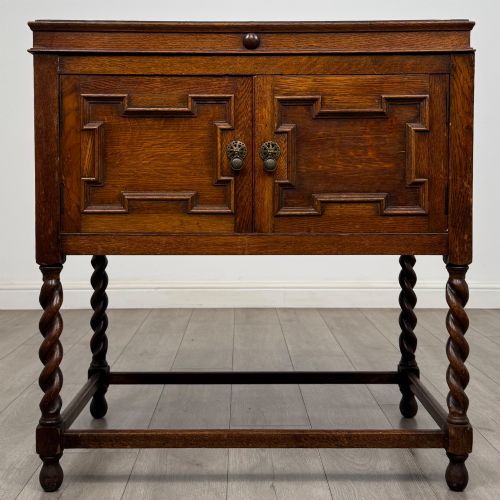
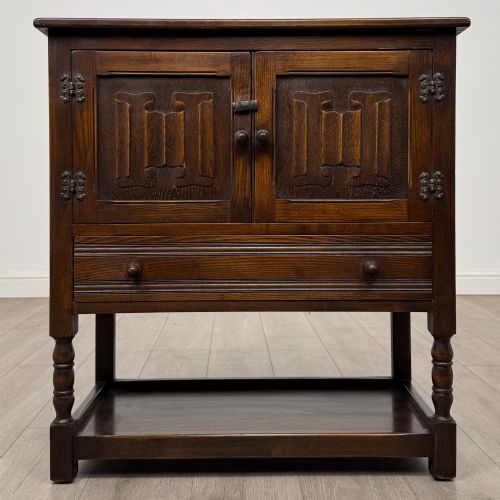
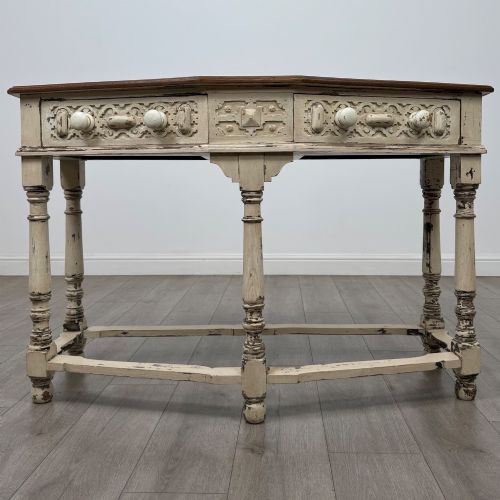
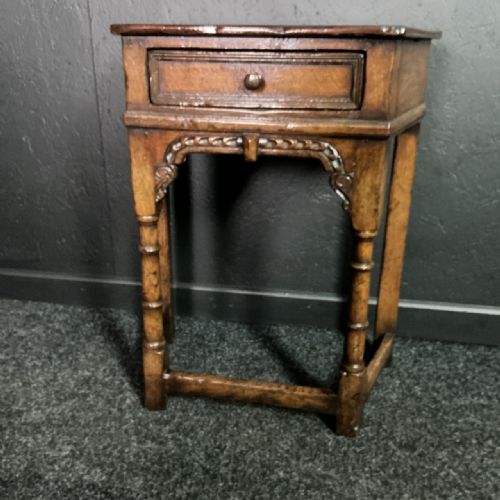
The pieces appearing on this page span the nineteenth century, the Edwardian era, eighteen-eighty, and nineteen-twenty. Alongside the core hall tables, related forms such as console tables, side tables, side cabinets, and even a monks bench seat appear.
Revival aesthetics dominate the selection, merging distinct Jacobean Revival styling with Victorian and Arts and Crafts influences. Oak remains the primary form, anchoring these items firmly in traditional British furniture traditions.
How They Were Made
Makers built these tables primarily from solid oak, sometimes pairing the timber with brass hardware for handles or structural fittings. The wood was frequently finished to a dark tone, emphasising the dense grain and substantial weight of the material.
Construction relied on traditional joinery techniques suited to heavy timber, supported by hand-carved ornamentation. Carving appears directly on the wood surface, displaying motifs typical of revival periods without relying on applied veneers.
Retail Price Guide 2026
Typical UK retail prices for jacobean style hall table, calculated from the Sellingantiques database of over a million retail prices indexed since 2003. This retail price guide relies exclusively on Sellingantiques data; no external sources or auction records are used, so the figures do not describe the wider market.
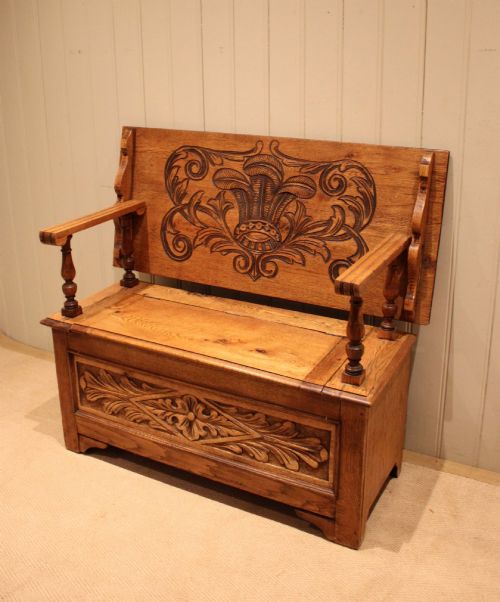
One versatile survivor doubles as a bench and a table, proving that seventeenth-century multi-tasking was genuinely ahead of its time.
What Varies in Quality
Quality rests in the crispness and depth of the carved ornamentation on the timber surfaces. Shallower, machine-cut decoration sits at the lower end, while sharper, deeply cut hand-carving distinguishes the finer examples.
The choice of materials and the integrity of the timber joints set the standard across different pieces. Heavier, well-seasoned oak with consistent grain and solid brass fittings represents the upper tier of production.
The Jacobean Style Hall Table Glossary
- Console Table
- A table fixed against a wall, often supported by brackets or legs at the front. In hallways, these pieces provide a slim surface for decorative items or correspondence.
- Monks Bench
- A multifunctional piece of furniture featuring a hinged top that converts a seat into a table. This form combines seating with a surface for narrow domestic spaces.
- Arts and Crafts
- A design movement valuing handcraftsmanship, simple construction, and traditional materials over industrial mass production. Pieces from this tradition focus on honest joinery and visible grain.
Frequently Asked Questions
What is a jacobean style hall table?
It is a heavy timber table styled after seventeenth-century revival designs, intended for placement in an entrance hall or narrow passage.
These pieces typically feature dark oak construction and carved wooden details reminiscent of earlier centuries.
How were these tables used?
They served as practical surfaces in hallways for placing keys, correspondence, or decorative items upon entering a home.
Some related variants, such as monks benches, also provided dual-purpose seating alongside the surface area.
What materials are common?
Oak is the predominant timber found in these pieces, valued for its strength and suitability for heavy revival styles. Brass hardware frequently appears on cupboards or drawers associated with these forms.
How do you date a revival table?
Dating relies on examining the construction methods, tool marks, and secondary woods used within the piece. Revival furniture often dates from the nineteenth century or Edwardian era despite emulating earlier periods.