

Warm Brown Hall Table
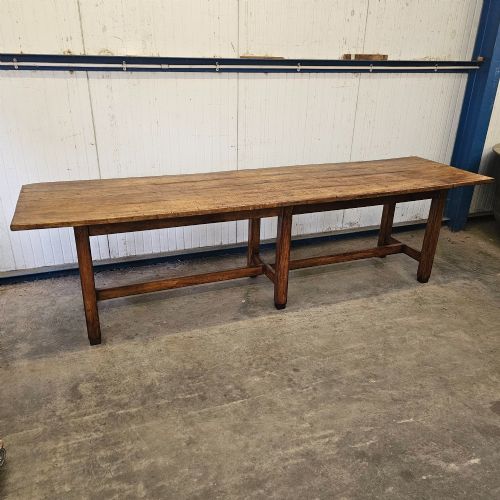
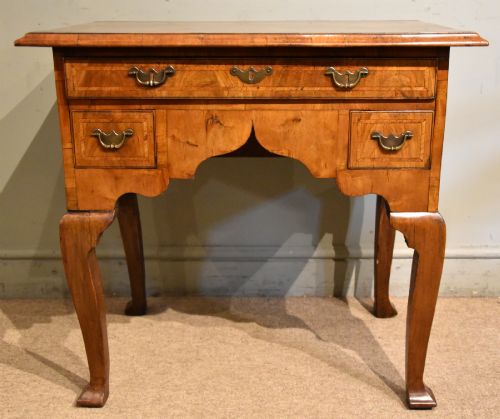
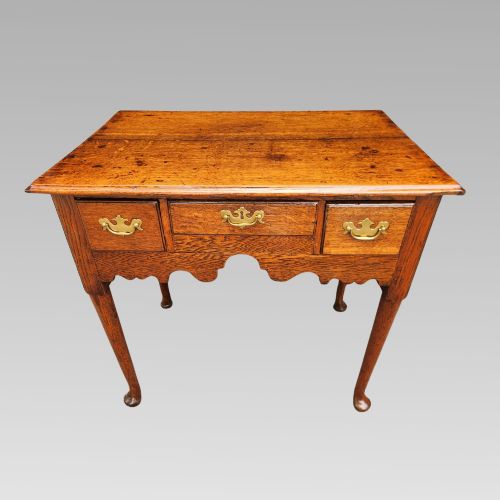
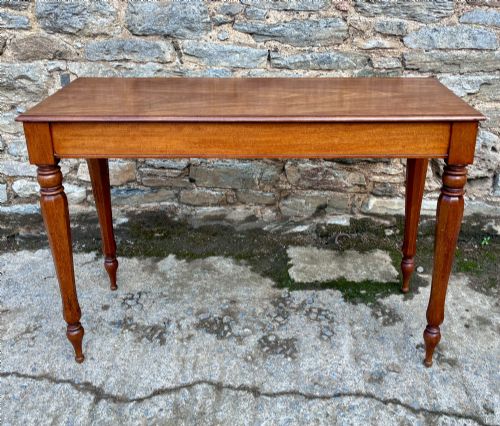
A warm brown hall table brings rich wood tones and practical console forms straight into an entryway, offering both surface space and period character.
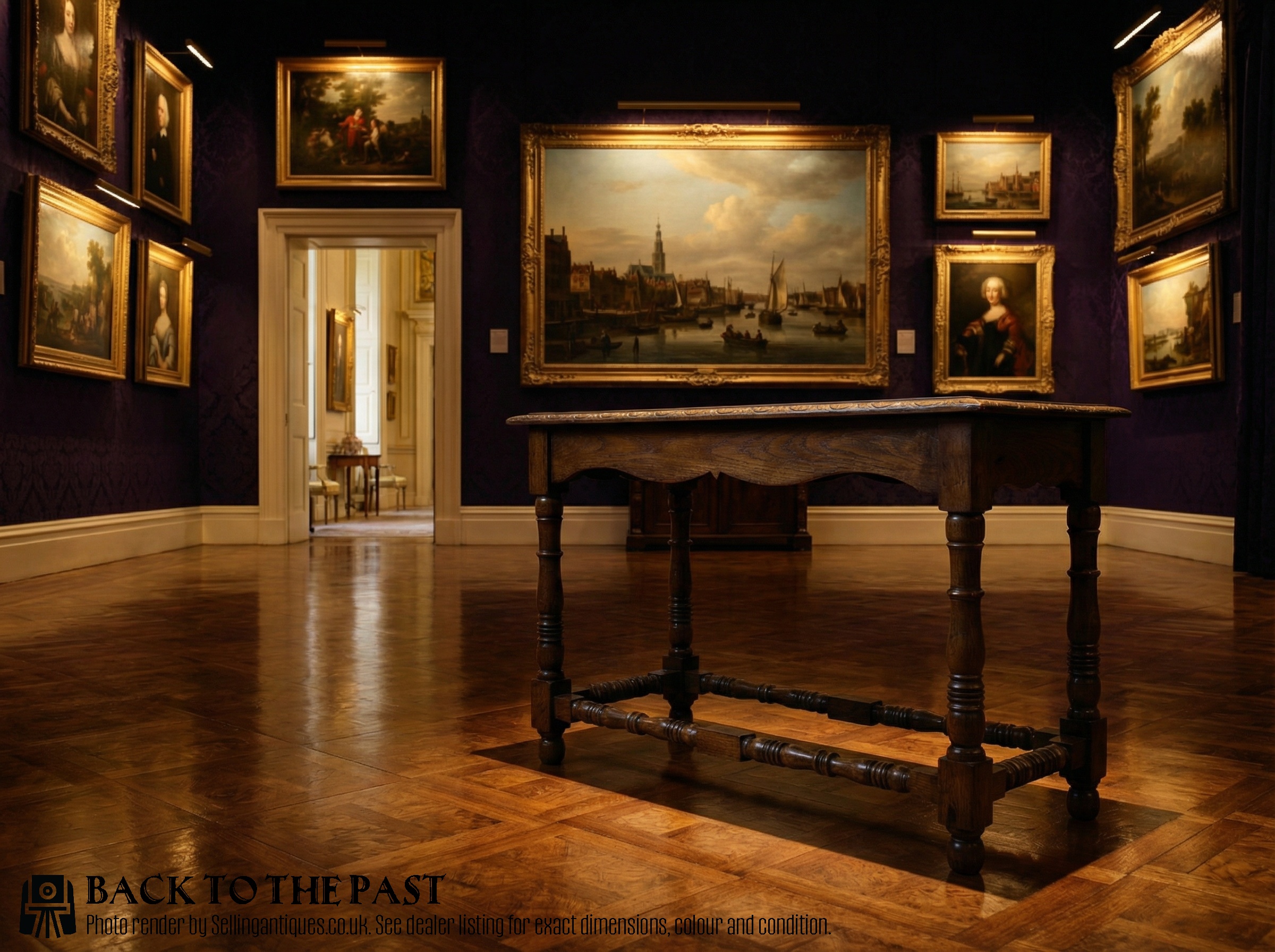
Warm Brown Hall Table
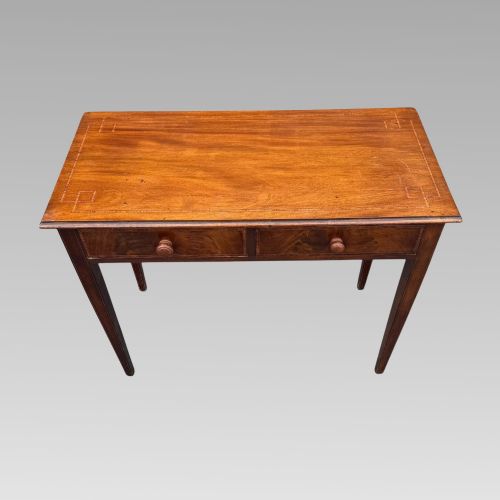
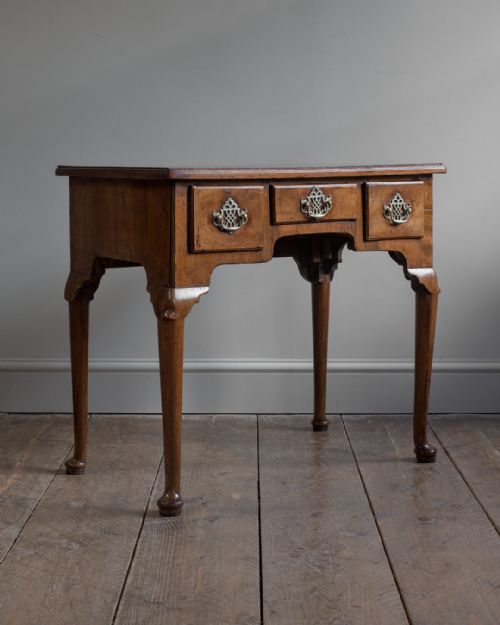
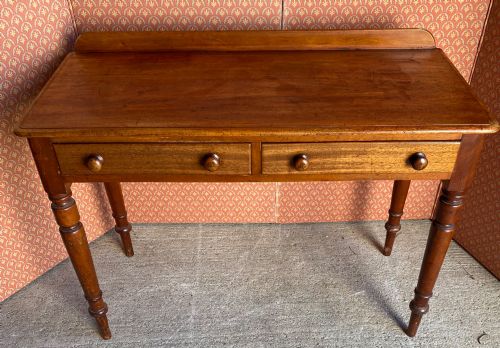
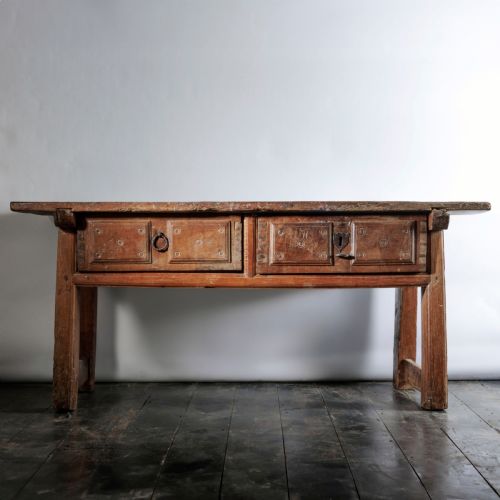
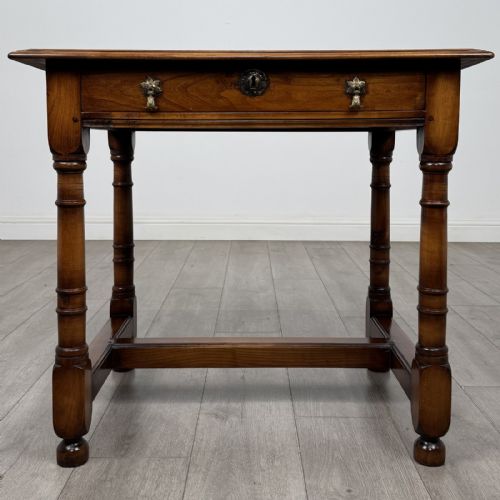
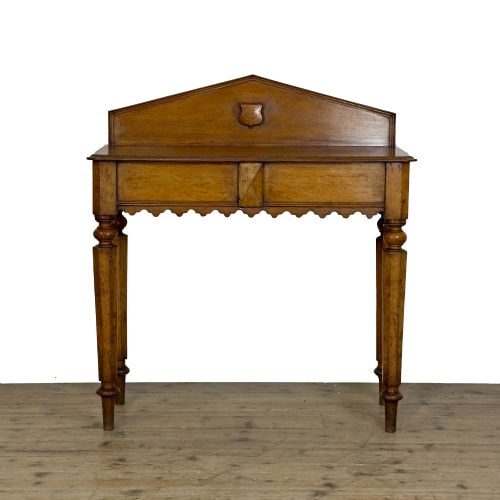
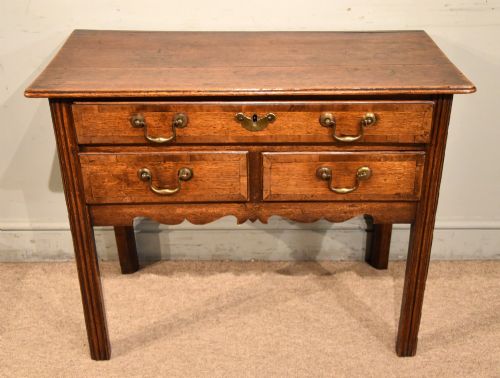
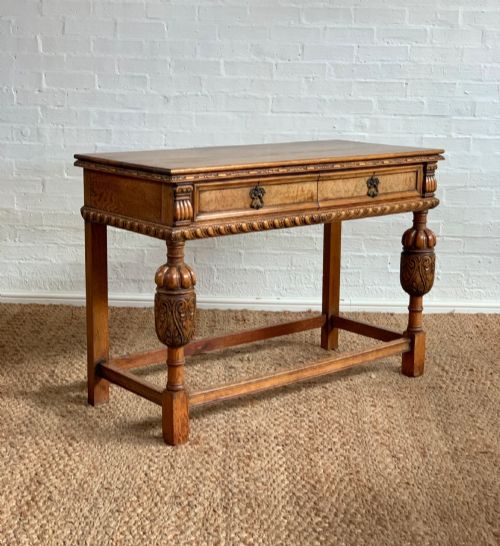
A warm brown hall table appears primarily as a console table or side table designed for narrow spaces like hallways and landings. These pieces surface across several eras, including Victorian examples alongside items from the 1860s, 1870, 1920, and 1930.
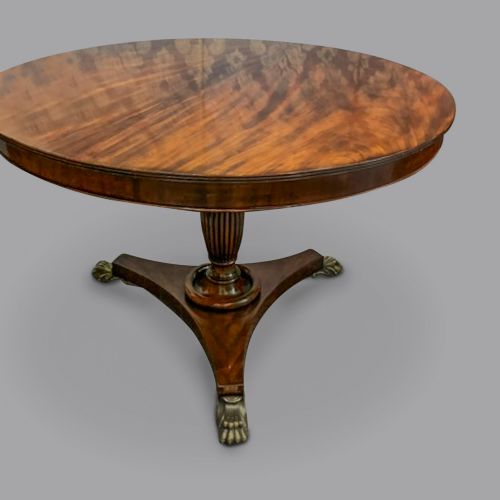
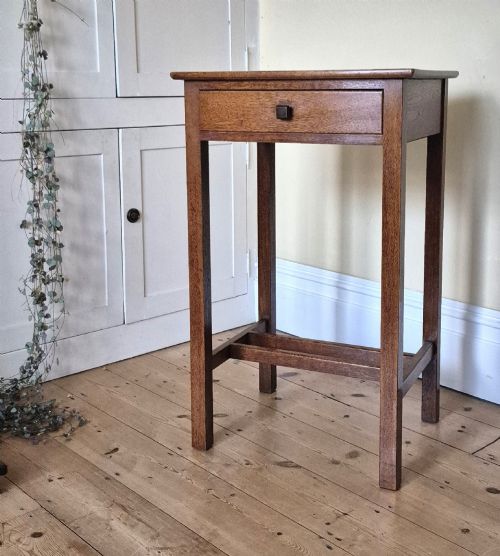
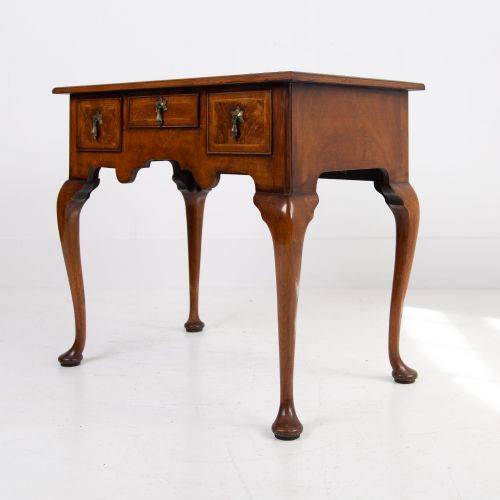
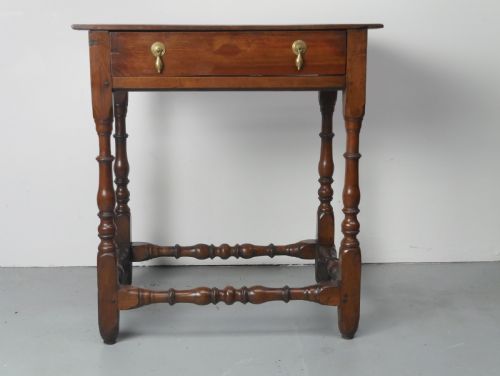
The assortment on this page includes French Empire walnut pieces, demi-lune side tables, and two-drawer cherrywood console tables. Oak and mahogany versions also appear, alongside William IV fold-over tables and French country or provincial designs.
Buyers seeking a warm brown hall table will find that console tables dominate the selection, often featuring rich timber grains in walnut, cherrywood, and mahogany.
How they were made
Cabinetmakers constructed these tables using a variety of traditional timbers, most notably walnut, cherrywood, mahogany, and oak. Detail work occasionally incorporates boxwood and brass fittings to accent the primary wood.
Construction methods vary from two-drawer cherrywood configurations to fold-over mahogany mechanisms and demi-lune shapes. Joinery relies on period woodworking techniques suited to each style, from French Empire to Jacobean Revival.
Warm Brown Hall Table Retail Price Guide 2026
Typical asking prices for warm brown hall table among the pieces listed under this phrase on Sellingantiques today, from the lower quarter to the upper quarter. They describe what is for sale here now, not the wider market.
Listings span the Victorian era, the 1860s, 1870, 1920, and 1930, utilising walnut, cherrywood, mahogany, oak, boxwood, and brass.
What varies in quality
Quality rests in the choice of timber and the depth of the finish, where rich walnut, figured mahogany, and patinated cherrywood elevate the visual impact of the piece. Finer examples display careful timber selection for prominent surfaces such as console tops and fold-over leaves.
Design complexity and hardware integration also set pieces apart, moving from simpler oak tables to elaborate French Empire console tables with distinct period detailing. The sophistication of the form, whether demi-lune or multi-drawer, determines the standing of the table within its style.
The Warm Brown Hall Table Glossary
- Console table
- A table designed to stand against a wall, frequently used in hallways or entrance spaces. These pieces often feature shallow depths to fit narrow corridors.
- Demi-lune
- A half-moon shape characteristic of certain side and console tables. This curved profile allows the table to sit flush against a wall while saving floor space.
- Fold-over table
- A table with a hinged top that unfolds to double the surface area. This mechanism appears on William IV mahogany pieces.
- French Empire
- A neoclassical design style emerging from early nineteenth-century France. Walnut console tables often display characteristics of this influential aesthetic.
- Patina
- The surface sheen and coloration developed by aged wood over decades of use. This quality distinguishes older timber from modern finishes.
Warm Brown Hall Table: Frequently Asked Questions
Where should I place a console table?
A console table fits naturally in a hallway, entryway, or narrow passage where floor space is limited. Its shallow depth allows it to sit flat against a wall without obstructing movement.
These tables also function well in living rooms or dining spaces as side or serving surfaces, depending on the specific form.
How do I identify a Victorian table?
Victorian tables date from the nineteenth century and often employ dark, dense timbers like mahogany. They frequently showcase robust construction and traditional period forms.
Examining the secondary woods and construction methods helps confirm the nineteenth-century origin.
What is a fold-over table used for?
A fold-over table provides a compact surface that expands when needed by unfolding the hinged top. This clever mechanism allows a smaller console to transform into a larger table.
William IV examples demonstrate this practical design feature for entertaining or extra surface space.