




Antique Fold Over Desk
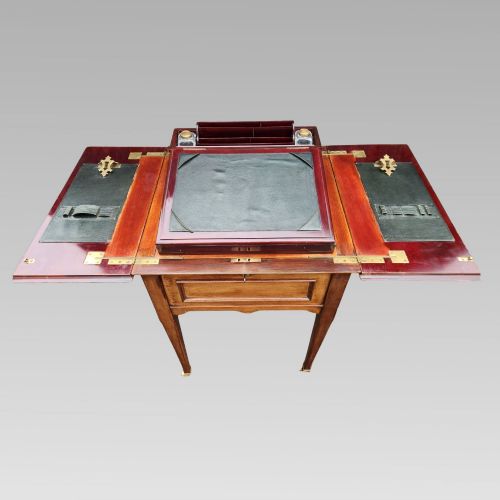
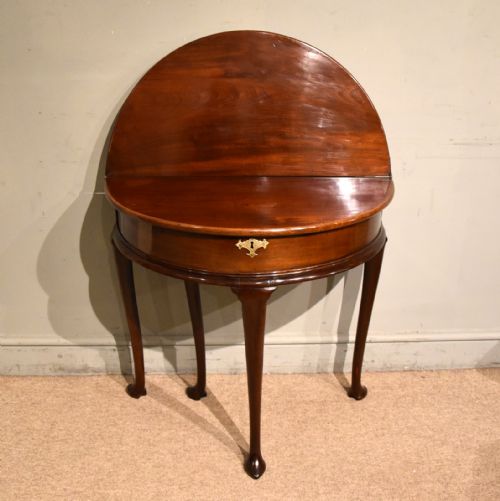
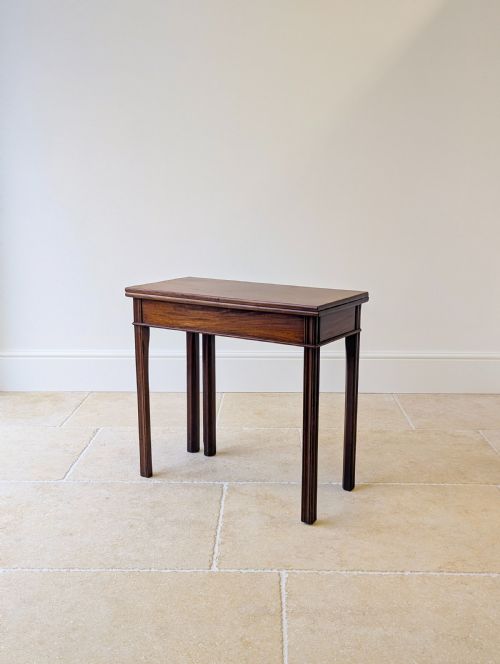
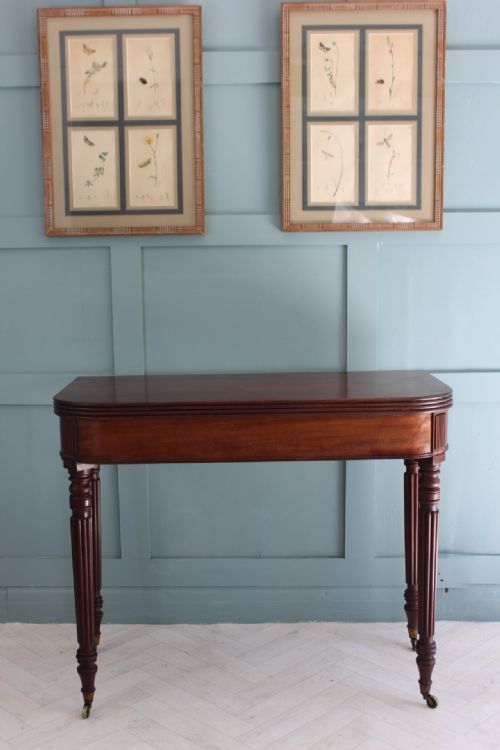
An antique fold over desk or table offers dual utility and refined surface space, perfect for period interiors requiring adaptable furniture.
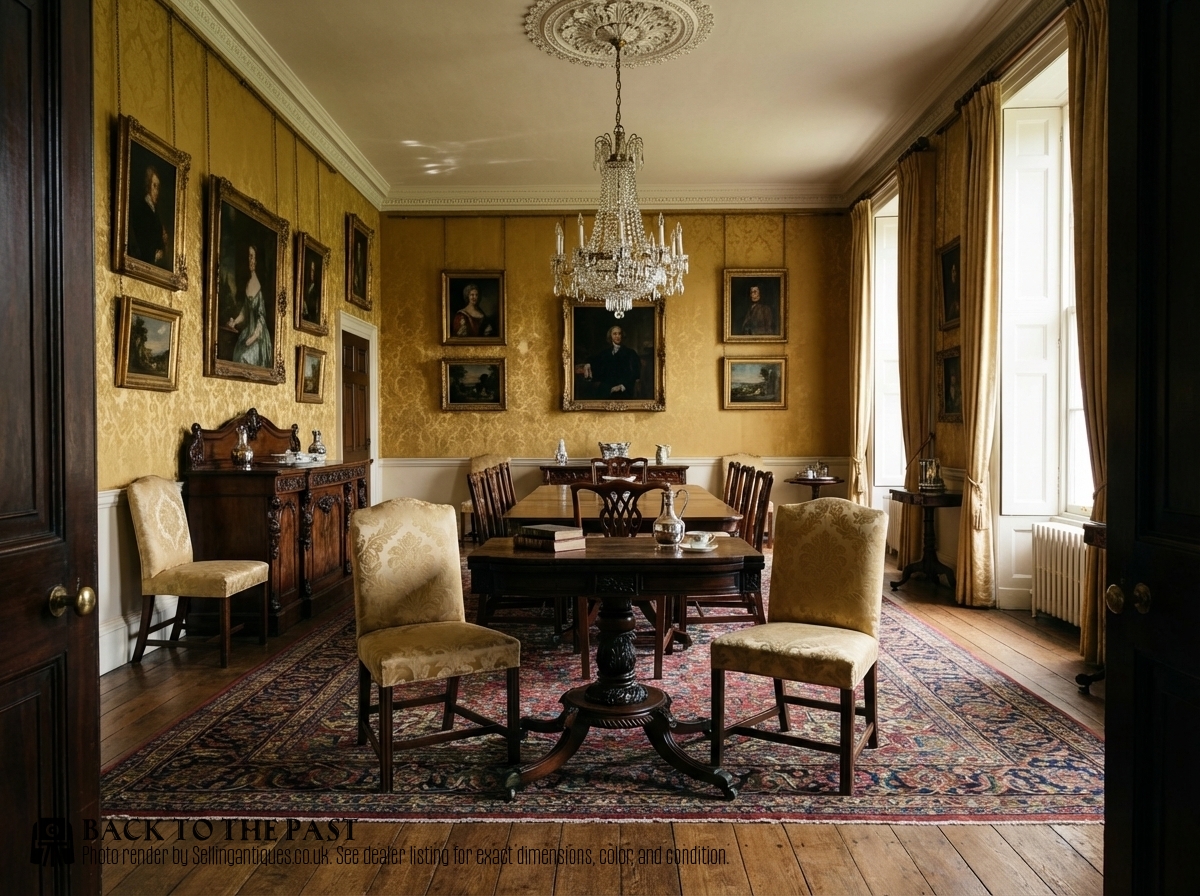
What an antique fold over desk or table is
When you search for an antique fold over desk or table, you are examining a diverse group of adaptable surfaces including card tables, games tables, console tables, and tea tables. These forms date from the Georgian period through the Victorian era and into the early twentieth century.
You are most likely to encounter mahogany and walnut card tables originating from Georgian, Regency, and Victorian workshops. These examples feature hinged leaves that open to reveal baize-lined playing surfaces or extended writing areas.
The selection ranges from early Georgian mahogany games tables from seventeen-fifty to Dutch marquetry and French marquetry inlaid pieces. Each item demonstrates the historical shift from purely social gaming and tea consumption to multi-purpose domestic use.
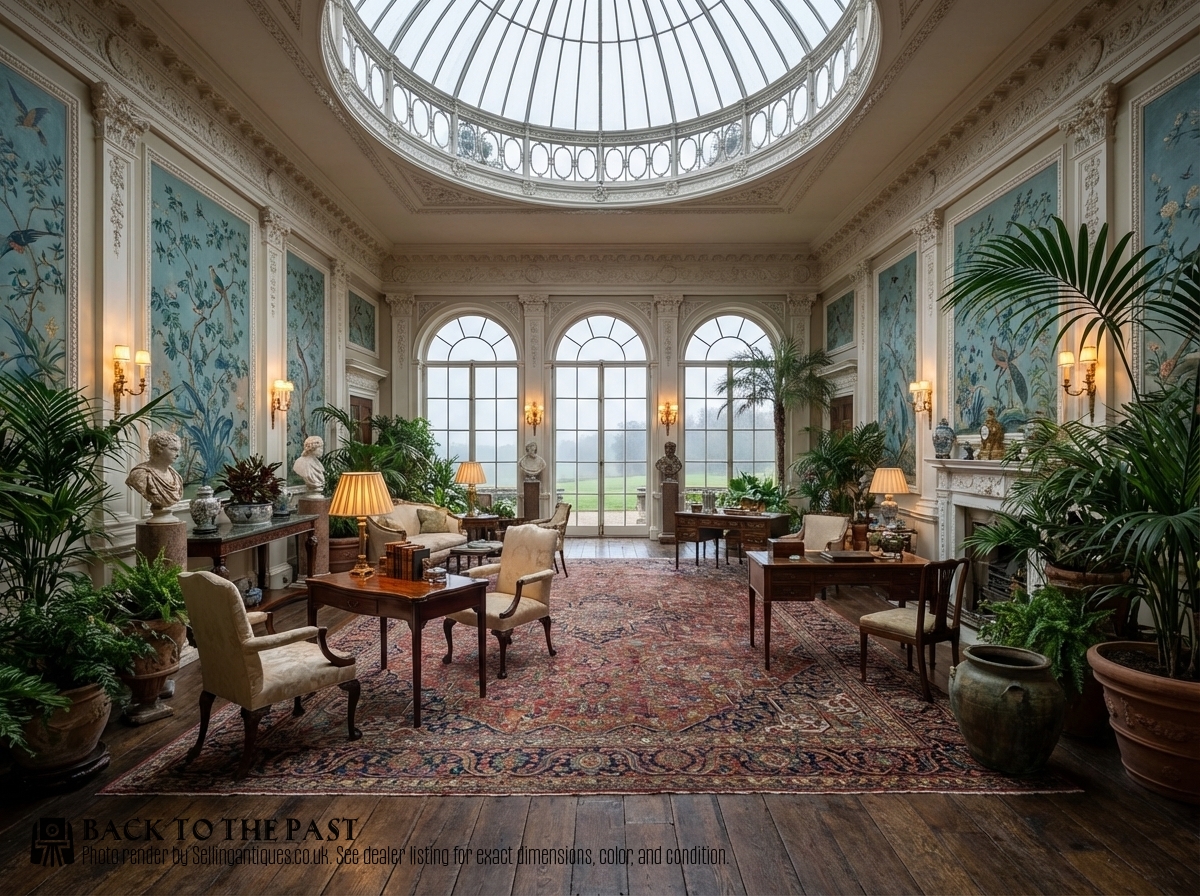
Materials and construction
Cabinet makers utilised dense timber stocks such as mahogany, walnut, burr walnut, fruitwood, and kingwood for stability and rich figuring. Surfaces often incorporate satinwood inlay, marquetry, and gilt bronze mounts to elevate the visual detail.
Construction relies on sturdy timber frames supporting rotating or hinged tops that swivel or fold to rest upon pivoting rear legs. Brass hinges and operational mechanisms allow the double-flap surfaces to open smoothly.
Retail Price Guide 2026
Typical UK retail prices for fold over desk, calculated from the Sellingantiques database of over a million retail prices indexed since 2003. This retail price guide relies exclusively on Sellingantiques data; no external sources or auction records are used, so the figures do not describe the wider market.
Materials represented across the current selection include solid mahogany, walnut, burr walnut, fruitwood, kingwood, satinwood inlay, brass, and gilt bronze.
What separates the best from the rest
Quality rests in the choice of timber veneer, such as highly figured burr walnut against plain plain grains, and the precision of satinwood inlay or marquetry. The crispness of carved mahogany details separates standard production from superior cabinet work.
Proportion and structural integrity define the higher end of the range, where hinges fit flush and timber movement is successfully controlled by traditional joinery. Finer pieces maintain balanced proportions whether closed as console tables or open as games tables.
The Antique Fold Over Desk Glossary
- Card table
- A specialist table with a folding top designed to save space when not in use for evening card games. These surfaces are frequently lined with green baize.
- Marquetry
- The art of applying decorative veneer pieces in various woods to form geometric or floral patterns. Dutch and French makers applied this technique extensively.
- Regency
- A British design period spanning the early nineteenth century defined by classical restraint and architectural influence. Pieces from this era often feature carved mahogany.
Frequently Asked Questions
What is a fold over desk used for?
These pieces functioned historically as gaming tables for cards or tea tables in formal reception rooms. Today they serve equally well as compact console tables that open up when extra surface area is required.
Their dual nature makes them practical for modern living spaces where traditional furniture must adapt to multiple daily uses without dominating a room.
How do I date an antique table?
Dating relies on identifying the primary timber, secondary woods, hardware, and stylistic markers such as Georgian proportions or Victorian revival carvings. Examining the construction of the hinge mechanism and timber joints provides further chronological clues.
Comparing the specific marquetry or inlay style against known historical periods helps narrow down the decade of manufacture.
Are these tables sturdy when opened?
Well-constructed tables utilise a pivoting fifth leg or a swing-out rear leg frame to support the opened leaf securely. The internal pivot mechanisms distribute weight evenly across the apron and legs.
Original brass hinges and solid timber framing ensure the extended leaf remains level and stable during use.
What woods were commonly used?
Mahogany and walnut form the foundation of the majority of British pieces, selected for their structural strength and deep colouration. Exotic accents such as satinwood, kingwood, and fruitwood appear in decorative inlay.
Burr walnut provides exceptionally rich patterning on table tops, particularly in nineteenth-century examples.