

Antique Pedestal Tea Table
These antique pedestal tea table pieces offer the classic pillar-and-base form that collectors seek for versatile placement.
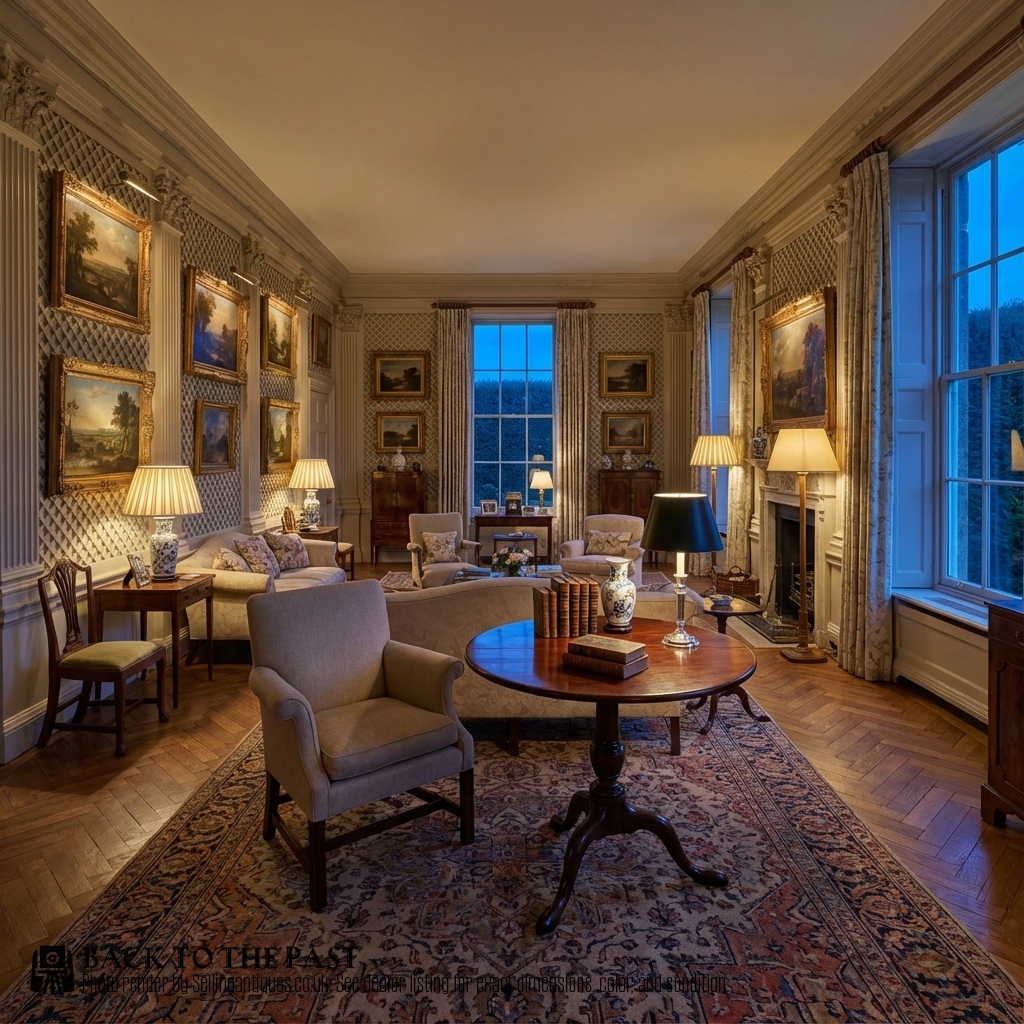
Antique Pedestal Tea Table
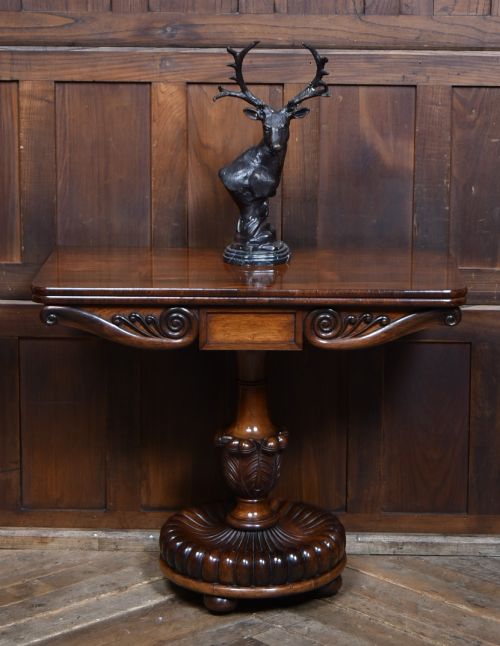
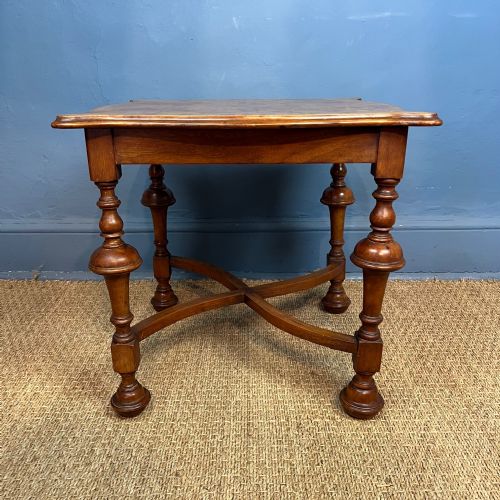
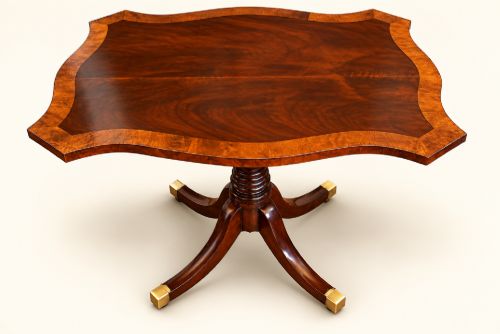
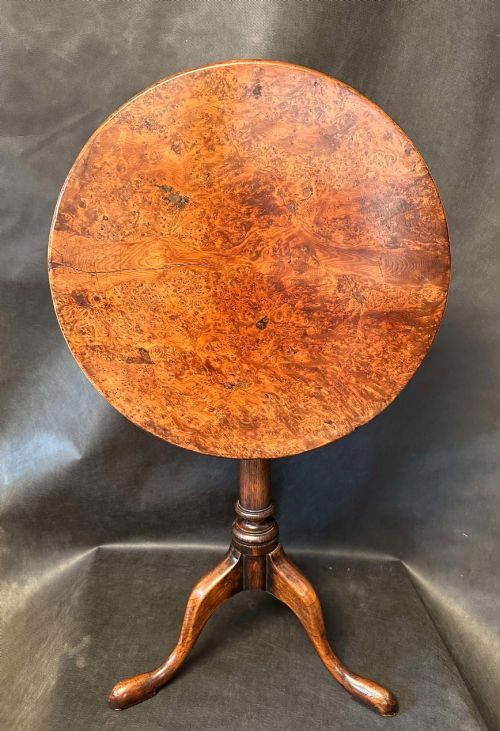
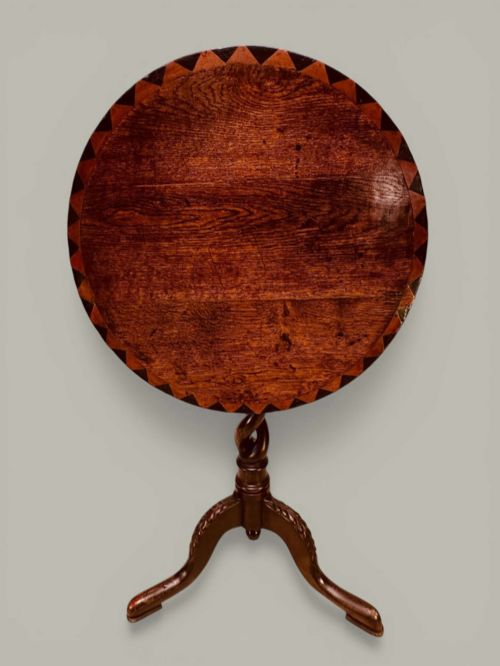
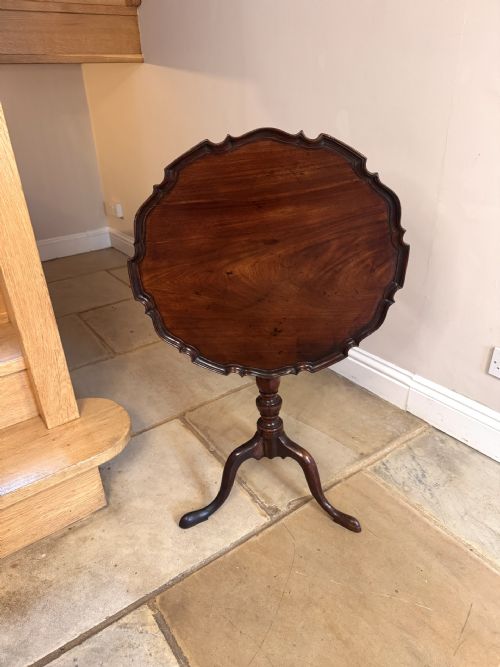
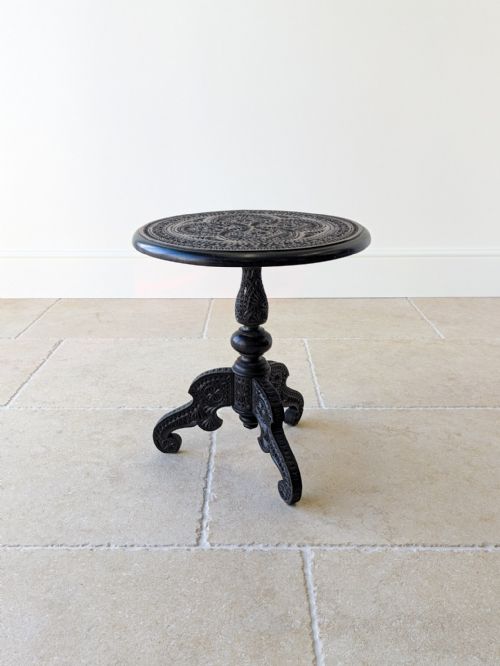
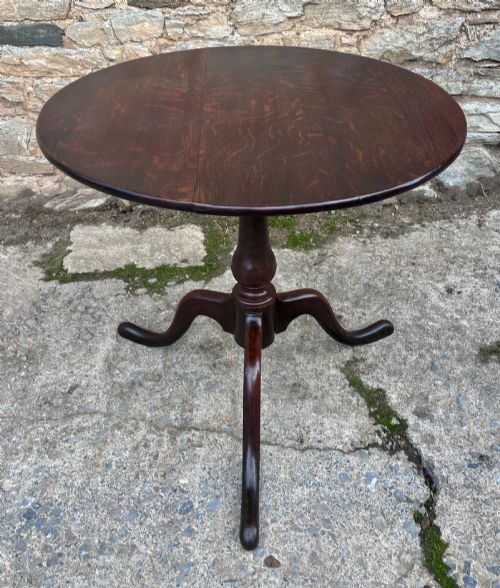
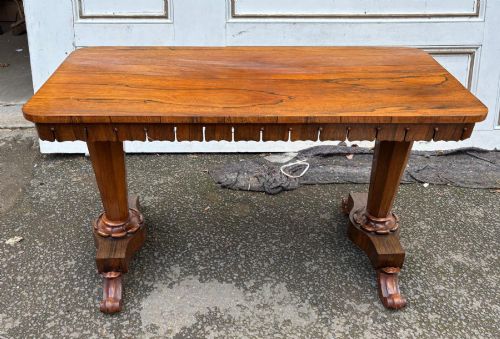
An antique pedestal tea table centres on a central support column, appearing in forms such as card tables, tilt-top tables, and teapoys. The pieces span Georgian, Regency, William IV, and Victorian periods.
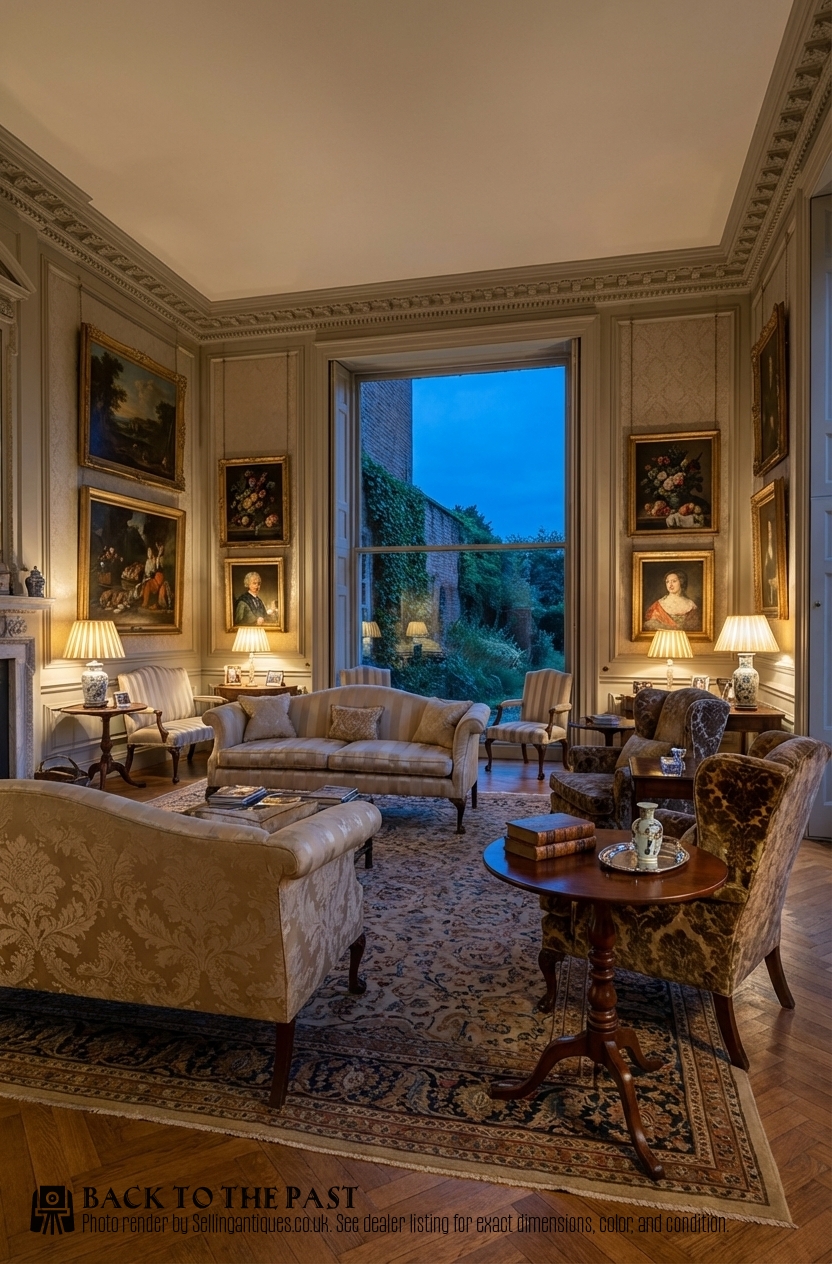
How they were made
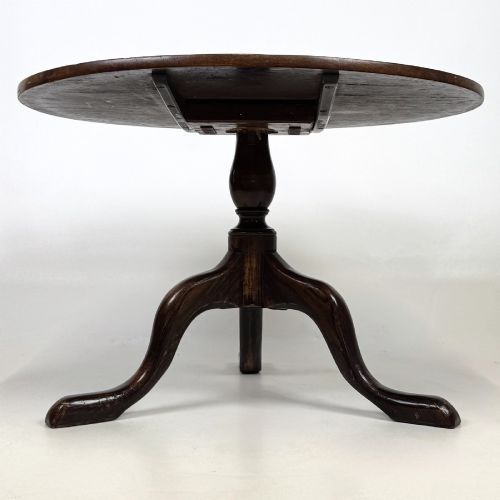
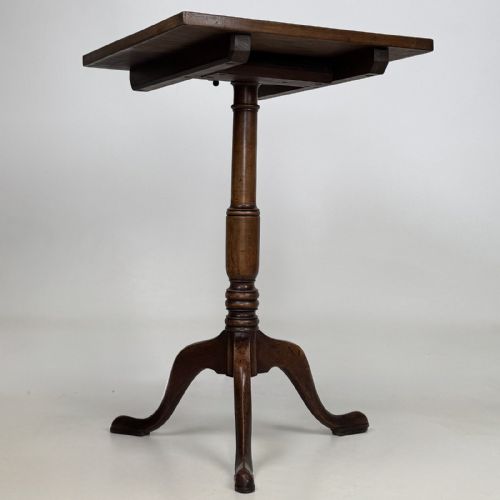
Cabinet makers constructed these tables using solid and figured timbers, applying brass elements for decorative feet and castors. Tilt-top mechanisms and bird-cage supports allowed tops to pivot or fold down when not in use.
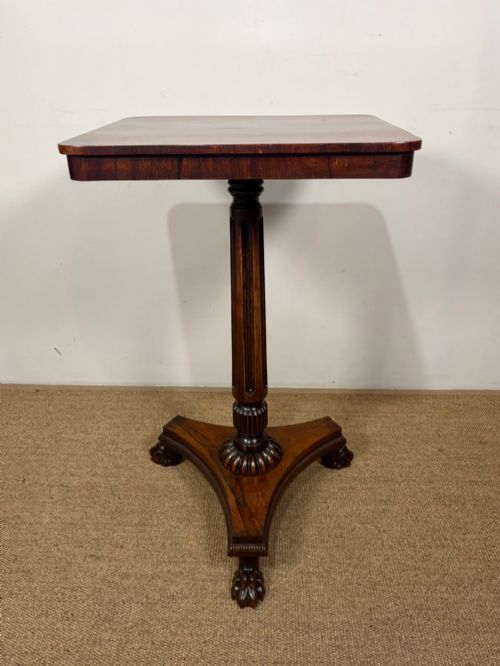
Carved details appear on pedestals and feet, showcasing the woodworking techniques of the nineteenth and late eighteenth centuries. Surfaces display polished mahogany and rosewood veneers matched with sturdy internal framing.
Antique Pedestal Tea Table Retail Price Guide 2026
Typical asking prices for pedestal tea table among the pieces listed under this phrase on Sellingantiques today, from the lower quarter to the upper quarter. They describe what is for sale here now, not the wider market.
The listings show pieces spanning the Georgian, Regency, William IV, and Victorian periods, constructed from mahogany, rosewood, walnut, and brass.
What varies in quality
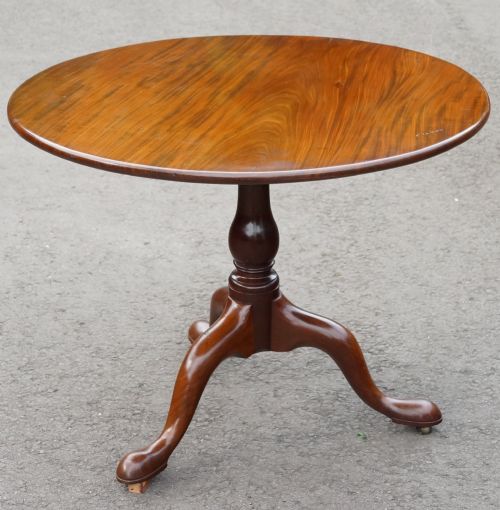
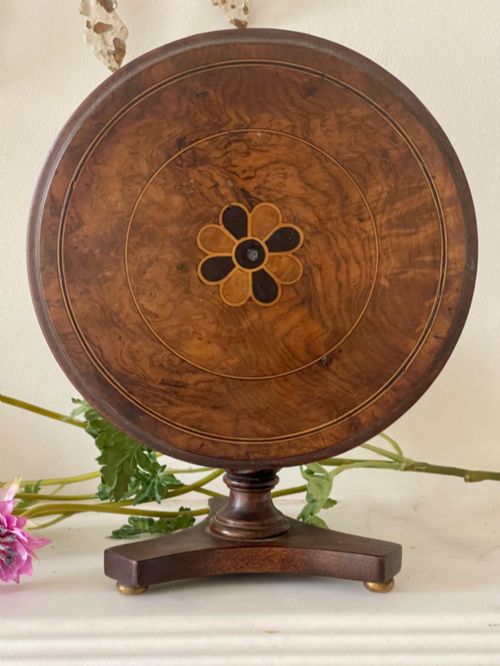
The choice of timber grain defines the visual merit, with highly figured mahogany and rosewood marking the finer examples. Subtlety of hand-carved details on the pedestal and feet distinguishes superior workshop production.
The engineering of folding mechanisms, tilt tops, and bird-cage supports determines the mechanical integrity. Well-fitted hinges and stable central columns separate robust period pieces from simpler utility items.
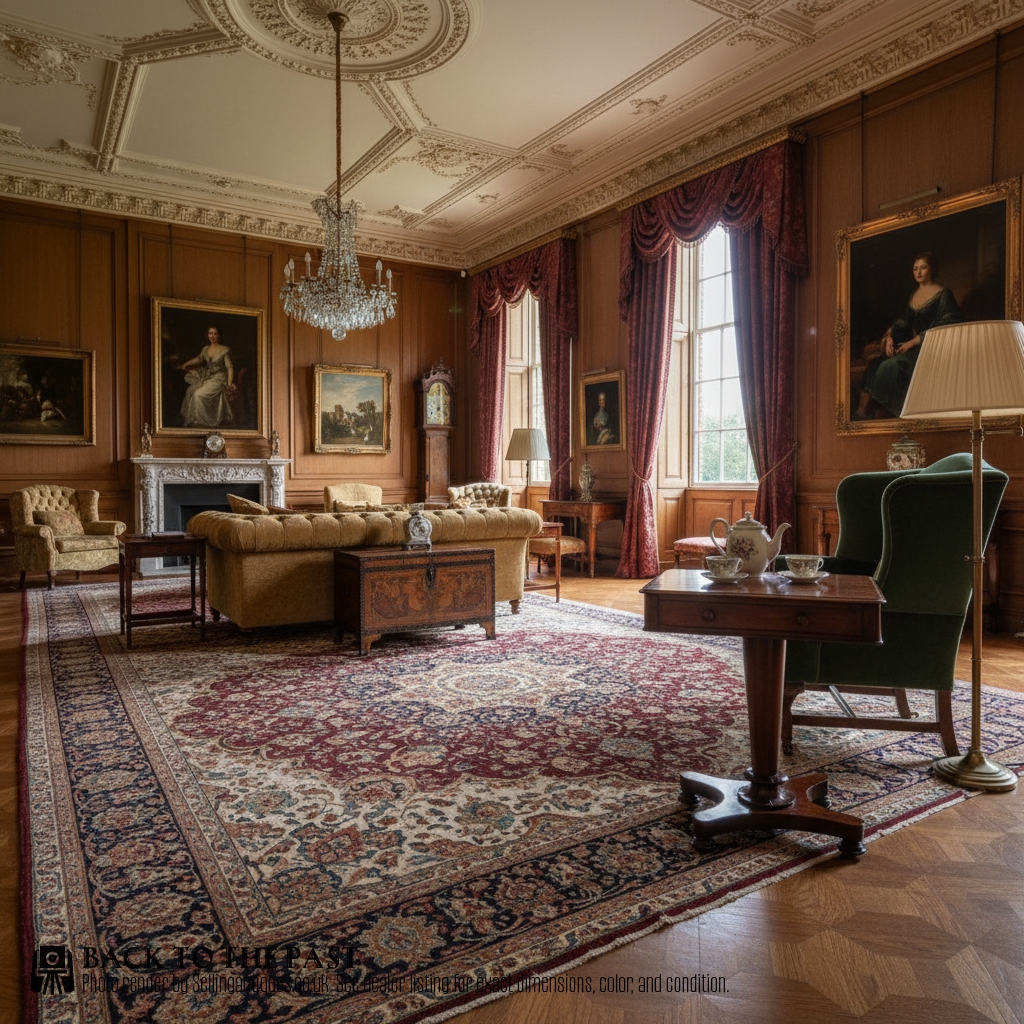
The Antique Pedestal Tea Table Glossary
- Tilt top
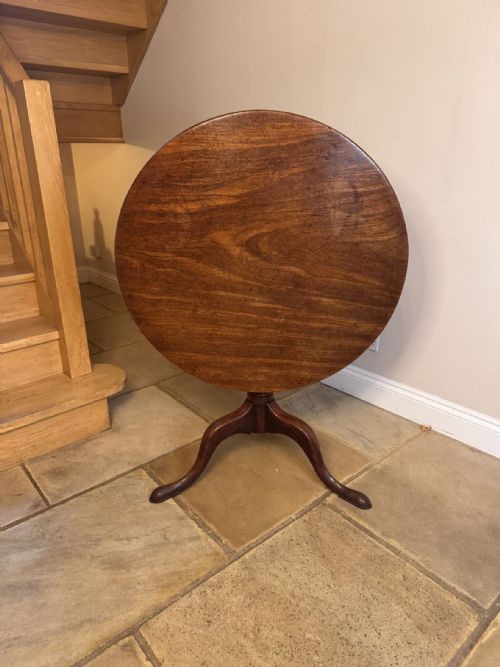
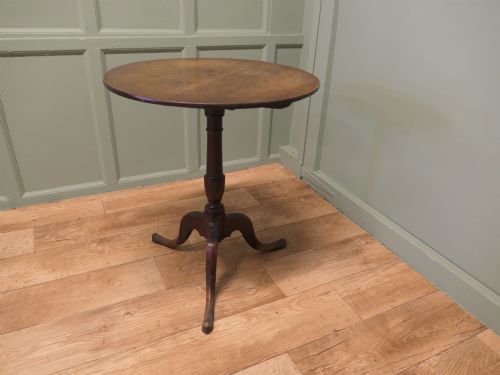
- A tabletop hinged to a central pillar that tips vertically to save space when not in use. This mechanism requires careful adjustment to remain stable.
- Teapoy
- A small pedestal table or box designed specifically to hold tea caddies and blending equipment. These often feature internal compartments.
- Bird-cage
- A rotating wooden framework beneath a tilt top that allows the table surface to turn in multiple directions. It sits atop the central pedestal column.
- Figured mahogany
- Timber selected for its swirling grain patterns and deep chatoyancy, highly prized by period cabinet makers. It adds distinct visual texture to the tabletop.
Antique Pedestal Tea Table: Frequently Asked Questions
What is an antique pedestal tea table used for?
These tables function as versatile occasional furniture, serving as card tables, gaming surfaces, or display stands. Their folding and tilting tops allowed historical households to reclaim room space easily.
Today, they suit living spaces as side tables or bedside surfaces where compact footprint and period character matter.
How do I tell Regency from Victorian tables?
Regency pieces often display restrained classical lines, brass inlay, and rosewood veneers dating from the early decades of the nineteenth century. Victorian examples tend toward heavier proportions and darker finishes.
Examining the turning of the pedestal and the detailing of the feet helps clarify the period of manufacture.
What is a bird-cage support?
A bird-cage is a clever wooden pivot assembly mounted between the tabletop and the central pillar. It allows the surface to tilt and rotate independently.
This mechanism appears on better quality tilt-top tables from the Georgian and William IV eras.
Are these tables sturdy enough for daily use?
Solid mahogany and rosewood construction provides robust durability for everyday placement in a modern home. Central pillar designs distribute weight effectively over tripod or platform feet.
Care should be taken with folding hinges and tilt mechanisms to preserve the historical joints.