

Antique Tea Storage Box
An antique tea storage box kept precious leaves safe under lock and key, combining fine cabinetmaking with domestic ritual.
Antique Tea Storage Box
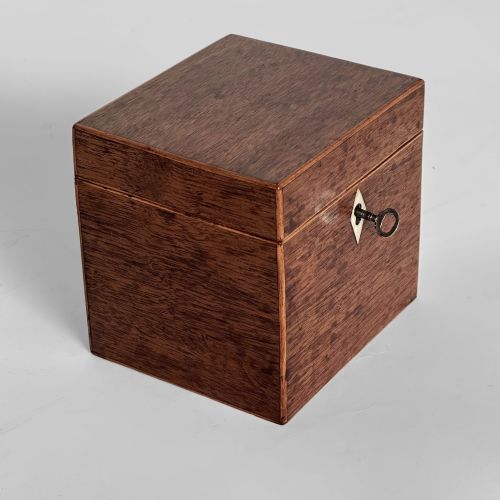
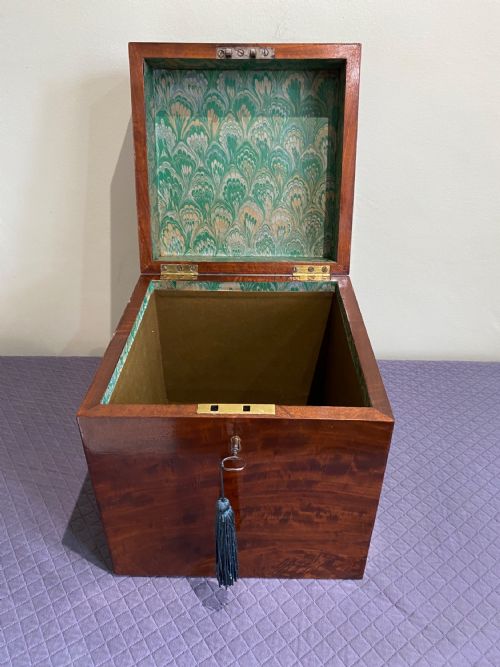
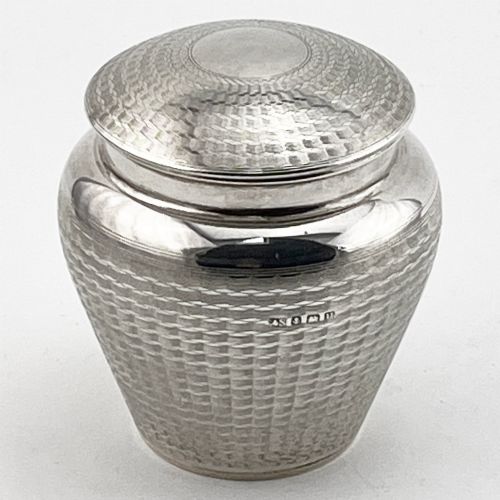
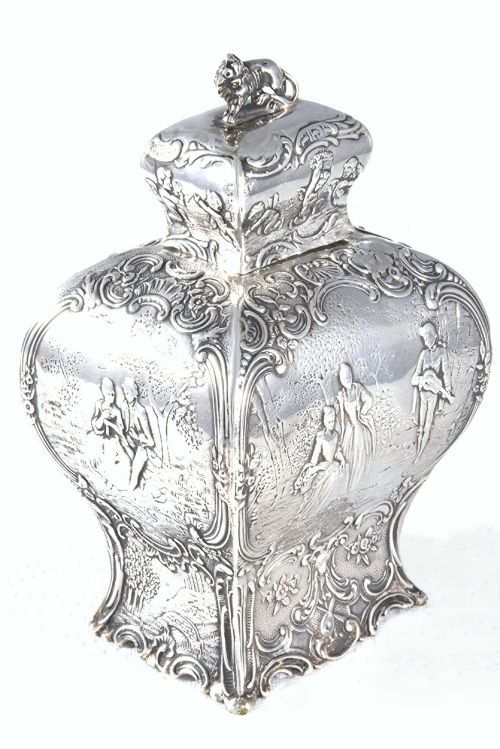
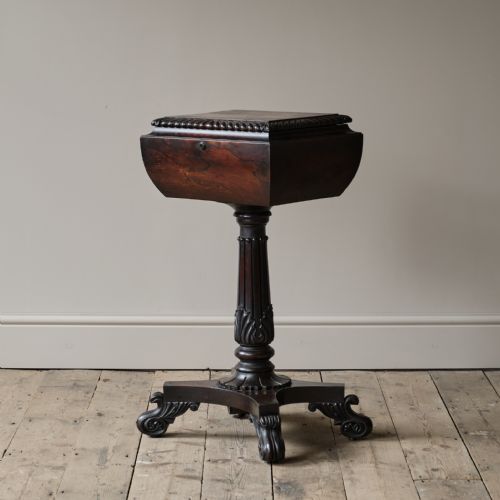
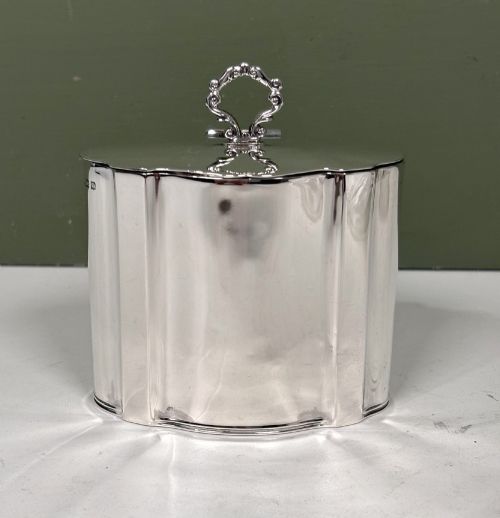
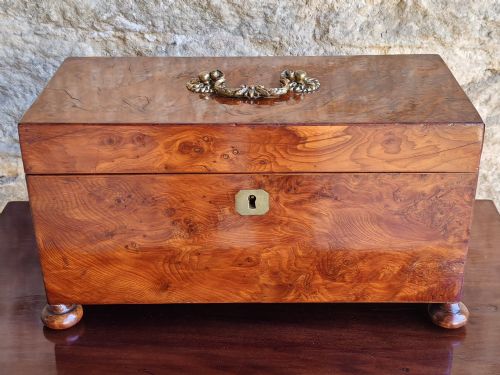
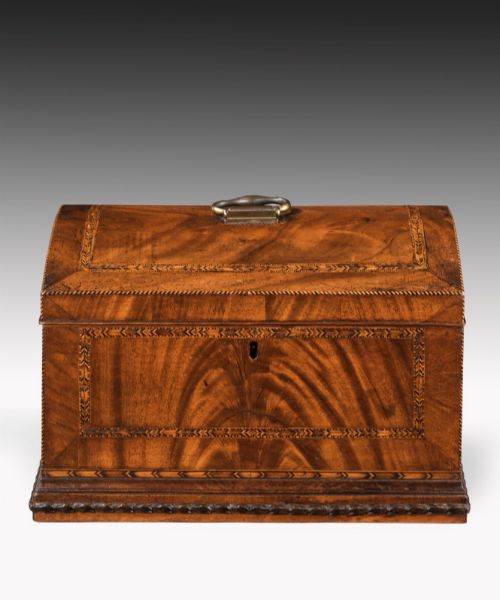
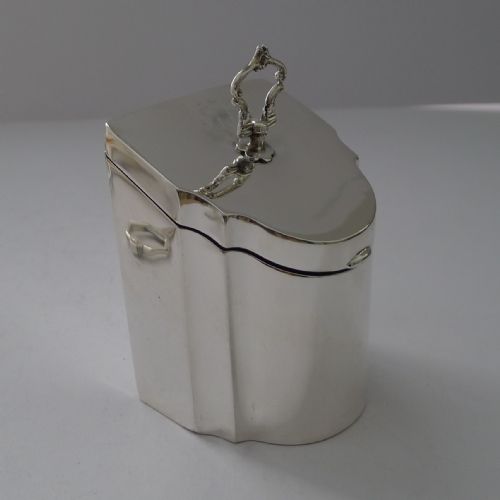
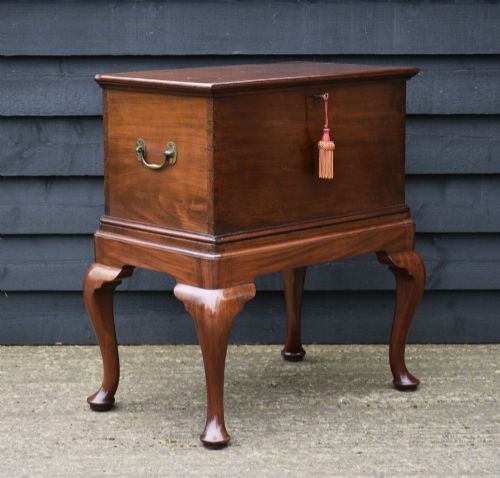
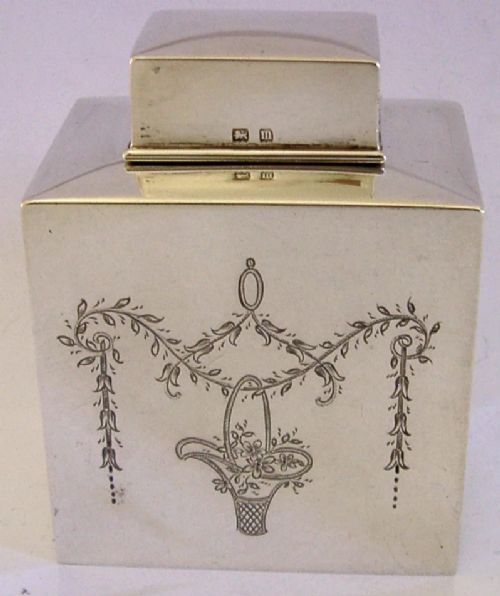
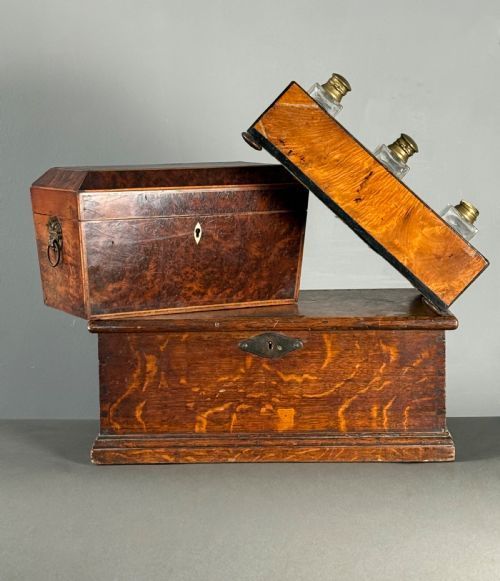
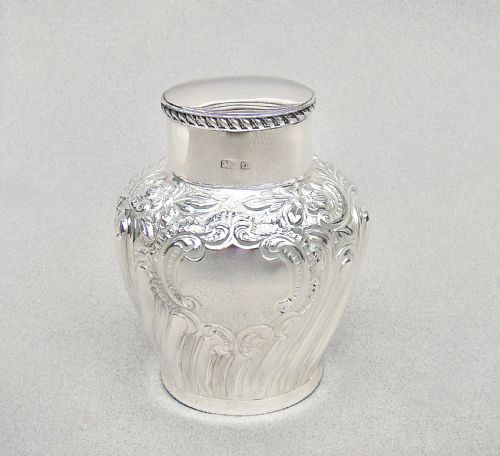
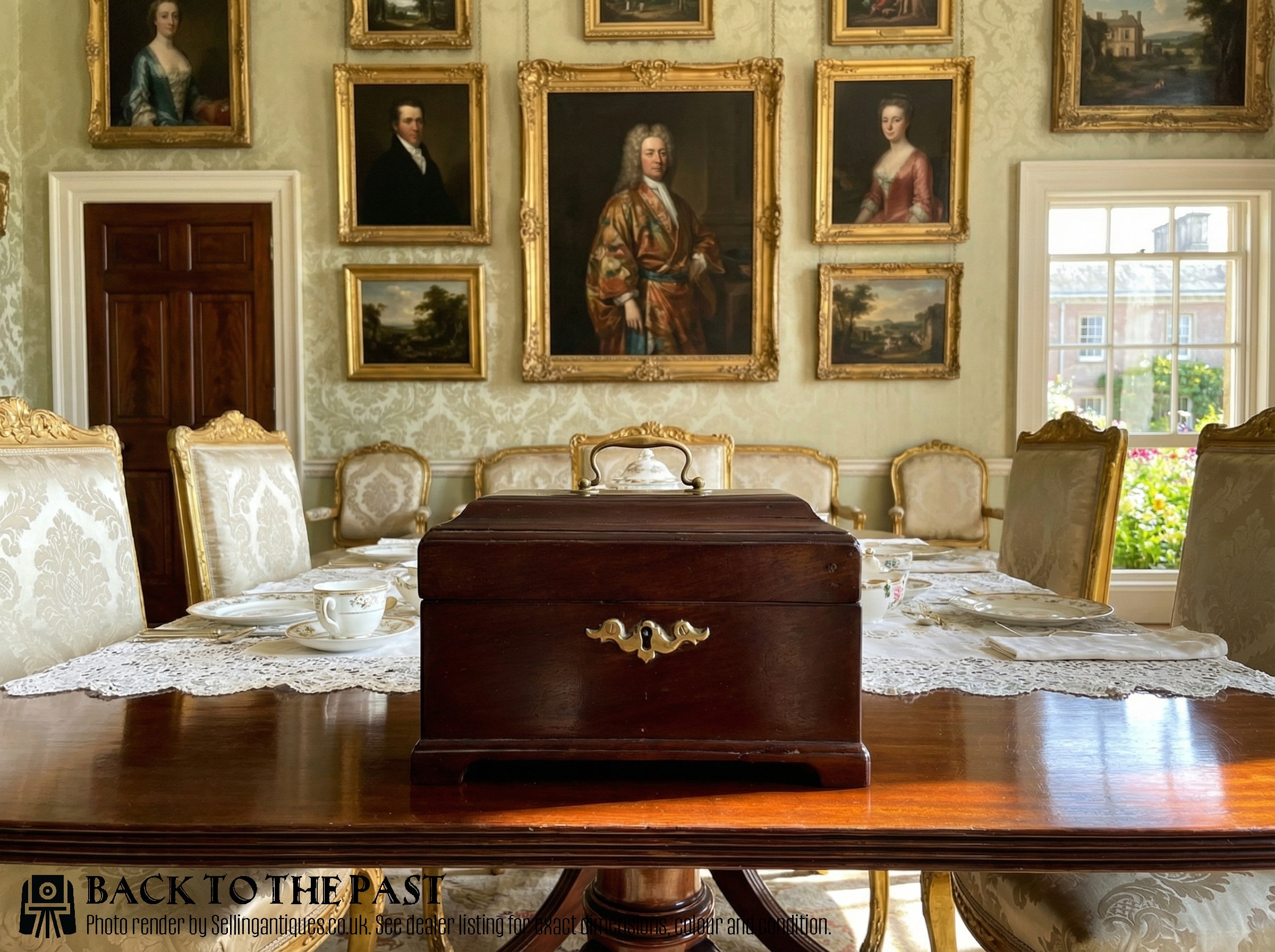
An antique tea storage box appears primarily in forms such as tea caddies, teapoys, and decorative chests dating from the eighteenth century through to the Edwardian period. Buyers encounter wooden examples shaped as sarcophagi, cubes, or domed caddies alongside metal canisters and silver vessels.
The material selection ranges from native timbers like mahogany, walnut, and yew to exotic rosewood, satinwood, and tortoiseshell, frequently complemented by brass hardware. Many iterations include internal compartments or original glass mixing bowls.
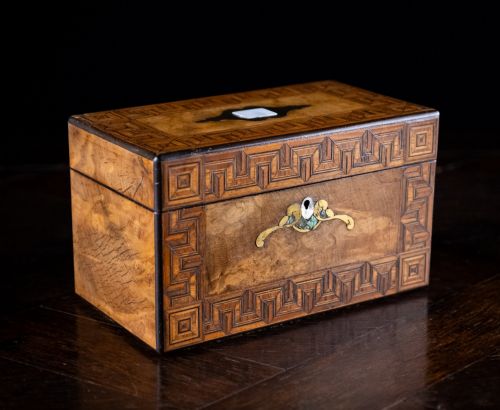
Makers utilised decorative techniques including parquetry, mother-of-pearl inlay, bone details, and star motifs to elevate these domestic storage pieces into status objects for the parlour.
How they were made
Cabinetmakers constructed wooden boxes using dense hardwoods such as mahogany, rosewood, and yew, often applying fine veneers or burr cuts to display rich grain patterns. Timber sections joined tightly to protect dry leaves from dampness and air.
Metals including sterling silver, brass, and silver plate formed solid caddies or provided structural mounts like lion mask handles, locks, and hinges. Artisans shaped these metals through casting, hammering, and engraving.
Surface ornamentation involved intricate inlay work using mother-of-pearl, bone, boxwood, and ebony stringing, alongside papier-mâché finished with painted lacquer.
Antique Tea Storage Box Retail Price Guide 2026
Typical asking prices for tea storage box among the pieces listed under this phrase on Sellingantiques today, from the lower quarter to the upper quarter. They describe what is for sale here now, not the wider market.
Listings feature mahogany, rosewood, satinwood, and tortoiseshell tea storage boxes spanning the eighteenth to early twentieth centuries.
What varies in quality
The calibre of an antique tea storage box depends upon the precision of its construction and the selection of timber figures, such as burr yew or figured rosewood. Superior examples exhibit seamless veneer matching and sophisticated internal arrangements.
The intricacy of decorative elements dictates the tier of the piece, distinguishing plain mahogany boxes from elaborately inlaid specimens featuring parquetry, mother-of-pearl, and specialised hardware. Retaining original interior components like mixing bowls or fitted canisters elevates the standing of the object.
Thomas Hayes·Mappin & Webb·William Hutton & Sons Ltd
The Antique Tea Storage Box Glossary
- Tea caddy
- A small box or chest designed to store dry tea leaves securely. These containers often featured internal lids and locks.
- Teapoy
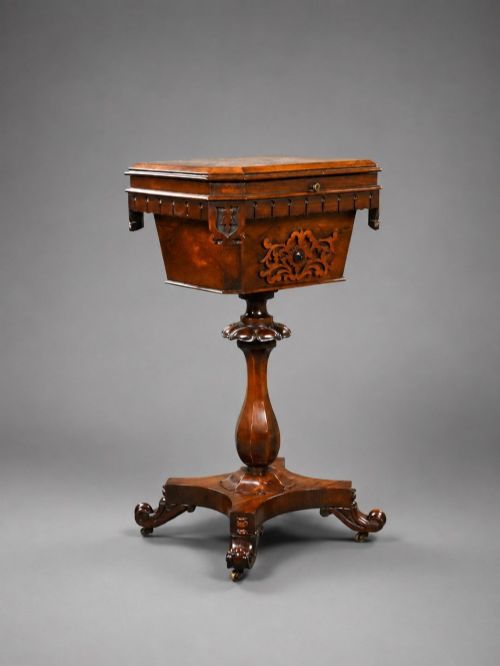
- A pedestal table fitted with a storage box on top for holding tea. They emerged during the Georgian and Regency periods.
- Parquetry
- A geometric mosaic of wood pieces used for surface decoration on boxes and furniture. This technique displays contrasting timber tones.
- Sarcophagus
- A coffin-like container shape with a domed or sloping lid popular during the Regency era. Many fine tea boxes adopted this silhouette.
Antique Tea Storage Box: Frequently Asked Questions
What were tea caddies used for?
Tea was an expensive commodity in the eighteenth and nineteenth centuries, requiring secure storage to prevent theft and preserve flavour.
Servants or homeowners kept the leaves locked inside these dedicated boxes, bringing them to the table only when preparing a brew.
How do I identify a Regency tea box?
Regency pieces often feature architectural forms such as sarcophagus shapes, heavy brass lion mask handles, and rich rosewood or burr yew veneers.
Cabinetmakers of this era favoured bold grain patterns and geometric brass stringing over earlier carved decoration.
Did these boxes hold loose tea?
Most interiors contained internal lidded compartments to separate different varieties of tea leaves, such as green and black teas.
Some examples also housed a central glass bowl used for blending leaves before steeping.
How do I care for antique wood boxes?
Keep wooden caddies away from direct sunlight and sudden temperature shifts to prevent timber splitting and veneer lifting.
Maintain a stable indoor environment and dust gently with a dry cloth rather than applying modern liquid polishes.