
Antique Wooden Caddy Box
These antique wooden caddy box pieces are utilitarian containers designed for preserving costly dry leaves, surviving today as polished receptacles for keepsakes.
Antique Wooden Caddy Box
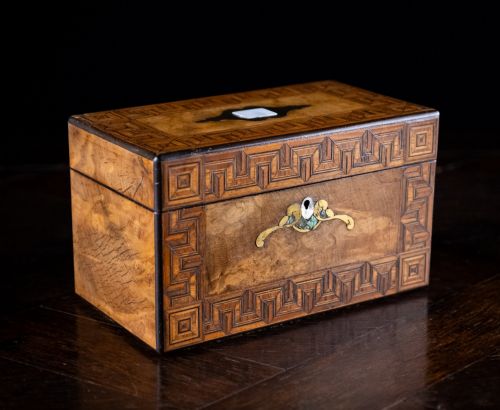
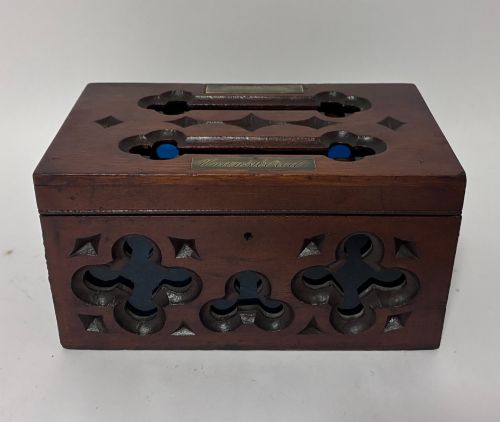
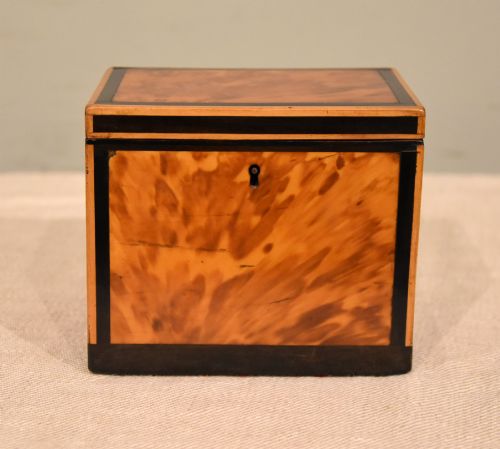
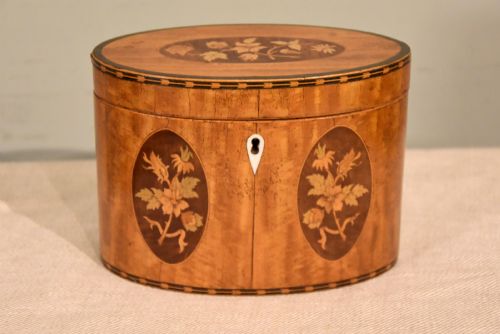
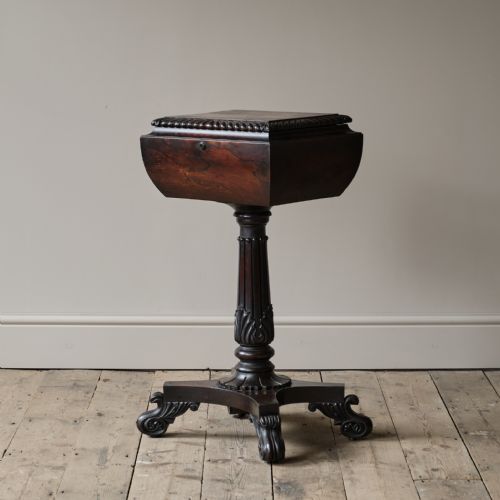
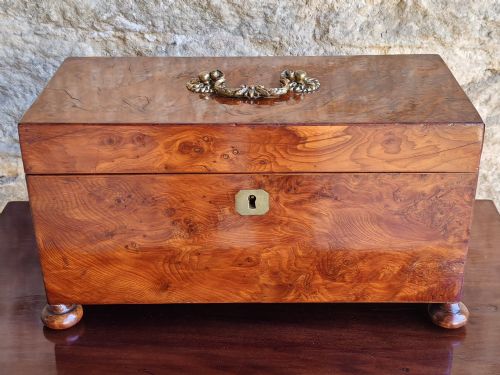
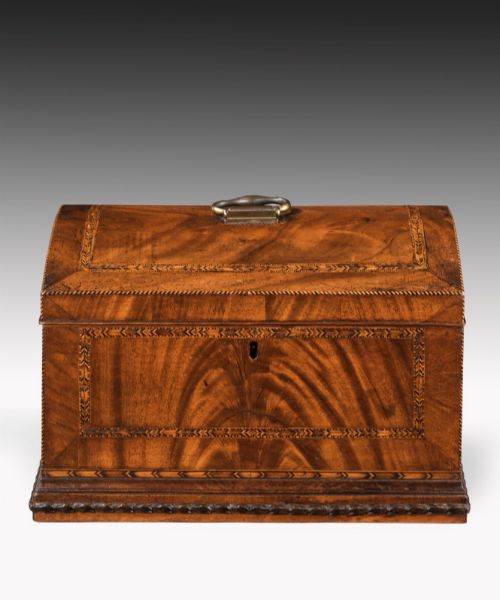
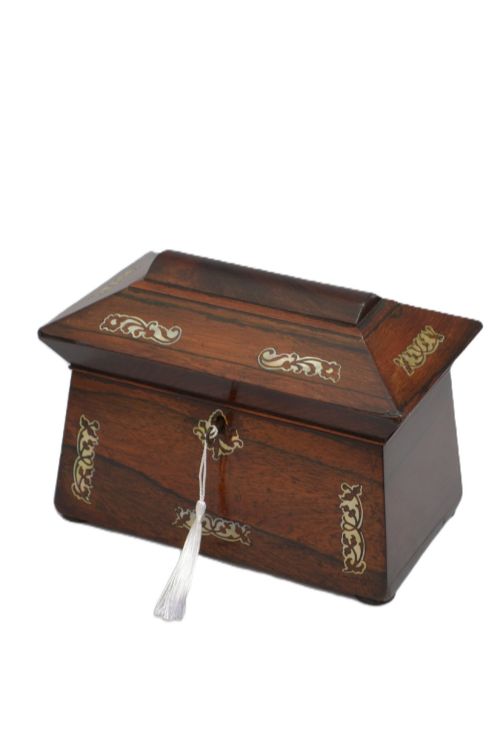
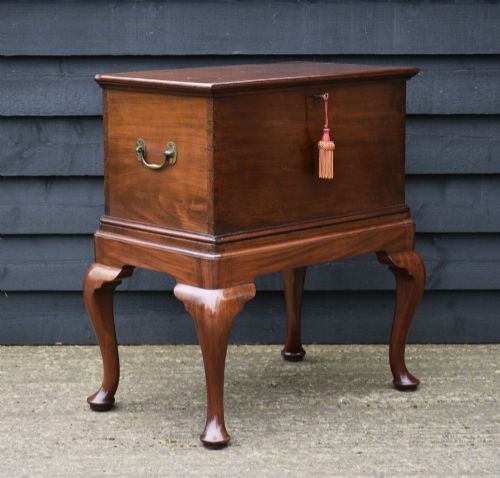
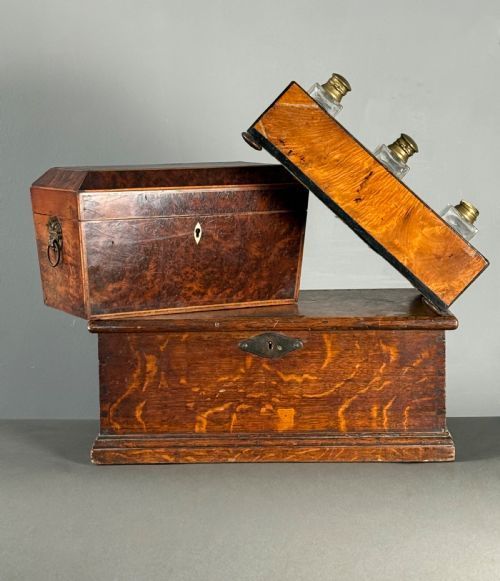
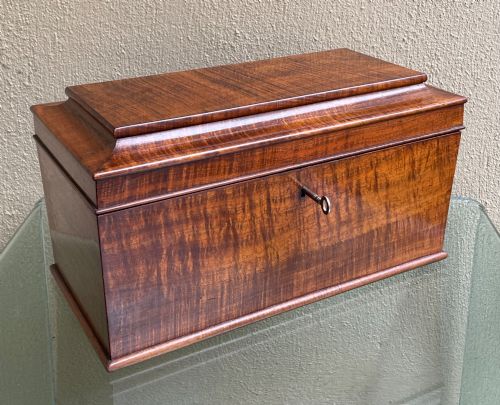
When searching for an antique wooden caddy box, buyers encounter specialised timber containers created primarily during the Georgian, Regency, and Victorian periods. These range from simple mahogany tea caddies to elaborate sarcophagus-shaped boxes and fitted work boxes.
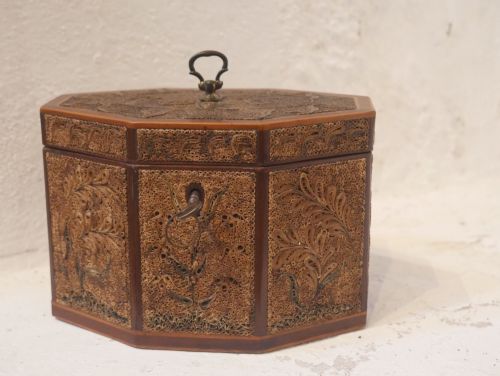
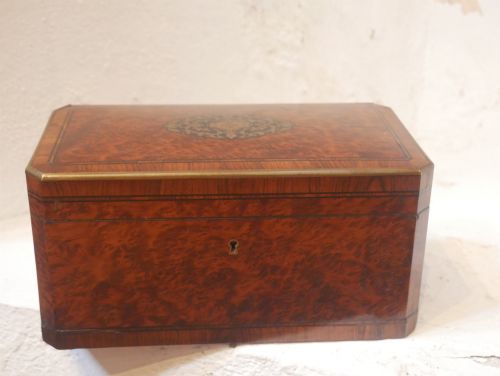
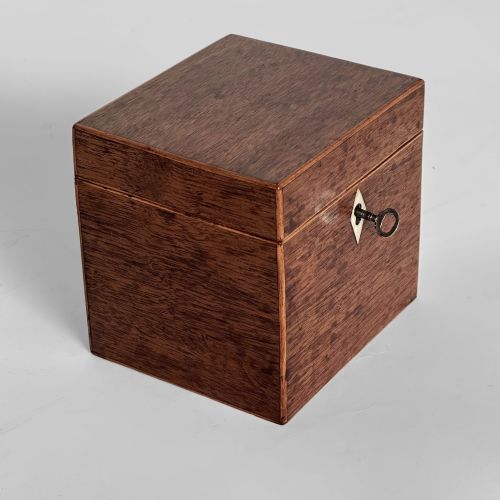
The examples seen here frequently manifest as tea caddies, decorative boxes, and teapoys originating across the 18th and 19th centuries. Mahogany and rosewood forms dominate the selection, alongside walnut, satinwood, and specialised Tunbridge Ware items.
Materials and construction methods
Cabinetmakers utilised dense timbers such as mahogany, rosewood, walnut, and satinwood, often applying veneers over secondary woods to create smooth surfaces. Metal elements like brass inlay, hinges, and lock plates provide structural contrast and secure closures.
Decorative detailing relies on specialised techniques including parquetry, mother-of-pearl inlay, and paper filigree. Tunbridge Ware examples incorporate intricate mosaic wood micro-mosaics, while others feature carved bone details and contrasting boxwood stringing.
Antique Wooden Caddy Box Retail Price Guide 2026
Typical asking prices for wooden caddy box among the pieces listed under this phrase on Sellingantiques today, from the lower quarter to the upper quarter. They describe what is for sale here now, not the wider market.
Materials documented across the inventory include mahogany, rosewood, walnut, satinwood, yew, boxwood, brass, bone, and mother-of-pearl.
Distinctions in craftsmanship and survival
Superior execution shows in the precision of the timber matching, tight joinery, and the integrity of applied brass or mother-of-pearl inlays. Lesser examples display warped lids, shrinkage cracks in the veneers, or replacement hardware.
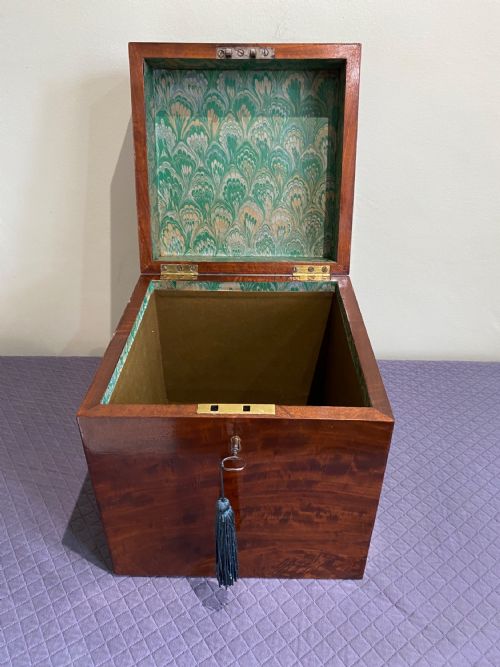
The presence of intact internal compartments, original mixing bowls, and working locks with matching keys elevates a piece. Interiors retaining fitted lids and secret drawers demonstrate higher original workshop investment.
Tahan Paris·Henry Hollamby
The Antique Wooden Caddy Box Glossary
- Teapoy
- A freestanding pedestal table fitted with a box compartment on top for storing tea. These typically date from the Regency and Victorian eras.
- Sarcophagus
- A box shape featuring a domed or sloping hinged lid, reminiscent of a stone coffin. This profile is frequently seen on substantial Regency tea caddies.
- Tunbridge Ware
- Woodware decorated with tiny mosaic tiles assembled from different coloured woods to form geometric or pictorial patterns. This technique originates from Tunbridge Wells in Kent.
- Parquetry
- Geometric mosaic woodwork formed by fitting small veneer pieces together onto a surface. It creates patterned wooden veneers on box lids and panels.
- Treen
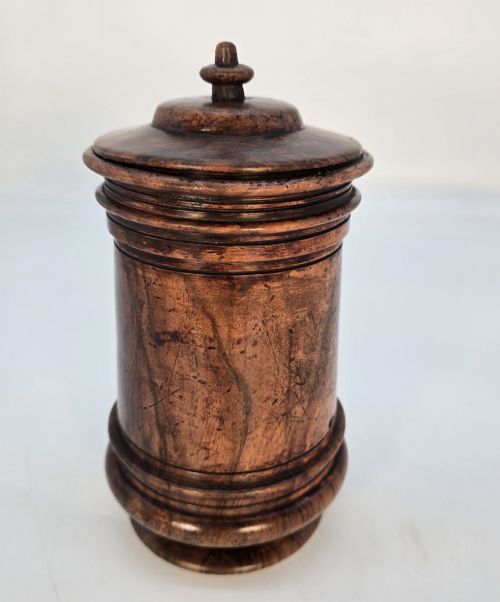
- Small handmade wooden household objects and utilitarian wares. Examples include turned tobacco jars and small receptacles.
Antique Wooden Caddy Box: Frequently Asked Questions
How were tea caddies used originally?
These boxes stored high-value black and green teas under lock and key to protect them from theft and dampness in Georgian and Victorian households.
Servants or the master of the house dispensed the leaves using integrated internal compartments and small mixing bowls housed within the container.
What is the difference between a tea caddy and a teapoy?
A tea caddy is a portable tabletop box designed to hold tea canisters, whereas a teapoy is a larger piece of furniture supported on a central pillar and pedestal base.
Both serve the same fundamental purpose of storing dry tea leaves securely, but teapoys function as standalone tables rather than resting on sideboards.
How do I identify Regency period boxes?
Regency boxes often exhibit classical architectural proportions, bold brass stringing, ring handles, and distinct sarcophagus or rectangular profiles.
They frequently utilise rich rosewood or mahogany timbers, sometimes incorporating lion mask handles and ball feet characteristic of the early nineteenth century.
Are original keys common with these boxes?
Original working keys are relatively uncommon because locks were frequently engaged and keys easily misplaced over centuries of domestic use.
Many surviving pieces retain decorative brass escutcheons around the keyhole even if the functional mechanism or key has been lost or replaced.