



Black Papier Mache Box
A black papier mache box brings deep gloss and hand-painted artistry to a desk, holding small treasures with enduring style.
Black Papier Mache Box
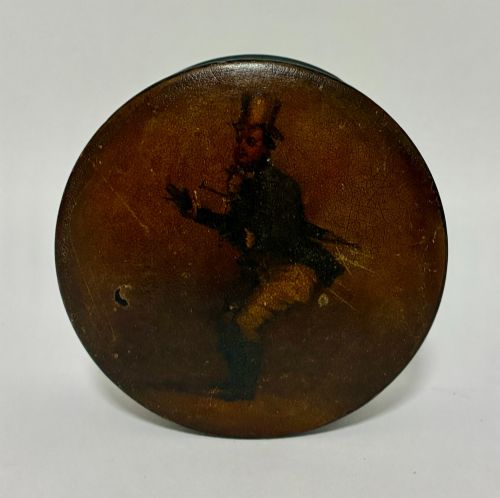
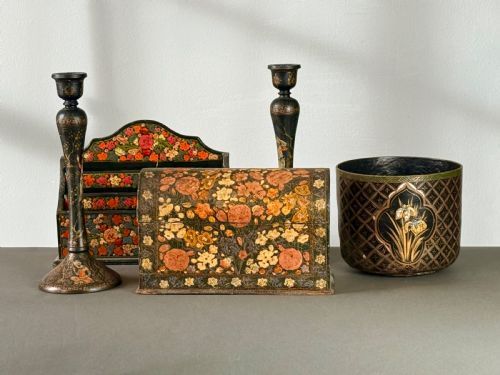
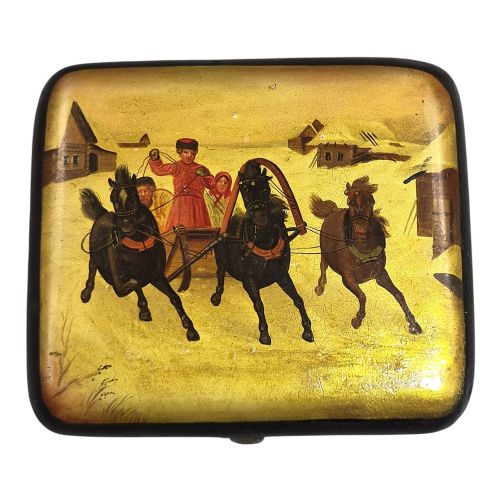
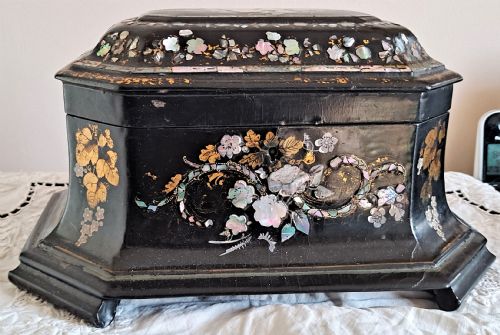
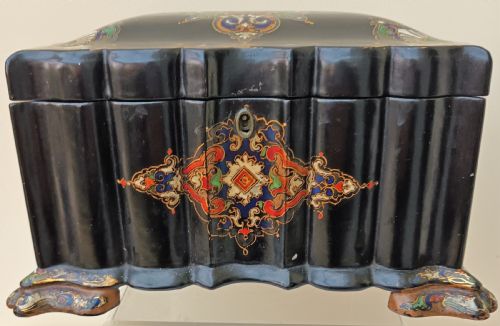
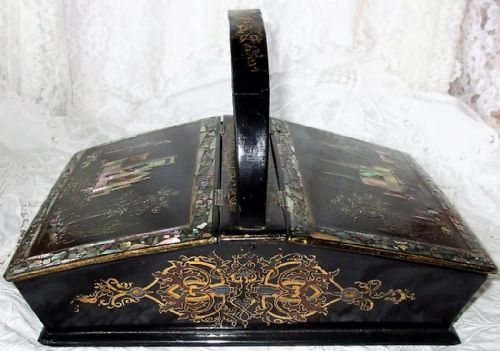
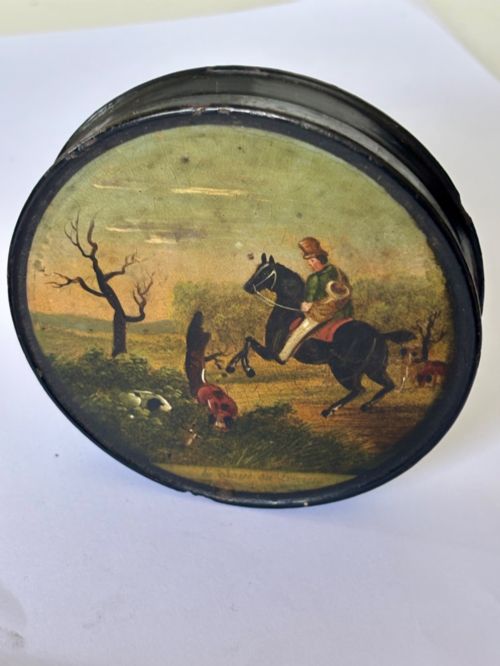
A black papier mache box encompasses a diverse group of nineteenth-century containers designed for practical use and display. Buyers encounter everything from pocket-sized snuff boxes to substantial Victorian tea caddies and jewellery cabinets.
Utility shapes these objects, dividing them between personal items like cigarette cases and needlework caskets, and larger table pieces such as stationery boxes and writing cabinets.
Materials and construction
The foundation relies on layered paper pulp or sheets pressed and bonded together to form a remarkably resilient structure. Artisans coated this hardened base in dark lacquer to create a smooth, deep ground suitable for detailed decoration.
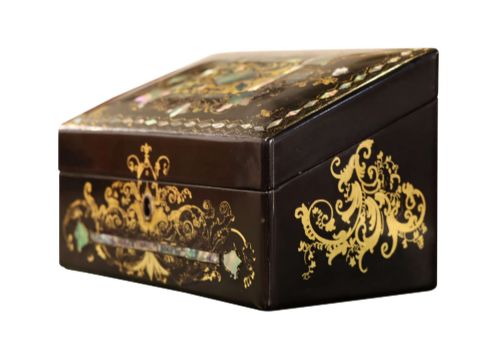
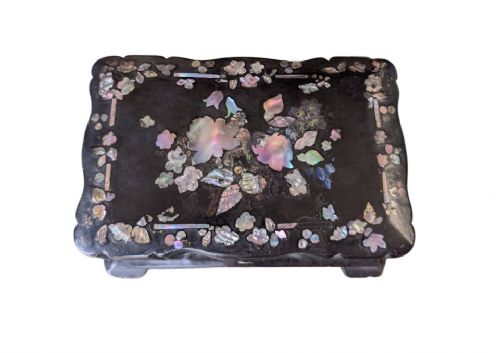
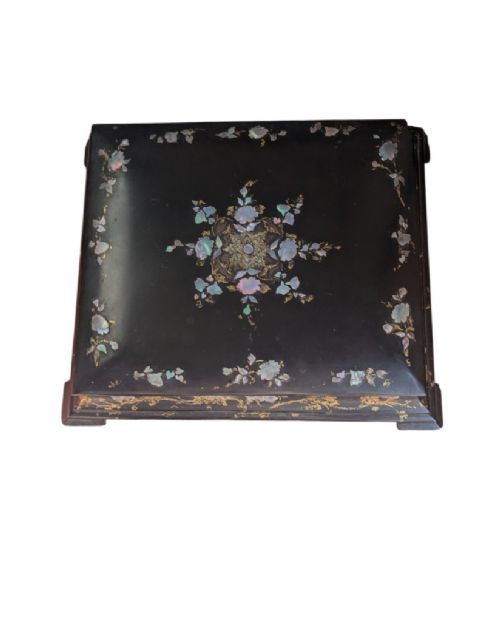
Surface ornamentation combined hand painting, gold leaf application, and precise mother-of-pearl inlay. Craftspeople built up layers of lacquer and pigment, sanding and polishing the exterior to achieve a high-gloss finish.
Accents in brass, wood, and paint complemented the dark ground, particularly on nineteenth-century stationery boxes, pen cases, and tea caddies.
Black Papier Mache Box Retail Price Guide 2026
Typical asking prices for black papier mache box among the pieces listed under this phrase on Sellingantiques today, from the lower quarter to the upper quarter. They describe what is for sale here now, not the wider market.
Some nineteenth-century snuff boxes feature concealed erotic paintings tucked discreetly inside the lid for private amusement.
Quality and execution
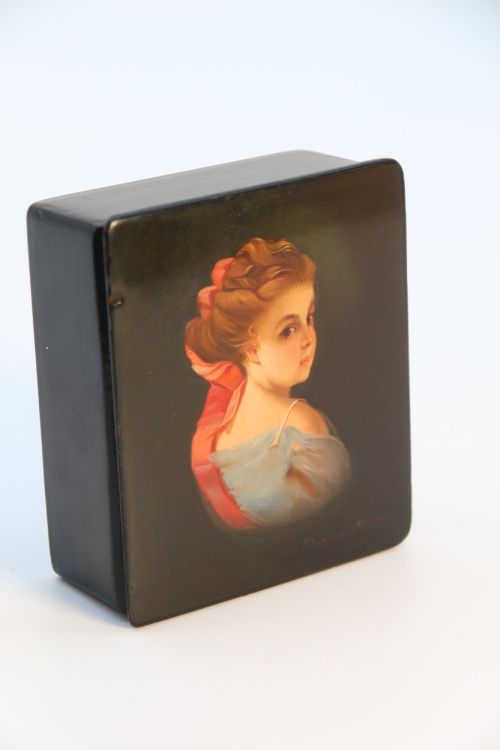
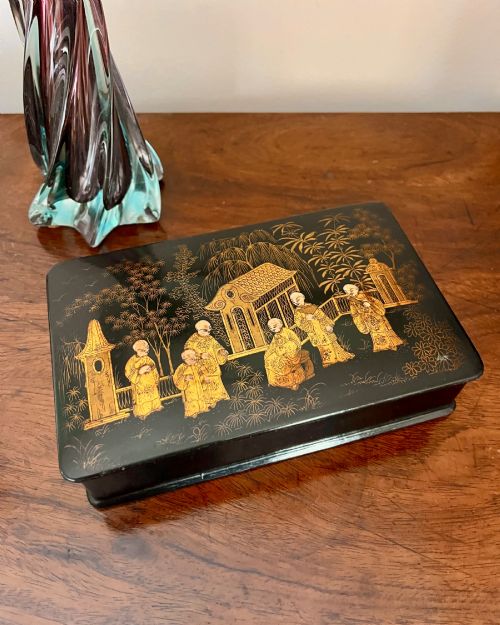
Distinction in quality rests upon the crispness of the hand painting and the precision of any inlay work. Finer pieces display detailed miniature portraits or intricate Chinoiserie scenes executed with steady control over the brush.
The depth and durability of the lacquer finish distinguish superior examples from simpler utilitarian objects. A well-preserved surface exhibits a deep, reflective sheen without extensive cracking or lifting of the underlying layers.
Structural integrity of the Papier-mache core and the snug fit of lids or fitted interiors indicate the original maker's standard of craftsmanship.
Vishnyakov Workshop·Stobwasser
The Black Papier Mache Box Glossary
- Papier-mache
- A composite material made from paper pulp or reinforced paper layers mixed with glue, then moulded and dried. This substance forms a sturdy, lightweight body that accepts lacquer and paint exceptionally well.
- Lacquer
- A durable resin finish applied in multiple coats and polished to a hard gloss. It protects the decorated surface and creates a deep black background.
- Snuff box
- A small pocket container designed to hold powdered tobacco. These items often feature hinged lids and elaborate painted or inlaid scenes.
- Tea caddy
- A lidded container built to store tea leaves safely away from moisture and light. Victorian examples in this material often include internal compartments and mother-of-pearl details.
- Chinoiserie
- A European decorative style reflecting Chinese artistic traditions. It appears on these boxes through painted landscapes, figures, and gilded motifs.
- Mother-of-pearl
- The iridescent inner layer of mollusc shells used for inlay. Small pieces were cut and pressed into the tacky lacquer surface to catch the light.
Black Papier Mache Box: Frequently Asked Questions
What were papier mache boxes used for originally?
These containers served specific daily functions in nineteenth-century homes and personal routines. Smaller versions held dry tobacco or visiting cards, while larger boxes organised letters, sewing tools, or loose tea.
Craftsmen built them to protect delicate possessions from dust and light while adding a decorative element to drawing rooms and writing desks.
How should I clean a lacquered box safely?
Dust the exterior gently with a dry, soft microfiber cloth to prevent scratching the delicate lacquer finish. Avoid using water, household detergents, or chemical solvents, as moisture can penetrate hairline cracks and damage the paper base.
Keep the box away from direct sunlight and heat sources to prevent the lacquer from warping or fading over time.
How can I tell a Victorian box from a Georgian one?
Georgian pieces often emphasise simple, elegant forms with restrained decoration, such as early table snuff boxes or regional folk art designs. Victorian examples frequently introduce heavier ornamentation, including profuse mother-of-pearl inlay, intricate Chinoiserie, and fitted interiors for stationery or jewellery.
Examining the hinges, interior linings, and painting style helps clarify the period of manufacture.
Are these boxes fragile for everyday use?
While the compressed paper pulp creates a surprisingly tough structure, the surface lacquer and painted details require careful handling. They withstand normal display and gentle opening of lids, but dropping them or placing heavy objects on top can cause the lacquer to chip.
Treat them as display pieces with functional interiors rather than rugged modern storage containers.