



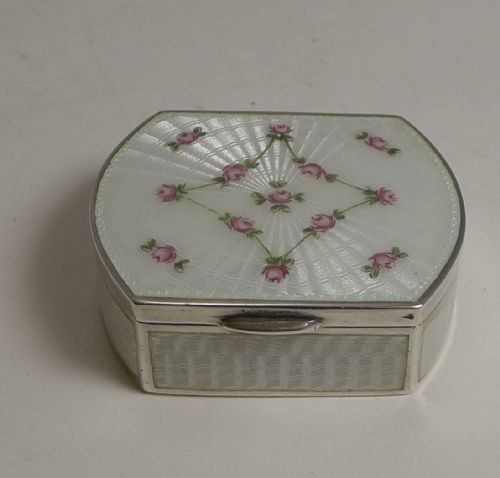
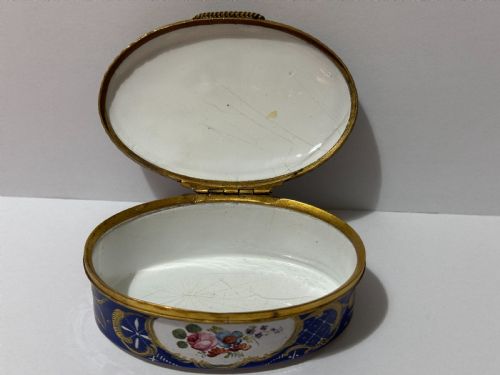
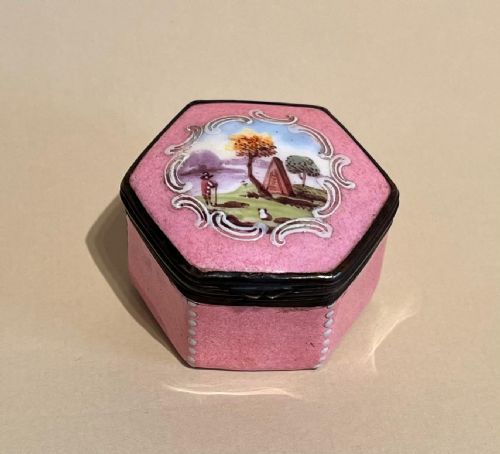
Hand Painted Snuff Box
These hand painted snuff box pieces are pocket-sized works of decorative art offering a tangible connection to Georgian and nineteenth century social rituals.
Hand Painted Snuff Box
When you search for a hand painted snuff box, you encounter small lidded containers designed to hold dry tobacco for inhalation, produced across the eighteenth and nineteenth centuries. These items served as fashionable accessories for daily use among polite society.
The pieces available here typically take the form of pocket containers or larger table boxes. They emerge from periods spanning Georgian, Victorian, and French Empire styles.
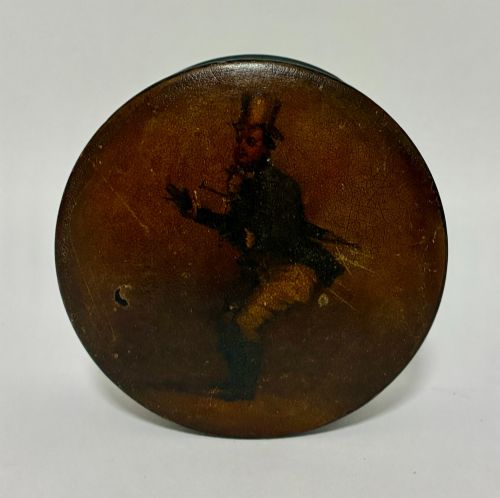
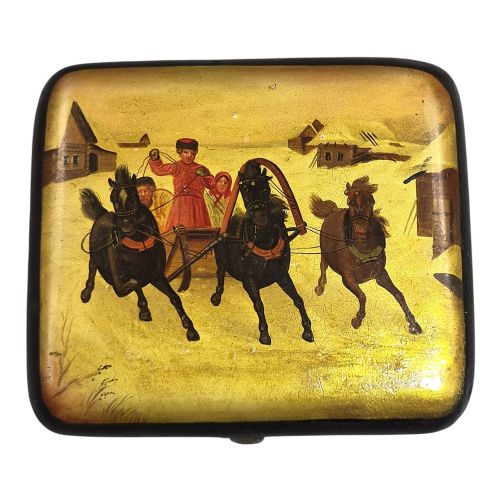
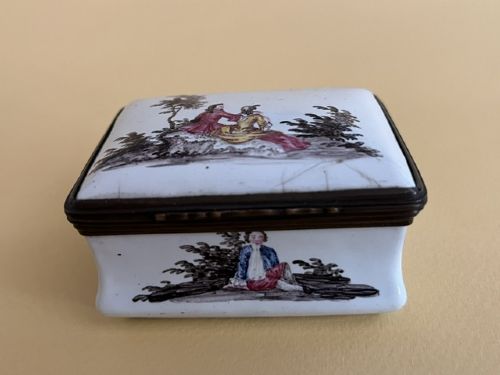
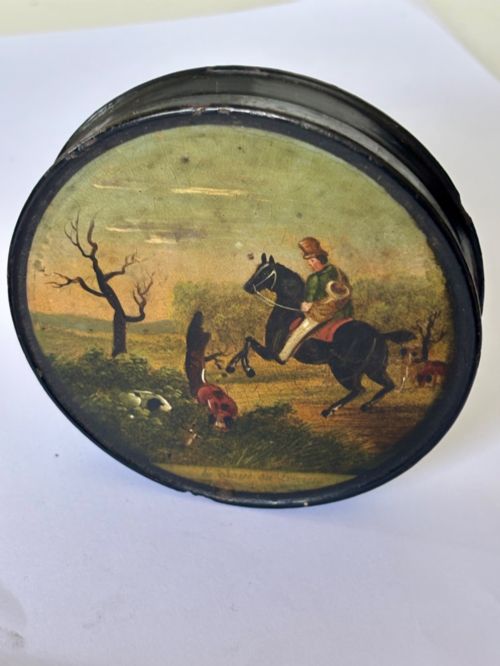
Materials range from papier-mâché and enamel to tortoiseshell, porcelain, and gilt metal. Many feature pastoral scenes, hunting subjects, or miniature portraits upon their lids.
How they were made
Maker techniques involve shaping materials like papier-mâché, copper, or tortoiseshell into hinged boxes before applying detailed miniature painting by hand. Artisans utilised enamel over copper bases, particularly in English Staffordshire workshops, alongside lacquer applied to pressed paper pulp.
Gilt metal mounts, brass hinges, and gold trim frequently secure the lids and borders of these containers. Surface decoration relies on fine brushwork depicting landscapes, figures, and decorative motifs.
Hand Painted Snuff Box Retail Price Guide 2026
Typical asking prices for hand painted snuff box among the pieces listed under this phrase on Sellingantiques today, from the lower quarter to the upper quarter. They describe what is for sale here now, not the wider market.
Some boxes were built large enough for the table so guests could help themselves to snuff without reaching into a host's pocket.
What varies in quality
Quality in these containers rests upon the delicacy and precision of the miniature painting upon the lid. Superior examples display crisp brushwork, well-rendered proportions in figures, and harmonious colour palettes.
The choice and execution of the base material further define the tier of the piece. Finely turned papier-mâché, crisp copper enoxilations, and robust tortoiseshell or gilt metal mounts distinguish finer specimens from standard production.
Stobwasser
The Hand Painted Snuff Box Glossary
- Papier-mâché
- A composite material made of paper pulp or layers of paper glued, pressed, and dried into shape. This substance provided a smooth, lightweight ground for painted lacquer finishes.
- Bilston enamel
- Opaque glass fused to a copper base, associated with Staffordshire production. These pieces often feature bright polychrome painting.
- Tortoiseshell
- The mottled horn of certain turtle species used for decorative boxes. It offers a translucent, amber-toned surface that accepts painted decoration or gold inlay.
- Gilt metal
- Metal coated with a thin layer of gold or gold-coloured alloy. It provides durable structural edges and secure closures for delicate containers.
- Stobwasser
- A style of German papier-mâché box production known for precise lacquer work and finely executed painted scenes. These table boxes are heavier and larger than pocket versions.
Hand Painted Snuff Box: Frequently Asked Questions
What are these boxes?
These items are small, lidded containers created to hold powdered tobacco. Artisans decorated their lids with miniature paintings, landscapes, and portraits.
They functioned as personal accessories and status symbols during the eighteenth and nineteenth centuries.
How were they used?
Owners carried them in pockets or placed them on tables during social gatherings to offer pinches of snuff to guests. The opening of a decorated box initiated polite conversation and display of taste.
They remained central to polite social etiquette throughout the Georgian and Victorian eras.
How do I live with them?
These boxes suit display on small tables, desks, or inside shallow glass cabinets where their painted lids remain visible. They require stable indoor humidity away from direct sunlight to protect the paint and delicate materials.
Their small scale allows them to integrate easily into existing collections of small antiques.
How do I tell periods apart?
Georgian examples often feature Rococo curves, Neoclassical motifs, or Bilston enamel construction. Nineteenth-century pieces frequently utilise papier-mâché with detailed hunting or landscape scenes.
Material choices, such as solid sterling silver mounts or French porcelain forms, also indicate specific production decades.