


Decorated Table Box
A decorated table box brings fine surface ornament and small-scale storage together on a desk or surface.
Decorated Table Box
A decorated table box comprises portable containers designed for jewellery, snuff, letters, or keepsakes, intended to sit prominently on a desk, table, or cabinet. When you search for a decorated table box, you encounter a wide variety of forms spanning centuries of craftsmanship.
The selections on this page most commonly include nineteenth-century examples, alongside earlier Georgian pieces and later Edwardian work. Materials range from wood and brass to lacquer, porcelain, and sterling silver.
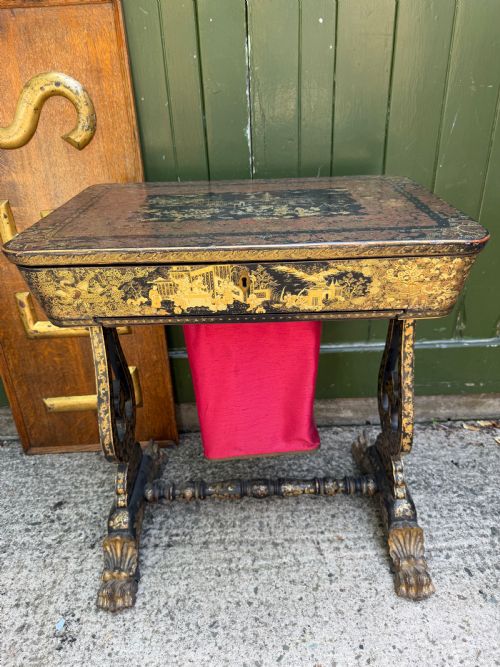
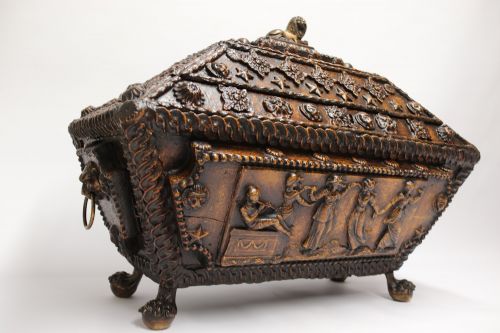
Smaller receptacles such as jewellery boxes and snuff boxes sit alongside larger work boxes and tabletop cabinets. Each version offers a distinct method of surface decoration, from penwork and gesso to gilt lacquer and painted plaques.
How they were made
Construction relies upon traditional carpentry and metalworking techniques, utilising timber frames, cast brass, and moulded sterling silver. Artisans shaped wood bodies before applying decorative veneers, papier-mâché, or lacquer surfaces.
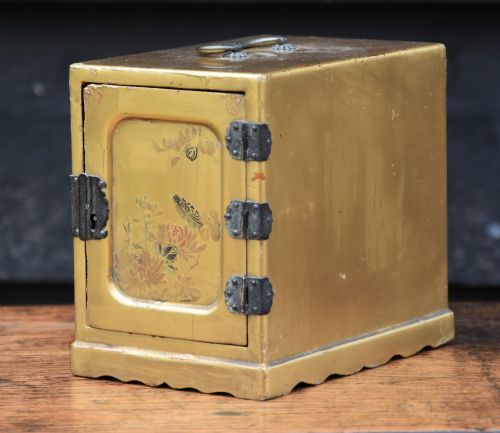
Surface ornamentation involved specialised skills such as gilding with gold leaf, hand painting, penwork, and setting cabochon agate stones into metal mounts. Japanese Meiji period pieces demonstrate intricate gilt lacquer work, whilst English workshops employed delicate inlay and penwork.
What varies in quality
Quality depends upon the crispness of the surface decoration and the skill involved in applying materials like lacquer, penwork, or gesso. Finer examples display precise hand-painted details and clean execution of metal mounts or inlay.
The selection of materials dictates the standing of the piece, with solid sterling silver, tortoiseshell, and finely carved hardstones representing higher tiers of production. Original hinges, working locks, and well-preserved interiors also separate standard boxes from superior specimens.
Rene Lalique
The Decorated Table Box Glossary
- Penwork
- A decorative technique using fine ink lines on a prepared ground to simulate marquetry or engravings. It appears on English cabinet work from the Georgian period.
- Gesso
- A plaster-like mixture applied to wood surfaces to form a smooth base for painting or gilding. This material allows for raised relief decoration on the exterior of boxes.
- Kodansu
- A traditional Japanese small cabinet or box fitted with internal drawers. These pieces often feature intricate gilt lacquer decoration.
- Snuff box
- A small lidded container designed to hold powdered tobacco. Examples in the evidence utilise sterling silver, often with gilt interiors.
- Tortoiseshell
- The mottled brown and amber shell of certain turtle species used as a decorative veneer. It frequently pairs with sterling silver mounts on Edwardian boxes.
Decorated Table Box: Frequently Asked Questions
What were decorated table boxes used for?
These boxes served practical purposes in domestic and professional spaces for storing valuables, correspondence, sewing tools, or tobacco. Wealthy households utilised them to keep personal items organised and secure on tabletops.
Over time, their decorative qualities became equally important, allowing owners to display craftsmanship and artistic taste in reception rooms or studies.
How do I clean a lacquer box?
Lacquer surfaces require gentle maintenance using a soft, dry cloth to remove dust without abrasive pressure. Moisture and chemical cleaners damage historic finishes, particularly on nineteenth-century Japanese or Chinese export pieces.
Keep these boxes away from direct sunlight and heat sources to prevent the lacquer from cracking or warping over time.
How can I tell the period?
Dating relies upon stylistic markers, material combinations, and construction methods characteristic of specific eras like the Regency or Edwardian periods. For instance, penwork cabinets often date to the Georgian era, whilst tortoiseshell and silver combinations point towards the early twentieth century.
Examining internal fixings, timber types, and the style of decoration helps narrow down the decade of manufacture.
Where should I place one?
A decorated table box suits placement on a desk, side table, or mantelpiece where the surface ornament remains visible. Smaller snuff and jewellery boxes sit well on dressing tables or cabinets.
Position them away from radiators and bright windows to protect delicate materials like paper-mâché, lacquer, and tortoiseshell from environmental damage.